
For too long, the narrative surrounding fitness after 50 has been one of gentle decline. The prevailing wisdom suggested that serious strength training and significant muscle building were the exclusive domains of younger individuals. Thankfully, this outdated notion is rapidly being dismantled. Across gyms nationwide, a new generation of lifters – men and women in their 50s and beyond – are proving that the pursuit of a stronger, more muscular physique is not only possible but achievable.
As a fitness writer and seasoned observer of the training landscape, I’ve seen firsthand the transformative power of dedicated training in this age group. Many of my clients, well into their fifth decade, are not just maintaining their strength; they are actively building lean muscle mass and, in many cases, reaching peak physical condition.
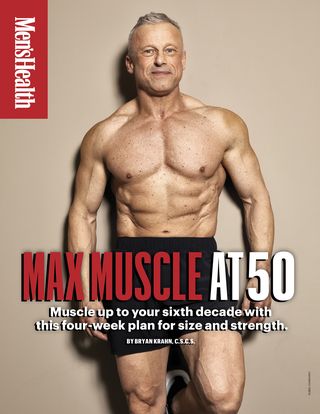
My own journey over 50 has been a testament to this. After decades of dedication to the iron, I continue to see progress, albeit at a more measured pace. The key, I’ve discovered, isn’t to fight against the realities of aging but to embrace them and adapt training strategies accordingly. This approach forms the bedrock of my "Max Muscle at 50" program and guides my clients towards sustainable gains.
If you’re over 50 and eager to build or maintain muscle, this article outlines five fundamental principles that will set you on the path to success. Forget the limitations; it’s time to redefine what’s possible.
Rule #1: Embrace Realistic Expectations, But Never Doubt the Potential
Let’s be upfront: building significant new muscle tissue becomes more challenging as we age. It’s a biological reality. Many individuals who possess impressive physiques in their 50s likely developed the bulk of their muscle mass before the age of 40. This doesn’t diminish their achievement; it simply acknowledges the physiological shifts that occur.

However, this does not mean that muscle growth ceases to be an option. While you might not experience the rapid pound-for-pound gains of your younger years, incremental improvements in strength and, consequently, muscle size are absolutely attainable. The secret lies in elevating the importance of nutrition and recovery to the same level as your training. Even modest increases in muscle mass, combined with disciplined body fat management, can lead to a dramatic and visually impactful transformation. The goal isn’t necessarily to replicate the gains of your 20s, but to build the best physique for you, right now.
Rule #2: Prioritize Longevity: Make Injury Prevention Your Ultimate Goal
In the pursuit of muscle growth after 50, the primary objective shifts from constant progression to unwavering injury prevention. This is the golden rule that underpins all other training decisions.
Never Train Through Pain
This cannot be stressed enough. If an exercise elicits pain, stop immediately. Pushing through discomfort is a fast track to setbacks. Instead, identify the source of the pain. Is it the specific movement pattern? The equipment? The load?
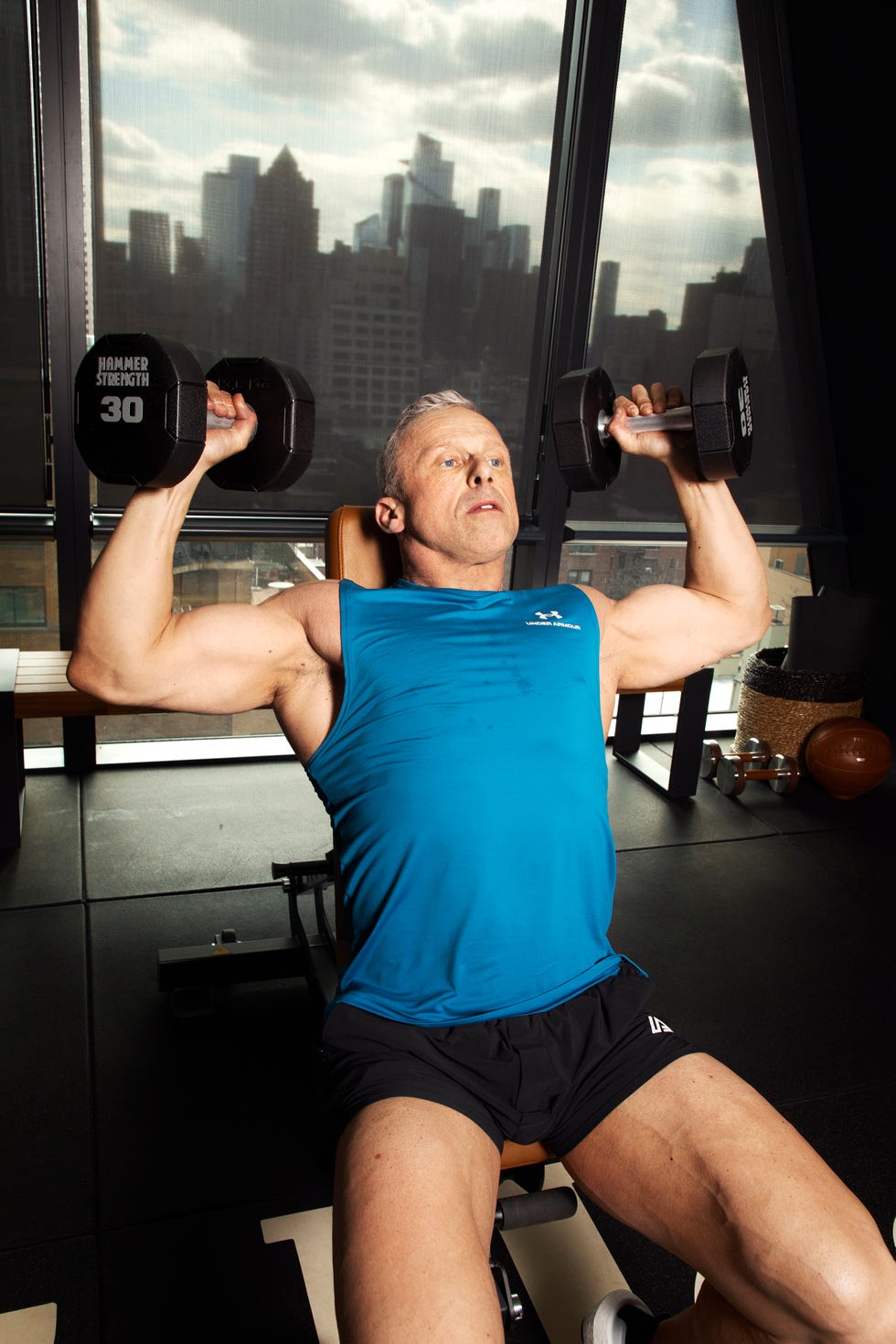
- Experiment with variations: If a barbell exercise is causing strain, explore its dumbbell counterpart. For instance, a dumbbell overhead press with a neutral grip (palms facing each other) is often far kinder to the shoulders than a traditional barbell press.
- Substitute exercises: If a particular movement consistently causes issues, find a different exercise that targets the same muscle group effectively but without the discomfort.
Rethink Risky Exercises
Certain exercises, while effective, carry a higher inherent risk of injury, especially for joints that have seen years of use. It’s wise to re-evaluate these and opt for safer alternatives when possible.
- Example: While a heavy barbell bench press can be a potent chest builder, consider incline dumbbell presses or even machine-based chest presses if you experience shoulder or elbow discomfort. The goal is to stimulate the muscle, not to tax your joints unnecessarily.
Embrace Lighter Loads and Higher Reps
The notion that you must lift extremely heavy weights to build muscle is a common misconception, particularly as we age. Research consistently shows that building muscle can be achieved effectively across a range of rep schemes, provided you are training close to muscular failure.

- The sweet spot: Aim for a rep range of 6 to 30 repetitions per set. This range allows for significant muscle stimulation while reducing the stress on your joints and connective tissues.
- Focus on control: With lighter weights, you can often achieve a greater mind-muscle connection, focusing on the quality of each contraction and ensuring the target muscle is doing the work, rather than momentum.
Real-Life Application:
Consider the common barbell bench press. Many lifters in their 20s might perform sets of 4-6 reps with maximal weight. For someone over 50, this can place immense stress on the shoulders and elbows. By switching to incline dumbbell presses and performing sets of 12-15 reps with a weight that challenges them in that range, they can still achieve excellent pec development with significantly less risk of injury. The "good soreness" – that satisfying ache in the target muscles – is a far better indicator of progress than joint pain.
Rule #3: Consistency is King: Maintain a Sustainable Training Cadence
The idea that older lifters need to significantly reduce their training volume or frequency is largely a myth. In fact, the opposite is often true: "use it or lose it" becomes a more potent reality after 50. The key is to maintain a consistent level of activity without overtraining.
This doesn’t mean five days of grueling weightlifting sessions every week. Instead, it emphasizes a balanced approach that integrates various forms of movement and prioritizes recovery.
- Weight Training: Aim for 2-4 sessions per week, focusing on compound movements and allowing adequate rest between sessions for muscle repair.
- Cardiovascular Health: Incorporate moderate-intensity cardio 2-3 times per week. This could be anything from cycling, swimming, brisk walking, or a low-impact dance class.
- Active Recovery & Mobility: Dedicate time to stretching, foam rolling, yoga, or even light walks on rest days. This aids in recovery, improves flexibility, and keeps your body mobile.
- Enjoyable Activities: Don’t underestimate the value of recreational activities like golf, tennis, or hiking. These contribute to overall fitness and provide mental stimulation.
Example Schedule:
A balanced week for someone over 50 might look like this:
- Monday: Full-body weight training session
- Tuesday: Brisk walk or cycling
- Wednesday: Upper body weight training session
- Thursday: Yoga or stretching
- Friday: Lower body weight training session
- Saturday: Recreational activity (e.g., golf, hiking)
- Sunday: Complete rest or very light active recovery
This structured yet varied approach ensures your body receives the stimulus it needs to build and maintain muscle while also allowing for essential recovery.
Rule #4: Flexibility in Training, Rigidity in Recovery
The rigid training splits, mandatory exercise lists, and "go hard or go home" mentality often associated with younger lifters are best left behind after 50. The mantra for older trainees should be: "Keep the consistency streak alive." This requires a profoundly flexible approach to your training schedule and exercise selection.
Adaptability is Key
- Have backup plans: Always have alternative exercises in mind. If a particular piece of equipment is unavailable, or if a planned exercise feels "off" that day, you need a go-to substitute.
- Scale workouts: If you’re traveling and only have access to a basic hotel gym, or if you’re feeling less than optimal, be prepared to scale your workout. Bodyweight exercises, resistance bands, or lighter weights with higher reps can still provide a valuable stimulus.
- Listen to your body: On days when you feel genuinely fatigued or mentally drained, it’s far more productive to opt for a brisk walk or a light stretching session than to force a heavy weightlifting workout. Pushing through extreme fatigue can compromise your immune system and increase your risk of injury.
Prioritize Recovery Above All Else
While flexibility in training is crucial, your commitment to recovery should be unwavering. This includes:
- Adequate Sleep: Aim for 7-9 hours of quality sleep per night. This is when your body repairs muscle tissue and regulates hormones essential for growth and recovery.
- Nutrient Timing: Ensure you’re consuming sufficient protein throughout the day, especially post-workout, to fuel muscle repair.
- Hydration: Staying well-hydrated is vital for all bodily functions, including muscle recovery.
- Stress Management: Chronic stress can elevate cortisol levels, which can hinder muscle growth and recovery. Incorporate stress-reducing activities like meditation, deep breathing exercises, or spending time in nature.
Rule #5: The "Start Early" Mindset: Proactive Planning for Long-Term Success
Ideally, the principles outlined here should be implemented in your 40s, or even earlier. Many individuals in their 40s approach training with a defiant attitude, pushing themselves as hard as they did in their 20s, as if to defy their age. This often leads to accumulated injuries, burnout, and a frustrated entry into their 50s.
A more intelligent strategy is to view your 40s as a crucial transition decade. This is the time to:
- Embrace a long-term perspective: Shift from short-term, aggressive gains to sustainable, consistent progress.
- Prioritize injury prevention: Actively address any aches and pains. Don’t ignore them.
- Limit high-risk lifts: Even if they still feel good, consider moderating or substituting exercises that place excessive stress on your joints.
- Invest in mobility and flexibility: A supple, mobile body is a resilient body.
- Optimize lifestyle factors: Focus on nutrition, sleep, stress management, and recovery.
If You’re 50 and Just Starting:
Don’t despair if you haven’t implemented these strategies earlier. It’s never too late to be smart about your training. By adopting these five principles – managing expectations, prioritizing injury prevention, maintaining a consistent cadence, embracing flexibility, and thinking proactively – you can absolutely build muscle and forge a stronger, healthier physique.
The Future is Strong: Your Journey Begins Now
The evidence is undeniable: building muscle after 50 is not a pipe dream; it’s a tangible reality for those who approach it with intelligence, patience, and a commitment to sustainable practices. The journey may require adjustments from what you did in your younger years, but the rewards – increased strength, improved metabolism, better bone density, enhanced confidence, and a more vibrant quality of life – are immeasurable.
Embrace these principles, listen to your body, and celebrate every milestone. The iron waits for no one, but it will always respond to smart, consistent effort. Your strongest chapter is not behind you; it’s waiting to be written. Start today.