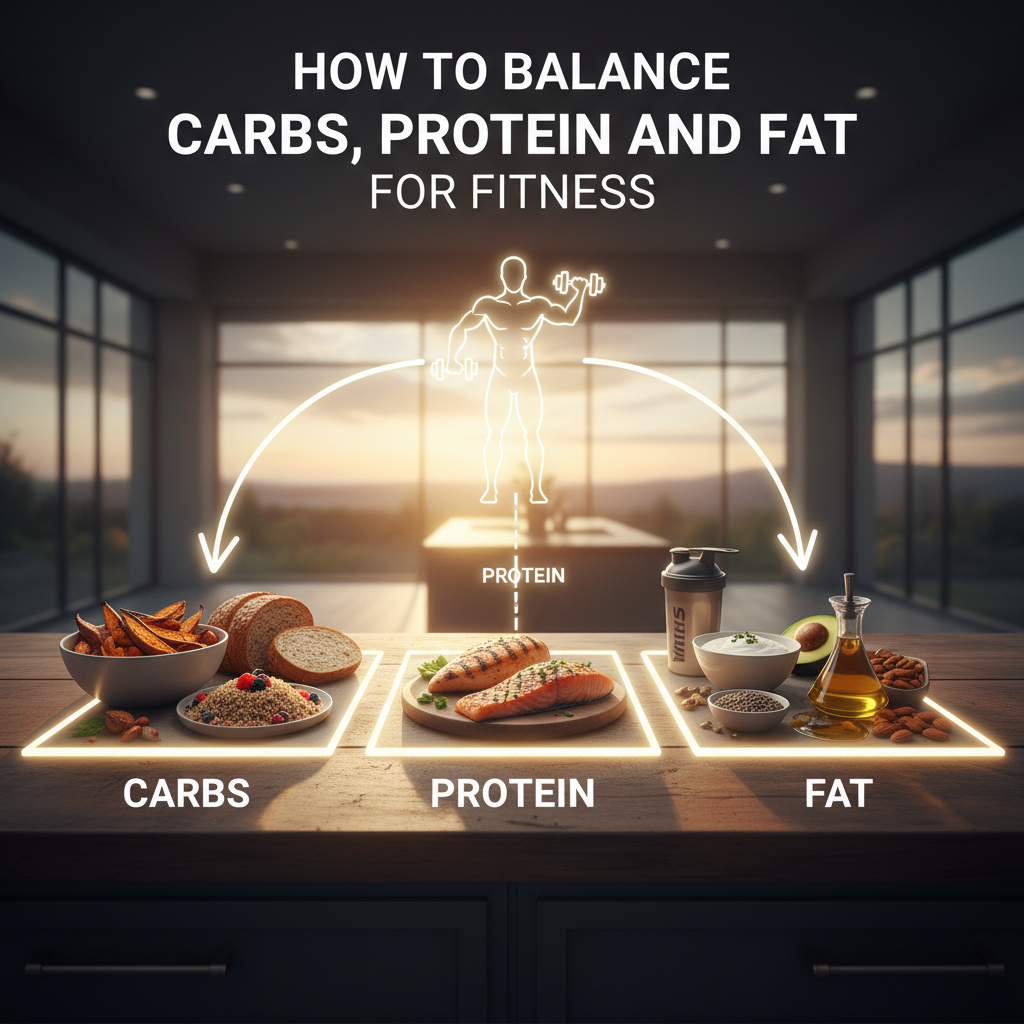
Understanding the interplay between the three macronutrients—carbohydrates, proteins, and fats—is the cornerstone of any successful fitness or body composition strategy. These macros provide the energy and building blocks necessary for every physiological process, from lifting heavy weights to repairing torn muscle fibers. Simply counting calories is insufficient; the quality and ratio of these components dictate the results you see in the gym and the mirror.
The Foundational Role of Protein in Fitness
Protein is often considered the king of fitness nutrition because it is essential for muscle protein synthesis (MPS). When you engage in resistance training, you create micro-tears in the muscle tissue. Protein, broken down into amino acids, supplies the raw material needed to repair and build this tissue back stronger. Without adequate protein, recovery stalls, and muscle growth plateaus.
Determining the right amount of protein depends heavily on activity level and goals. For general health, 0.8 grams per kilogram of body weight is often cited. However, for individuals actively pursuing muscle hypertrophy or intense endurance training, recommendations typically range from 1.6 to 2.2 grams per kilogram of body weight. Spreading this intake evenly across 4-6 meals can optimize MPS throughout the day.
Carbohydrates: The Primary Fuel Source
Carbohydrates are the body’s preferred and most efficient source of energy, especially for high-intensity exercise. They are stored as glycogen in the muscles and liver. When you are lifting weights or sprinting, your body primarily taps into these glycogen stores. Insufficient carbohydrate intake leads to fatigue, poor workout performance, and a catabolic state where the body might break down muscle for energy.
The type of carbohydrate matters significantly. Simple, refined carbs cause rapid blood sugar spikes, which can be useful immediately post-workout, but complex carbohydrates (whole grains, vegetables, legumes) provide sustained energy release and essential fiber. Fiber supports gut health, which is intrinsically linked to nutrient absorption and overall wellness.
Fats: Essential for Hormones and Health
Dietary fats often receive an unfair negative reputation, but they are crucial for long-term health and fitness success. Fats are vital for absorbing fat-soluble vitamins (A, D, E, and K), maintaining cell membrane integrity, and, critically, producing hormones like testosterone, which plays a major role in muscle building and energy levels.
Healthy fats, primarily monounsaturated and polyunsaturated fats (found in avocados, nuts, seeds, and fatty fish), should form the bulk of your fat intake. Saturated fats should be consumed in moderation. For most active individuals, fats should constitute about 20% to 30% of total daily caloric intake, adjusted based on training intensity and specific goals (e.g., lower for aggressive cutting, higher for ketogenic approaches).
Calculating Your Macronutrient Ratios: A Starting Point
There is no universal perfect ratio, as it varies based on individual metabolism, training phase (bulking vs. cutting), and preference. However, many successful fitness plans start with a baseline allocation that prioritizes protein:
- Protein: 25% to 35% of total calories
- Carbohydrates: 40% to 55% of total calories
- Fats: 20% to 30% of total calories
If an individual is in a significant calorie deficit for fat loss, they might slightly increase protein percentage while carefully managing carbohydrate intake to preserve muscle mass while ensuring enough energy for workouts.