The pursuit of peak physical performance is a journey, not a destination. Whether you’re a seasoned lifter aiming for new personal records or a beginner taking your first steps into a more active lifestyle, the quality of your workouts dictates your progress. Every rep, every stride, every drop of sweat contributes to the stronger, fitter version of yourself you’re striving to become. But what truly sets an exceptional training session apart from an average one? Often, it’s the preparation that precedes it.
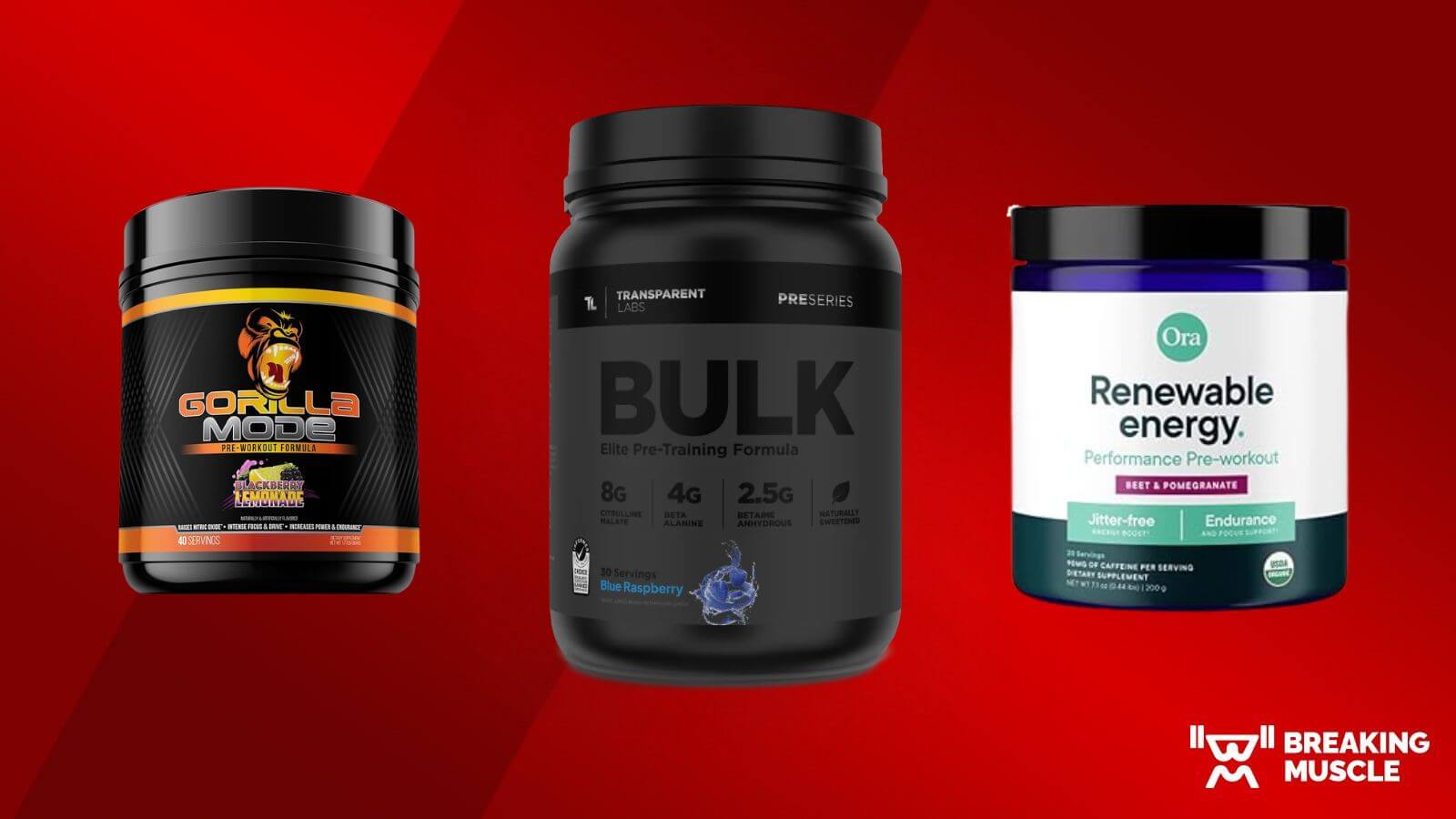
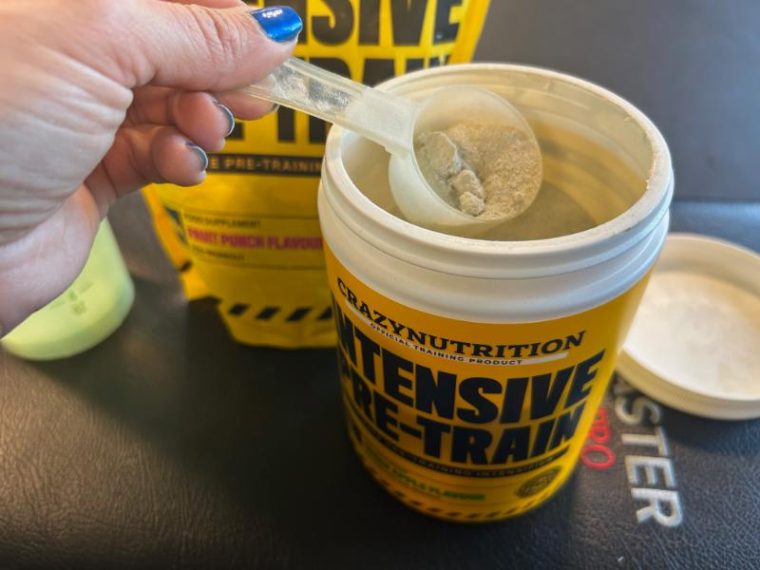
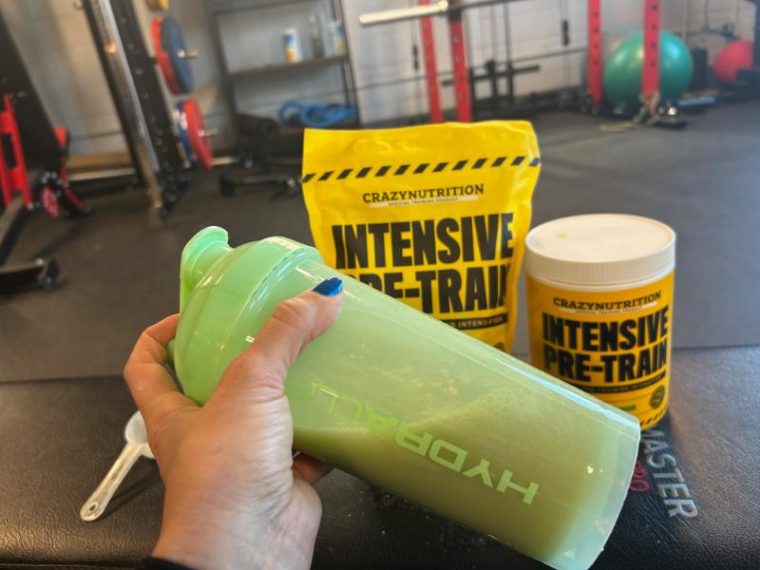
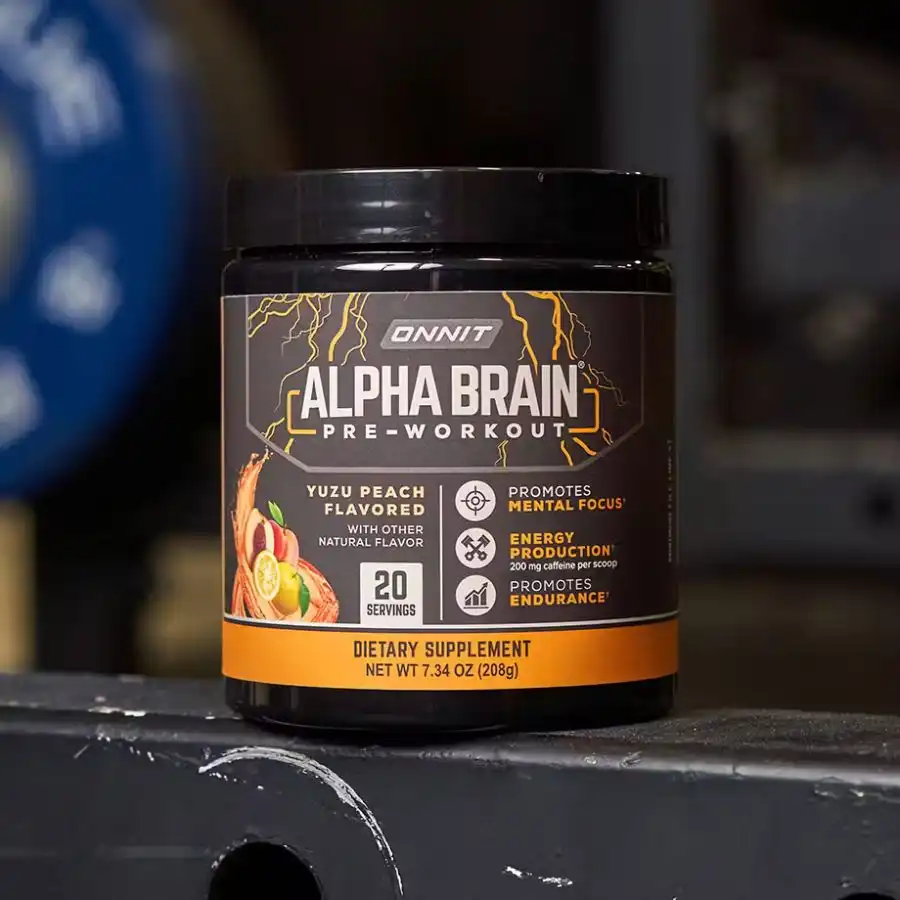
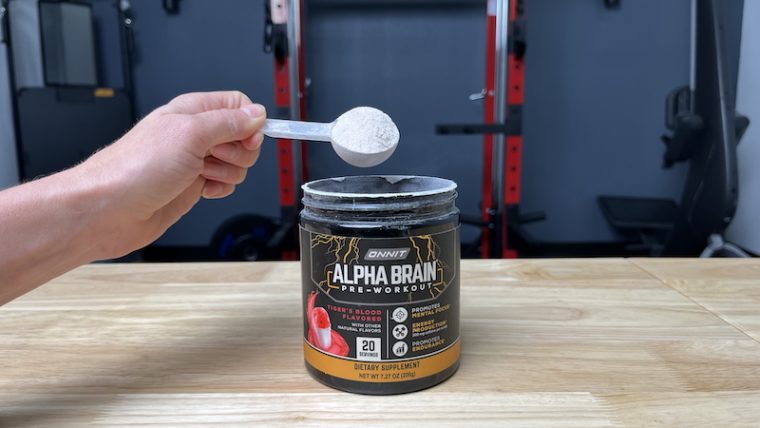
Many immediately think of a neon-colored drink when "pre-workout" is mentioned. While supplements can play a role, a truly effective pre-workout strategy extends far beyond a scoop of powder. It’s a holistic blueprint, integrating nutrition, hydration, rest, and mental readiness, all meticulously designed to optimize your energy, focus, and endurance when it matters most.
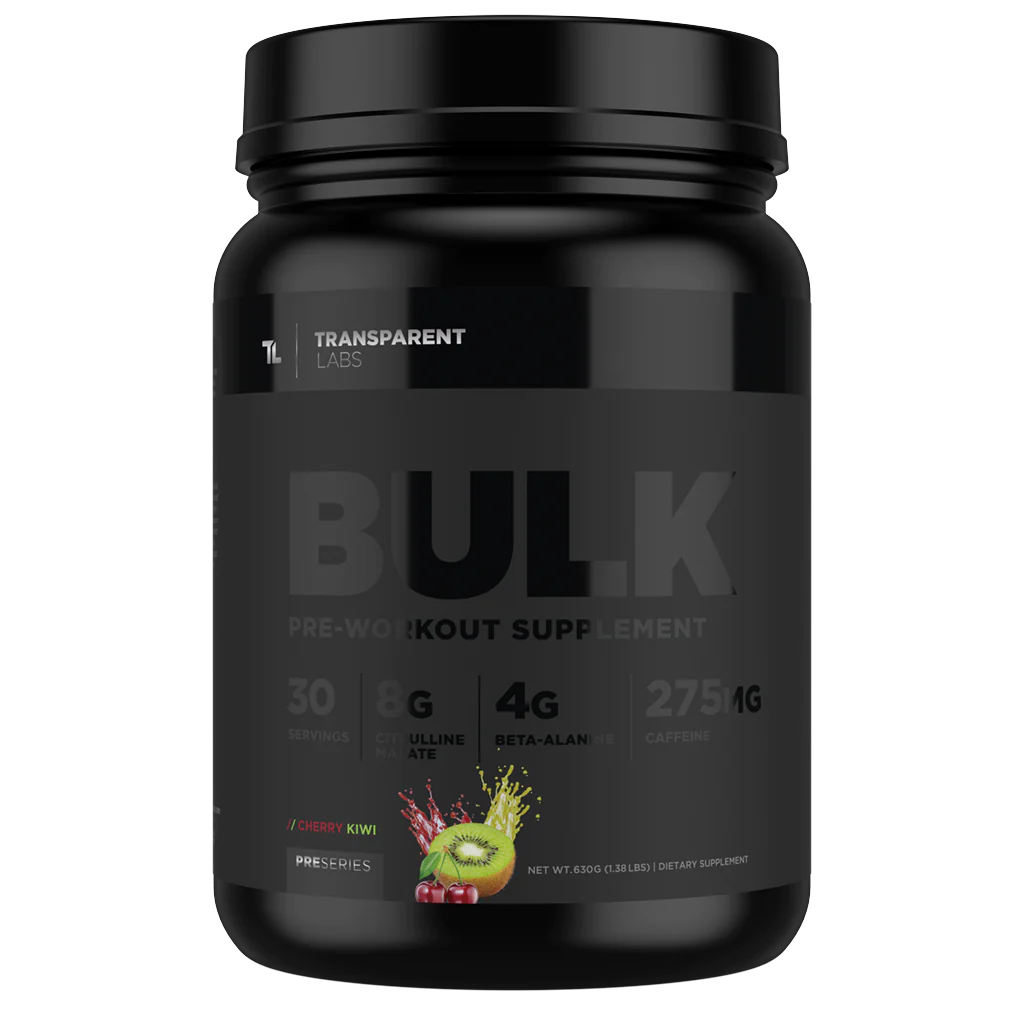
This comprehensive guide will empower you to unlock your full potential in every session. We’ll delve into the foundational elements that fuel your body, demystify the science behind popular supplement ingredients, and help you craft a personalized pre-training routine that propels you towards breakthrough workouts. Get ready to move beyond the superficial buzz and master the art of preparation for truly unstoppable performance.
The Foundational Pillars of Pre-Workout Excellence
Before we even consider a supplement, it’s crucial to understand that the bedrock of peak performance lies in fundamental lifestyle choices. These aren’t just "good habits" – they are non-negotiable components of an effective pre-workout strategy.
Nutrition: Your Body’s Primary Fuel Source
Think of your body as a high-performance vehicle. Just as a sports car requires premium fuel, your muscles demand the right macronutrients at the right time to perform optimally. This isn’t about rigid dieting; it’s about smart fueling.

- Carbohydrates: The Energy Engine: Carbs are your body’s preferred and most efficient source of energy, especially for intense exercise. They are stored as glycogen in your muscles and liver.
- Actionable Advice: For workouts lasting longer than 45-60 minutes or those of high intensity, aim for complex carbohydrates (oats, whole-grain toast, fruit, sweet potatoes) 2-3 hours beforehand. This allows for proper digestion and sustained energy release. If your workout is sooner (30-60 minutes out), opt for easily digestible simple carbs like a banana or a small handful of berries.
- Protein: The Muscle Protector: While not a primary energy source during exercise, protein is vital for muscle repair and recovery. Having some protein pre-workout can help mitigate muscle breakdown.
- Actionable Advice: Include a moderate amount of lean protein (chicken breast, Greek yogurt, egg whites, protein shake) with your pre-workout meal. This supports muscle synthesis and can help you feel satiated.
- Fats: Sustained Energy (for longer efforts): Healthy fats provide a more sustained, slower-burning energy source. They are less critical immediately pre-workout for shorter, high-intensity sessions but are important for overall energy balance and satiety.
- Actionable Advice: Keep fat intake relatively low in your immediate pre-workout meal to avoid slowing digestion. For general health and longer endurance activities, ensure healthy fats are part of your daily diet.
Real-Life Example:
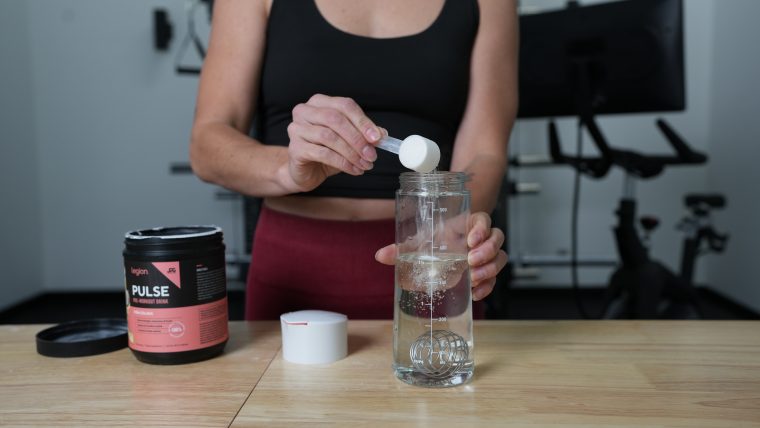
Imagine Sarah, an intermediate lifter. For her 6 PM strength training session, she might have a meal around 3:30 PM consisting of grilled chicken, a sweet potato, and some steamed vegetables. If she only has 30 minutes before a quick cardio session, a banana and a handful of almonds would be a better choice.
Hydration: The Often-Overlooked Performance Enhancer
Water is essential for virtually every bodily function, and its role in exercise performance cannot be overstated. Dehydration, even mild, can significantly impair strength, endurance, focus, and lead to premature fatigue.
- Impact of Dehydration:
- Reduced blood volume, straining the cardiovascular system.
- Impaired thermoregulation, leading to overheating.
- Decreased muscular endurance and strength.
- Loss of mental acuity and concentration.
- Actionable Advice:
- Consistent Hydration: Don’t wait until you’re thirsty. Sip water throughout the day.
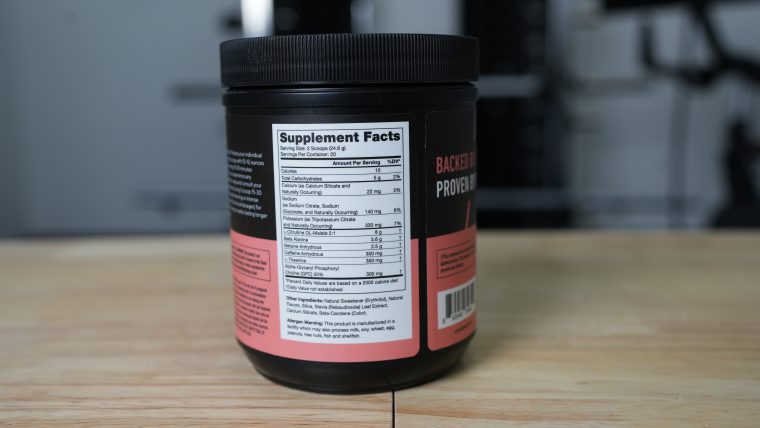
- Pre-Workout Boost: Aim to drink 16-20 ounces of water 2-3 hours before your workout, and another 8-10 ounces 20-30 minutes prior.
- Electrolytes: For intense or prolonged workouts (over 60 minutes) or training in hot environments, consider an electrolyte-enhanced beverage to replenish lost minerals like sodium, potassium, and magnesium. This helps maintain fluid balance and nerve function.
Sleep and Recovery: The Unsung Heroes
You can eat perfectly and hydrate meticulously, but if you’re consistently sleep-deprived, your performance will suffer. Sleep is when your body repairs, rebuilds, and optimizes hormone levels critical for strength and muscle growth.
- Benefits of Quality Sleep:
- Energy Restoration: Replenishes ATP (adenosine triphosphate), the primary energy currency of cells.
- Hormone Regulation: Optimizes growth hormone release and regulates cortisol (stress hormone) levels.
- Cognitive Function: Enhances focus, reaction time, and decision-making.
- Muscle Repair: Allows muscles to recover and adapt to training stress.
- Actionable Advice:
- Prioritize 7-9 Hours: Make consistent, quality sleep a non-negotiable part of your routine.
- Create a Sleep Ritual: Establish a consistent bedtime, limit screen time before bed, and create a dark, cool, quiet sleep environment.
- Manage Stress: Chronic stress elevates cortisol, which can hinder recovery and sleep. Incorporate stress-reducing activities like meditation, deep breathing, or light stretching.
Demystifying Pre-Workout Supplements: Ingredients and Their Role
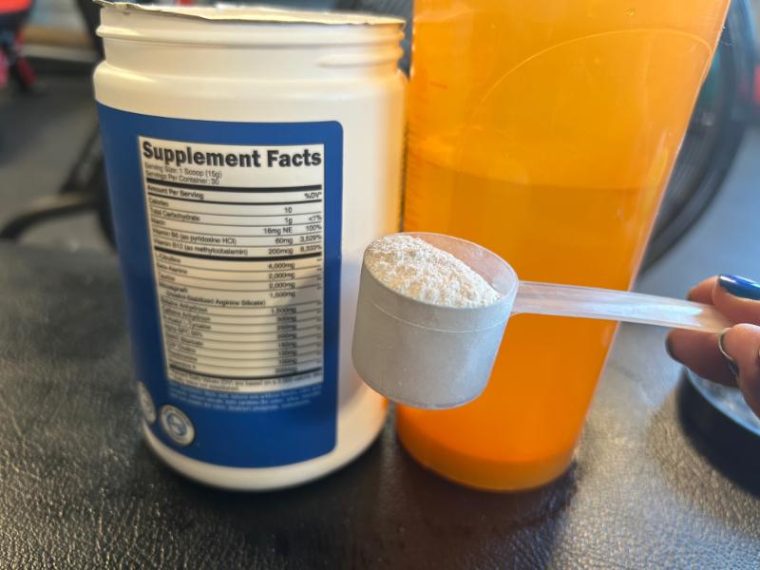
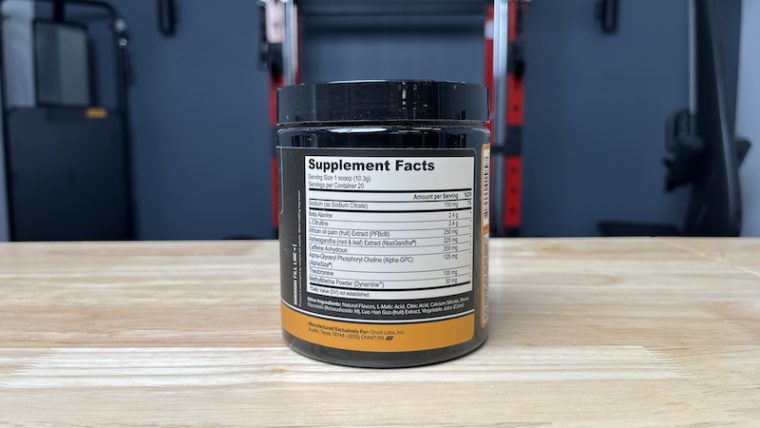
Once your foundational pillars are solid, strategically chosen supplements can act as catalysts, providing an extra edge. However, it’s crucial to approach supplements with an informed perspective, understanding what each ingredient does and how it supports your goals, rather than blindly following trends. Remember, supplements aid your performance; they don’t replace hard work or a solid nutrition plan.
Energy and Focus Enhancers
These ingredients are designed to give you that immediate "kick" and mental clarity.
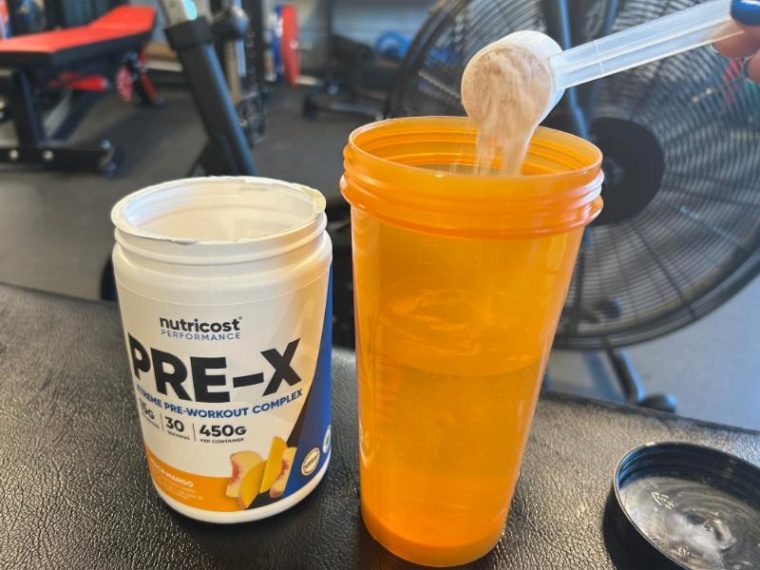
- Caffeine:
- Mechanism: A central nervous system stimulant, caffeine blocks adenosine receptors, reducing the perception of fatigue and increasing alertness. It can also enhance fat oxidation.
- Benefits: Increased energy, improved focus, enhanced endurance, and potentially greater strength output.
- Dosage Considerations: Research suggests effective doses range from 3-6 mg per kg of body weight. For most individuals, 150-300mg is a common and effective dose.
- Tolerance and Timing: Caffeine tolerance varies widely. Start with a low dose to assess your reaction. Avoid caffeine too close to bedtime (typically 6-8 hours) to prevent sleep disturbances.
- Actionable Advice: If you’re sensitive to caffeine, opt for lower doses or stimulant-free alternatives. Monitor your total daily caffeine intake from all sources (coffee, tea, soda) to avoid exceeding safe limits (generally 400mg per day for healthy adults).
- L-Theanine:
- Mechanism: An amino acid found in green tea, L-Theanine promotes relaxation without sedation and can cross the blood-brain barrier.
- Benefits: When combined with caffeine, L-Theanine can create a "smooth" energy, reducing jitters, anxiety, and the post-caffeine crash, while enhancing focus and cognitive performance.
- Actionable Advice: Look for pre-workouts that combine caffeine with L-Theanine, often in a 1:1 or 2:1 caffeine to L-Theanine ratio, for a more balanced stimulatory effect.
- Tyrosine / Alpha-GPC:
- Mechanism: Tyrosine is an amino acid precursor to neurotransmitters like dopamine and norepinephrine, important for mood and focus. Alpha-GPC is a choline compound that can increase acetylcholine, a neurotransmitter crucial for learning and memory.
- Benefits: Enhanced mental focus, improved cognitive function, and better reaction time, especially under stress or fatigue.
- Actionable Advice: If mental clarity and "getting in the zone" are primary goals, look for these nootropic ingredients.
Strength and Endurance Boosters
These ingredients work to directly enhance your physical capacity, allowing for more reps, heavier lifts, or sustained effort.
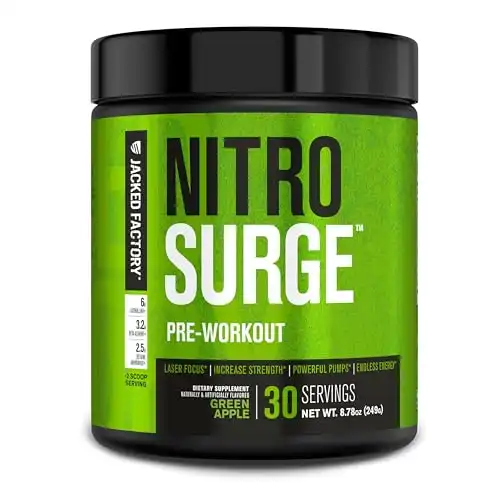
- Creatine Monohydrate:
- Mechanism: Creatine helps regenerate ATP, providing quick bursts of energy for high-intensity, short-duration activities. It also draws water into muscle cells, aiding in muscle protein synthesis.
- Benefits: Increased strength, power output, muscle mass, and improved recovery between sets. It’s one of the most well-researched and effective supplements.
- Dosage & Loading: Typically 3-5g per day. A loading phase (20g/day for 5-7 days) can saturate muscle stores faster, but consistent daily intake without a loading phase is also effective over time.
- Actionable Advice: Creatine is best taken daily, regardless of workout timing, as its benefits are cumulative. You can take it pre-workout, post-workout, or any time of day.
- Beta-Alanine:
- Mechanism: This amino acid increases muscle carnosine levels, which acts as a buffer against lactic acid buildup during intense exercise.
- Benefits: Delays muscle fatigue, allowing you to perform more reps or sustain high-intensity efforts for longer.
- Paresthesia: Beta-alanine is known for causing a harmless tingling sensation (paresthesia) in the skin. This is normal and indicates the ingredient is active.
- Dosage: 3.2-6.4g per day, often split into smaller doses to mitigate paresthesia.
- Actionable Advice: If the tingling is too intense, try splitting your dose or opting for a sustained-release form. Like creatine, its benefits are cumulative, so consistent daily intake is key.
- Betaine Anhydrous (Trimethylglycine – TMG):
- Mechanism: Betaine is involved in cellular hydration and methylation processes, which can support muscle power and protein synthesis.
- Benefits: May improve muscular endurance, power output, and strength, especially in resistance training.
- Dosage: Research-backed doses are typically 2.5g per day.
- Actionable Advice: Look for this ingredient if your primary goal is to enhance power and muscular endurance during your lifts.
- L-Citrulline / Citrulline Malate:
- Mechanism: L-Citrulline is converted to L-Arginine in the body, which then increases nitric oxide (NO) production. NO relaxes blood vessels, leading to increased blood flow. Citrulline malate is L-Citrulline bound to malic acid, which may enhance energy production.
- Benefits: Improved "muscle pump" (due to increased blood flow), enhanced nutrient delivery to muscles, reduced muscle soreness, and improved exercise performance (especially for high-rep sets).
- Dosage: Pure L-Citrulline: 6-8g. Citrulline Malate (2:1 ratio): 8-12g.
- Actionable Advice: If you enjoy the feeling of a "pump" and want to maximize blood flow and nutrient delivery to working muscles, L-Citrulline is a top ingredient to look for.
Other Beneficial Ingredients (Briefly)
- Electrolytes: Beyond hydration, minerals like sodium, potassium, and magnesium are crucial for nerve impulses and muscle contractions. Important for longer or sweat-heavy sessions.
- BCAAs (Branched-Chain Amino Acids): While vital for muscle protein synthesis, their role as a pre-workout component for preventing muscle breakdown is more relevant if you’re training in a fasted state or on a very low-calorie diet. Otherwise, a sufficient daily protein intake covers your BCAA needs.
- Adaptogens (e.g., Ashwagandha): While not direct performance enhancers in the immediate sense, adaptogens can help the body manage stress and optimize hormone levels over time, indirectly supporting recovery and mental resilience for training.
Navigating Supplement Choices and Safety
The supplement industry is vast and largely unregulated. Making informed choices is paramount.
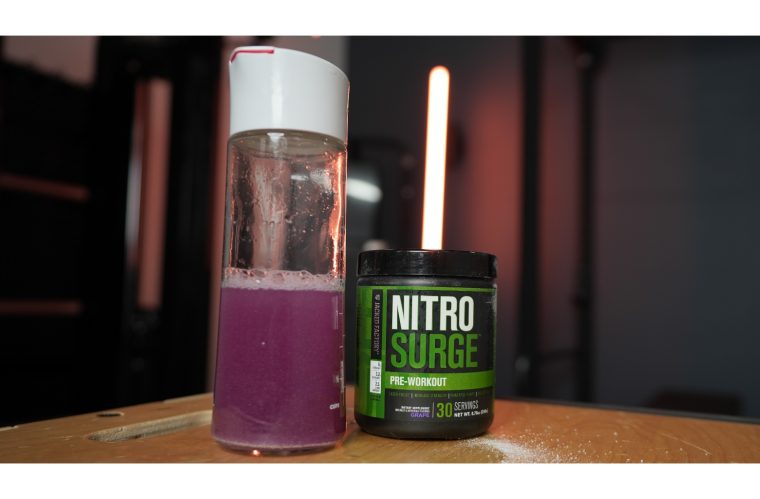
- Third-Party Testing: Always prioritize products that undergo third-party testing. Certifications from organizations like Informed Sport, NSF Certified for Sport, or USP verify that products contain what they claim and are free from banned substances or harmful contaminants. This is especially critical for competitive athletes.
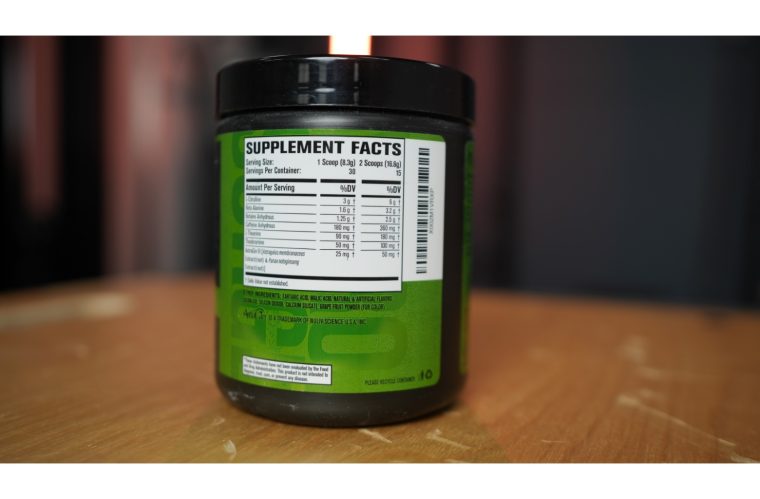
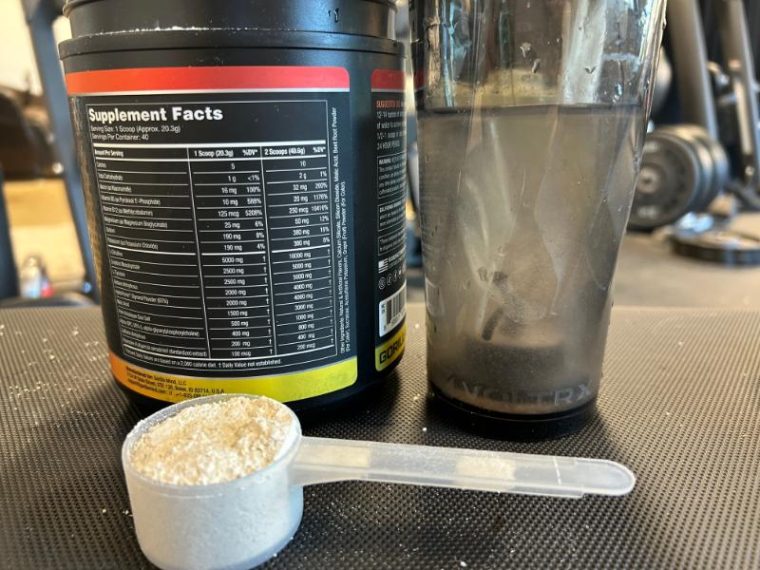
- Avoiding Proprietary Blends: Steer clear of "proprietary blends" where individual ingredient dosages are not disclosed. You deserve to know exactly what and how much you’re consuming. Transparency is key.
- Understanding Individual Tolerance: Your body is unique. What works for one person may not work for another. Always start with the lowest recommended dose of any new supplement to assess your tolerance before increasing.
- Consulting a Professional: If you have underlying health conditions, are pregnant or breastfeeding, or are taking medications, always consult your doctor or a registered dietitian before introducing any new supplement.
Crafting Your Personalized Pre-Workout Routine
A successful pre-workout strategy isn’t a one-size-fits-all formula. It’s a dynamic process that you tailor to your body, your goals, and your daily schedule.
Timing is Everything
The "when" of your pre-workout fuel and supplements is as important as the "what."
- Meals: Aim for a solid meal 2-3 hours before your workout. This provides ample time for digestion and nutrient absorption. If you have less time (30-60 minutes), opt for a smaller, easily digestible snack rich in simple carbohydrates.
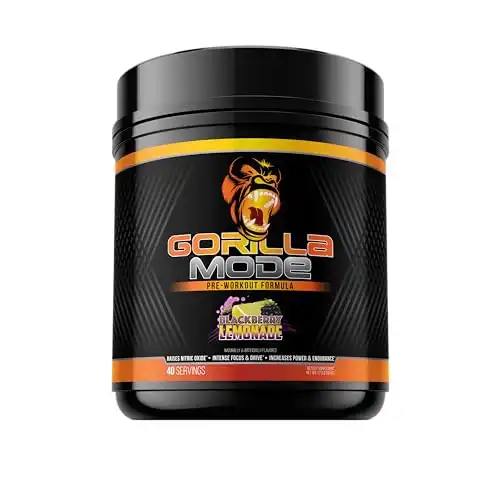
- Supplements: Most stimulant-based pre-workouts are best taken 20-30 minutes before your session to allow ingredients like caffeine to kick in. Non-stimulant ingredients like creatine and beta-alanine are cumulative and can be taken at any time of day, though many prefer them pre-workout for convenience.
- Mental Preparation: Don’t underestimate the power of mental readiness. Use the 10-15 minutes before your workout to mentally review your plan, visualize success, and get "in the zone." This could involve listening to motivating music, deep breathing, or a quick meditation.
Listen to Your Body
This is perhaps the most crucial advice for any fitness enthusiast.
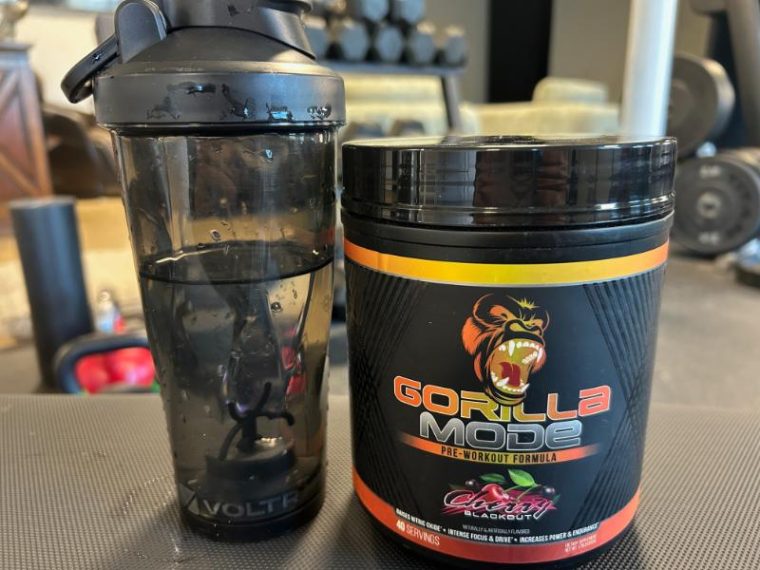
- Start Low, Go Slow: When introducing a new supplement or adjusting your intake, always start with half a dose or the lowest recommended amount. Observe how your body responds.
- Monitor Effects: Pay attention to your energy levels, focus, endurance, and any unusual sensations (beyond the expected beta-alanine tingles). Are you jittery? Does your stomach feel off? Are you crashing hard post-workout?
- Adjust as Needed: If a supplement makes you feel overly anxious, causes digestive upset, or interferes with your sleep, it’s not the right fit, regardless of its popularity. Don’t be afraid to reduce the dose, try a different product, or remove it entirely. Your well-being comes first.
The Role of Warm-ups and Dynamic Stretching
Physical preparation is the immediate precursor to a great workout.
- Purpose of Warm-ups: A proper warm-up increases blood flow to muscles, elevates core body temperature, and prepares your joints for movement. It also primes your nervous system.
- Dynamic Stretching: Incorporate dynamic stretches (leg swings, arm circles, torso twists) that mimic the movements you’ll perform in your workout. Avoid static stretching before lifting, as it can temporarily reduce power output.
- Actionable Advice: Dedicate 5-10 minutes to a light cardio warm-up followed by dynamic stretches. This not only prevents injury but also enhances your mental readiness, connecting mind and body before the main event.
Real-Life Examples and Scenarios
- The Morning Lifter (5 AM Workout): Wakes up, quickly drinks a glass of water, maybe a banana. Takes a moderate-stim pre-workout (e.g., 200mg caffeine + L-Theanine) on an empty stomach (if tolerated) or with the banana. Focuses on a dynamic warm-up and mental visualization before hitting the weights.
- The Evening Lifter (6 PM Workout): Has a balanced lunch and a mid-afternoon snack (e.g., Greek yogurt and berries) 2-3 hours before training. Opts for a stimulant-free pre-workout or a low-stim option (if sleep isn’t affected) about 30 minutes prior. Prioritizes hydration throughout the workday.
- The Endurance Athlete (Long Run/Ride): Focuses on consuming complex carbohydrates in the hours leading up to the session. May use a pre-workout with lower caffeine but higher electrolyte content and L-Citrulline for sustained blood flow and energy. Ensures continuous hydration with electrolyte drinks during the activity.
Beyond the Gym: Lifestyle Factors for Sustained Performance
Your performance in the gym is a reflection of your lifestyle outside of it. True mastery of your pre-workout strategy extends to consistent habits that foster long-term progress.
Stress Management
Chronic stress can sabotage your fitness goals by elevating cortisol, a hormone that can hinder recovery, increase fat storage, and disrupt sleep.
- Impact: Reduces energy, increases fatigue, impairs muscle repair, and diminishes mental focus.
- Actionable Advice: Integrate stress-reduction techniques into your daily life. This could be mindfulness meditation, spending time in nature, journaling, or engaging in hobbies. A calmer mind is a more focused and resilient body.
Consistent Training & Progressive Overload
No supplement or pre-workout strategy can replace the fundamental principles of training.
- Consistency: Showing up, even on days you don’t feel 100%, builds the discipline necessary for long-term results.
- Progressive Overload: Continuously challenging your body (e.g., lifting heavier, doing more reps, increasing duration) is what forces adaptation and growth.
- Actionable Advice: Have a well-structured training plan that incorporates progressive overload. Track your workouts to ensure you’re consistently pushing your limits in a smart, sustainable way.
Post-Workout Recovery
The work isn’t over when you leave the gym. What you do after your workout directly impacts your ability to perform optimally next time.
- Refueling: Replenish glycogen stores with carbohydrates and provide amino acids for muscle repair with protein. Aim for a meal or shake within an hour or two of finishing.
- Rest: Allow your muscles adequate time to recover before training them intensely again. This includes active recovery (light movement, stretching) and passive recovery (sleep, rest days).
- Actionable Advice: Plan your post-workout nutrition carefully. Prioritize active recovery days to keep blood flowing and aid in muscle repair, and most importantly, respect your rest days.
Conclusion: Your Journey to Unstoppable Workouts
Mastering your pre-workout strategy is an empowering journey of self-discovery and optimization. It’s about recognizing that every element, from the food on your plate to the quality of your sleep, contributes to your performance. While supplements can provide a valuable boost, they are merely tools – the true power lies in your comprehensive approach and unwavering commitment.
You now have a blueprint to move beyond the superficial "buzz" and strategically fuel both your body and mind. Experiment with different nutritional timings, explore the benefits of various ingredients, and most importantly, listen intently to your body’s signals.
Remember, the goal isn’t just to have one great workout; it’s to cultivate a sustainable path to consistent, high-level performance. Embrace the process, be patient with yourself, and celebrate every small victory. With a well-informed and personalized pre-workout strategy, you’re not just preparing for a workout – you’re preparing to become the strongest, most resilient version of yourself, ready to crush any challenge that comes your way. Get ready to ignite your potential and make every training session count!