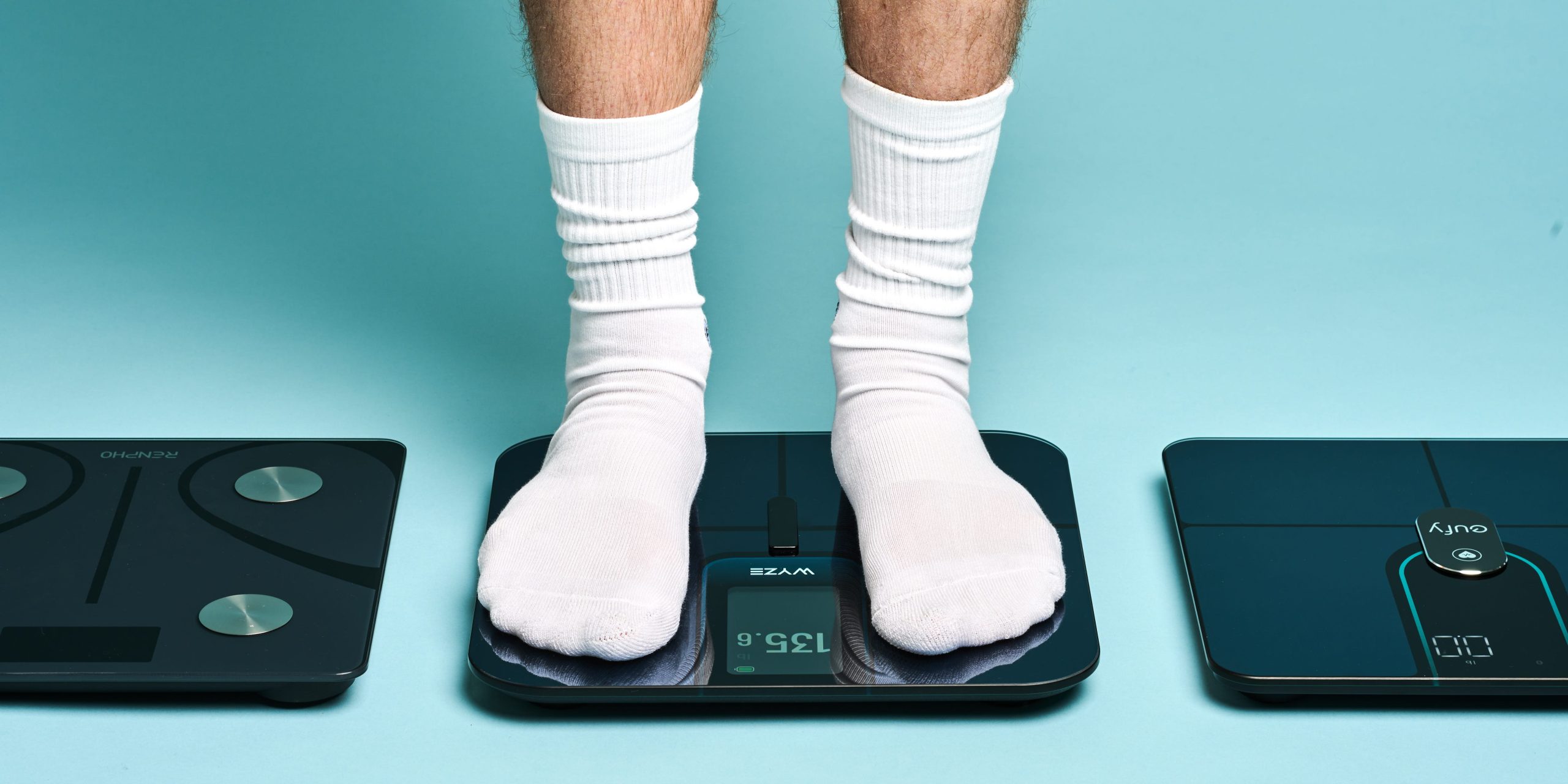
For years, the gospel of weight management has been preached with a simple mantra: "Calories In, Calories Out" (CICO). This seemingly irrefutable equation, powering countless apps and diet plans, suggests that a calorie deficit is the ultimate key to shedding pounds. But what if this ubiquitous approach, amplified by the latest AI-powered tools, is leading us down a path of oversimplification, missing the nuanced symphony of our body’s true metabolic dance?
The digital landscape is teeming with calorie-tracking applications, each promising unparalleled accuracy. From established giants with vast food databases to cutting-edge AI that can identify your meal from a single photo, the technology aims to make meticulous logging effortless. While these tools offer convenience and a sense of control, a growing body of research and expert opinion suggests we might be focusing on the wrong metrics, overlooking crucial factors that truly drive sustainable health and fitness.
The Allure of the Algorithm: AI’s Calorie Conquest
The latest wave of fitness technology is leveraging Artificial Intelligence to tackle the age-old challenge of calorie tracking. Apps like CALAI, founded by a young entrepreneur, boast features that can analyze your food through images, claiming near-perfect accuracy. The idea is simple: by precisely quantifying your caloric intake, you can engineer the necessary deficit to achieve your weight goals.
These advancements aim to overcome the inherent inaccuracies in traditional tracking methods. The FDA itself permits a margin of error of up to 20% on nutrition labels, and studies have shown similar discrepancies in restaurant offerings. When aiming for a precise deficit, these inaccuracies can quickly undermine your efforts, leaving you guessing and potentially missing your target.
The appeal of AI-driven calorie tracking lies in its ability to reduce the friction associated with manual logging. For busy individuals, the prospect of simply snapping a picture and having the calories automatically calculated is incredibly enticing. It promises to make the often tedious process of diet management more streamlined and accessible.
The "Health Score" Phenomenon
Beyond just calorie counts, some apps are introducing broader "Health Score" metrics. While these aim to provide a more holistic view of a food’s nutritional value, their primary focus often remains on the caloric impact. The underlying assumption is that by managing calories effectively, you are inherently managing your health.
This approach, while well-intentioned, often overlooks the complex interplay of nutrients and their impact on our bodies. The debate is shifting from simply how many calories you consume, to the quality of those calories and how your body uniquely responds to them.
The Cracks in the CICO Code: Why It’s Not So Simple
Despite the technological advancements, a growing chorus of researchers and fitness professionals are questioning the absolute primacy of CICO. While the fundamental physics of energy balance hold true – consuming fewer calories than you expend will, in theory, lead to weight loss – the practical application is far more intricate.
The Unseen Accounting of the Body
Herman Pontzer, PhD, a leading voice in calorie science, has conducted groundbreaking research that challenges the notion that increased exercise dramatically boosts daily calorie expenditure. His studies, examining hunter-gatherer populations and modern sedentary individuals, revealed that despite significant activity levels, hunter-gatherers did not burn significantly more calories daily than their less active modern counterparts.
Pontzer’s findings suggest a fascinating biological adaptation: the body is a remarkably efficient system. When you expend more energy through exercise, your body may compensate by reducing energy expenditure in other non-essential functions, such as immunity or hormonal regulation. The net result can be a much smaller increase in total daily energy expenditure than anticipated, making exercise a less potent lever for weight loss than diet alone.
This doesn’t diminish the importance of exercise – its benefits for strength, mood, disease prevention, and overall health are undeniable. However, for the specific goal of weight loss, the impact of diet appears to be far more significant.
The Imprecision of Measurement
Adding to the complexity, the tools we use to measure both "calories in" and "calories out" are inherently imprecise.
- Nutrition Labels: As mentioned, the FDA allows for significant margins of error on food labels.
- Restaurant Menus: Studies have confirmed that calorie counts provided for restaurant meals can also be inaccurate.
- Wearable Technology: Fitness trackers and cardio machines, while popular, often overestimate calorie burn. Research indicates inaccuracies ranging from 100 calories per half hour on ellipticals to around 20% for many wearables, including smartwatches.
When your target is a precise calorie deficit, and your measuring tools have a built-in error margin, the accuracy of your tracking becomes questionable. You might believe you’re in a deficit when, in reality, you’re closer to maintenance or even a surplus.

The "Average Person" Problem
Mike T. Nelson, PhD, an exercise physiologist, likens the simplistic advice of "just move more and eat less" to telling a depressed person to "just have a nice day." For the average individual, the commitment and precision required for accurate calorie counting and expenditure tracking are simply not realistic. The skillset and dedication needed are often found only in individuals preparing for elite athletic competitions.
This is where the convenience of AI tools shines. They aim to bridge this gap by simplifying the logging process. However, even with more accurate logging, the fundamental challenge of understanding and accurately measuring "calories out" remains.
Beyond the Calorie: The Power of Quality and Habit
If CICO is not the whole story, what is? Experts are increasingly pointing towards a more nuanced approach that emphasizes the quality of our food and the establishment of sustainable habits.
The Protein Advantage
Stuart Phillips, PhD, a leading researcher in kinesiology, highlights that "protein calories are not metabolically equivalent to carbohydrate or fat calories." This means your body processes and utilizes protein differently.
- Thermic Effect: Protein has a higher thermic effect, meaning your body expends more energy to digest it compared to carbohydrates and fats.
- Satiety: Protein is highly satiating, helping you feel fuller for longer, which can naturally lead to reduced overall calorie intake and fewer cravings.
- Muscle Building: Protein is crucial for muscle repair and growth, and muscle tissue is metabolically active, contributing to your resting metabolic rate.
Studies have shown that consuming higher amounts of protein, even if it increases total caloric intake, does not necessarily lead to the weight gain predicted by CICO. In some cases, increased protein intake has been associated with unchanged body weight or even enhanced fat loss, likely due to its impact on satiety and metabolism.
Building Sustainable Habits
Instead of fixating on precise calorie counts, many successful fitness professionals advocate for focusing on building healthier eating habits:
- Prioritize Whole Foods: Emphasize fruits, vegetables, lean proteins, and whole grains.
- Limit Ultra-Processed Foods: These foods are often calorie-dense, nutrient-poor, and can be less satiating.
- Mindful Eating: Pay attention to hunger and fullness cues. Eat slowly and savor your meals.
- Hydration: Adequate water intake is crucial for metabolism and can help manage appetite.
Nelson emphasizes that for most clients, he doesn’t have them count calories. Instead, he guides them in making better food choices. This approach often leads to weight loss as a natural consequence of improved dietary patterns.
The Awareness Factor: A Hidden Benefit of Tracking
While the ultimate accuracy of calorie counting might be debated, the act of tracking itself can offer significant benefits, particularly for those new to the fitness journey.
- Increased Awareness: Logging your food forces you to pause and consider what you’re eating, fostering a greater awareness of your dietary choices.
- Identifying Triggers: Tracking can help you identify patterns and triggers for overeating, such as emotional eating due to boredom or stress.
- Behavioral Change: The act of logging can act as a self-monitoring tool, encouraging more conscious decision-making around food.
For beginners, the initial awareness gained from using calorie-tracking apps, even with their inherent inaccuracies, can be a powerful catalyst for positive change. This awareness might be more impactful than the precise calorie count itself.
Your Fitness Journey: Beyond the Numbers
The advancements in AI-powered calorie tracking are impressive, offering a convenient way to engage with your diet. However, it’s crucial to remember that they are tools, not magic bullets. The journey to sustainable health and fitness is a multifaceted one, and focusing solely on the numbers might lead you astray.
Consider this:
- Focus on Food Quality: Prioritize nutrient-dense foods that nourish your body and keep you feeling satisfied. Think vibrant vegetables, lean proteins, and healthy fats.
- Embrace Movement: While exercise might not be the primary driver of weight loss for everyone, its benefits for mental health, strength, and overall well-being are paramount. Find activities you enjoy and make them a consistent part of your routine.
- Listen to Your Body: Develop a deeper connection with your body’s signals. Learn to distinguish between true hunger and emotional cravings.
- Seek Sustainable Habits: Aim for small, consistent changes that you can maintain long-term, rather than drastic, short-lived diets.
The pursuit of a healthier lifestyle is not about achieving perfect calorie accuracy. It’s about cultivating a mindful relationship with food, embracing movement, and building habits that support your overall well-being. While AI can offer a helpful starting point, remember that the most powerful tool for your fitness success lies within you – your awareness, your choices, and your commitment to a holistic approach. The true calorie-tracking code isn’t just in the numbers; it’s in understanding how your body thrives.