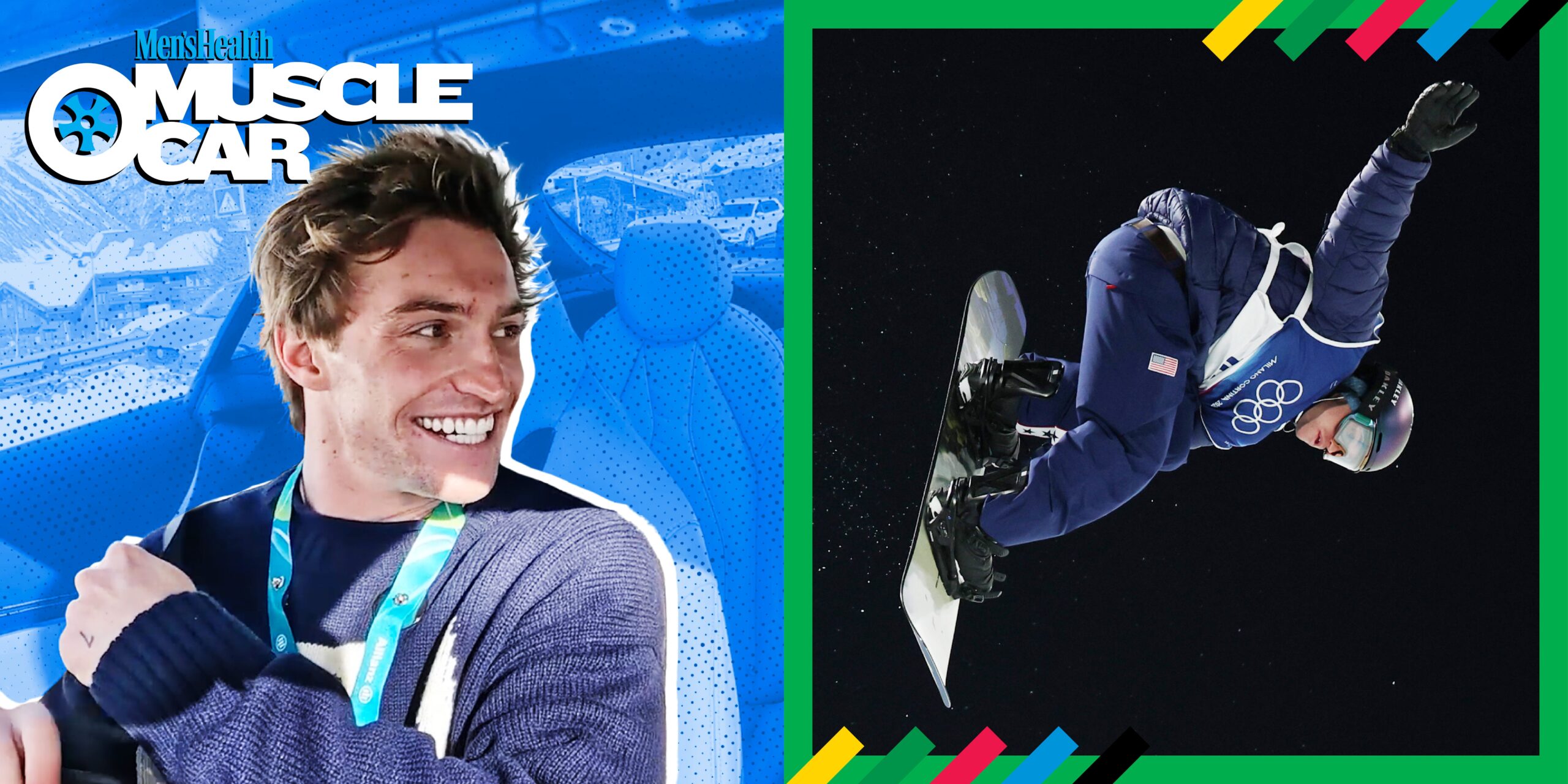
The roar of the crowd, the blinding white of the snow, the adrenaline rush as you launch yourself into the air – these are the hallmarks of professional snowboarding. But beneath the gravity-defying jumps and fluid turns lies a foundation of rigorous training, a commitment to physical mastery that extends far beyond the slopes. For Olympic hopeful Jake Pates, preparing for the 2026 Milano-Cortina Games involves a surprising secret weapon: the subtle, yet powerful, practice of "sneaky" Pilates, combined with a deep appreciation for fundamental bodyweight strength.
While many might associate peak athletic performance with heavy lifting and high-intensity cardio, Pates reveals a more nuanced approach. His journey, marked by an early Olympic debut, a challenging recovery from a concussion, and a return to elite competition, underscores the importance of a well-rounded training regimen. And for Pates, that regimen includes a strategic integration of exercises that build core strength, improve balance, and enhance proprioception – all crucial for navigating the icy confines of a halfpipe.
The Foundation: Understanding the Demands of the Halfpipe
Before diving into Pates’s specific training methods, it’s essential to grasp what makes halfpipe snowboarding such a demanding sport. As Pates himself describes it, it’s about strapping into a board and descending a steep, icy channel. The metal edges of the snowboard act like skate blades, gripping the ice to propel the athlete upwards for their aerial maneuvers. The goal? To execute ambitious, visually impressive tricks that capture the judges’ attention and, as Pates humorously adds, "impress your friends. And your girlfriends, if they’re there."
This explosive, dynamic sport requires a unique blend of:
- Lower Body Power: Generating speed and launching into the air relies heavily on the strength of the glutes and quadriceps.
- Core Stability: Maintaining balance through complex rotations and landings demands an incredibly strong and responsive core.
- Proprioception and Balance: The ability to sense the body’s position in space and react instantly to changes in terrain or momentum is paramount.
- Agility and Coordination: Seamlessly linking movements, from edge control to aerial tricks, requires exceptional coordination.
- Resilience: The inherent risks of the sport necessitate a body that can withstand impacts and recover quickly.
The Unexpected Powerhouse: "Sneaky" Pilates for Snowboarders
When asked about his training, Pates’s answer might raise an eyebrow: "Honestly, Pilates. I watch a lot of Pilates videos. Yeah, I haven’t been at any Pilates classes, but I’ll do sneaky Pilates on my own." This "sneaky Pilates" isn’t about formal studio sessions; it’s about integrating the core principles and exercises of Pilates into his everyday routine, often when no one is watching.
Why Pilates for a snowboarder? The answer lies in its profound impact on the body’s stabilizing muscles and its emphasis on controlled movement.
What is Pilates, Really?
At its heart, Pilates is a method of exercise developed by Joseph Pilates that focuses on strengthening the core muscles (the deep abdominal muscles, pelvic floor, and back muscles) while improving posture, flexibility, and overall body awareness. It’s not about brute force, but about precision, control, and mindful movement.
The Snowboarder’s Advantage with Pilates:
-
Unrivaled Core Strength: Pilates is renowned for its ability to build a powerful, integrated core. For a snowboarder, this translates to:
- Enhanced Stability: A strong core acts as a rigid platform, allowing for greater control over the board during high-speed maneuvers and landings.
- Improved Power Transfer: A stable core efficiently transfers force from the lower body to the upper body, and vice versa, leading to more powerful jumps and smoother transitions.
- Injury Prevention: A robust core helps to protect the spine and reduce the risk of lower back injuries, a common concern for athletes in high-impact sports.
-
Superior Balance and Proprioception: Many Pilates exercises challenge balance and require precise muscle engagement. This directly benefits snowboarders by:

- Sharpening Body Awareness: Athletes become more attuned to their body’s position on the board, allowing for quicker adjustments and corrections.
- Improving Reactive Balance: The ability to quickly regain balance after an unexpected bump or shift in weight is crucial on the unpredictable terrain of a halfpipe.
- Refining Agility: Enhanced proprioception contributes to more fluid and agile movements.
-
Increased Flexibility and Mobility: While not solely a flexibility program, Pilates movements often promote a greater range of motion in the hips, spine, and shoulders. For Pates, this means:
- Greater Freedom of Movement: Increased flexibility allows for more dynamic and expressive trick execution.
- Reduced Muscle Tightness: Regular Pilates can help alleviate the muscle tightness that can arise from repetitive training and cold-weather exposure.
Integrating "Sneaky" Pilates into Your Routine:
Pates’s approach is a testament to the fact that you don’t need a dedicated Pilates studio to reap its benefits. Here’s how you can incorporate "sneaky" Pilates into your own fitness journey:
-
Focus on the Fundamentals:
- The Hundred: A classic Pilates exercise that warms up the body and engages the deep abdominal muscles. Imagine pumping your arms vigorously while keeping your core engaged and legs lifted.
- Roll-Up: This exercise strengthens the abdominals while promoting spinal articulation and flexibility.
- Single Leg Stretch & Double Leg Stretch: These movements target the abdominal muscles while demanding coordination and control.
- Plank Variations: Pilates emphasizes proper plank form, focusing on a straight line from head to heels and deep core engagement.
-
Mindful Movement: The key to Pilates is not just performing the movements, but doing them with intention and control. Focus on:
- Breathing: Deep, diaphragmatic breathing is integral to Pilates, helping to activate the core and promote relaxation.
- Core Engagement: Constantly think about drawing your navel towards your spine.
- Precision: Focus on the quality of each movement, rather than the quantity.
-
Incorporate into Warm-ups or Cool-downs: A few targeted Pilates exercises can be a fantastic addition to your pre-workout warm-up to activate your core or to your cool-down to promote recovery and flexibility.
-
Utilize Online Resources: Pates watches videos, and you can too! Numerous reputable online platforms offer free and paid Pilates workouts suitable for all levels.
The Foundation of Strength: Bodyweight Dominance
While Pilates provides the crucial stabilizing element, Pates also emphasizes a strong foundation of bodyweight exercises. This aligns perfectly with the demands of snowboarding, where explosive power and controlled movements are key.
Why Bodyweight Training is King for Snowboarders:
- Functional Strength: Bodyweight exercises mimic natural human movements, building strength that directly translates to athletic performance. Think about the squatting, jumping, and balancing actions inherent in snowboarding.
- Accessibility: You don’t need a gym membership or specialized equipment. Bodyweight exercises can be done anywhere, anytime, making them ideal for athletes who travel frequently.
- Proprioception and Balance Enhancement: Many bodyweight exercises, especially those involving single-limb work or unstable surfaces, naturally challenge balance and improve body awareness.
- Endurance and Muscular Stamina: Performing multiple repetitions of bodyweight exercises builds muscular endurance, essential for sustained performance on the slopes.
Pates’s Go-To Bodyweight Arsenal:
Pates highlights a preference for "bodyweight exercises. Core stuff, pushups, dips, pullups. No weight included, just bodyweight. That’s my style." This minimalist yet effective approach is highly beneficial.
- Push-ups: A fundamental exercise that strengthens the chest, shoulders, triceps, and core. Variations like decline push-ups or plyometric push-ups can increase the challenge.
- Dips: Targeting the triceps, chest, and shoulders, dips are a powerful upper-body builder.
- Pull-ups: A king of upper-body exercises, pull-ups develop the back, biceps, and forearms, crucial for upper body control and stability.
- Squats (with caution): While Pates admits squatting is a challenge due to hip and lower back issues, he acknowledges its importance. For snowboarders, variations like pistol squats (single-leg squats) or jump squats can be incredibly effective for building explosive lower body power and improving balance.
- Lunges: Excellent for building single-leg strength, balance, and hip mobility – all vital for snowboarding.
- Planks and Core Variations: Beyond Pilates, Pates emphasizes general "core stuff," which can include:
- Crunches and Leg Raises: For direct abdominal engagement.
- Russian Twists: For oblique strength and rotational control.
- Bird-Dog: A fantastic exercise for core stability and spinal alignment.
Actionable Bodyweight Training Tips:
- Master Proper Form: Before increasing reps or difficulty, ensure your form is impeccable. Watch instructional videos and consider seeking guidance from a fitness professional.
- Progress Gradually: Don’t be afraid to start with easier variations. As you get stronger, progressively challenge yourself with more difficult exercises or by increasing reps and sets.
- Listen to Your Body: Pates’s mention of his hip and back issues is a crucial reminder. If an exercise causes pain, modify it or substitute it with another.
- Incorporate Explosive Movements: For snowboarders, incorporating plyometric exercises like jump squats, box jumps, and jump lunges can build the explosive power needed for aerials.
The Glute Connection: The "Booty" Advantage
Pates’s candid admission that "Booty is gonna be the main muscle group that we’re using in halfpipe" is a critical insight. The glutes, often underestimated, play a pivotal role in snowboarding performance.

The Glutes’ Role in Snowboarding:
- Power Generation: Strong glutes are the primary drivers of hip extension, providing the explosive force needed to launch into the air and generate speed.
- Stability and Control: They help to stabilize the pelvis and hips, crucial for maintaining balance and controlling the board during turns and landings.
- Impact Absorption: Well-developed glutes can help absorb impact during landings, reducing stress on the knees and lower back.
Pates’s Go-To for Glute Strength: Glute Bridges
"Glute bridges. Honestly, Pilates." Pates’s straightforward answer points to the effectiveness of this deceptively simple exercise.
- How to Perform a Glute Bridge: Lie on your back with your knees bent and feet flat on the floor, hip-width apart. Engage your glutes and lift your hips off the ground until your body forms a straight line from your shoulders to your knees. Hold for a moment at the top, squeezing your glutes, and then slowly lower back down.
Enhancing Your Glute Training:
-
Progressive Overload: As you get stronger, you can increase the difficulty of glute bridges by:
- Increasing Reps and Sets: Do more repetitions or more sets.
- Adding a Pause: Hold the contraction at the top for a few seconds.
- Single-Leg Glute Bridges: Perform the exercise with one leg extended, significantly increasing the challenge.
- Adding Weight: Once you’ve mastered bodyweight variations, you can place a weight plate or dumbbell across your hips.
-
Combine with Other Glute-Focused Exercises:
- Squats and Lunges: As mentioned earlier, these are excellent compound movements that heavily engage the glutes.
- Deadlifts (with proper form): A powerful exercise for the entire posterior chain, including the glutes and hamstrings.
- Hip Thrusts: Similar to glute bridges but with the upper back elevated, allowing for a greater range of motion and glute activation.
- Clamshells: A great exercise for targeting the gluteus medius, important for hip stability.
Pre-Run Rituals: Warming Up for the Cold
The cold weather presents its own set of challenges for athletes. Pates’s approach to warming up highlights the importance of preparing the body for intense activity in less-than-ideal conditions.
- The Theragun: A percussive therapy device can help to increase blood flow to muscles, reduce stiffness, and improve range of motion.
- Qigong: Pates’s discovery of Qigong, a mind-body practice involving coordinated movement, deep breathing, and meditation, is fascinating. Qigong is known for:
- Improving Circulation: Gentle movements and deep breathing can enhance blood flow, which is crucial for warming up the body in cold environments.
- Enhancing Flexibility and Balance: The flowing movements can improve joint mobility and proprioception.
- Promoting Mental Focus: The meditative aspect of Qigong can help athletes clear their minds and focus on the task ahead.
Incorporating Effective Warm-ups:
- Dynamic Stretching: Instead of static holds, focus on dynamic movements that mimic the actions of snowboarding, such as leg swings, arm circles, torso twists, and controlled lunges.
- Light Cardio: A few minutes of light jogging or jumping jacks can help to elevate your heart rate and warm up your muscles.
- Sport-Specific Movements: Practice some basic snowboarding movements on flat ground to prepare your body for the technical demands of the sport.
- Mindful Breathing: Even without Qigong, focusing on deep, controlled breathing can help to calm the nervous system and prepare you for performance.
Beyond the Physical: Mindset and Nutrition
Pates’s insights extend beyond just the physical. His emphasis on protein, his preference for strength over cardio, and his perspective on sponsorship and competition reveal a well-rounded athlete.
- Nutrition is Fuel: Pates’s focus on protein underscores its importance for muscle repair and growth. For endurance athletes like snowboarders, a balanced diet that includes adequate protein, carbohydrates, and healthy fats is crucial for sustained energy and recovery.
- Strength for Power: His preference for strength training over pure cardio makes sense for a sport that requires explosive power and agility. While cardiovascular fitness is important for overall endurance, strength training builds the muscular capacity needed for the demands of the halfpipe.
- The Mental Game: Pates’s journey, including his recovery from a concussion and advocacy work, highlights the importance of mental fortitude and resilience. The ability to overcome challenges, both physical and mental, is a hallmark of any elite athlete.
- Finding Your "GOAT": His admiration for Ayumu Hirano speaks to the inspiration that can be drawn from observing and learning from the best in the field.
Conclusion: Embrace Your Inner Athlete
Jake Pates’s approach to training offers a valuable lesson for fitness enthusiasts of all levels: peak performance isn’t always about the most extreme or complicated methods. It’s about understanding your body’s needs, finding effective and sustainable ways to train, and embracing a holistic approach that considers both physical and mental well-being.
The "secret" to Pates’s success isn’t a single magic bullet, but a smart, strategic integration of fundamental strength training, the subtle power of Pilates, and a focus on building a resilient and responsive body. So, whether you’re dreaming of Olympic glory or simply aiming to improve your fitness, consider incorporating Pates’s "sneaky" Pilates and bodyweight strength into your routine. You might be surprised at how much power and control you can unlock, one mindful movement at a time. The journey to your best self is built on consistent effort, smart choices, and the courage to explore new and effective ways to move your body. Now go out there and train with intention!