The world of professional sports often feels like a stark, hyper-masculine arena. We’re conditioned to see athletes as titans of strength, driven by primal competition, with little room for vulnerability or nuanced emotion. Then, a show like Heated Rivalry bursts onto the scene, challenging these ingrained perceptions and sparking conversations that extend far beyond the ice. While the title itself might initially raise eyebrows – "Fellas, is it gay to watch a gay hockey show?" – the real question is what profound lessons about connection, courage, and personal growth can be gleaned from such a narrative, regardless of your own background or identity.
This isn’t about the sensationalism, the perceived "shock value," or even the steamy scenes. It’s about the universal human experience of love, longing, and the courage it takes to be truly seen. For fitness enthusiasts, whether you’re just starting your journey or have been pushing your limits for years, the themes explored in Heated Rivalry offer surprisingly relevant insights into building resilience, fostering healthy relationships, and ultimately, becoming a stronger, more well-rounded individual – both physically and mentally.
Understanding the Core: More Than Just a Game
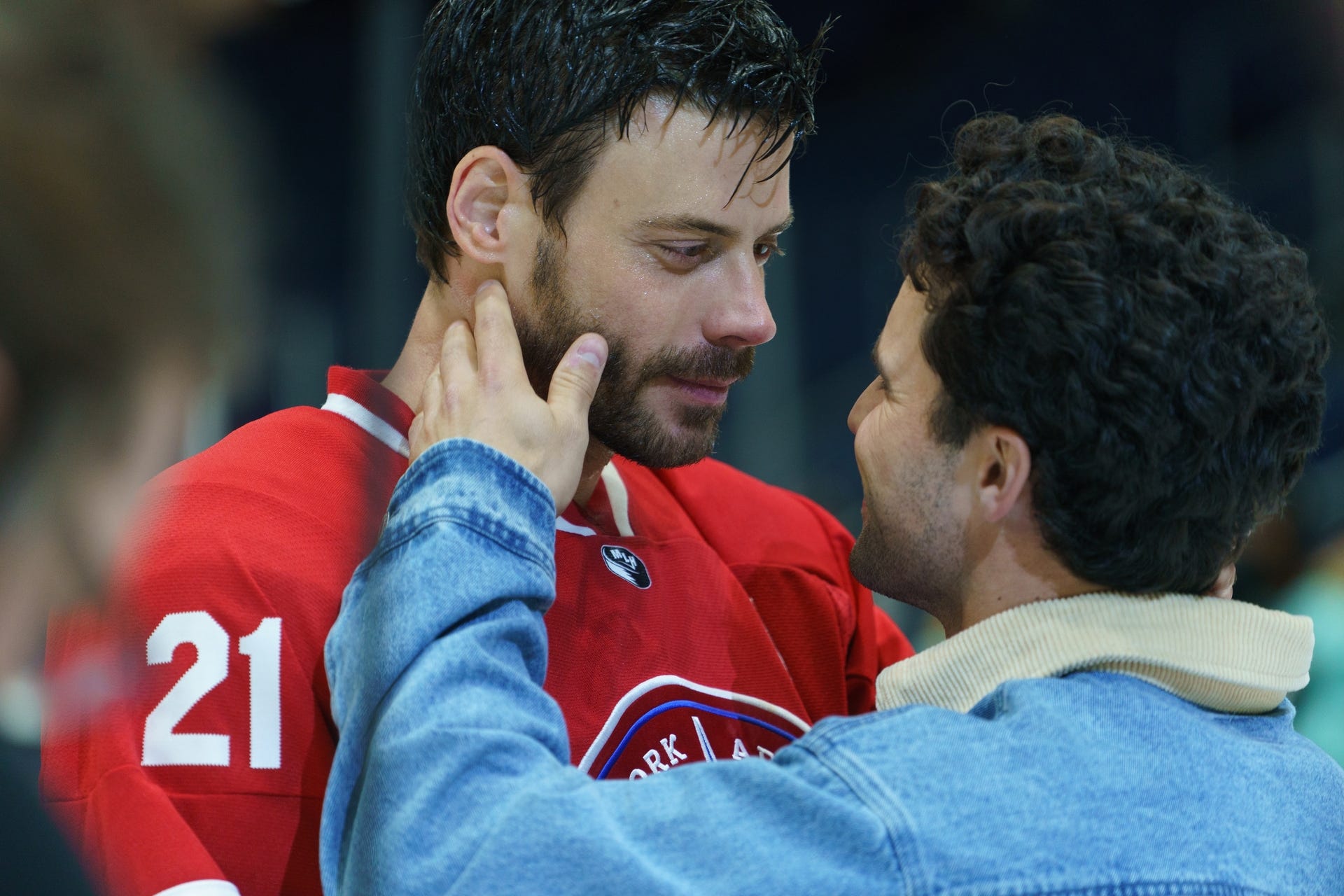
At its heart, Heated Rivalry tells the story of two rival hockey players, Shane and Ilya, whose intense on-ice animosity masks a deep, undeniable connection. But the narrative doesn’t stop there. It delves into the complexities of other relationships, notably that of Scott Hunter, a closeted star player, and Kip, a charming barista. Their journey highlights the internal struggles of authenticity versus societal expectation, and the profound impact of genuine connection on personal bravery.
Scott’s fear of jeopardizing his career by revealing his true self stands in contrast to Kip’s secure identity, where love doesn’t require self-diminishment. This dynamic isn’t exclusive to the LGBTQ+ community; it mirrors the universal challenge of balancing personal truth with external pressures, a struggle many men face in various aspects of their lives, including their fitness journeys.

The Power of Vulnerability: Building a Stronger You
For men, particularly those involved in physically demanding activities, vulnerability can often be perceived as weakness. We’re taught to "push through," to "man up," and to suppress emotions that might be seen as a chink in the armor. However, the characters in Heated Rivalry demonstrate that true strength often lies in the ability to be open and honest, both with oneself and with others.
- Embracing Your Truth: Scott’s internal conflict is a powerful metaphor for anyone holding back a significant part of themselves, whether it’s a passion, a fear, or an identity. In fitness, this can translate to admitting when you’re struggling with a workout, asking for help with proper form, or acknowledging that you need rest. Suppressing these needs only hinders progress and can lead to burnout or injury.
- The Courage to Show Up: Kip’s unwavering support for Scott, even when faced with Scott’s hesitations, illustrates the importance of showing up for yourself and for the people you care about. In your fitness journey, this means showing up for your scheduled workouts, even when motivation is low. It means being there for your workout buddies, offering encouragement and support.
- The Strength in Connection: The show emphasizes how relationships can provide the foundation for personal growth. Kip’s kindness and belief in Scott ultimately give him the courage to be authentic. Similarly, strong support systems – whether friends, family, or a fitness community – can provide the encouragement and accountability needed to overcome challenges and achieve goals.
Practical Application: Integrating These Lessons into Your Fitness Routine
The insights from Heated Rivalry are not just abstract concepts; they can be directly applied to your fitness journey, helping you build not only a stronger body but also a more resilient and authentic self.
H2: Redefining Strength: Beyond the Physical
We often equate strength solely with brute force, muscular definition, and the ability to lift heavy weights. While these are undoubtedly important aspects of physical fitness, the show reminds us that true strength is multifaceted.
- Mental Fortitude: The courage it takes for Scott to consider coming out is a testament to immense mental strength. In your fitness, this translates to the discipline required to stick to a plan, the resilience to bounce back from setbacks, and the mental toughness to push your limits safely.
- Actionable Tip: When facing a challenging workout, instead of focusing on the physical discomfort, reframe it as an opportunity to build mental toughness. Remind yourself of your "why" – the reasons you started this journey – and visualize yourself overcoming the obstacle.
- Emotional Intelligence: Kip’s ability to navigate his relationship with Scott, understanding his fears and offering patient support, speaks to a high degree of emotional intelligence. In fitness, this means being attuned to your body’s signals – knowing when to push harder and when to rest, understanding the difference between discomfort and pain.
- Actionable Tip: Practice mindfulness during your workouts. Pay attention to how your body feels, not just physically but also mentally. Are you feeling stressed? Overwhelmed? Acknowledging these feelings can help you adjust your approach and prevent overtraining.
- Authenticity in Effort: Just as Scott grapples with presenting an inauthentic version of himself, many individuals in fitness struggle with comparing themselves to others or trying to emulate unrealistic ideals. True progress comes from being authentic to your own capabilities and goals.
- Actionable Tip: Focus on your personal bests. Instead of obsessing over what others are doing, track your own progress. Celebrate small victories and acknowledge how far you’ve come, regardless of external benchmarks.
H3: Building Your Support Network: The Power of Connection
The show highlights how crucial supportive relationships are for personal growth and courage. This is incredibly relevant to fitness.

- Finding Your Tribe: Just as Kip offers Scott a safe space, a fitness community can provide invaluable support. Whether it’s a gym buddy, a training group, or an online forum, having people who understand your challenges and celebrate your successes can make a world of difference.
- Actionable Tip: Join a fitness class, find a workout partner, or participate in online fitness challenges. Share your goals and struggles with others who are on a similar path. The shared experience can foster accountability and motivation.
- The Role of Friends and Mentors: Robbie G.K. emphasizes the importance of having a good mix of friends, both male and female. In fitness, this translates to seeking advice from experienced individuals, whether they are trainers, coaches, or seasoned athletes.
- Actionable Tip: Don’t be afraid to ask for guidance. If you’re unsure about an exercise, a nutrition plan, or how to overcome a plateau, reach out to someone you trust for advice. Learning from others’ experiences can accelerate your progress and prevent mistakes.
- Communicating Your Needs: Kip’s clear communication with Scott, and the show’s exploration of different communication styles in relationships, underscores the importance of open dialogue. In fitness, this means communicating your limitations to your trainer or workout partners, and being honest about your progress and any obstacles you’re facing.
- Actionable Tip: Schedule regular check-ins with yourself or your training partners. Discuss how your workouts are feeling, any discomfort you’re experiencing, and what adjustments might be needed.
H3: Navigating Boundaries and Consent in Fitness
The show touches upon the importance of consent and clear communication in intimate relationships. This principle extends to the physical realm of fitness, where understanding and respecting boundaries are paramount.
- Respecting Your Body’s Signals: Just as Kip and Scott navigate their connection with clear communication, you must also be attuned to your body’s signals during exercise. Pushing past true pain is not a sign of strength; it’s a recipe for injury.
- Actionable Tip: Learn to differentiate between muscle fatigue and sharp, persistent pain. If you experience the latter, stop the exercise immediately and consult a healthcare professional or physical therapist.
- Verbal and Non-Verbal Consent in Training: If you train with others, ensure that any physical adjustments or spotting are done with clear verbal agreement. This applies to both partners in a training relationship and to instructors guiding clients.
- Actionable Tip: Before any physical contact during a workout (e.g., spotting, adjustments), always ask for verbal confirmation. "Is this okay?" or "Let me know if I’m pushing too hard" are simple phrases that ensure mutual respect and safety.
- Ethical Training Practices: For those who work with clients, understanding and upholding ethical boundaries, including informed consent for all training activities, is non-negotiable. This builds trust and ensures a safe and effective training environment.
H3: The Long Game: Patience and Self-Acceptance
Scott’s struggle with his identity and the journey he undertakes highlights the importance of patience and self-acceptance. This is a crucial lesson for any fitness enthusiast.
- The Marathon, Not a Sprint: Fitness goals are rarely achieved overnight. Like Scott’s journey to embracing his true self, progress in fitness is often a gradual process. There will be plateaus, setbacks, and moments of doubt.
- Actionable Tip: Set realistic short-term and long-term goals. Break down larger objectives into smaller, manageable steps. Celebrate the completion of each step to maintain momentum and motivation.
- Embracing Imperfection: Scott’s fear of not being "enough" for the hockey world is a sentiment many experience in their fitness journeys. It’s important to remember that perfection is an illusion. Focus on consistent effort and progress rather than an unattainable ideal.
- Actionable Tip: Practice self-compassion. If you miss a workout or have a less-than-ideal meal, don’t dwell on it. Acknowledge it, learn from it, and get back on track with your next opportunity.
- The Reward of Authenticity: Kip’s secure sense of self is a testament to the freedom and joy that comes from living authentically. In fitness, this means finding a training style and approach that genuinely resonates with you, rather than forcing yourself into something that doesn’t feel right.
- Actionable Tip: Experiment with different types of exercise to find what you truly enjoy. If you hate running, don’t force yourself to run marathons. Explore other activities like cycling, swimming, dancing, or strength training until you find your niche.
Conclusion: Finding Your Own "Heated Rivalry" Moment
The surprising resonance of a show like Heated Rivalry with a broad audience, including straight men, speaks volumes. It underscores a fundamental truth: the human desire for connection, understanding, and the courage to be oneself is universal. The "rivalry" isn’t just on the ice; it’s the internal struggle between who we are expected to be and who we truly are.
For you, the fitness enthusiast, your "heated rivalry" might be the internal battle against complacency, the struggle to overcome a perceived physical limitation, or the challenge of integrating a healthy lifestyle into a demanding life. The lessons from this hockey romance offer a powerful framework: embrace vulnerability, build a strong support system, communicate your needs, respect boundaries, and cultivate patience with yourself.

By understanding that true strength is a blend of physical prowess, mental resilience, and emotional openness, you can approach your fitness journey with a renewed sense of purpose. So, go ahead and watch that show, read that article, or engage with that story that might seem "different." You might just find the inspiration you need to tackle your own personal rivalries and emerge stronger, more connected, and more authentically you.