The journey to sustainable weight loss is often painted with images of grueling workouts and restrictive diets. While dedication in the gym and a calorie deficit are undeniably crucial, there’s a powerful, often underestimated macronutrient that can dramatically transform your progress: protein. For many embarking on a fitness journey, the focus might initially be on cutting calories or increasing cardio. However, without a strategic approach to protein intake, you risk not just shedding fat but also losing valuable muscle tissue, leaving you feeling weak, hungry, and frustrated.
This article isn’t just about protein shakes; it’s about understanding and mastering protein in all its forms to sculpt a leaner, stronger, and more resilient you. We’ll delve into the science behind protein’s multifaceted role in fat loss, guide you on optimal intake, explore a diverse range of protein sources, and equip you with actionable strategies to seamlessly integrate this vital nutrient into your daily life. Whether you’re a beginner taking your first steps toward a healthier lifestyle or an intermediate enthusiast looking to break through a plateau, unlocking the power of protein is your blueprint for effective, sustainable body transformation.
The Indispensable Role of Protein in Your Weight Loss Journey
Protein isn’t just for bodybuilders; it’s a fundamental pillar of effective fat loss for everyone. Its unique properties influence various physiological processes that directly contribute to shedding excess body fat while preserving the lean, metabolically active muscle you work so hard to build.
Satiety: The Hunger-Fighting Hero
One of the most significant challenges in any weight loss endeavor is managing hunger. Constant cravings and the nagging feeling of emptiness can derail even the most determined efforts. This is where protein shines as your ultimate ally. Scientific studies consistently show that protein is the most satiating of all macronutrients. When you consume protein, it triggers the release of hormones like cholecystokinin (CCK) and glucagon-like peptide-1 (GLP-1), which signal fullness to your brain and suppress the appetite-stimulating hormone ghrelin.
Practical Application:
Imagine starting your day with a sugary pastry versus a meal rich in protein like scrambled eggs with spinach or a Greek yogurt parfait. The pastry might give you a quick energy spike, but you’ll likely find yourself hungry again within an hour or two. The protein-rich meal, however, will keep you feeling full and satisfied for much longer, reducing the likelihood of mid-morning snacking and helping you adhere to your calorie goals with greater ease. Prioritizing protein at every meal becomes a powerful strategy in controlling your overall caloric intake without feeling deprived.
The Thermic Effect of Food (TEF): Your Internal Calorie Burner
Every time you eat, your body expends energy to digest, absorb, and process the nutrients. This phenomenon is known as the Thermic Effect of Food (TEF). While all macronutrients have a TEF, protein stands head and shoulders above carbohydrates and fats.
- Protein: 20-30% of its calories are burned during digestion.
- Carbohydrates: 5-10% of their calories are burned.
- Fats: 0-3% of their calories are burned.
What does this mean for weight loss? If you consume 100 calories from protein, your body uses 20-30 of those calories just to process it, leaving a net of 70-80 usable calories. The same 100 calories from fat might yield nearly 100 usable calories. This "metabolic advantage" means that a diet higher in protein can slightly increase your daily calorie expenditure, contributing to a greater overall calorie deficit without requiring you to eat less.
Muscle Preservation: Protecting Your Metabolic Engine
When you create a calorie deficit to lose weight, your body is smart but indiscriminate. It will look for energy from both fat stores and muscle tissue. Losing muscle mass is detrimental to your long-term weight loss success and overall health for several reasons:
- Lower Metabolic Rate: Muscle is metabolically active, meaning it burns more calories at rest than fat does. If you lose muscle, your resting metabolic rate (RMR) decreases, making it harder to burn calories and maintain weight loss in the future.
- Reduced Strength and Function: Losing muscle can impair your physical performance, making everyday tasks harder and hindering your progress in workouts.
- "Skinny Fat" Appearance: Even if the number on the scale goes down, losing muscle alongside fat can leave you with a less toned physique, often referred to as "skinny fat."
Adequate protein intake, especially when combined with resistance training, sends a clear signal to your body: "Keep this muscle!" Protein provides the essential amino acids needed for muscle repair and synthesis, effectively minimizing muscle breakdown during a calorie deficit. This approach leads to true body recomposition – losing fat while preserving or even building lean muscle, resulting in a stronger, more toned physique and a more efficient metabolism.
How Much Protein Do You Really Need for Optimal Fat Loss?
Understanding protein’s benefits is one thing; knowing how much to consume is another. While individual needs vary, scientific research provides clear guidelines for optimal protein intake, particularly for those aiming for fat loss.
Science-Backed Recommendations for Active Adults
For individuals engaged in regular physical activity and aiming for fat loss, current recommendations suggest a protein intake ranging from 1.6 to 2.2 grams of protein per kilogram of body weight per day. For those who prefer pounds, this translates to approximately 0.7 to 1.0 grams of protein per pound of body weight per day.
Let’s break that down with an example:
If you weigh 150 pounds (approximately 68 kg):
- Lower end: 150 lbs * 0.7 g/lb = 105 grams of protein per day
- Higher end: 150 lbs * 1.0 g/lb = 150 grams of protein per day
Factors Influencing Your Target:
- Activity Level: Higher activity levels (e.g., intense resistance training, endurance sports) warrant higher protein intake.
- Body Fat Percentage: Individuals with higher body fat percentages might use their lean body mass (total weight – fat mass) for calculation to get a more accurate target.
- Age: Older adults may benefit from slightly higher protein intake to combat age-related muscle loss (sarcopenia).
- Goal: If your primary goal is aggressive fat loss while preserving maximum muscle, aiming for the higher end of the range is often beneficial.
Actionable Advice:
Don’t get bogged down by precise calculations initially. Start by aiming for 0.8 grams per pound of your goal body weight or your current lean body mass. Track your intake for a few days to get a baseline, then gradually increase it if needed. Use an app or simply mentally note the protein content of your meals.
Strategic Distribution: Fueling Your Body Throughout the Day
Simply hitting your daily protein target isn’t enough; how you distribute that protein throughout the day matters significantly. To maximize muscle protein synthesis (MPS) – the process by which your body builds and repairs muscle – and maintain satiety, it’s best to spread your protein intake across multiple meals and snacks.
Aim for 20-40 grams of protein per meal or substantial snack. This approach ensures a consistent supply of amino acids to your muscles, supporting recovery and growth while keeping hunger at bay.
Timing Considerations:
- Breakfast: Kickstart your day with protein to promote satiety and stabilize blood sugar.
- Pre- and Post-Workout: While the "anabolic window" isn’t as narrow as once thought, consuming protein before or after your workout can aid recovery and muscle repair. A shake or a protein-rich snack is convenient here.
- Before Bed: A slow-digesting protein source like casein (found in cottage cheese or specific protein powders) before sleep can provide a sustained release of amino acids, supporting muscle repair overnight and potentially enhancing satiety into the morning.
Fueling Up: Diverse Protein Sources for Every Lifestyle
While protein supplements offer convenience, the foundation of your high-protein diet should always be nutrient-dense, whole food sources. These provide not just protein but also a wealth of vitamins, minerals, fiber, and other beneficial compounds.
Whole Food Proteins: The Foundation of a Nutrient-Dense Diet
Incorporating a variety of whole food protein sources ensures you get a complete spectrum of amino acids and other essential nutrients.
-
Lean Animal Proteins: These are often considered "complete" proteins, containing all nine essential amino acids your body can’t produce.
- Chicken and Turkey Breast: Extremely versatile, low in fat, and a go-to for many. Think grilled chicken salads, turkey stir-fries, or roasted turkey slices.
- Lean Beef and Pork: Cuts like sirloin, tenderloin, and pork loin offer excellent protein with less saturated fat. Portion control is key.
- Fish and Seafood: Salmon (rich in omega-3s), cod, tuna, shrimp, and tilapia are fantastic sources. Seafood is often very lean and quick to cook.
- Eggs: A nutritional powerhouse! Whole eggs provide high-quality protein in both the yolk and white, along with essential vitamins and minerals.
- Dairy: Greek yogurt (plain, unsweetened is best), cottage cheese, and milk are packed with both whey (fast-digesting) and casein (slow-digesting) proteins. They also provide calcium.
-
Plant-Based Proteins: Excellent options for vegetarians, vegans, or anyone looking to diversify their protein intake. Many plant proteins are also rich in fiber.
- Legumes: Lentils, chickpeas, black beans, kidney beans, and edamame are incredibly versatile and nutrient-dense. Use them in soups, stews, salads, or as a base for veggie burgers.
- Tofu and Tempeh: Soy-based products that are excellent meat alternatives. Tofu absorbs flavors well, while tempeh has a firmer texture and nutty taste.
- Quinoa: A unique grain that is a complete protein, making it a staple for many plant-based diets.
- Nuts and Seeds: Almonds, walnuts, chia seeds, hemp seeds, and pumpkin seeds provide protein along with healthy fats and fiber. Great for snacks or additions to meals.
Practical Tip: Don’t be afraid to mix and match! A meal could feature grilled chicken with a side of lentil salad, or a tofu scramble with a sprinkle of pumpkin seeds. Variety keeps your diet interesting and ensures a broader nutrient intake.
Protein Supplements: A Practical Tool, Not a Magic Bullet
While whole foods should always be your priority, protein supplements can be an incredibly convenient and effective tool to help you meet your daily protein targets, especially if you have a busy lifestyle, specific dietary restrictions, or high protein needs. They are concentrated forms of protein derived from food sources.
When to Consider Supplements:
- Convenience: Quick and easy to prepare, perfect for on-the-go or after a workout when time is limited.
- Hitting Targets: If you struggle to consume enough protein from whole foods alone without excessive calories from fats or carbs.
- Dietary Needs: Plant-based protein powders are invaluable for vegans or those with dairy allergies.
Types of Protein Powders (General Overview):
- Whey Protein: Derived from milk, it’s fast-digesting and rich in branched-chain amino acids (BCAAs), making it popular for post-workout recovery.
- Whey Isolate: Higher protein concentration, lower in carbs and fat due to extra filtration. Often better for those with lactose sensitivity.
- Whey Concentrate: Slightly lower protein, higher in carbs and fat, generally more affordable.
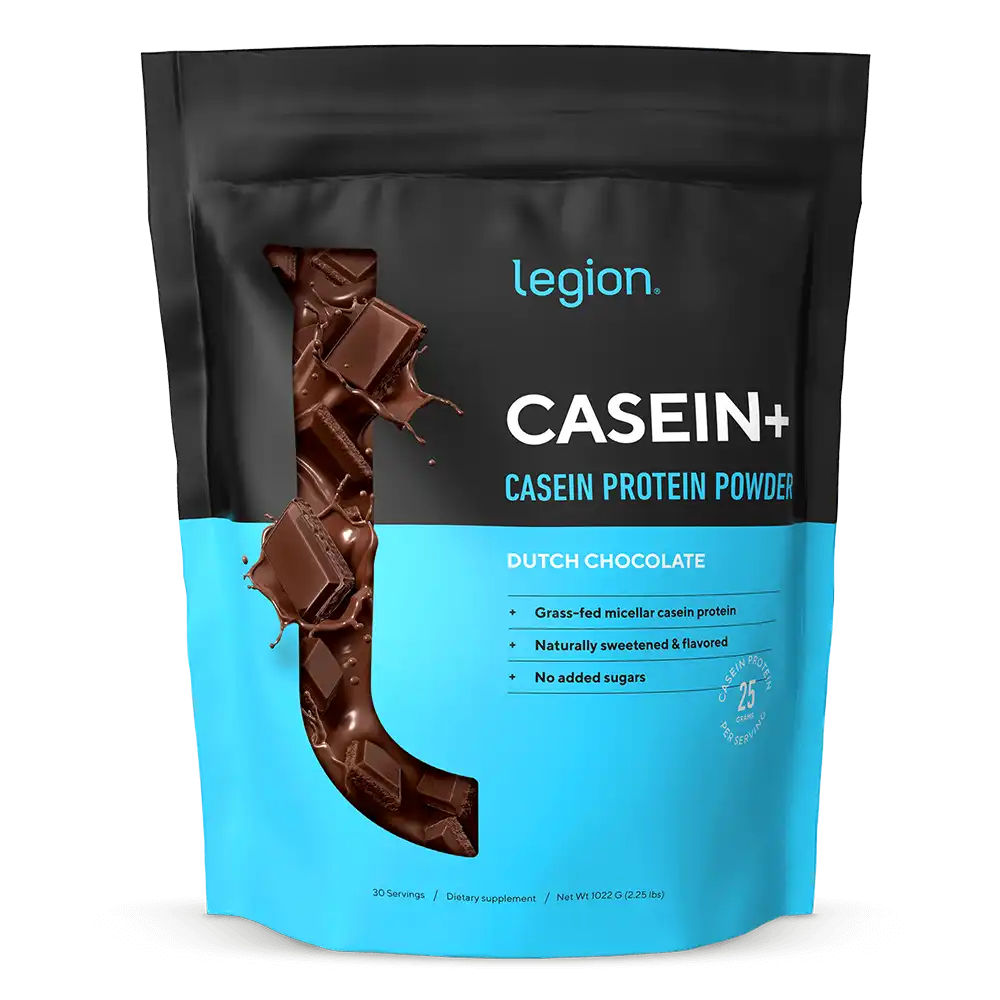
- Casein Protein: Also from milk, but slow-digesting. It forms a gel in the stomach, providing a sustained release of amino acids. Ideal for satiety between meals or before bed.
- Plant-Based Protein Blends: Often combine pea, rice, hemp, or soy protein to create a complete amino acid profile. Good for those avoiding dairy or animal products.
Choosing Wisely (General Advice, No Brands):
- Protein-to-Calorie Ratio: Look for products with a high protein content per serving and minimal added calories from sugars or unhealthy fats.
- Ingredients List: Opt for simpler formulas with fewer artificial sweeteners, flavors, or fillers. Natural sweeteners like stevia or monk fruit are often preferred.
- Third-Party Testing: Especially if you’re an athlete or concerned about purity, choose products that have undergone third-party testing (e.g., by organizations like NSF Certified for Sport or Informed-Sport). This verifies that the product contains what it claims and is free from contaminants and banned substances.
How to Use:
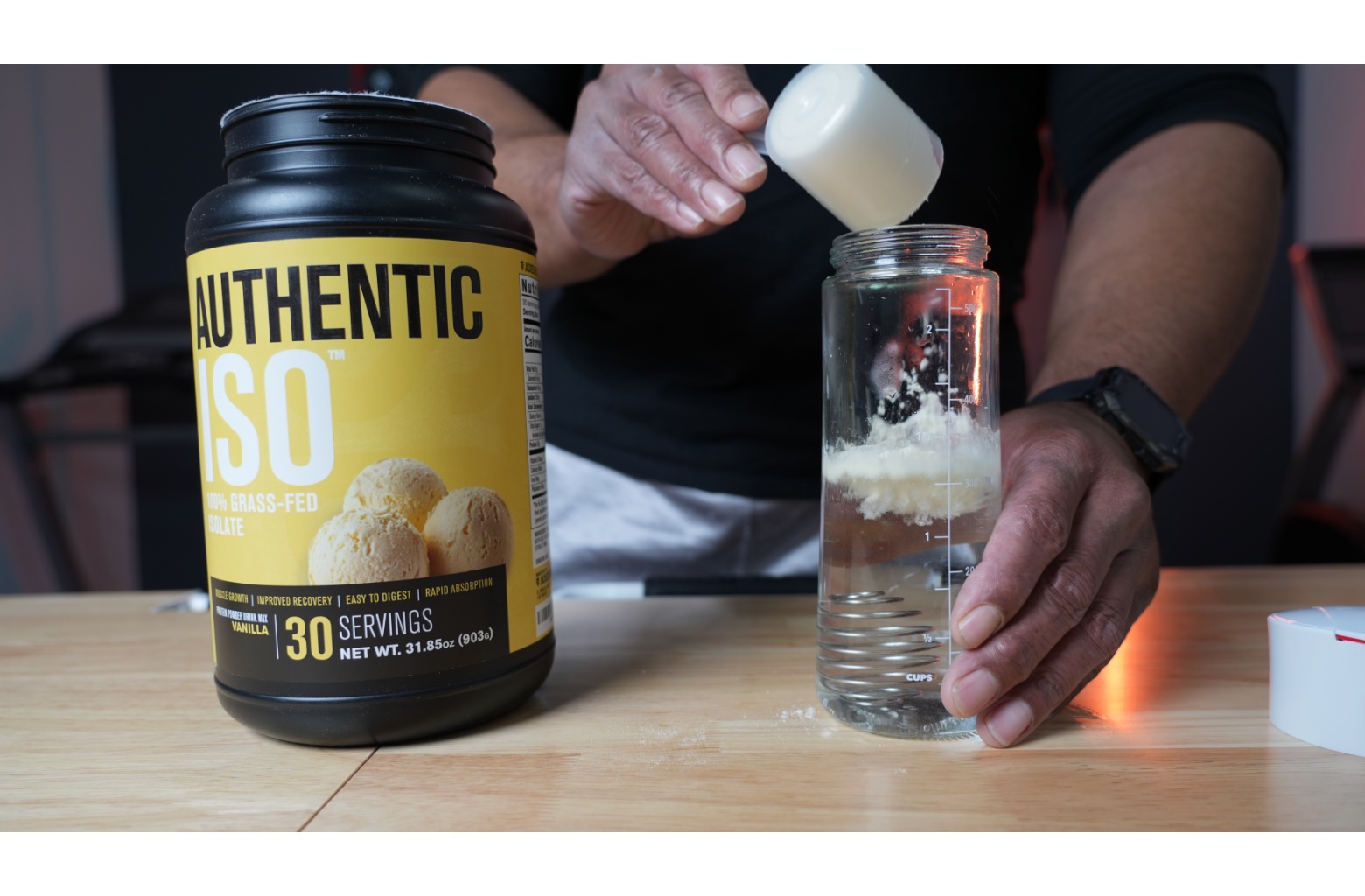
Protein powder can be mixed with water or milk for a quick shake, blended into smoothies with fruits and vegetables, or even incorporated into recipes like oatmeal, pancakes, or baked goods to boost their protein content.
Practical Strategies for Seamless Protein Integration
Knowing what protein is and how much you need is excellent. The next step is to put that knowledge into action, transforming your understanding into sustainable daily habits.
Meal Planning and Preparation: Your Secret Weapon
Consistency is paramount for fat loss, and meal planning is your secret weapon for consistent protein intake.
- Batch Cooking Protein: Dedicate a block of time once or twice a week to cook large quantities of protein sources. Grill a big batch of chicken breasts, bake salmon fillets, hard-boil a dozen eggs, or prepare a pot of lentils. This makes grabbing a protein-rich meal or snack incredibly easy during busy weekdays.
- Build Meals Around Protein: Instead of thinking "What carb should I have?" start with "What protein will be the star of this meal?" Then add vegetables, healthy fats, and complex carbohydrates.
- Example: Instead of pasta with a little meat sauce, think a large serving of lean ground turkey or chickpeas, with a smaller portion of whole-wheat pasta and plenty of vegetables.
- Smart Snacking: Plan protein-rich snacks to bridge the gap between meals and prevent excessive hunger.
- Ideas: Greek yogurt, cottage cheese, a handful of almonds, hard-boiled eggs, beef jerky (check for low sugar), a small protein shake, or apple slices with peanut butter.
Real-Life Example:
A busy professional might pre-portion cooked chicken and rice for lunch containers, have Greek yogurt and berries for breakfast, keep a bag of mixed nuts at their desk, and quickly prepare a salmon fillet with steamed vegetables for dinner. This ensures consistent protein without excessive daily cooking.
The Power Duo: Protein and Resistance Training
While diet contributes significantly to fat loss, resistance training (weightlifting, bodyweight exercises, resistance bands) is non-negotiable for preserving and building muscle. Protein and resistance training work synergistically:
- Resistance Training: Provides the stimulus for muscle fibers to break down and then rebuild stronger.
- Protein: Supplies the essential amino acids – the building blocks – for this repair and growth process.
By combining consistent resistance training with adequate protein intake, you create an optimal environment for body recomposition: shedding fat while simultaneously firming up and building lean muscle. This means not just a lower number on the scale, but a more athletic, functional, and aesthetically pleasing physique. Aim for 2-4 resistance training sessions per week, targeting all major muscle groups.
Hydration and Fiber: The Unsung Allies in Your Journey
Don’t overlook the supporting cast! Hydration and fiber play crucial roles alongside protein in your fat loss efforts.
- Hydration: Water is vital for virtually every bodily function, including metabolism. It can also help with satiety – sometimes, what feels like hunger is actually thirst. Aim for at least 8 glasses (around 2 liters) of water daily, more if you’re active.
- Fiber: Found abundantly in fruits, vegetables, whole grains, and legumes, fiber adds bulk to your diet, promoting fullness and aiding digestion. It also helps stabilize blood sugar levels, preventing energy crashes and subsequent cravings. High-protein, high-fiber meals are a powerful combination for lasting satiety.
Dispelling Common Protein Myths and Misconceptions
Despite its clear benefits, protein often falls victim to various myths. Let’s set the record straight for beginners and intermediate fitness enthusiasts.
Myth: "High Protein Diets Damage Kidneys"
This is a pervasive myth that often deters people from optimizing their protein intake.
Fact: For healthy individuals with normal kidney function, there is extensive scientific evidence showing that high protein diets (even above typical recommendations) do not cause kidney damage. In fact, protein is crucial for kidney health and function. The concern typically arises for individuals with pre-existing kidney disease, where protein intake may need to be moderated under medical supervision. If you have any pre-existing health conditions, always consult your doctor before making significant dietary changes.
Myth: "Protein Will Make Me Bulky"
Many, especially women, fear that increasing protein will lead to an undesirable "bulky" physique.
Fact: Building significant muscle mass ("bulk") is a complex process that requires very specific training, a caloric surplus (eating more calories than you burn), and often specific hormonal profiles. For most individuals, particularly women, increasing protein intake combined with resistance training in a calorie deficit will lead to a lean, toned, and strong physique, not excessive bulk. Protein supports muscle preservation and modest growth, which helps