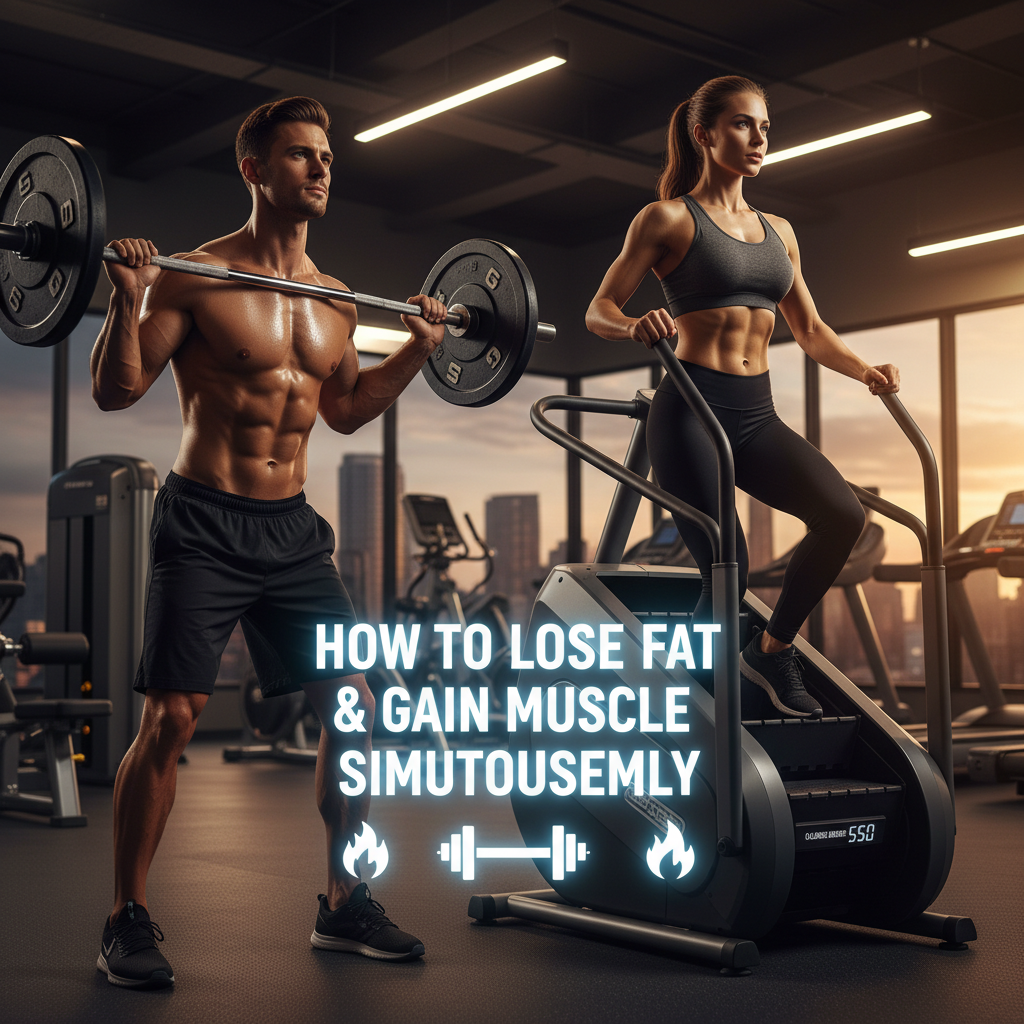
The Synergistic Relationship Between Fitness and Diet
Embarking on a journey towards a healthier lifestyle often involves two key components: fitness and diet. While exercise strengthens your body and improves cardiovascular health, a well-structured diet provides the necessary fuel and nutrients to optimize performance and recovery. The interplay between these two elements is crucial for building sustainable healthy habits.
Understanding the Fundamentals of Fitness Diets
A fitness diet is more than just a weight-loss plan; it’s a comprehensive approach to nourishing your body to support your fitness goals. This involves understanding macronutrients (proteins, carbohydrates, and fats) and micronutrients (vitamins and minerals) and their roles in energy production, muscle repair, and overall well-being. Tailoring your diet to your specific activity level and fitness objectives is essential.
Setting Realistic and Achievable Goals
Before diving into a fitness diet, it’s important to establish clear and realistic goals. Whether your aim is to lose weight, gain muscle, improve endurance, or simply enhance your overall health, having specific targets will help you stay motivated and track your progress. Break down your larger goals into smaller, manageable steps to make the process less daunting.
Prioritizing Protein Intake for Muscle Growth and Repair
Protein is the cornerstone of muscle growth and repair, making it a vital component of any fitness diet. Aim to consume adequate amounts of protein throughout the day, particularly after workouts, to support muscle recovery and prevent muscle breakdown. Excellent sources of protein include lean meats, poultry, fish, eggs, dairy products, legumes, and protein supplements.
Choosing Complex Carbohydrates for Sustained Energy
Carbohydrates are your body’s primary source of energy, especially during physical activity. Opt for complex carbohydrates like whole grains, fruits, and vegetables over simple sugars and processed foods. Complex carbohydrates provide a sustained release of energy, preventing energy crashes and keeping you feeling full and satisfied for longer.
Incorporating Healthy Fats for Hormone Production and Nutrient Absorption
Healthy fats play a crucial role in hormone production, nutrient absorption, and overall health. Include sources of unsaturated fats like avocados, nuts, seeds, olive oil, and fatty fish in your diet. These fats provide essential fatty acids that your body cannot produce on its own and support various bodily functions.
Hydration is Key: Drinking Enough Water
Staying adequately hydrated is essential for optimal performance and recovery. Water helps regulate body temperature, transport nutrients, and lubricate joints. Drink plenty of water throughout the day, especially before, during, and after workouts. Monitor your urine color to gauge your hydration level; pale yellow indicates adequate hydration.
Meal Planning and Preparation for Success
Meal planning and preparation are critical for adhering to a fitness diet. Take the time to plan your meals for the week, create a grocery list, and prepare your meals in advance. This will help you avoid impulsive unhealthy food choices and ensure that you have nutritious meals readily available.
Mindful Eating: Paying Attention to Your Body’s Signals
Mindful eating involves paying attention to your body’s hunger and fullness cues. Eat slowly and savor each bite, focusing on the taste, texture, and aroma of your food. Avoid distractions like television or your phone while eating. This practice can help you prevent overeating and develop a healthier relationship with food.
The Importance of Consistency and Patience
Building healthy habits takes time and effort. Be patient with yourself and don’t get discouraged by occasional setbacks. Consistency is key, so stick to your fitness diet as much as possible. Remember that progress is not always linear, and there will be times when you feel like you’re not making progress. Don’t give up; keep going, and you will eventually reach your goals.
Tracking Your Progress and Making Adjustments
Tracking your progress is essential for staying motivated and making necessary adjustments to your fitness diet. Keep a food journal to record what you eat and drink, and monitor your weight, body measurements, and fitness performance. Use this data to identify areas where you can improve and make adjustments to your diet and exercise plan accordingly.
Seeking Professional Guidance When Needed
If you’re unsure where to start or need help creating a personalized fitness diet, consider seeking guidance from a registered dietitian or certified personal trainer. These professionals can assess your individual needs and goals and provide tailored recommendations to help you achieve your desired results.
The Long-Term Benefits of Fitness Diets
Adopting a fitness diet is not just about achieving short-term goals; it’s about building sustainable healthy habits that will benefit you for years to come. The long-term benefits of fitness diets include improved physical health, increased energy levels, enhanced mental well-being, and a reduced risk of chronic diseases.
Turning Fitness Diets into Sustainable Healthy Habits
To make fitness diets a sustainable part of your lifestyle, focus on making gradual changes, finding healthy foods that you enjoy, and incorporating exercise into your daily routine. Don’t try to overhaul your entire lifestyle overnight; instead, focus on making small, manageable changes that you can maintain over the long term.
Embrace the Journey: A Holistic Approach to Wellness
Building healthy habits through fitness diets is a journey, not a destination. Embrace the process and focus on making sustainable changes that will improve your overall health and well-being. Remember that it’s okay to make mistakes along the way; the important thing is to learn from them and keep moving forward. By integrating fitness and diet into your lifestyle, you can create a healthier, happier, and more fulfilling life.