The dream of a fitter, stronger you often conjures images of sprawling gyms, specialized equipment, and endless floor space. But what if your reality is a cozy apartment, a shared living room, or a bedroom corner? For many aspiring fitness enthusiasts and even seasoned exercisers, limited space can feel like an insurmountable barrier to achieving their health and wellness goals. The good news? It’s not.
Welcome to the era of intelligent home fitness – where ingenuity, strategic planning, and the right approach can transform even the smallest nook into a powerhouse for physical transformation. This comprehensive guide is designed for beginners to intermediate fitness enthusiasts ready to break free from the constraints of space and unlock their full potential. We’ll explore how to equip your compact gym, craft effective routines, fuel your body, and cultivate the unwavering mindset needed to thrive, all without sacrificing an inch of your living area. Get ready to redefine what’s possible within your four walls.
The Power of Home Fitness: Why Your Space Isn’t a Barrier
The allure of a commercial gym is undeniable: rows of machines, dedicated free-weight areas, and a bustling atmosphere. However, for many, the reality of commuting, membership fees, and crowded hours makes consistent gym attendance a challenge. Home fitness offers a compelling alternative, one that champions convenience, privacy, and personalization.
Dispelling Common Myths About Home Workouts
Before we delve into practical strategies, let’s address some pervasive myths that might be holding you back:
- Myth 1: You need expensive, bulky equipment. While some specialized machines are fantastic, the truth is that many of the most effective exercises require minimal or no equipment. Your body weight, a few versatile tools, and some open floor space are often more than enough.
- Myth 2: You can’t get a "real" workout at home. Intensity isn’t dictated by location. With proper planning, progressive overload, and a commitment to pushing yourself, home workouts can be just as challenging and rewarding as any gym session.
- Myth 3: Home workouts are boring and lack motivation. This is where creativity and consistency come into play. A diverse routine, engaging online resources, and a strong sense of personal discipline can keep boredom at bay and motivation soaring.
- Myth 4: You need a dedicated gym room. Absolutely not! A space just large enough to fully extend your limbs in all directions is often all you need. Multi-functional equipment and smart storage solutions mean your workout area can seamlessly integrate into your home life.
Advantages of Training at Home
Embracing home fitness offers a multitude of benefits that extend beyond mere convenience:
- Unrivaled Convenience: No travel time, no waiting for equipment, no gym hours. You dictate when and how you train.
- Cost-Effectiveness: Eliminate monthly membership fees and invest only in the equipment you truly need.
- Privacy and Comfort: Work out in your pajamas if you want! There’s no judgment, no self-consciousness, just focused effort in your personal sanctuary.
- Flexibility and Customization: Adapt your workouts to your energy levels, schedule changes, and evolving fitness goals with ease.
- Time Efficiency: Maximizing your workout time by eliminating external factors means you can achieve more in less time.
- Consistency: The easier it is to start, the more likely you are to stick with it. Home workouts remove many common excuses for skipping a session.
Building Your Compact Home Gym: Smart Equipment Choices
The key to a successful home gym in a small space lies in selecting versatile, space-efficient equipment. Think quality over quantity, and prioritize tools that offer a wide range of exercise possibilities.
Multi-Functional Essentials: Your Foundation
These are the unsung heroes of compact fitness, offering incredible utility without demanding much space:
- Resistance Bands (Loop and Tube): Inexpensive, portable, and incredibly versatile. They can replicate machine-based exercises for strength training, assist with mobility, and add resistance to bodyweight movements.
- Actionable Tip: Invest in a set with varying resistance levels to accommodate different exercises and progressive overload.
- Adjustable Dumbbells: A game-changer for strength training in small spaces. A single pair can replace an entire rack of traditional dumbbells, saving significant floor space.
- Actionable Tip: If adjustable dumbbells are beyond your current budget, start with a few pairs of fixed-weight dumbbells that challenge you for different exercises (e.g., a lighter pair for overhead movements, a heavier pair for squats).
- Jump Rope: An old-school classic for a reason. Excellent for cardiovascular conditioning, agility, and warming up, all in a minimal footprint.
- Actionable Tip: Practice different footwork patterns to keep it engaging and challenge your coordination.
- Yoga Mat: Essential for comfort during floor exercises, stretching, and providing a non-slip surface.
- Actionable Tip: Choose a mat that offers good cushioning and is easily rollable for storage.
- Pull-Up Bar (Doorway Mount): If your doorway allows, a pull-up bar is fantastic for upper body strength and core work. It’s removable and stores easily.
- Actionable Tip: If you can’t do a full pull-up yet, use resistance bands for assistance or try inverted rows with a sturdy table.
- Stability Ball: Excellent for core work, balance training, and can even be used as a makeshift bench for some dumbbell exercises.
- Actionable Tip: Deflate slightly for easier storage, or double it as an office chair to engage your core throughout the day.
The Full-Body Cardio Champion: Rowing
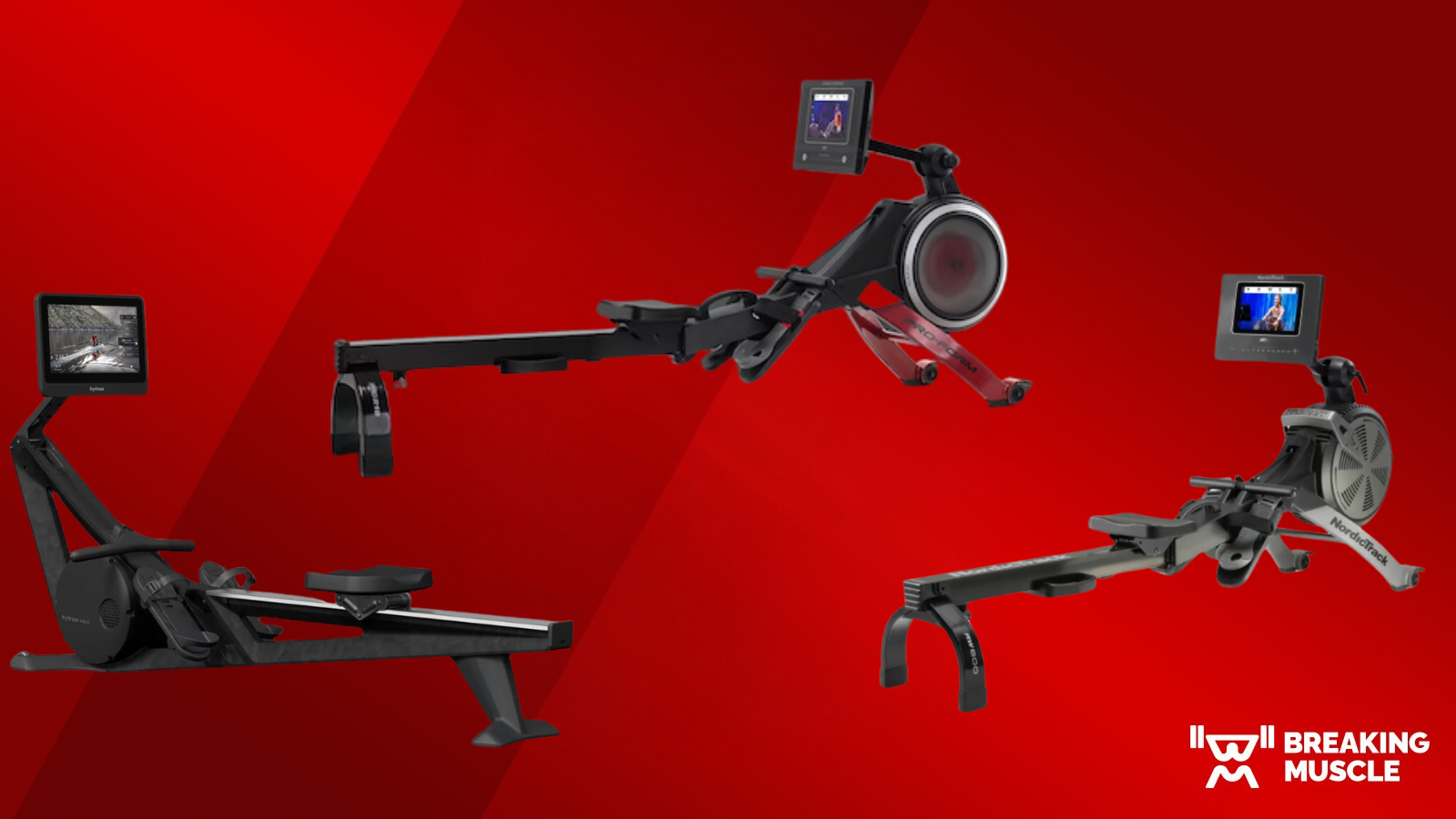
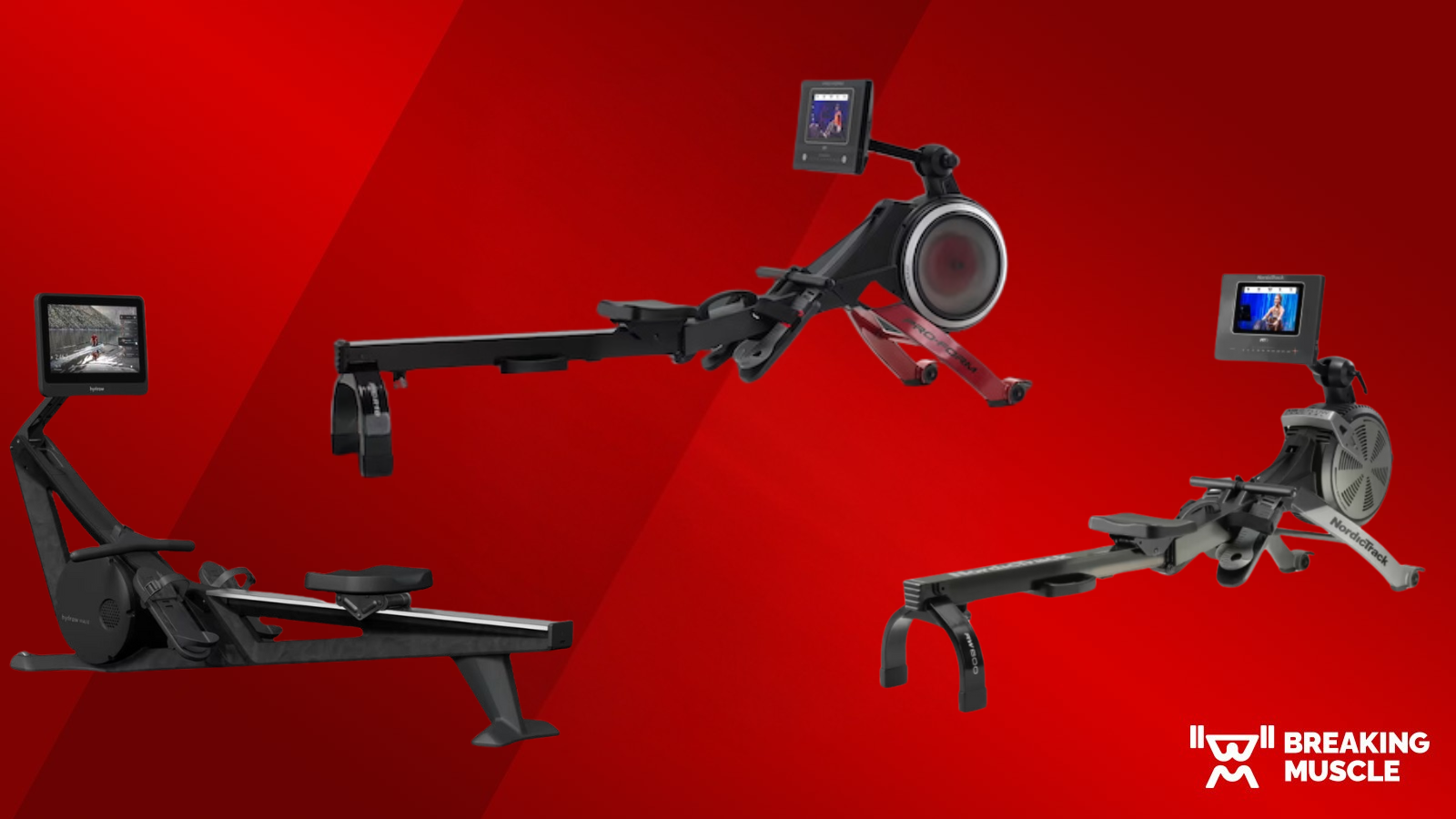
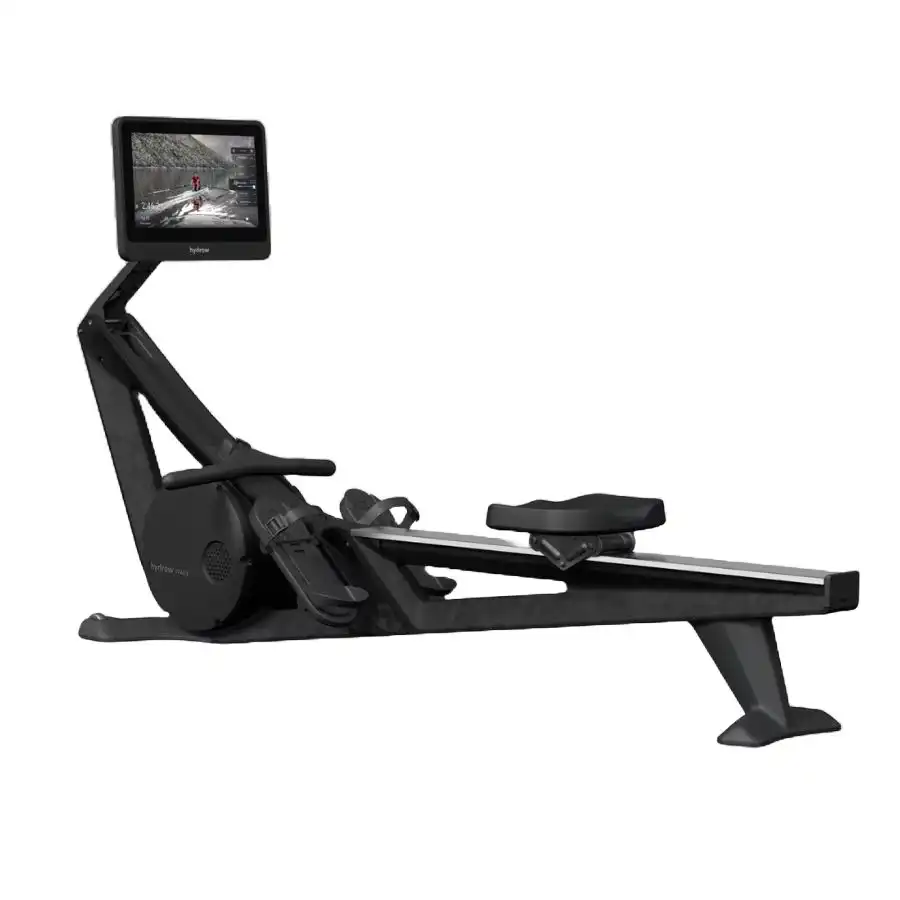
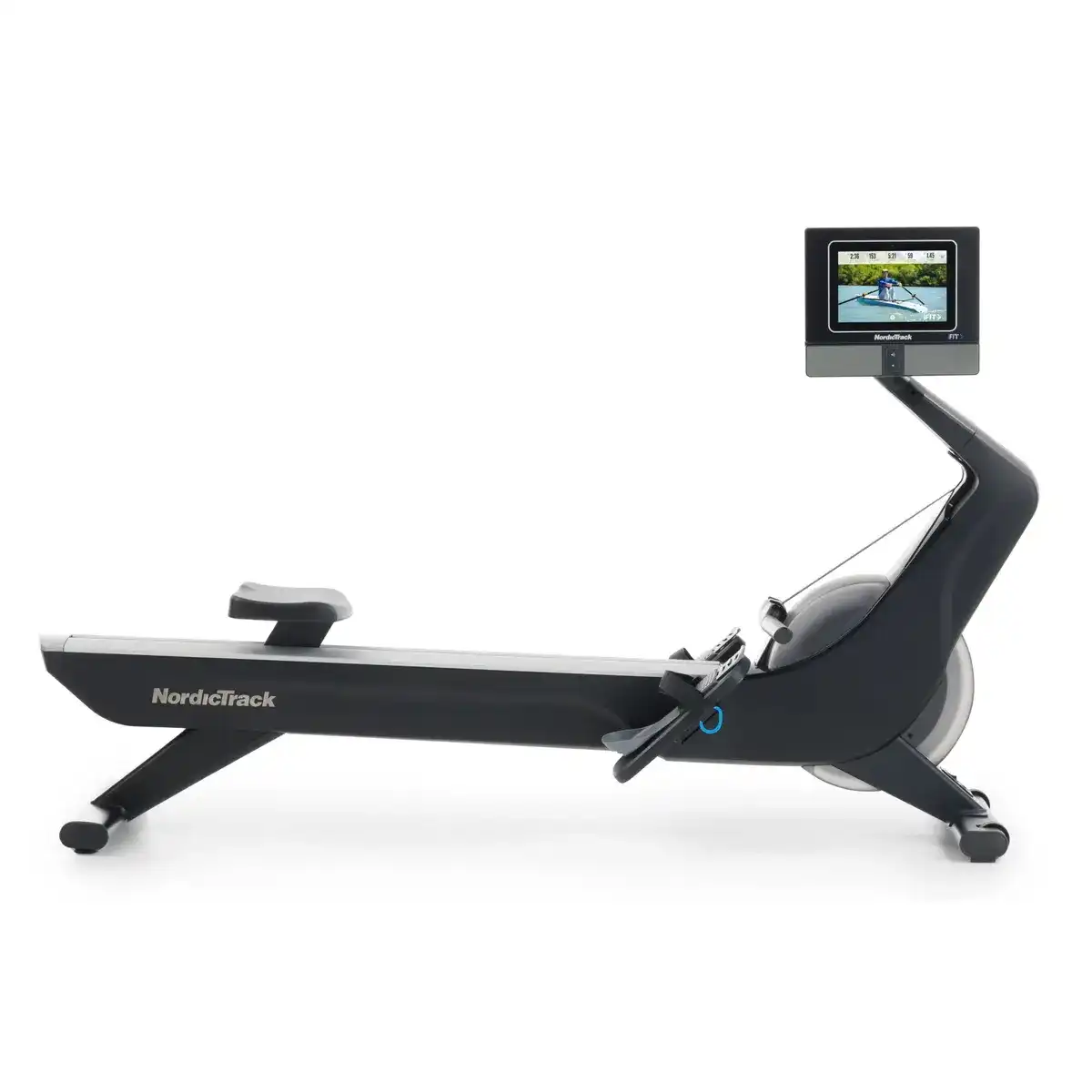
When it comes to compact cardio machines that deliver a comprehensive, low-impact, full-body workout, a well-chosen rowing machine stands out. It engages approximately 86% of your muscles across nine major muscle groups, making it an incredibly efficient tool for both strength and endurance.
- Why Rowing for Small Spaces? Many modern rowing machines are designed with space-saving features in mind. They often have footprints that are manageable during use and, critically, many offer folding mechanisms or upright storage options that drastically reduce their presence when not in use.
- What to Look For (General Features, No Brands):
- Resistance Type: Magnetic resistance rowers are often quieter and offer smooth, consistent strokes, ideal for shared living spaces. Air resistance rowers provide a more dynamic feel, mimicking water resistance, but can be noisier. Some combine both.
- Footprint & Storage: Prioritize models that clearly state their folded dimensions or upright storage capabilities. Measure your designated space carefully.
- Ergonomics: Look for a comfortable, molded seat, adjustable footrests with secure straps, and an ergonomic handle to ensure proper form and reduce strain.
- Display/Connectivity: A simple display showing metrics like strokes per minute, distance, and time is fundamental. Some offer more advanced screens or connectivity to apps, which can enhance motivation with guided workouts or scenic rows.
- Durability: A sturdy frame (e.g., steel or aluminum) ensures longevity and stability during intense workouts.
- Actionable Tip for Integrating a Rower: If you opt for a compact rower, dedicate a specific corner for it. Measure not just the machine’s dimensions, but also the space you need around it for comfortable movement and upright storage.
Bodyweight Training: Your Ultimate Tool
Your own body is the most powerful and portable piece of equipment you possess. Bodyweight exercises require no specialized gear, can be done anywhere, and are foundational for building strength, flexibility, and coordination.
- Actionable Tip: Master the basics (squats, push-ups, lunges, planks) before progressing to more challenging variations (pistol squats, decline push-ups, jumping lunges, side planks).
Crafting Effective Workouts for Limited Spaces
The key to maximizing results in a small space is intelligent workout design. Focus on compound movements, full-body routines, and structured progression.
Understanding Full-Body Integration
For home workouts, especially in limited spaces, full-body routines are highly efficient. They allow you to hit all major muscle groups in a single session, promoting balanced development and maximizing calorie expenditure.
- The Push-Pull-Legs Concept (Adapted): Even without heavy weights, you can structure your bodyweight and resistance band workouts to target these movement patterns.
- Push: Exercises like push-ups, dips (using a chair), overhead presses (with bands or light dumbbells).
- Pull: Pull-ups (if you have a bar), resistance band rows, inverted rows.
- Legs/Core: Squats, lunges, glute bridges, planks, Russian twists.
Sample Workout Routines (Beginner & Intermediate)
Remember to always listen to your body and adjust as needed. Aim for 3-4 sessions per week, with rest days in between.
Beginner Full-Body Home Workout (Circuit Style)
Perform each exercise for 30-45 seconds, then rest for 15-30 seconds before moving to the next. Complete 2-3 rounds, resting 1-2 minutes between rounds.
- Warm-up (5 minutes): Light cardio (marching in place, arm circles, leg swings)
- Workout:
- Bodyweight Squats (focus on depth and form)
- Incline Push-ups (hands on a sturdy counter or wall if needed)
- Glute Bridges
- Plank (hold for time)
- Reverse Lunges (alternating legs)
- Resistance Band Rows (loop band around a sturdy anchor point)
- Jumping Jacks or High Knees (cardio burst)
- Cool-down (5 minutes): Static stretches (hold each for 20-30 seconds)
Intermediate Full-Body Home Workout (Strength & Cardio Mix)
Perform strength exercises in sets, then incorporate a cardio burst.
- Warm-up (5-7 minutes): Dynamic stretches (leg swings, torso twists, cat-cow), light jump rope.
- Workout (Example: 3 sets of 8-12 reps for strength, 60 seconds for cardio):
- Block 1:
- Goblet Squats (with dumbbell) or Bulgarian Split Squats (rear foot elevated on chair)
- Push-ups (on floor or decline)
- Cardio Burst: Jump Rope or Burpees
- Block 2:
- Dumbbell Rows (single arm, bent over) or Resistance Band Pull-Aparts
- Overhead Press (with dumbbells or resistance bands)
- Cardio Burst: Mountain Climbers or Box Jumps (onto a sturdy low surface)
- Block 3:
- Romanian Deadlifts (with dumbbells) or Glute Ham Raises (using a chair)
- Plank variations (e.g., side plank, plank jacks)
- Cardio Burst: Rowing Machine (2-3 minutes at moderate intensity) or Sprint in Place
- Block 1:
- Cool-down (5-7 minutes): Static stretches focusing on major muscle groups worked.
The Importance of Warm-ups and Cool-downs
These aren’t optional; they’re integral to injury prevention and recovery.
- Warm-up: Prepares your body for exercise by increasing heart rate, blood flow to muscles, and joint mobility. Dynamic movements are best (e.g., arm circles, leg swings, light cardio).
- Cool-down: Gradually brings your heart rate down and helps improve flexibility. Static stretches (holding a stretch for a period) are ideal.
Beyond the Sweat: Nutrition, Recovery, and Mindset
Physical exercise is only one piece of the wellness puzzle. To truly thrive and see lasting results, you must address what you put into your body, how you recover, and your mental approach.
Fueling Your Progress: Simple Nutritional Principles
You don’t need a complicated diet, just smart, consistent choices.
- Prioritize Whole Foods: Focus on fruits, vegetables, lean proteins (chicken, fish, beans, lentils, tofu), whole grains, and healthy fats. These provide essential nutrients for energy, repair, and overall health.
- Adequate Protein Intake: Protein is crucial for muscle repair and growth. Aim for a protein source with every meal.
- Hydration is Key: Drink plenty of water throughout the day, especially before, during, and after workouts. Dehydration impairs performance and recovery.
- Mindful Eating: Pay attention to your body’s hunger and fullness cues. Avoid mindless snacking and emotional eating.
- Balance and Consistency: Small, sustainable changes are far more effective than drastic, temporary diets.
The Art of Recovery: Sleep and Active Rest
Your muscles don’t grow during your workout; they grow during recovery.
- Quality Sleep: Aim for 7-9 hours of quality sleep per night. This is when your body repairs tissues, consolidates memories, and recharges.
- Active Rest: On non-workout days, engage in light activities like walking, stretching, or gentle yoga. This promotes blood flow, aids recovery, and maintains mobility without overtraining.
- Listen to Your Body: If you’re feeling excessively fatigued or sore, a full rest day might be more beneficial than pushing through.
Cultivating a Resilient Mindset
Your mental approach can make or break your fitness journey.
- Set Realistic Expectations: Progress isn’t linear. Celebrate small victories and don’t get discouraged by setbacks.
- Focus on Consistency, Not Perfection: It’s better to have a good, consistent effort than sporadic perfect workouts.
- Find Your "Why": What truly motivates you? Is it better health, increased energy, improved mood, or personal challenge? Connect with your deeper reasons.
- Practice Self-Compassion: Be kind to yourself. Fitness is a journey, not a destination. Embrace the process of learning and growing.
- Visualize Success: Imagine yourself achieving your goals. This can be a powerful motivator.
Overcoming Challenges and Staying Consistent
Even with the best intentions, maintaining consistency can be tough. Here’s how to navigate common hurdles.

Time Management Strategies for Busy Schedules
"I don’t have enough time" is perhaps the most common fitness excuse.
- Schedule Your Workouts: Treat your workout appointments like any other important commitment. Block out time in your calendar.
- Break It Up: Can’t fit in a 30-minute session? Do two 15-minute sessions. Even 10 minutes is better than nothing.
- Early Morning Advantage: Working out first thing in the morning often means fewer distractions and a greater likelihood of completion.
- Workout "Snacks": Integrate short bursts of activity throughout your day – a few sets of squats during a coffee break, planks during TV commercials.
Tracking Progress and Setting Realistic Goals
Seeing progress is a powerful motivator.
- Measure More Than Just the Scale: Track performance (more reps, heavier weights, longer duration), body measurements, how your clothes fit, energy levels, and mood.
- SMART Goals: Ensure your goals are Specific, Measurable, Achievable, Relevant, and Time-bound.
- Example: Instead of "Get fit," try "Perform 10 unassisted push-ups by the end of 8 weeks."
- Keep a Workout Log: Note down exercises, sets, reps, and perceived effort. This helps you identify patterns and plan for progressive overload.
Finding and Maintaining Your Motivation
Motivation ebbs and flows, but consistency can be built through habit.
- Create a Dedicated Space (Even Small): Having your mat rolled out or dumbbells easily accessible reduces friction to starting.
- Vary Your Routine: Prevent boredom by trying new exercises, workout formats (e.g., HIIT, EMOM), or following online workout videos.
- Music or Podcasts: Curate playlists that energize you or listen to educational podcasts during your sessions.
- Reward System: Set up small, non-food rewards for hitting milestones (e.g., new workout gear, an hour of guilt-free relaxation).
- Join an Online Community: Share your journey, get encouragement, and feel accountable to others.
Conclusion: Your Fitness Journey Starts Now, Right Where You Are
The path to a healthier, stronger you doesn’t require a spacious gym or an endless budget. It demands commitment, creativity, and the understanding that your potential is not limited by your square footage, but by your mindset. By strategically choosing versatile equipment, crafting efficient full-body routines, prioritizing nutrition and recovery, and cultivating a resilient mental approach, you can transform any small space into a powerful arena for your fitness evolution.
Remember, every great journey begins with a single step – or in this case, a single squat, plank, or row, right there in your living room. Embrace the convenience, celebrate the progress, and know that with every rep and every mindful choice, you are building not just a fitter body, but a more resilient, empowered you. Your space is ready. Are you? Let’s get started.