Introduction: The Power of Portion Control
Achieving fitness goals, whether it’s weight loss, muscle gain, or simply maintaining a healthy lifestyle, hinges significantly on what and how much you eat. While exercise plays a vital role, nutrition often accounts for a larger percentage of success. Portion control, the practice of managing the amount of food you consume at each meal, is a fundamental aspect of nutritional discipline. It’s not just about restricting calories; it’s about understanding your body’s needs and providing it with the right amount of fuel to function optimally.
Why Portion Control Matters for Fitness
Portion control is essential for several reasons. Firstly, it directly impacts your calorie intake. Consuming more calories than you burn leads to weight gain, regardless of how healthy the food is. Secondly, it influences your metabolic rate. Overeating can slow down your metabolism over time, making it harder to lose weight. Thirdly, it affects your energy levels and overall well-being. Consistent overeating can lead to lethargy and digestive issues, hindering your ability to stay active and motivated.
Understanding Serving Sizes vs. Portion Sizes
It’s crucial to differentiate between serving sizes and portion sizes. A serving size is a standardized amount of food, as listed on nutrition labels. A portion size, on the other hand, is the amount of food you actually choose to eat. Many people unknowingly consume portions that are much larger than the recommended serving sizes, leading to excess calorie intake. Learning to recognize appropriate serving sizes is the first step towards effective portion control.
Practical Strategies for Effective Portion Control
Implementing portion control doesn’t require drastic measures. Small, consistent changes can make a significant difference. Here are some practical strategies to help you manage your food intake:
- Use Smaller Plates and Bowls: Visual cues can significantly influence your perception of portion sizes. Using smaller plates and bowls can make your meals appear larger, helping you feel more satisfied with less food.
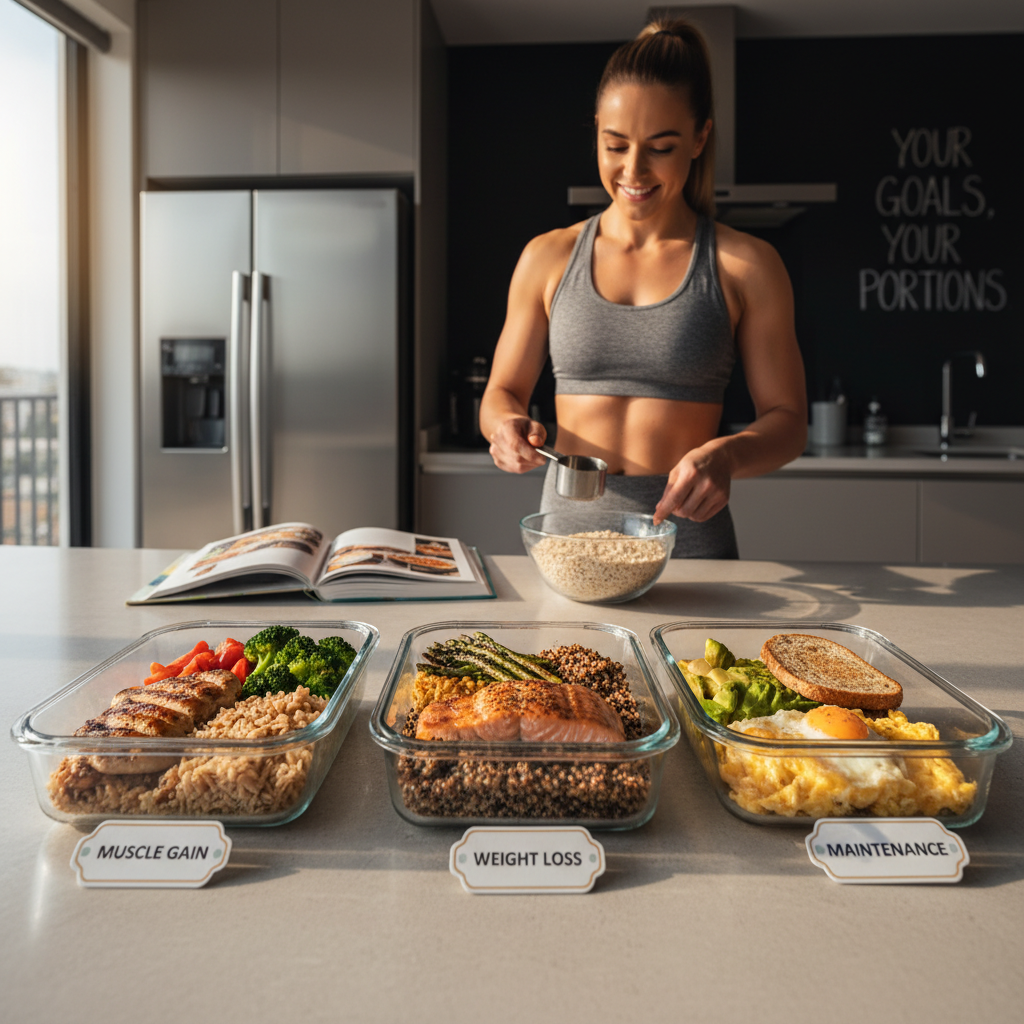
- Measure Your Food: Invest in measuring cups and spoons to accurately measure your food, especially when you’re starting out. This helps you understand what a true serving size looks like and prevents overestimation. A food scale can also be helpful for weighing items like meat and grains.
- Read Nutrition Labels Carefully: Pay close attention to serving sizes and calorie counts on nutrition labels. Be mindful of how many servings are in a package and adjust your portion accordingly.
- Pre-Portion Your Snacks: Instead of eating directly from a bag or box, pre-portion your snacks into smaller containers or bags. This prevents mindless snacking and helps you stick to your calorie goals.
- Eat Slowly and Mindfully: Eating slowly allows your body to register fullness signals before you overeat. Pay attention to the taste, texture, and aroma of your food, and avoid distractions like TV or your phone.
- Drink Water Before Meals: Drinking a glass of water before meals can help you feel fuller, reducing your appetite and preventing overeating.
- Plan Your Meals in Advance: Planning your meals ahead of time allows you to control the ingredients and portion sizes. This can be especially helpful when you’re eating out.
Portion Control When Eating Out
Eating out can be challenging when it comes to portion control, as restaurants often serve oversized portions. However, there are several strategies you can use to navigate this situation:
- Order Appetizers as Your Main Course: Appetizers are typically smaller than main courses, making them a good option for portion control.
- Share an Entree: Split a main course with a friend or family member to reduce your calorie intake.
- Ask for a To-Go Box: Immediately portion out half of your meal into a to-go box before you start eating. This prevents you from overeating and provides you with a healthy leftover meal.