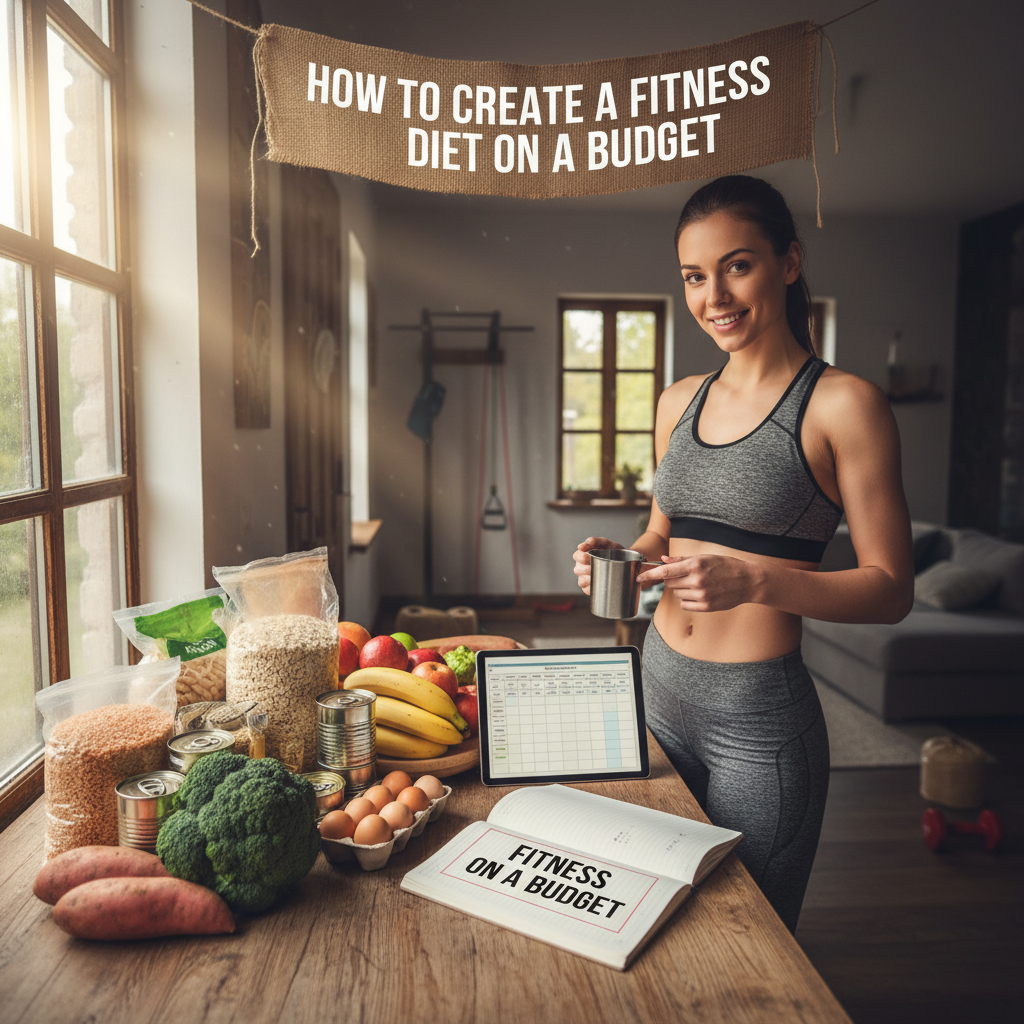
Creating a successful fitness diet, one that supports muscle gain, fat loss, and sustained energy, often seems synonymous with high grocery bills. However, this is a common misconception. With strategic planning, smart shopping habits, and a focus on whole, unprocessed foods, it is entirely possible to fuel a demanding fitness regimen economically. The key lies in understanding macronutrient density versus cost.
The Foundation: Prioritizing Macronutrients Over Fad Foods
A fitness diet revolves around adequate protein for muscle repair, complex carbohydrates for energy, and healthy fats for hormonal balance. Budget constraints should never compromise these pillars. Forget trendy, overpriced superfoods; focus instead on nutrient-dense staples that offer the best return on investment per dollar spent.
Smart Protein Sourcing: Budget-Friendly Power
Protein is arguably the most critical, and often the most expensive, component of a fitness diet. To keep costs down, shift focus away from lean cuts of steak and towards economical alternatives:
- Eggs: The gold standard of bioavailable protein. Buy them by the flat (30-count) when possible for significant savings.
- Canned Fish: Tuna and sardines packed in water or oil are incredibly high in protein and Omega-3 fatty acids, often costing significantly less than fresh fish.
- Lentils and Beans: While incomplete proteins on their own, they are extremely cheap, high in fiber, and excellent sources of plant-based protein when combined with grains.
- Chicken Thighs/Legs: Often half the price of chicken breast, thighs contain more flavor and slightly more fat, which is beneficial for satiety and overall caloric needs if you are not strictly cutting.
Carbohydrates: The Energy Engine on a Dime
Carbohydrates are essential for fueling intense workouts. The goal is to choose complex, slow-digesting sources. Highly processed carbs are cheap but offer poor nutritional value and lead to energy crashes. Budget champions include:
- Oats: Rolled or steel-cut oats are perhaps the most cost-effective source of sustained energy available. Buy in bulk containers.
- Brown Rice: While white rice is cheaper, brown rice offers substantially more fiber and micronutrients. The slight price difference is justified for fitness goals.
- Potatoes and Sweet Potatoes: These root vegetables are incredibly versatile, filling, and packed with vitamins (especially Vitamin A in sweet potatoes). Buy them whole rather than pre-cut or microwavable.
Healthy Fats: Essential for Hormonal Health
Fats are vital for testosterone production, nutrient absorption, and long-term satiety. While avocados and specialty oils can be pricey, there are budget-friendly fat sources:
- Peanut Butter: Choose natural peanut butter (just peanuts and salt) in large jars. It provides excellent calories, protein, and monounsaturated fats.
- Seeds: Sunflower seeds and flaxseeds are often overlooked but are inexpensive sources of essential fatty acids.
- Olive Oil: Purchase large tins of standard (not extra virgin, which is pricier) olive oil for general cooking needs.
The Power of Frozen and Generic Brands
The frozen aisle is a secret weapon for budget-conscious fitness enthusiasts. Frozen vegetables (broccoli, spinach, mixed greens) are picked at peak ripeness, locking in nutrients, and are often far cheaper than their fresh counterparts, especially out of season. Furthermore, never hesitate to choose the store brand or generic version for staples like canned tomatoes, dried pasta, or frozen poultry. The nutritional difference is negligible, but the price difference can save substantial amounts over a month.