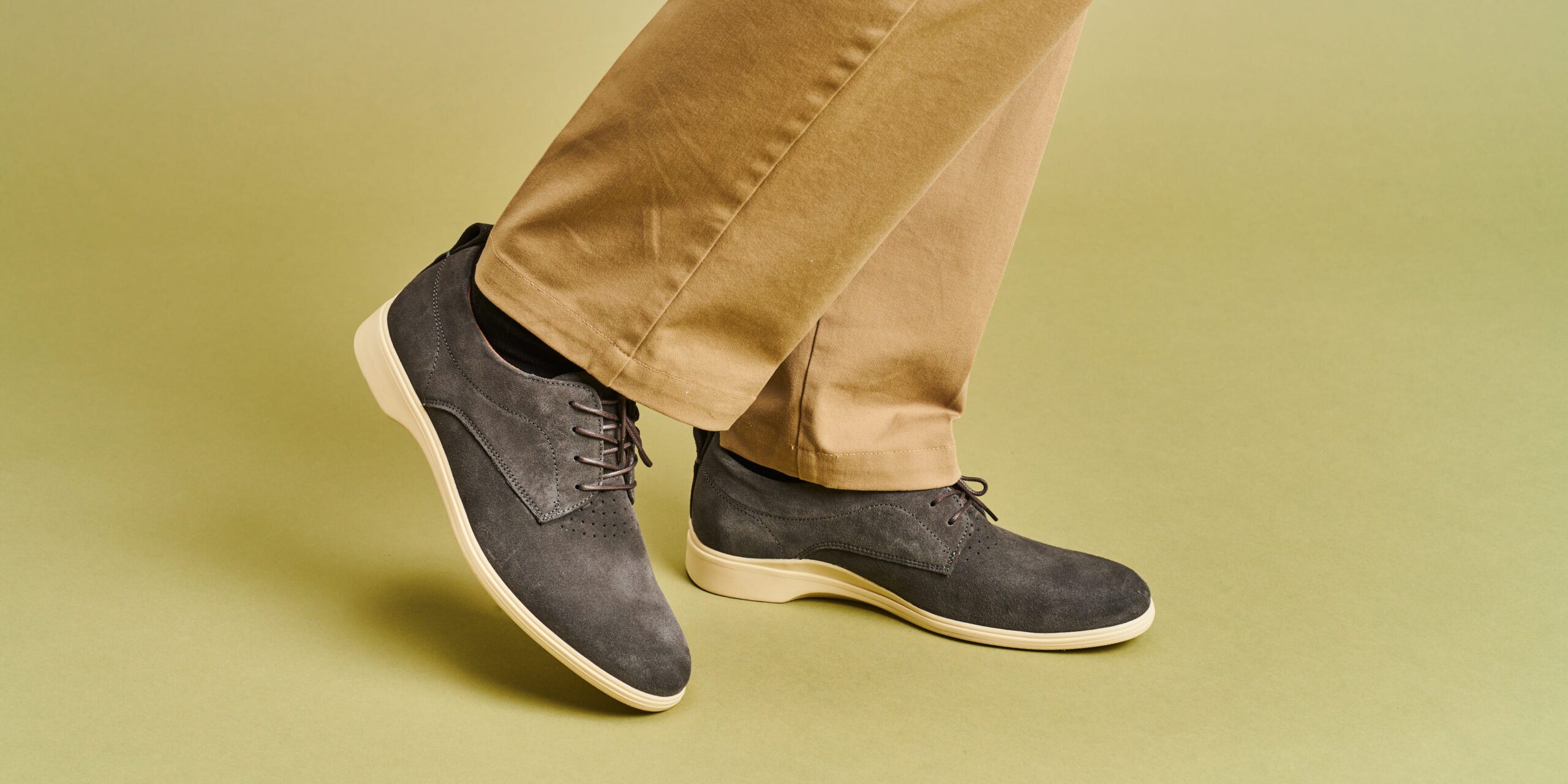
For too long, the professional world has demanded a compromise: look sharp, or feel good. If your job requires you to be on your feet for extended periods—whether you’re navigating a convention floor, moving between client meetings, or managing a busy retail environment—the traditional dress shoe has been your nemesis. Those stiff leather boxes, designed more for aesthetics than biomechanics, lead to aching arches, throbbing heels, and fatigue that drags down your entire day.
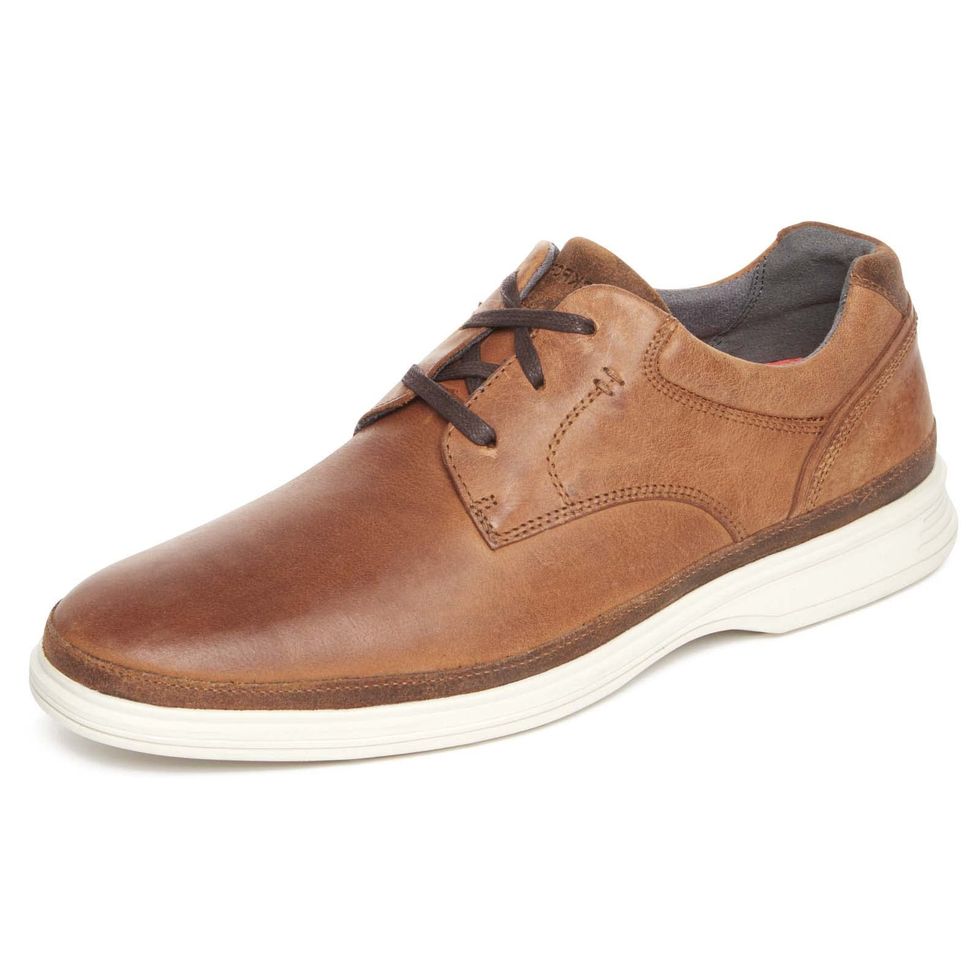
The good news? The footwear industry has finally listened to the calls for comfort. Today’s top innovators are merging the sophisticated look of classic dress shoes with the advanced cushioning, flexibility, and support systems pioneered in athletic footwear. This fusion creates a hybrid champion: formal shoes that genuinely feel like high-performance sneakers.

This guide is for the professional who refuses to let foot pain dictate their productivity or style. We’ll explore the engineering behind this footwear revolution and provide actionable tips to integrate enduring comfort into your daily wardrobe, ensuring you step into every challenge with confidence and zero discomfort.
The Anatomy of an All-Day Comfort Dress Shoe
Understanding why these modern dress shoes feel different is the first step toward optimizing your daily movement. It’s not magic; it’s smart engineering applied to key structural components that traditional shoes neglect.

H3: Deconstructing the Outsole: Where Performance Meets Pavement
The outsole, the layer that contacts the ground, is the most significant departure from conventional dress shoe design. Traditional shoes often feature hard leather or thin, rigid rubber, offering minimal shock absorption.
Modern comfort models incorporate features borrowed directly from running and walking shoes:

- Segmented Flex Grooves: The sole is engineered with strategic cuts that allow the shoe to bend naturally with the forefoot during toe-off, mimicking the foot’s natural gait cycle. This prevents the common stiffness that causes strain on the ball of the foot.
- High-Density Rubber Compounds: Instead of hard materials, these soles use lightweight, responsive rubber or thermoplastic polyurethane (TPU). This provides superior grip (traction) and significantly reduces the impact force transmitted up the leg.
- Heel Stabilization: A firmer heel counter and outsole density ensure that while the front flexes, the heel remains stable, preventing excessive pronation or supination—crucial for long-term posture support.
H3: The Midsole Magic: Cushioning Without Bulk
The midsole is the engine room of comfort. In a running shoe, this is where you find EVA foam or proprietary cushioning technologies. In a hybrid dress shoe, this technology is subtly integrated.
Look for:

- Lightweight Foam Integration: Some designs embed lightweight foam layers within the traditional sole stack, offering energy return and shock absorption without adding noticeable height or weight.
- Arch Support Geometry: The midsole isn’t flat; it’s contoured to support the medial arch. For those who experience plantar fasciitis or general arch fatigue, this built-in support minimizes strain throughout the day.
H3: Insole Innovation: The Personalized Fit
The insole is where personalization happens. A removable, high-quality insole is a hallmark of a superior comfort dress shoe.
- Memory Foam and Gel Pods: Many top models utilize memory foam that molds to the unique contours of your foot over time, creating a custom cradle. Others feature targeted gel pods under high-impact zones, like the heel and metatarsals, providing immediate cushioning.
- Moisture Management: Breathable liners, often treated for antimicrobial properties, keep the environment inside the shoe drier and cooler, preventing friction and blistering during long hours.
Moving Beyond the Desk: Comfort for Active Professionals
If your role involves more movement than sitting, your footwear needs to adapt. These shoes aren’t just for looking good in the boardroom; they support an active professional lifestyle.
H3: The 10,000 Step Test: Real-World Application
Imagine a day that includes an early morning commute, three hours of standing presentations, an afternoon walking tour of a facility, and an evening networking event. This is where traditional shoes fail, but engineered hybrids excel.
Actionable Test: Before committing to a new pair, perform a "test walk" that mimics your longest expected day. Walk for at least 60 minutes continuously, paying attention to pressure points.

- Example Scenario: A sales professional tested a pair of modern dress shoes for a full workday. By 4 PM, their old oxfords caused significant heel pain. The hybrid model, however, maintained consistent support, allowing them to transition seamlessly to an impromptu dinner engagement without changing shoes, reporting minimal fatigue.
H3: Flexibility and Break-In Time: The Myth of the Painful Break-In
A genuine sneaker-like shoe should require minimal, if any, break-in time. Stiff leather that must be painfully "worked in" with thick socks or stretching kits is an indicator of poor construction, not quality.
Tip for Intermediate Fitness Enthusiasts: Treat your dress shoes like low-impact workout gear. If you’re easing into wearing them daily, alternate them with your standard comfortable footwear for the first week. This allows your feet and ankles to adjust to the new support structure gradually.

Integrating Performance Footwear into Your Fitness and Wellness Strategy
Foot health is intrinsically linked to overall physical performance and well-being. When your foundation is strong, the rest of your body benefits.
H3: Posture and Kinetic Chain Health
Your feet are the starting point of your kinetic chain. When shoes fail to provide proper alignment, the body compensates, leading to issues higher up the chain:

- Foot Impact: Poor shock absorption leads to excessive ground reaction forces.
- Knee Stress: The knees rotate inward to absorb impact, increasing stress on the ligaments.
- Hip and Lower Back Strain: The pelvis tilts to accommodate knee misalignment, causing undue strain on the lumbar spine.
By choosing footwear with superior impact mitigation and arch support, you are actively reducing cumulative stress on your joints throughout the day. This is preventative fitness disguised as professional attire.
H3: Daily Mobility Drills for Desk Workers
Even the most comfortable shoes cannot fully negate the negative effects of prolonged sitting. Incorporate these simple routines while wearing your comfortable dress shoes:

- Ankle Circles (Desk Edition): While seated, lift one foot slightly and slowly rotate your ankle 10 times clockwise, then 10 times counter-clockwise. This lubricates the joint and maintains ankle mobility, which is often restricted by stiff dress shoes.
- Calf Raises (Standing Break): Use a sturdy desk or counter for balance. Perform 15 slow, controlled calf raises. This activates the posterior chain and pumps blood back up the legs, combating the pooling effect of standing or sitting.
- Foot Flex & Spread: While standing, press your toes firmly into the floor (flexing), then try to spread your toes as wide as possible (splaying). Repeat 5 times. This engages the intrinsic foot muscles, which are often weak when relying solely on supportive footwear.
Choosing the Right Hybrid for Your Environment
Not all professional settings are created equal. Selecting the right shoe involves matching the level of required formality with the necessary level of athletic technology.
| Setting | Formality Level | Key Comfort Feature to Prioritize | Example Style Match |
|---|---|---|---|
| Corporate/Legal | High | Disguised Technology (minimalist sole design) | Cap-toe Oxford or Derby |
| Business Casual Office | Medium | Visible, modern sole elements (segmented rubber) | Plain-toe Derby or Monk Strap |
| Creative/Startup | Lower/Flexible | Maximum cushioning and flexibility (loafer/sneaker hybrid) | Suede Loafer or Minimalist Chukka |
| Travel/Heavy Walking | Variable | Lightweight construction and easy entry/exit | Slip-on Loafer |
H3: Material Matters: Leather vs. Suede vs. Synthetics
The upper material dictates breathability and longevity.

- Full-Grain Leather: Offers the most formal look and excellent durability. Look for soft, supple leather that is less prone to creasing and stiffness. Many high-end comfort models use treated leather that maintains structure while remaining pliable.
- Suede: Superior breathability and softness, making it excellent for warmer climates or travel. However, suede requires more careful maintenance against moisture and stains.
- High-Quality Synthetics (PU): Modern synthetics can be engineered to mimic leather texture while offering inherent flexibility and moisture resistance. They are often lighter but ensure the lining materials are high-quality to prevent overheating.
Final Assessment: Beyond the Aesthetics
When you evaluate these performance-driven dress shoes, remember that you are investing in more than just an item of clothing; you are investing in functional health gear that performs dual duty.
Key Takeaways for Selection:

- Examine the Sole Profile: Does it look overly thick or conspicuously athletic? If so, it might clash with formal wear. The best hybrids hide the tech.
- Test the Flex: Can you bend the shoe easily at the ball of the foot? If it resists, your toes will fatigue quickly.
- Check the Liner: Is the interior soft and moisture-wicking, or is it stiff, scratchy leather? A quality liner prevents the friction that causes discomfort.
Conclusion: Own Your Movement, Own Your Day
The days of sacrificing physical comfort for professional appearance are over. The convergence of performance engineering and classic design means you no longer have to choose between looking authoritative and feeling energized.
For the beginner who is just starting to realize the toll long hours take on their feet, or the intermediate enthusiast who demands peak performance in every facet of life, these comfortable dress shoes are a game-changer. They are a commitment to mobility, a boost to posture, and an undeniable tool for sustained productivity.

Step into your next challenge knowing your foundation is supported, cushioned, and ready for the marathon of the modern workday. Elevate your style, but never compromise your stride.