In a world increasingly focused on quick fixes and fleeting trends, the pursuit of genuine strength and lasting fitness stands as a timeless endeavor. It’s a journey that promises more than just aesthetic improvements; it offers a profound transformation that ripples through every aspect of your life – from physical resilience and mental fortitude to enhanced daily performance. Yet, for many, the path to sustainable strength training can seem daunting, shrouded in complex jargon and intimidating gym environments.
This comprehensive guide is crafted for you, whether you’re just beginning your fitness adventure or seeking to elevate your intermediate training. We’ll demystify the principles of effective strength building, provide actionable strategies, and equip you with the knowledge to sculpt a body that is not only visually impressive but functionally powerful and resilient. Forget the fleeting hype; it’s time to forge a foundation that will serve you for a lifetime.
Unlocking Your Potential: The Profound Benefits of Strength Training
Strength training is far more than lifting weights; it’s an investment in your holistic well-being. The advantages extend well beyond the mirror, impacting your health, mood, and capacity to engage with the world.
Physical Resilience and Longevity
Regular engagement with resistance builds a robust physical framework.
- Boosted Bone Density: As we age, bone density naturally declines. Strength training is a powerful countermeasure, stimulating bone growth and reducing the risk of osteoporosis and fractures. This is critical for long-term independence and quality of life.
- Enhanced Joint Health: Strong muscles act as natural shock absorbers, protecting your joints and improving stability. This reduces the likelihood of injuries and can alleviate chronic joint pain.
- Accelerated Metabolism: Muscle tissue is metabolically active, meaning it burns more calories at rest than fat tissue. Building muscle effectively turns your body into a more efficient fat-burning machine, even when you’re not actively working out.
- Improved Body Composition: While the scale might not always reflect it, strength training helps you shed body fat and build lean muscle, leading to a more toned and defined physique.
- Functional Strength for Daily Life: The ability to lift groceries, play with children, climb stairs effortlessly, or carry heavy luggage stems directly from your training. Strength training makes everyday tasks easier and more enjoyable.
- Better Posture: Strengthening your core and back muscles helps correct postural imbalances, reducing discomfort and improving your overall stance.
Mental Fortitude and Well-being
The benefits of strength training aren’t confined to the physical realm; they deeply impact your mental and emotional state.
- Stress Reduction: The physical exertion of a workout is an excellent outlet for stress, releasing endorphins that have mood-boosting effects and act as natural pain relievers.
- Enhanced Mood and Reduced Anxiety: Consistent exercise has been shown to combat symptoms of depression and anxiety, promoting a sense of calm and well-being.
- Increased Self-Efficacy and Confidence: Setting and achieving strength goals, no matter how small, builds a powerful sense of accomplishment and self-belief that translates into other areas of your life.
- Improved Sleep Quality: Regular physical activity can lead to deeper, more restorative sleep, which is crucial for both physical recovery and mental clarity.
- Discipline and Goal Setting: The structured nature of strength training fosters discipline, teaching you to set clear objectives, work consistently towards them, and track your progress.
Enhanced Performance in Life and Sport
Whether you’re an athlete or simply navigating daily life, increased strength provides a significant advantage.
- Increased Energy and Stamina: A stronger body is a more efficient body, capable of sustaining effort for longer periods without fatigue.
- Foundation for Other Activities: Strength training acts as a foundational pillar for virtually all other physical activities, from running marathons and playing team sports to hiking and dancing. It improves power, speed, and endurance.
- Injury Prevention: A balanced and strong musculature helps protect your body from the strains and stresses of everyday movements and recreational activities.
The Core Pillars of Effective Strength Building
To truly transform your body and unlock your strength potential, you must understand and apply a few fundamental principles. These are the non-negotiables, the foundational truths upon which all effective strength programs are built.
Progressive Overload: The Engine of Growth
This is arguably the most critical principle in strength training. Your muscles grow and get stronger only when they are challenged beyond their current capabilities.
- What it means: Gradually increasing the demands placed on your body over time. If you do the same workout with the same weights and reps indefinitely, your body will adapt, and progress will stall.
- How to apply it:
- Increase Weight: The most common method. If you lifted 20kg for 3 sets of 10 reps last week, aim for 22.5kg this week, or try to do more reps with the same weight.
- Increase Reps: If you hit your target reps easily, add a few more while maintaining good form.
- Increase Sets: Add an extra set to an exercise.
- Decrease Rest Time: Shortening the rest period between sets increases the density and intensity of your workout.
- Improve Form/Tempo: Mastering a movement with stricter form or slowing down the eccentric (lowering) phase can make it more challenging.
- Increase Frequency: Training a muscle group more often per week.
- Introduce More Challenging Variations: Progressing from knee push-ups to full push-ups, or goblet squats to barbell squats.
- Practical Example: If you comfortably completed 3 sets of 8 goblet squats with a 15kg dumbbell last week, this week you might aim for 3 sets of 9 reps with the same weight, or try to use a 17.5kg dumbbell for 3 sets of 8. The key is small, incremental improvements.
Master Your Form: Quality Over Quantity
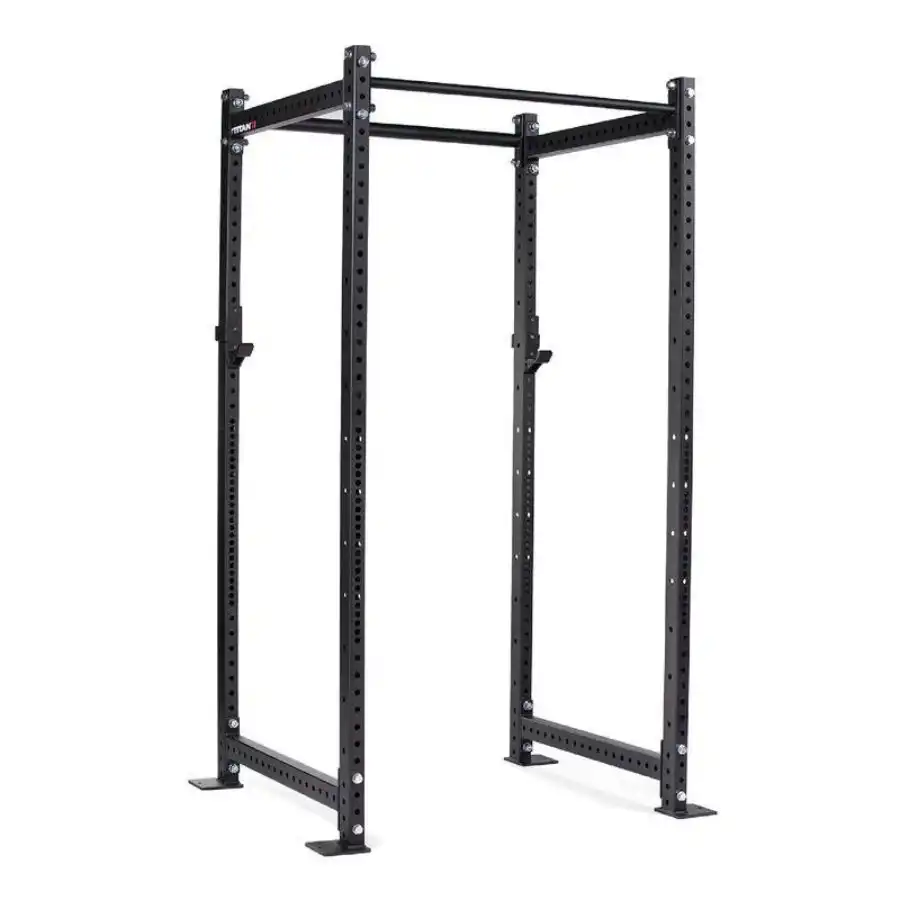
Never sacrifice good form for more weight or more reps. Proper technique is paramount for safety, effective muscle activation, and long-term progress.
- Why it’s crucial:
- Injury Prevention: Incorrect form puts undue stress on joints, ligaments, and tendons, leading to pain and injury.
- Optimal Muscle Activation: Proper form ensures the target muscles are doing the work, maximizing growth and strength gains.
- Sustainable Progress: Good form allows you to progress safely and effectively over months and years, without hitting roadblocks due to pain or compensation.
- How to learn:
- Start with Bodyweight: Master the basic movement patterns (squat, hinge, push, pull) using only your bodyweight before adding external resistance.
- Watch Instructional Videos: Utilize reputable online resources to understand proper mechanics.
- Record Yourself: Video your lifts from different angles. Often, what you feel and what you’re actually doing are different.
- Seek Professional Guidance: Consider a few sessions with a qualified personal trainer to assess your form and provide personalized cues.
- Actionable Advice: Always warm up thoroughly, and for new or complex lifts, perform "warm-up sets" with very light weight to practice the movement pattern before going heavier.
Consistency: The Habit That Pays Dividends
Sporadic, intense workouts yield far less than consistent, moderate effort. Building strength is a marathon, not a sprint.
- Why it matters: Your body adapts over time. Regular exposure to training stimuli is necessary for continuous improvement. Missing workouts frequently disrupts this adaptation process.
- Making it a habit:
- Schedule Your Workouts: Treat them like non-negotiable appointments in your calendar.
- Start Small: Don’t aim for five grueling sessions a week if you’re new. Two or three manageable workouts are more sustainable.
- Find Your Motivation: Connect your training to deeper goals and values.
- Build Momentum: Once you start, it gets easier to keep going. Focus on showing up, even on days you don’t feel like it.
Strategic Recovery: Where Growth Truly Happens
Training breaks down muscle tissue; recovery rebuilds it, stronger. Without adequate recovery, you risk overtraining, injury, and stalled progress.
- Importance of Rest Days: Your muscles need time to repair and rebuild. Incorporate full rest days or active recovery days (light walks, stretching) into your weekly routine.
- Prioritize Sleep: Aim for 7-9 hours of quality sleep per night. This is when your body produces growth hormone and repairs tissues most effectively.
- Fuel Your Body: Adequate nutrition, particularly protein, carbohydrates, and healthy fats, is crucial for muscle repair, energy replenishment, and overall bodily function.
- Avoid Overtraining: Symptoms include persistent fatigue, decreased performance, irritability, and disrupted sleep. If you notice these, take a deload week or extra rest.
Your Strength Journey: A Phased Approach to Progress
Your strength training journey isn’t linear. It’s often most effective to approach it in phases, gradually increasing intensity and complexity as your body adapts and grows.
Phase 1: Foundation & Adaptation (Weeks 1-4)
This initial phase is all about learning the ropes, building a solid base, and establishing a consistent routine.
- Goal: Master fundamental movement patterns, build muscle memory, improve body awareness, and establish a consistent workout habit.
- Focus: Primarily bodyweight exercises and very light external resistance (e.g., resistance bands, light dumbbells). Prioritize perfect form over heavy loads.
- Sample Full-Body Workout Structure (2-3 times per week, with a rest day in between):
- Warm-up (5-10 minutes): Dynamic stretches like arm circles, leg swings, torso twists, cat-cow.
- Lower Body: Bodyweight Squats (3 sets of 10-15 reps), Lunges (3 sets of 8-12 reps per leg).
- Upper Body Push: Incline Push-ups (against a wall or sturdy surface) or Knee Push-ups (3 sets of 8-15 reps).
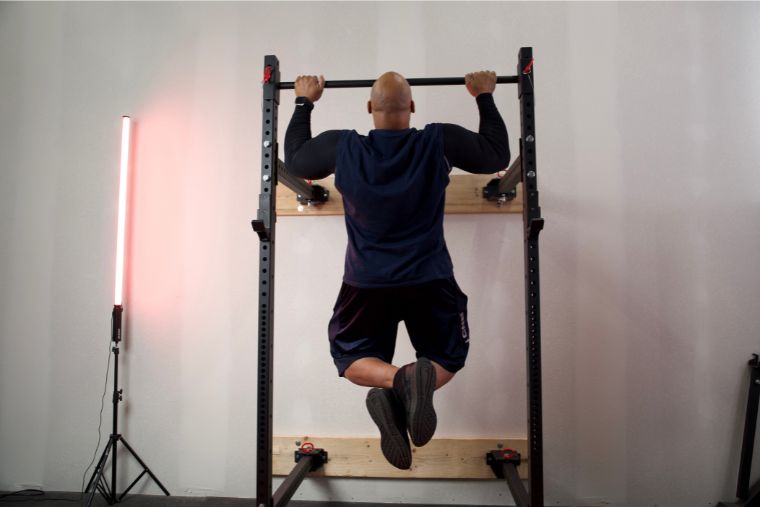
- Upper Body Pull: Resistance Band Rows or Inverted Rows (if you have a sturdy bar) (3 sets of 10-15 reps).
- Core: Plank (3 sets, hold for 30-60 seconds), Bird-Dog (3 sets of 10-12 reps per side).
- Cool-down (5-10 minutes): Static stretches like hamstring stretch, quad stretch, chest stretch.
- Actionable Tip: Don’t get caught up in the numbers here. Your main objective is to feel the muscles working and to execute each repetition with precision. If you can perform an exercise with perfect form, then consider adding a small amount of resistance or increasing reps.
Phase 2: Progressive Challenge & Muscle Building (Weeks 5-12)
Once your foundation is solid, it’s time to introduce more resistance and volume to stimulate significant muscle growth and strength gains.
- Goal: Systematically apply progressive overload, build lean muscle mass, and increase overall strength.
- Focus: Incorporating a wider range of free weights (dumbbells, kettlebells, barbells), resistance bands, and potentially utilizing a sturdy home gym setup.
- Smart Equipment Choices for Home (Generic):
- Adjustable Dumbbells: Highly versatile and space-efficient, suitable for a vast array of exercises.
- Resistance Bands: Excellent for warm-ups, accessory work, and adding progressive resistance to bodyweight movements.
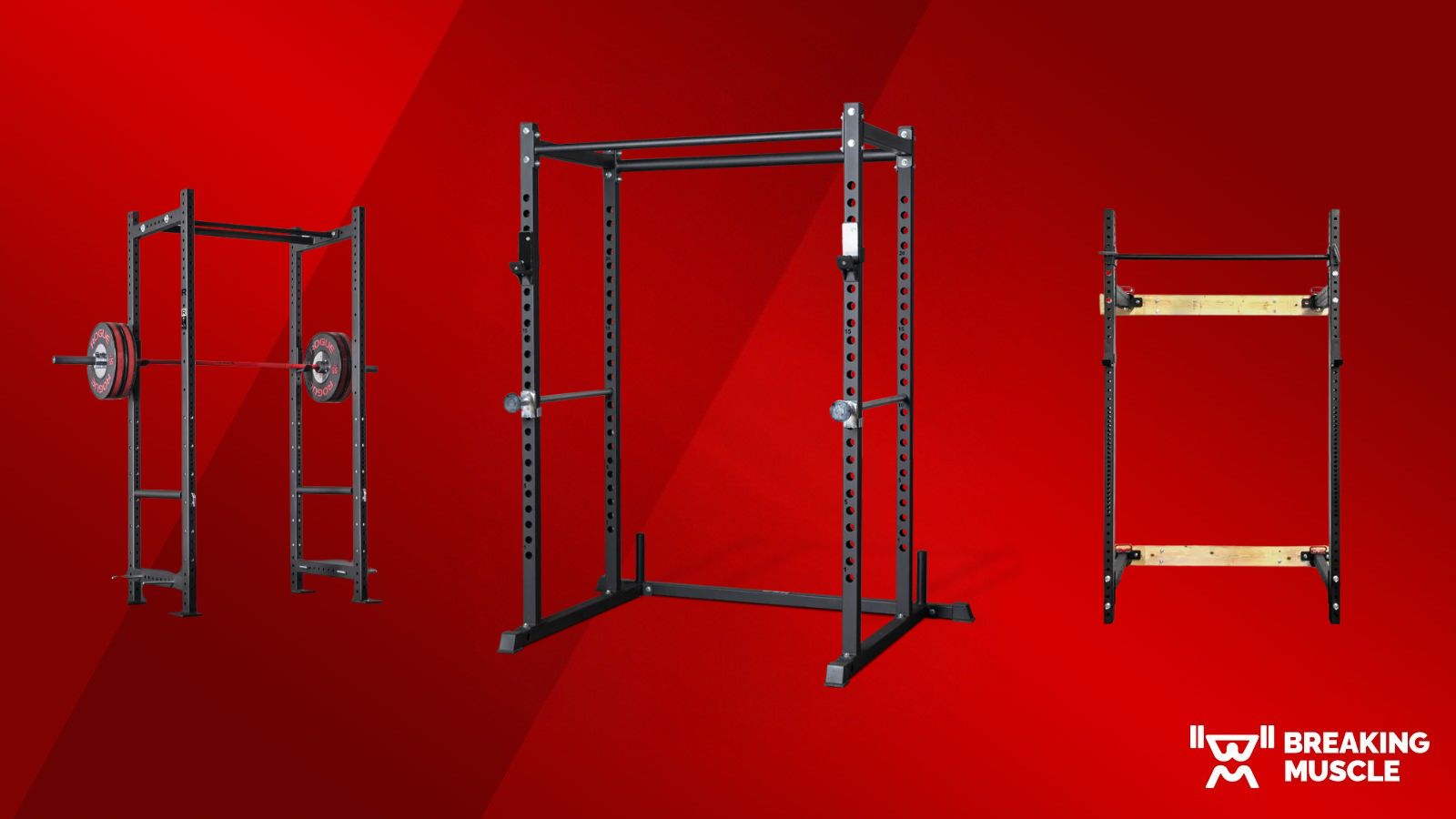
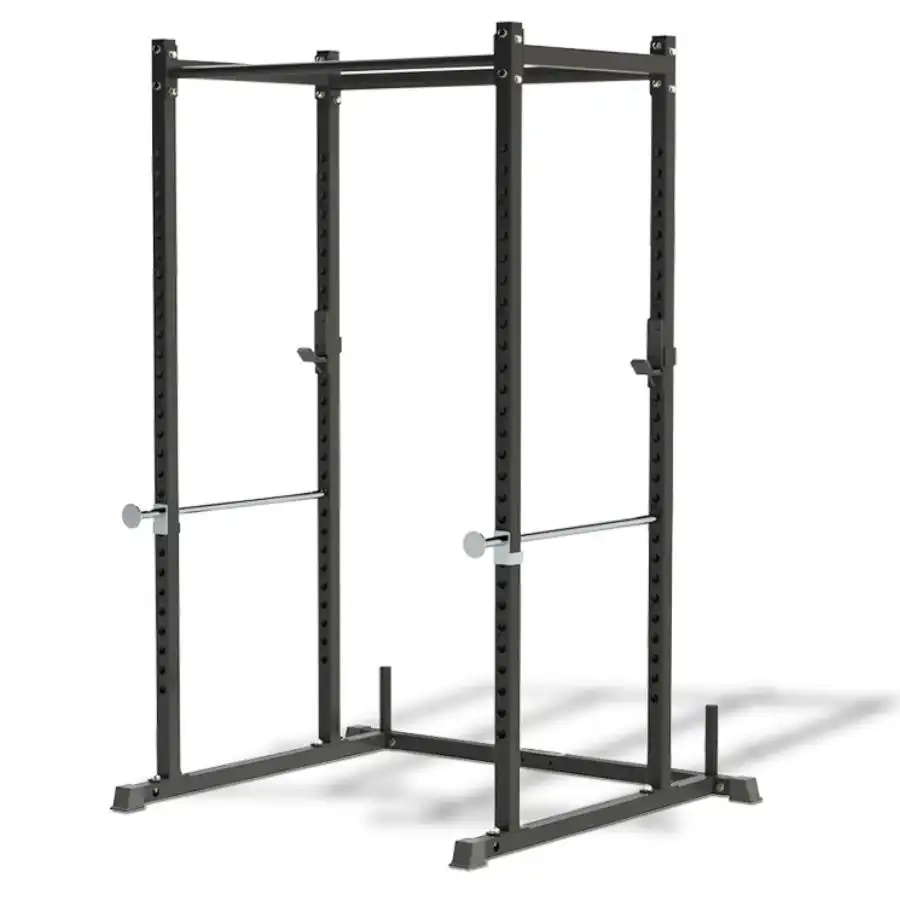
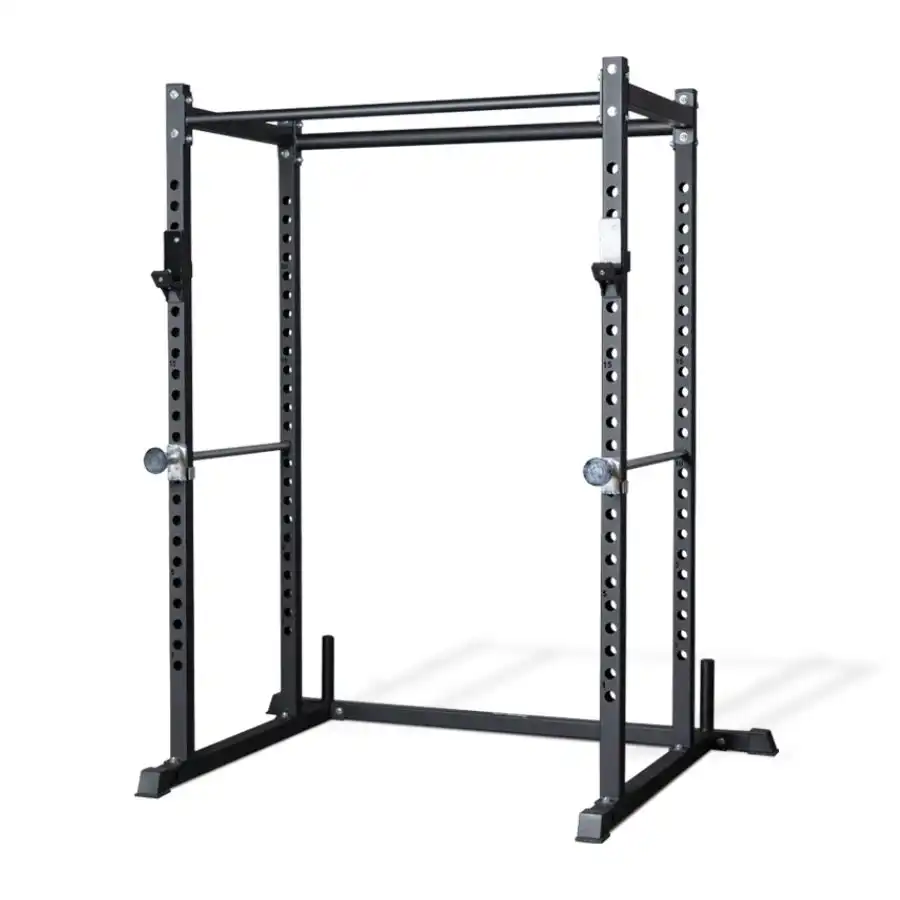
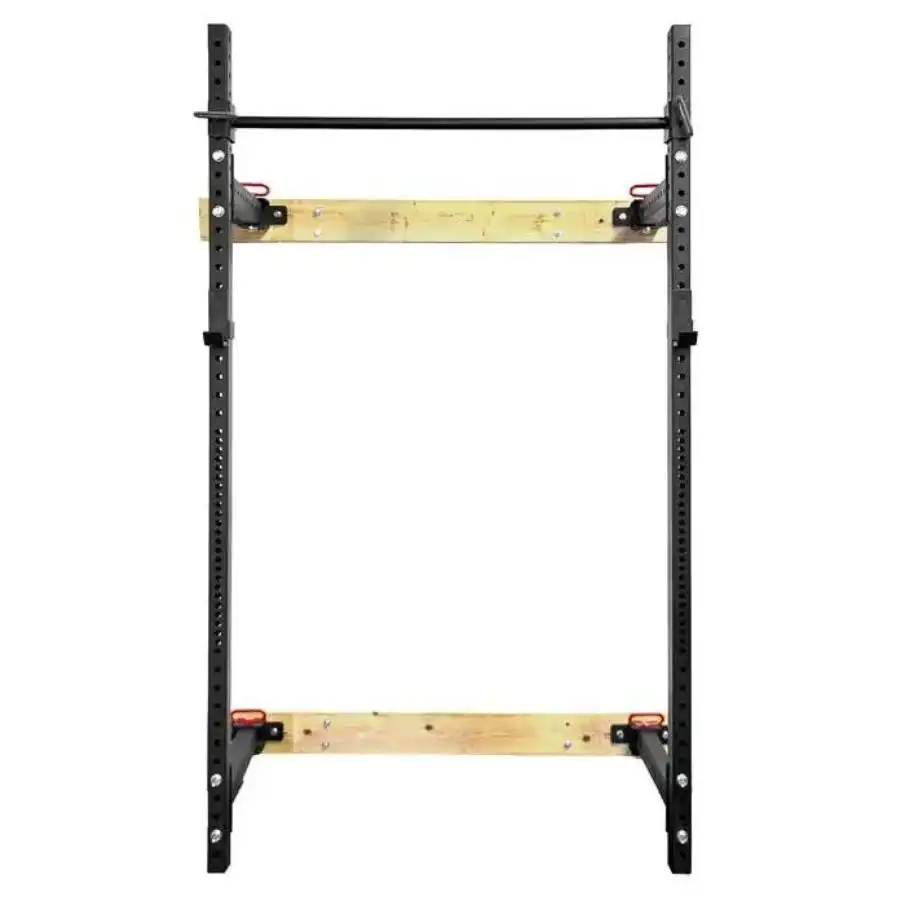
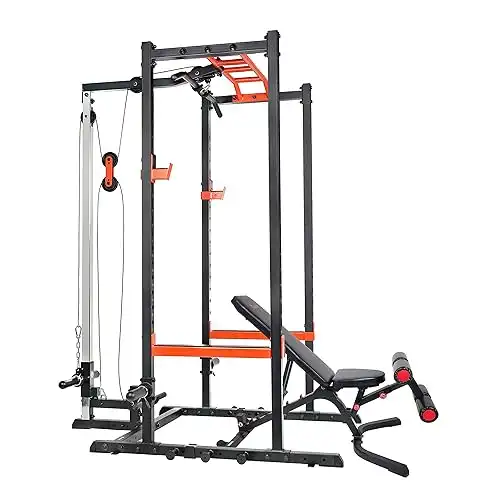
- A Robust Power Rack or Squat Stand: If you’re considering barbell training, a sturdy rack with safety features (like spotter arms) is a non-negotiable investment for safe lifting, especially if training alone.
- A Stable Adjustable Bench: Essential for various pressing, rowing, and accessory exercises.
- Kettlebells: Offer a unique training stimulus, particularly for dynamic movements.
- Progression Strategies:
- Increase Weight: Aim for small increments (e.g., 1-2.5kg) on your main lifts each week or every other week.
- Increase Reps/Sets: Once you hit the top of your target rep range for all sets, consider adding another rep or set before increasing weight.
- Introduce More Complex Lifts: Progress from goblet squats to barbell back squats, or dumbbell rows to barbell rows.
- Vary Exercise Selection: Rotate between different exercises targeting the same muscle groups to provide new stimuli.
- Real-Life Example: "If you’ve mastered goblet squats with a 20kg dumbbell, now is the time to consider learning barbell back squats with a light barbell, focusing on form. Or, if you’re limited to dumbbells, work towards heavier goblet squats, potentially adding a set or increasing your reps to 10-12 before going up in weight."
Phase 3: Advanced Application & Specialization (Beyond 12 Weeks)
For those past the initial intermediate stage, this phase involves refining your training, addressing specific goals, and potentially exploring more advanced techniques.
- Goal: Optimize strength, target specific weaknesses, break through plateaus, and explore advanced training methods.
- Focus:
- Periodization: Systematically varying training volume and intensity over time to optimize performance and prevent overtraining. This could involve blocks of higher volume, followed by blocks of higher intensity.
- Accessory Work: Incorporating specific exercises to strengthen weak links or improve muscle symmetry.
- More Complex Lifts: Exploring Olympic lifts (snatch, clean & jerk) or advanced powerlifting variations (pause squats, deficit deadlifts) if interested and properly coached.
- Deload Weeks: Planned periods of reduced volume and intensity to allow for full recovery and supercompensation, helping you come back stronger.
- Listening to Your Body (Auto-regulation): At this stage, you’ll be more attuned to your body’s signals. Learn to adjust your training based on your energy levels, sleep quality, and recovery status. Some days you push, other days you pull back slightly.
- Actionable Tip: At this level, consider investing in a qualified strength and conditioning coach to help design a personalized program, refine technique on advanced lifts, and strategically plan your training cycles.
Mastering Foundational Movements: Your Strength Training Arsenal
Regardless of your chosen equipment or experience level, mastering these fundamental movement patterns is crucial for comprehensive strength and injury prevention.
The Squat: King of Lower Body
The squat is a natural human movement and an incredibly effective exercise for building lower body and core strength.
- Importance: Develops glutes, quadriceps, hamstrings, and a strong core. Translates directly to daily activities like sitting, standing, and lifting.
- Tips for good form:
- Keep your chest up and shoulders back.
- Initiate the movement by pushing your hips back and bending your knees simultaneously.
- Aim for your hips to descend at least to parallel with your knees (or lower, if comfortable and mobile).
- Keep your weight distributed through your mid-foot to heels.
- Maintain a neutral spine throughout the movement.
- Variations: Bodyweight squats, goblet squats (holding a dumbbell at your chest), front squats, back squats.
The Hinge: Power from the Posterior Chain
Hinging movements are essential for developing the powerful muscles of your posterior chain (glutes, hamstrings, lower back).
- Importance: Crucial for deadlifts, jumping, running, and protecting your lower back.
- Tips for good form:
- Maintain a neutral spine.
- Initiate by pushing your hips back, with only a slight bend in the knees.
- Imagine you’re trying to touch a wall behind you with your glutes.
- Keep the weight close to your body.
- Examples: Romanian Deadlifts (RDLs – focus on hamstring stretch), Conventional Deadlifts (emphasize starting with very light weight and perfect form, or under professional guidance).
Pushing Movements: Upper Body Strength
These exercises target your chest, shoulders, and triceps, building pushing power.
- Importance: Essential for daily tasks like pushing doors or lifting objects overhead, and for a balanced upper body.
- Examples:
- Push-ups: Versatile bodyweight exercise (progress from wall/incline to knees to full, then add variations).
- Overhead Press: Develops shoulder and triceps strength (can be done with dumbbells or a barbell).
- Bench Press: Primarily targets chest, shoulders, and triceps (can be done with dumbbells or a barbell on a flat or incline bench).
Pulling Movements: Balancing Your Physique
Often overlooked, pulling exercises are vital for a strong back, biceps, and good posture. They counterbalance the pushing movements.
- Importance: Crucial for back health, posture, and preventing muscle imbalances.
- Examples:
- Rows: Dumbbell rows, barbell rows, inverted rows (using a low bar).
- Pull-ups/Chin-ups: Excellent for back and bicep development (can be assisted with bands or done with negative reps if you can’t do full ones yet).
Core Stability: The Center of Your Power
A strong core is the foundation for all other movements, protecting your spine and efficiently transferring force.
- Importance: Prevents injury, improves stability, and enhances performance in every lift and daily activity.
- Examples:
- Plank: Develops full core stability (variations include side plank, plank with leg/arm lifts).
- Bird-Dog: Improves core stability and coordination, especially for the lower back.
- Anti-Rotation Presses: Exercises that challenge your core’s ability to resist rotation.
Non-Negotiable Safety Protocols
Safety is paramount in strength training. Ignoring proper precautions can lead to injury, setbacks, and a loss of motivation.
Dynamic Warm-up & Static Cool-down
- Dynamic Warm-up (5-10 minutes before training): Prepares your body for exercise by increasing blood flow, raising core body temperature, and improving joint mobility. Examples: light cardio (jogging, jumping jacks), leg swings, arm circles, torso twists.
- Static Cool-down (5-10 minutes after training): Helps improve flexibility, reduce muscle soreness, and bring your heart rate down. Examples: holding stretches for 20-30 seconds, focusing on the muscles you just worked.