The journey to a fitter, healthier you is more than just lifting weights or running miles; it’s a comprehensive transformation that touches every aspect of your life. For many, fitness can feel like a daunting mountain to climb, filled with confusing jargon, conflicting advice, and the pressure of achieving unrealistic ideals. But what if there was a clearer, more sustainable path? A path that honors your body, respects your current capabilities, and builds lasting strength from the inside out?
This article is your blueprint. Whether you’re just lacing up your first pair of trainers or looking to elevate an existing routine, we’ll guide you through a holistic approach to fitness. We’ll demystify the science, offer practical strategies, and equip you with the mindset needed to not just reach your goals, but to sustain a vibrant, energetic, and resilient life. Forget quick fixes and fleeting trends; it’s time to forge a path that truly lasts.
Understanding the Foundations: Why Fitness Matters Beyond Aesthetics
When we think of fitness, images of toned physiques and impressive feats of strength often come to mind. While these aesthetic and performance goals are certainly valid motivators, the true power of fitness lies much deeper. Engaging in regular physical activity is a profound investment in your overall well-being, influencing everything from your mood to your longevity. It’s about building a body that supports you in every facet of life, enabling you to play with your kids, tackle household tasks with ease, navigate stress, and simply feel better in your own skin.
For beginners, understanding this broader perspective can be incredibly empowering. It shifts the focus from external validation to internal strength and resilience. It’s not just about looking good, but about feeling good and living well.
Here are some core reasons why fitness is a non-negotiable component of a thriving life:
- Enhanced Physical Health: Regular exercise strengthens your cardiovascular system, reducing the risk of heart disease, stroke, and high blood pressure. It improves insulin sensitivity, helping to manage or prevent type 2 diabetes. Bone density increases, warding off osteoporosis, and joint health is maintained, promoting mobility as you age.
- Boosted Mental Well-being: Physical activity is a powerful antidote to stress, anxiety, and even depression. It releases endorphins, natural mood elevators that can leave you feeling happier and more relaxed. The discipline and achievement involved in fitness can also significantly boost self-esteem and cognitive function.
- Increased Energy Levels: Counterintuitively, expending energy through exercise often leads to more energy in your daily life. Regular activity improves your stamina, making everyday tasks less tiring and freeing up mental and physical reserves.
- Improved Sleep Quality: A well-exercised body tends to sleep more deeply and restoratively. This, in turn, enhances recovery, mood, and overall health.
- Greater Functional Capacity: From carrying groceries to playing sports, fitness translates into improved strength, endurance, and flexibility for everyday activities. You move with more ease, less pain, and greater confidence.
Embracing fitness means embracing a proactive approach to health. It’s about taking control, making conscious choices, and experiencing the profound ripple effect that physical activity has on your entire existence. This foundational understanding is the bedrock upon which you’ll build your sustainable fitness journey.
Crafting Your Movement Blueprint: Effective Training Strategies
Embarking on a fitness journey requires a clear plan. While there are countless workout styles, a balanced approach typically incorporates three key pillars: strength training, cardiovascular conditioning, and flexibility/mobility work. Each plays a crucial role in developing a well-rounded, resilient physique. For beginners and intermediates, the focus should be on consistency, proper form, and progressive overload—gradually increasing the demands on your body over time.
Strength Training: The Cornerstone
Strength training isn’t just for bodybuilders; it’s essential for everyone. It builds muscle, strengthens bones, improves metabolism, and enhances functional movement. Aim for 2-3 full-body strength sessions per week, allowing a day of rest between sessions for muscle recovery.
Practical Workout Tips for Strength:
- Start with Compound Movements: Focus on exercises that work multiple muscle groups simultaneously. Examples include:
- Squats: Bodyweight squats are excellent for beginners. Progress to goblet squats or dumbbell squats as you get stronger.
- Push-ups: Start on your knees or against a wall if needed, gradually working towards full push-ups.
- Rows: Resistance band rows or dumbbell rows are great for back strength.
- Lunges: Forward or reverse lunges improve leg strength and balance.
- Planks: A fantastic core exercise; focus on holding a straight line from head to heels.
- Master Form First: Before adding heavy weight, ensure your technique is correct. Watch videos, use mirrors, or consider a few sessions with a qualified coach. Incorrect form is the fastest route to injury.
- Progressive Overload: To keep getting stronger, you need to challenge your muscles. This can be done by:
- Increasing the weight.
- Doing more repetitions (reps) or sets.
- Decreasing rest time between sets.
- Increasing the frequency of your workouts.
- Sample Beginner Routine (3 sets of 8-12 reps):
- Bodyweight Squats
- Knee Push-ups
- Dumbbell Rows (or Band Rows)
- Reverse Lunges
- Plank (hold for 30-60 seconds)
Real-Life Example: Imagine you start with 3 sets of 10 bodyweight squats. After a few weeks, these feel easy. You might then try holding a light dumbbell for goblet squats, or increase to 3 sets of 15 bodyweight squats. This gradual progression is key.
Cardiovascular Conditioning: Fueling Your Engine
Cardio strengthens your heart and lungs, improves endurance, and boosts your body’s ability to utilize oxygen efficiently. Aim for at least 150 minutes of moderate-intensity cardio or 75 minutes of vigorous-intensity cardio per week, spread across several days.
Actionable Advice for Cardio:
- Choose Activities You Enjoy: Running, cycling, swimming, dancing, brisk walking, hiking, or even playing sports can all be excellent cardio. The key is consistency, so pick something you’ll stick with.
- Vary Intensity: Incorporate both steady-state cardio (e.g., a long, comfortable jog) and interval training (e.g., short bursts of high-intensity effort followed by recovery periods) for optimal results.
- Listen to Your Body: If you’re new to cardio, start with brisk walking and gradually increase duration and intensity. The "talk test" is a good guide: you should be able to hold a conversation during moderate cardio, but it should be challenging during vigorous activity.
- Sample Cardio Integration:
- Day 1: 30 minutes brisk walk/jog
- Day 2: 20 minutes cycling (moderate pace)
- Day 3: 20 minutes interval training (e.g., 1 min fast walk, 2 min moderate walk, repeat 5-7 times)
Flexibility & Mobility: Unlocking Your Range
Often overlooked, flexibility and mobility are crucial for preventing injuries, improving posture, and enhancing overall movement quality. Flexibility refers to the length of your muscles, while mobility is the range of motion at a joint.
Practical Tips for Flexibility & Mobility:
- Incorporate Dynamic Stretches Pre-Workout: Arm circles, leg swings, torso twists prepare your body for movement.
- Perform Static Stretches Post-Workout: Hold stretches for 20-30 seconds after your muscles are warm. Focus on major muscle groups.
- Dedicate Specific Sessions: Consider yoga, Pilates, or dedicated stretching routines 2-3 times per week.
- Focus on Problem Areas: If you sit a lot, focus on hip flexor stretches and chest openers. If you lift heavy, pay attention to hamstrings, glutes, and shoulders.
By integrating these three pillars, you’re not just building a stronger body, but a more resilient, capable, and pain-free one. Remember, consistency is your most powerful tool.
Nourishing Your Ascent: Fueling for Performance and Health
Your fitness journey is as much about what you put into your body as what you do with it. Nutrition is the bedrock upon which performance, recovery, and overall health are built. Think of food not just as sustenance, but as fuel – providing the energy for your workouts, the building blocks for muscle repair, and the vital nutrients to keep your systems running optimally. For beginners to intermediates, understanding the basics of macronutrients, micronutrients, and mindful eating can unlock significant progress.
The Power of Macronutrients
Macronutrients are the nutrients your body needs in large amounts: carbohydrates, proteins, and fats. Each plays a distinct and crucial role.
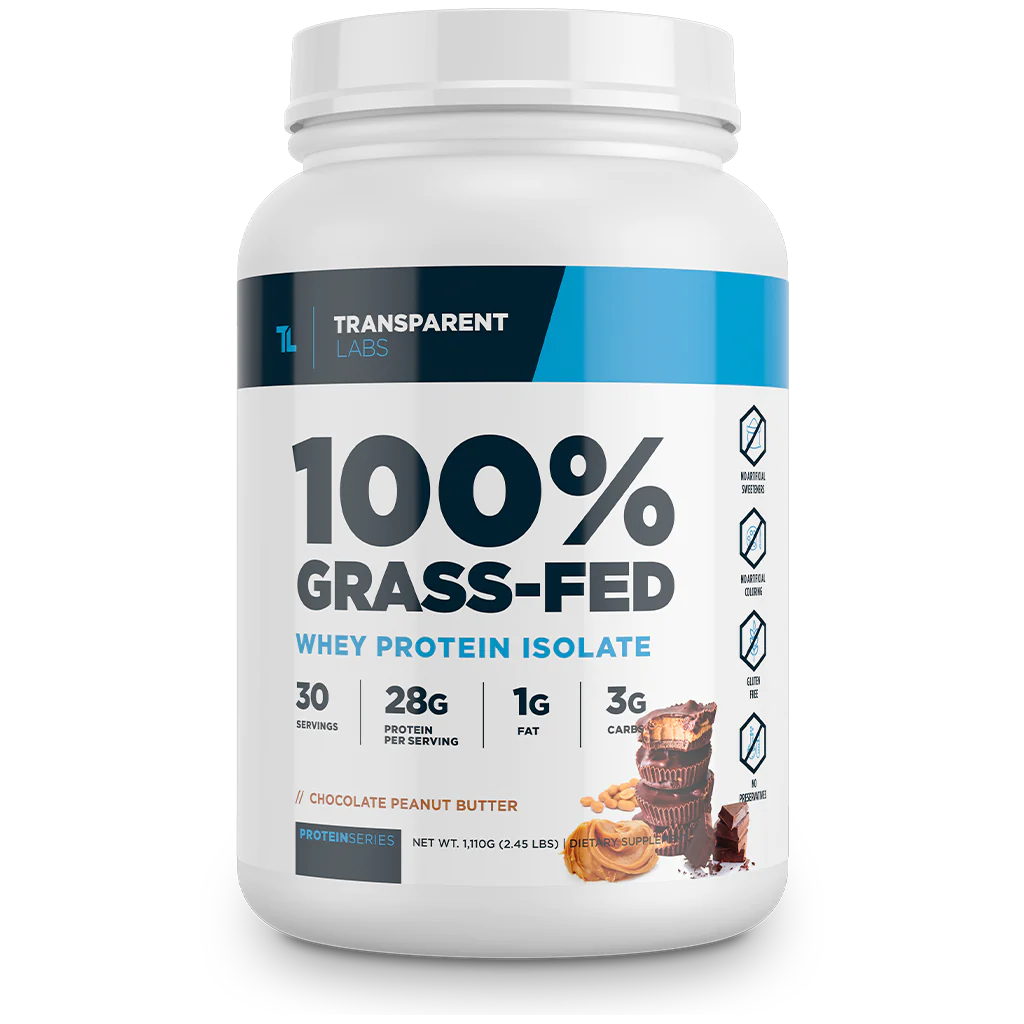
- Proteins: The Building Blocks. Essential for muscle repair and growth, hormone production, and enzyme function.
- Actionable Advice: Aim for 0.7-1 gram of protein per pound of body weight, especially if you’re active. Distribute protein intake throughout the day (e.g., 20-30 grams per meal).
- Real-Life Examples: Lean meats (chicken, turkey, beef), fish, eggs, dairy (Greek yogurt, cottage cheese), legumes (lentils, beans), tofu, and quinoa.
- Carbohydrates: The Primary Energy Source. Your body converts carbohydrates into glucose, which fuels your brain and muscles during exercise.
- Actionable Advice: Focus on complex carbohydrates for sustained energy and fiber. Timing your carb intake around workouts can be beneficial.
- Real-Life Examples: Whole grains (oats, brown rice, whole-wheat bread), fruits, vegetables, and starchy vegetables (sweet potatoes). Limit refined sugars and processed carbs.
- Fats: Essential for Hormones and Absorption. Healthy fats are vital for hormone production, nutrient absorption, brain health, and providing a concentrated source of energy.
- Actionable Advice: Incorporate healthy fats into your diet in moderation.
- Real-Life Examples: Avocados, nuts, seeds, olive oil, fatty fish (salmon, mackerel).
Practical Tip: Don’t fear any macronutrient. Each has its place. The key is balance and choosing high-quality sources. A simple approach for each meal is to include a lean protein source, a complex carbohydrate, and a serving of healthy fats.
Micronutrients and Hydration: The Unsung Heroes
While macronutrients provide energy and structure, micronutrients (vitamins and minerals) are the catalysts for countless bodily functions. Hydration, meanwhile, is fundamental to every physiological process.
- Vitamins and Minerals: These tiny powerhouses support everything from energy production and immune function to bone health and nerve transmission.
- Actionable Advice: Eat a wide variety of colorful fruits and vegetables daily. Aim for "eating the rainbow" to ensure a broad spectrum of micronutrients.
- Real-Life Example: A spinach salad with berries, bell peppers, and grilled chicken covers multiple bases.
- Hydration: Water makes up about 60% of your body weight and is critical for regulating body temperature, transporting nutrients, lubricating joints, and maintaining organ function.
- Actionable Advice: Drink plenty of water throughout the day, especially before, during, and after exercise. A good general guideline is to aim for half your body weight in ounces of water daily.
- Real-Life Example: Keep a water bottle handy and sip regularly. Infuse water with fruit or cucumber if plain water feels boring.
Mindful Eating: Beyond the Plate
Nutrition isn’t just about what you eat, but how and why you eat. Mindful eating cultivates a healthier relationship with food.
- Pay Attention to Hunger and Fullness Cues: Eat when you’re hungry, stop when you’re satisfied, not stuffed.
- Eat Slowly and Savor: Enjoy your food, noticing tastes, textures, and smells. This also gives your brain time to register fullness.
- Avoid Distractions: Put away your phone, turn off the TV. Focus solely on your meal.
- Understand Emotional Eating: Recognize if you’re eating out of boredom, stress, or sadness, rather than true hunger. This awareness is the first step to changing the pattern.
By adopting a balanced, nutrient-dense eating strategy and practicing mindful consumption, you provide your body with the optimal fuel for performance, recovery, and vibrant health, transforming your fitness journey from the inside out.
The Art of Restoration: Prioritizing Recovery and Sleep
In the pursuit of fitness, many focus intensely on training, pushing harder and harder. However, true progress isn’t made during the workout; it’s made between workouts, when your body has the opportunity to adapt, repair, and grow stronger. Neglecting recovery is like constantly planting seeds without ever watering them – you’ll eventually burn out and see little growth. For beginners and intermediates, understanding and prioritizing recovery, sleep, and stress management is paramount for sustainable progress and injury prevention.
Active Recovery Techniques
Active recovery involves low-intensity exercise that helps increase blood flow, reduce muscle soreness, and improve flexibility without placing significant stress on the body.
Actionable Advice for Active Recovery:

- Gentle Movement: On rest days, engage in light activities like walking, cycling at a low intensity, or swimming. This can help flush metabolic waste products from muscles.
- Foam Rolling and Self-Massage: Spend 10-15 minutes targeting tight muscle groups. This can improve tissue quality and range of motion.
- Stretching and Mobility Drills: Dedicate time to static stretching or dynamic mobility exercises to maintain flexibility and joint health. This is particularly beneficial after strenuous workouts.
- Yoga or Pilates: These practices combine gentle movement, stretching, and mindful breathing, making them excellent for active recovery and stress reduction.
Real-Life Example: After a heavy leg day, instead of just sitting on the couch, take a leisurely 20-minute walk the next day. Follow it up with some gentle hamstring stretches and glute mobility work. This feels good and aids recovery.
The Undeniable Power of Sleep
Sleep is perhaps the most undervalued component of fitness. It’s during sleep that your body performs critical repair processes, rebuilds muscle tissue, synthesizes hormones, and consolidates learning. Chronic sleep deprivation can sabotage your fitness goals, impair performance, increase injury risk, and negatively impact mood and cognitive function.
Practical Tips for Optimizing Sleep:
- Aim for 7-9 Hours: Most adults need this range for optimal recovery and function.
- Establish a Consistent Sleep Schedule: Go to bed and wake up around the same time each day, even on weekends. This regulates your body’s natural circadian rhythm.
- Create a Relaxing Bedtime Routine: Wind down with activities like reading, a warm bath, or light stretching. Avoid screens (phones, tablets, TV) for at least an hour before bed.
- Optimize Your Sleep Environment: Ensure your bedroom is dark, quiet, and cool.
- Limit Caffeine and Alcohol: Avoid these substances, especially in the hours leading up to bedtime.
Real-Life Example: If you typically scroll on your phone until you pass out, try switching to reading a physical book 30 minutes before bed. You’ll likely find yourself falling asleep more easily and waking up feeling more refreshed.
Stress Management: A Silent Performance Enhancer
Chronic stress elevates cortisol levels, which can hinder muscle growth, promote fat storage, and suppress the immune system. Effectively managing stress is as important for your physical progress as your diet and training.
Actionable Advice for Stress Reduction:
- Mindfulness and Meditation: Even 5-10 minutes a day can significantly reduce stress and improve mental clarity. Simple breathing exercises are a great starting point.
- Connect with Nature: Spend time outdoors. A walk in a park or forest can be incredibly calming.
- Prioritize Downtime: Schedule time for hobbies, relaxation, and connecting with loved ones.
- Set Boundaries: Learn to say no to commitments that overextend you.
- Journaling: Writing down your thoughts and feelings can be a powerful way to process stress.
By consciously integrating active recovery, prioritizing quality sleep, and proactively managing stress, you’re not just resting; you’re actively facilitating your body’s ability to adapt, grow, and perform at its best, ensuring your fitness journey is both productive and enjoyable.
Cultivating an Unbreakable Mindset: Mental Fortitude in Fitness
Physical fitness is inextricably linked to mental strength. The journey will inevitably present challenges—days you don’t feel like training, plateaus that test your resolve, and moments of self-doubt. It’s during these times that your mindset becomes your most powerful asset. For beginners and intermediates, developing mental fortitude isn’t about being relentlessly positive, but about cultivating resilience, setting realistic expectations, and learning to navigate the ups and downs with grace and determination.

Setting SMART Goals
Vague goals lead to vague results. "I want to get fit" is less effective than "I will strength train three times a week for 30 minutes and walk 10,000 steps daily for the next three months."
Actionable Advice for Goal Setting:
- Specific: Clearly define what you want to achieve.
- Measurable: How will you track progress? (e.g., lift 5kg more, run for 1 minute longer).
- Achievable: Is it realistic given your current situation and resources?
- Relevant: Does it align with your broader values and long-term vision?
- Time-bound: Set a deadline to create a sense of urgency.
Real-Life Example: Instead of "I want to lose weight," try "I will reduce my body fat percentage by 2% in the next 12 weeks by consistently following my nutrition plan and exercising 4 times a week." Break down large goals into smaller, manageable milestones to celebrate progress along the way.
Embracing Consistency Over Intensity
The biggest mistake many beginners make is going too hard, too fast. This often leads to burnout, injury, and ultimately, quitting. Consistency—showing up day after day, week after week—is far more impactful than occasional bursts of extreme effort.
Practical Tip:
- Start Small: If 30 minutes feels overwhelming, commit to 15. The goal is to build the habit first.
- Focus on the "Minimum Viable Effort": On days you lack motivation, just aim to do something. A 10-minute walk is better than nothing.
- Track Your Progress: Seeing a consistent log of workouts, even if they’re not always intense, reinforces the habit and motivates you to continue.
- Don’t Break the Chain: Try to maintain your routine without missing more than one scheduled session in a row.
Real-Life Example: Instead of aiming for an hour-long, high-intensity workout five times a week and failing, commit to three 30-minute strength sessions and two 20-minute walks. This smaller commitment is more likely to be sustained, leading to greater long-term results.
Overcoming Plateaus and Setbacks
Plateaus are a natural part of any fitness journey. Your body adapts, and what once challenged it no longer does. Setbacks, like injuries or unexpected life events, can also derail progress. The key is how you respond.
Actionable Advice for Resilience:
- Analyze and Adjust: If you hit a plateau, don’t get discouraged. Review your training, nutrition, and recovery. Are you consistently applying progressive overload? Are you eating enough to support your activity? Are you getting enough sleep? Make small adjustments.
- Seek Variety: Sometimes a plateau means your body needs a new stimulus. Try a different exercise variation, change your rep ranges, or even switch up your cardio routine.
- Remember Your "Why": Reconnect with the initial reasons you started your fitness journey. This intrinsic motivation is a powerful force.
- Practice Self-Compassion: Don’t beat yourself up over missed workouts or dietary slip-ups. Acknowledge the setback, learn from it, and get back on track without dwelling on perfection. One bad meal doesn’t ruin a week of healthy eating; one missed workout doesn’t erase months of progress.
- Celebrate Small Victories: Acknowledge every step forward, no matter how small. This positive reinforcement fuels motivation.
Cultivating an unbreakable mindset means recognizing that fitness is a journey, not a destination. It’s about learning, adapting, and growing, both physically and mentally, with every step you take.
Integrating Fitness into Your Life: Making It Stick
True fitness isn’t just a temporary phase; it’s a lifestyle. The real challenge often lies not in starting, but in making fitness an inseparable part of your daily routine, something you look forward to rather than dread. For beginners and intermediates, this involves building sustainable habits, leveraging the power of community, and learning to truly listen to your body.
Building Sustainable Habits
Habits are the invisible architects of our daily lives. By consciously building positive fitness habits, you reduce the mental effort required to stay on track.
Practical Tips for Habit Formation:
- Stack Habits: Link a new fitness habit to an existing one. For example, "After I brew my coffee, I will do 10 minutes of stretching."
- Make It Easy: Reduce friction. Lay out your workout clothes the night before, pack your gym bag, or choose a gym that’s on your commute.
- Reward Yourself (Non-Food): After achieving a small goal, treat yourself with something that supports your well-being, like a new book, a massage, or an hour of uninterrupted hobby time.
- Anticipate Obstacles: Think about what might prevent you from exercising (e.g., bad weather, busy day) and create a plan B (e.g., home workout, shorter session).
Real-Life Example: Instead of relying on willpower every morning, prepare your breakfast and gym clothes the night before. This small act removes decision fatigue and makes it much easier to stick to your morning workout.
Finding Your Tribe: The Power of Community
Fitness doesn’t have to be a solitary endeavor. Connecting with others can provide motivation, accountability, and a sense of belonging.
Actionable Advice for Community Engagement:
- Workout Partner: Find a friend or family member with similar goals to train with.
- Group Classes: Try a spin class, yoga studio, boot camp, or martial arts class. The energy and instruction can be highly motivating.
- Online Communities: Join fitness forums, social media groups, or virtual challenges to connect with like-minded individuals.
- Consider a Coach: For personalized guidance and accountability, working with a certified personal trainer can be invaluable, especially when starting out or trying to break a plateau.
Real-Life Example: Sarah struggled to stay consistent with her gym routine. She joined a local running club, found a workout buddy, and suddenly, her runs became enjoyable social events she looked forward to, dramatically improving her consistency.
Listening to Your Body: The Ultimate Guide
Perhaps the most crucial skill in sustainable fitness is learning to tune into your body’s signals. It tells you when to push, when to rest, and when something is wrong.
Practical Advice for Body Awareness:
- Recognize the Difference Between Soreness and Pain: Muscle soreness (DOMS) is normal after a tough workout. Sharp, persistent, or joint pain is a warning sign to stop and assess.
- Honor Rest Days: Don’t feel guilty about taking a day off. Rest is where growth happens.
- Adjust as Needed: If you feel overly fatigued, stressed, or on the verge of getting sick, it’s okay to reduce intensity or take an extra rest day. Pushing through when your body is screaming for rest often leads to injury or burnout.
- Pay Attention to Energy Levels and Mood: These are strong indicators of whether your current routine is supporting or draining you.
Real-Life Example: Mark was scheduled for a heavy lifting session but woke up feeling unusually tired and irritable. Instead of forcing himself, he opted for a lighter mobility workout and an extra hour of sleep. He came back stronger and more refreshed for his next session, avoiding potential injury or overtraining.
By proactively building sustainable habits, leveraging the power of community, and mastering the art of listening to your body, you transform fitness from a chore into an integrated, enjoyable, and enduring part of your life. This holistic approach ensures not just short-term gains, but lifelong vitality.
Conclusion: Your Journey, Your Legacy
You’ve embarked on a remarkable journey, one that extends far beyond the gym floor or the kitchen table. Forge Your Path isn’t just about building muscle or shedding pounds; it’s about cultivating a profound relationship with your body, nurturing your mind, and creating a foundation for a life lived with energy, purpose, and resilience.
Remember, fitness is a marathon, not a sprint. There will be exhilarating highs and challenging lows. You’ll celebrate victories, learn from setbacks, and continually adapt. Embrace the process, cherish the progress, and above all, be patient and kind to yourself.
The strength you build, the healthy habits you forge, and the mental fortitude you develop will serve you not just in your workouts, but in every aspect of your life. They will empower you to face challenges head-on, to embrace new experiences, and to live with an unparalleled sense of vitality.
This is your blueprint. Now, take the first step, or the next step, with confidence and determination. Your future self will thank you for the commitment you make today. Go forth, stay consistent, and forge your path to lifelong well-being. The power is within you.