Many embark on a "weight loss" journey with a simple goal: to see a lower number on the scale. But for those truly committed to transforming their bodies and improving their health, the objective is far more nuanced. It’s about shedding excess body fat while diligently preserving, or even building, invaluable lean muscle mass. Without a well-thought-out strategy, simply restricting calories can lead to a frustrating outcome: losing both fat and the very muscle tissue that boosts your metabolism and shapes your physique.
Enter protein, the undisputed titan of macronutrients in the realm of body composition. Far from being just a bodybuilding staple, protein plays a multifaceted, crucial role in successful and sustainable fat loss. It influences everything from how satisfied you feel after a meal to how efficiently your body burns calories, and critically, how well you safeguard your hard-earned muscle when in a calorie deficit.
This article will serve as your definitive guide to understanding and harnessing the strategic power of protein. We’ll delve into the science, explore practical ways to integrate optimal protein intake into your daily life, and provide actionable advice to help you forge a leaner, stronger, and more resilient physique. Whether you’re just starting your fitness journey or looking to refine your approach, mastering protein intake is a cornerstone of lasting success.
The Foundational Role of Protein in Your Fat Loss Journey
Protein isn’t merely fuel; it’s a fundamental building block and a strategic ally in your quest for fat loss. Its influence extends across several physiological processes, each playing a vital part in achieving your body composition goals.
Fueling Satiety and Curbing Cravings
One of protein’s most celebrated benefits for fat loss is its profound impact on satiety – the feeling of fullness and satisfaction after eating. Compared to carbohydrates and fats, protein is king when it comes to keeping hunger at bay.
- Hormonal Regulation: Protein consumption triggers the release of satiety hormones like cholecystokinin (CCK) and glucagon-like peptide-1 (GLP-1), while simultaneously reducing levels of ghrelin, the "hunger hormone." This hormonal symphony sends powerful signals to your brain, indicating you’re full and satisfied, which naturally reduces your overall calorie intake throughout the day.
- Sustained Energy: High-protein meals take longer to digest than those rich in simple carbohydrates. This slow, steady release of energy helps stabilize blood sugar levels, preventing the sharp spikes and crashes that often lead to intense cravings and energy dips. By maintaining stable energy, you’re less likely to reach for unhealthy snacks between meals.
Practical Tip: Start your day with a high-protein breakfast. Eggs, Greek yogurt, or a protein-rich smoothie can set the tone for controlled eating and sustained energy throughout your morning, making you less susceptible to mid-morning snack attacks.
Preserving Precious Muscle Mass
When you create a calorie deficit – consuming fewer calories than your body burns – your body needs to find alternative energy sources. Without sufficient protein and resistance training, it often turns to muscle tissue for fuel, a process known as muscle catabolism. This is counterproductive to fat loss for several reasons:
- Metabolic Slowdown: Muscle is metabolically active tissue, meaning it burns more calories at rest than fat does. Losing muscle mass effectively slows down your basal metabolic rate (BMR), making it harder to maintain a calorie deficit and easier to regain weight.
- Body Composition: The goal is to look leaner and more toned. Losing muscle while losing weight can lead to a "skinny fat" appearance, where you’re lighter but lack definition. A high-protein diet, combined with strength training, signals to your body that existing muscle should be retained, providing the amino acids necessary for muscle repair and growth, even in a deficit.
Real-Life Example: Imagine two individuals losing 10 pounds. One followed a low-protein, cardio-heavy diet and lost 5 pounds of fat and 5 pounds of muscle. The other, with a high-protein diet and resistance training, lost 8 pounds of fat and gained 2 pounds of muscle. The second individual will not only look more toned but will also have a higher resting metabolism, making long-term weight management easier.
Boosting Your Metabolism (The Thermic Effect of Food)
Digesting and metabolizing food requires energy, a process known as the Thermic Effect of Food (TEF). Protein has the highest TEF among all macronutrients.
- Higher Calorie Burn: Approximately 20-30% of the calories from protein are burned off during digestion and absorption, compared to 5-10% for carbohydrates and 0-3% for fats. This means that for every 100 calories of protein you consume, 20-30 of those calories are expended just to process it. This metabolic "boost" contributes to a larger overall calorie deficit without further reducing your food intake.
- Sustained Energy Expenditure: This elevated metabolic rate can last for several hours after a high-protein meal, contributing to a greater total daily energy expenditure.
Supporting Recovery and Performance
Effective fat loss often involves a consistent exercise regimen, particularly resistance training. Protein is paramount for recovery and performance.
- Muscle Repair: Intense workouts cause microscopic tears in muscle fibers. Protein provides the amino acids needed to repair these tears, leading to stronger, more resilient muscles.
- Reduced Soreness: Adequate protein intake can help mitigate delayed onset muscle soreness (DOMS), allowing you to maintain consistency with your training schedule and recover faster for your next session.
- Enhanced Strength: By supporting muscle repair and growth, protein enables you to progressively overload your muscles, leading to increased strength and lean mass over time, which further aids in fat loss.
How Much Protein Do You Really Need for Fat Loss?
Determining your optimal protein intake is critical for maximizing fat loss and muscle preservation. While general guidelines exist, individual needs can vary based on activity level, body composition, and specific goals.
General Guidelines and Individualization
For individuals focused on fat loss while preserving muscle, the recommended protein intake is significantly higher than the standard dietary guidelines.
- Sedentary Individuals: Even those who are not highly active can benefit from a higher protein intake (around 0.8-1.0 grams per kilogram of body weight) to support satiety and overall health.
- Active Individuals & Fat Loss: For beginners to intermediate fitness enthusiasts actively engaged in resistance training and aiming for fat loss, a range of 1.6 to 2.2 grams of protein per kilogram of body weight (approximately 0.7 to 1.0 grams per pound of body weight) is generally recommended. This higher intake ensures ample amino acids are available for muscle repair and maintenance during a calorie deficit.
- Extremely Lean Individuals / Aggressive Deficits: In some cases, for very lean individuals or those on an aggressive calorie deficit, protein intake might even go slightly higher (up to 2.5 g/kg or 1.1 g/lb) to further safeguard muscle mass.
Calculating Your Target Intake
Let’s break down how to calculate your personalized protein target:
- Determine your body weight in kilograms: If you weigh 180 pounds, divide by 2.2 to get kilograms (180 lbs / 2.2 lbs/kg = 81.8 kg).
- Multiply by your target range:
- For 1.6 g/kg: 81.8 kg * 1.6 g/kg = 131 grams of protein per day.
- For 2.2 g/kg: 81.8 kg * 2.2 g/kg = 180 grams of protein per day.
So, an individual weighing 180 lbs aiming for fat loss would target roughly 130-180 grams of protein daily. This might seem like a lot, but it’s achievable by strategically incorporating protein into every meal and snack.
Spreading Your Intake for Maximum Benefit
It’s not just about total daily protein; how you distribute it matters.
- Even Distribution: Aim to consume protein at every main meal and ideally with snacks. Spreading your protein intake throughout the day (e.g., 25-40 grams per meal) has been shown to be more effective for muscle protein synthesis and satiety than consuming one or two very large protein meals.
- Pre and Post-Workout: Consuming protein before and/or after your workouts can optimize recovery and muscle repair. A protein shake is particularly convenient post-workout for rapid delivery of amino acids.
- Before Bed: A slower-digesting protein (like casein, found in cottage cheese or specific protein powders) before bed can provide a sustained release of amino acids overnight, aiding muscle recovery while you sleep.
Integrating Protein into Your Daily Nutrition
Achieving your protein goals doesn’t have to be complicated. It involves prioritizing nutrient-dense, whole food sources and strategically utilizing supplements when beneficial.
Prioritizing Whole Food Protein Sources
Whole foods should always be the foundation of your diet. They provide not just protein, but also essential vitamins, minerals, fiber, and other beneficial compounds that supplements often lack.
- Lean Meats:
- Chicken Breast/Turkey Breast: Excellent sources of lean protein with minimal fat. Versatile for grilling, baking, or stir-frying.
- Lean Beef (Sirloin, Flank Steak): Provides heme iron and B vitamins. Opt for leaner cuts and trim visible fat.
- Fish (Salmon, Tuna, Cod, Tilapia): Rich in protein and often beneficial omega-3 fatty acids. Salmon and tuna are particularly good choices.
- Dairy:
- Greek Yogurt: High in protein (especially strained varieties), probiotics, and calcium. Great for breakfast or snacks.
- Cottage Cheese: A slow-digesting protein (casein) source, perfect for a bedtime snack or part of a meal.
- Skim Milk/Fairlife Milk: Good protein content with minimal fat.
- Legumes:
- Beans (Black Beans, Kidney Beans): Excellent source of plant-based protein and fiber.
- Lentils: Versatile and quick-cooking, high in protein and fiber.
- Eggs:
- A complete protein source, versatile, and affordable. Eat whole eggs for maximum nutrient benefit.
- Plant-Based Options:
- Tofu/Tempeh: Soy-based proteins that are incredibly versatile and absorb flavors well.
- Edamame: A convenient and delicious snack or addition to meals.
- Quinoa: A complete protein grain, great as a side or base for salads.
Meal Planning Example:
- Breakfast: Scrambled eggs with spinach and a side of cottage cheese.
- Lunch: Large salad with grilled chicken breast or chickpeas.
- Snack: Greek yogurt with a handful of berries.
- Dinner: Baked salmon with roasted vegetables and quinoa.
When Protein Supplements Become a Strategic Ally
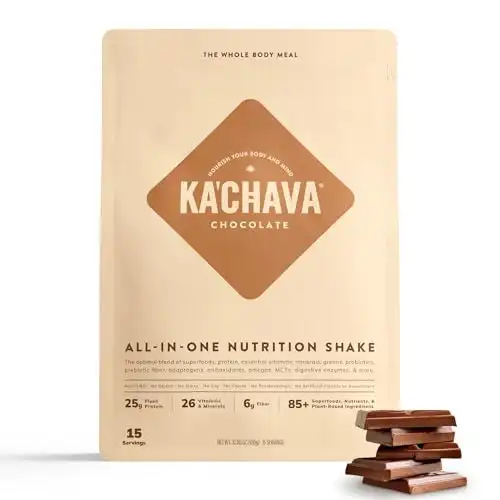
While whole foods are paramount, protein powders offer convenience and efficiency that can be invaluable for active individuals pursuing fat loss goals. They are supplements, meaning they are meant to supplement your diet, not replace whole meals entirely (unless specifically designed as a meal replacement).
- Convenience for Busy Lifestyles: Life gets hectic. A quick protein shake can be a lifesaver when you’re short on time, ensuring you hit your protein targets without resorting to less nutritious options.
- Bridging Nutritional Gaps: If your daily meals consistently fall short of your protein goal, a supplement can easily bridge that gap without adding excessive calories from fats or carbs.
- Post-Workout Recovery: After a strenuous workout, your muscles are primed to absorb nutrients for repair. A rapidly absorbed protein shake can kickstart the recovery process more quickly than solid food.
Navigating the World of Protein Supplements
The supplement aisle can be overwhelming. Understanding the different types of protein powders and what to look for will help you make an informed choice that aligns with your fat loss objectives.
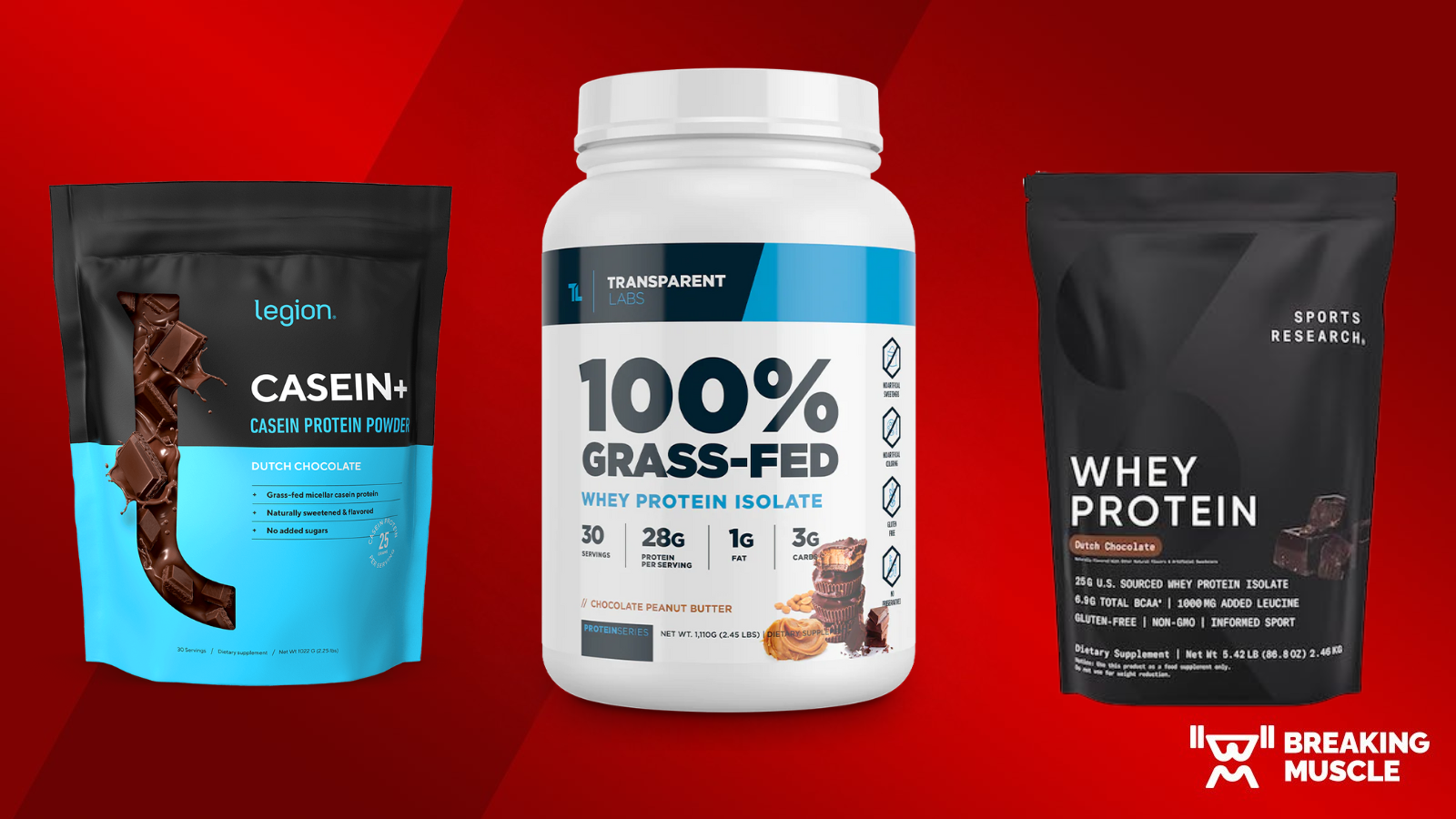
Whey Protein
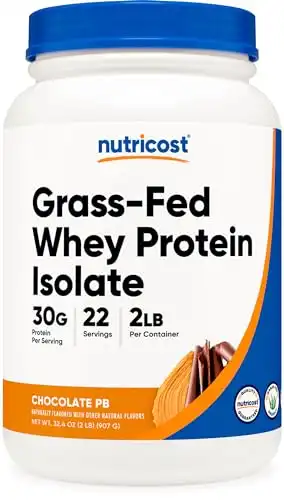
Derived from milk, whey protein is one of the most popular and well-researched protein supplements.
- Whey Protein Concentrate (WPC): Contains 70-80% protein, with small amounts of lactose and fat. It’s generally more affordable and has a richer flavor.
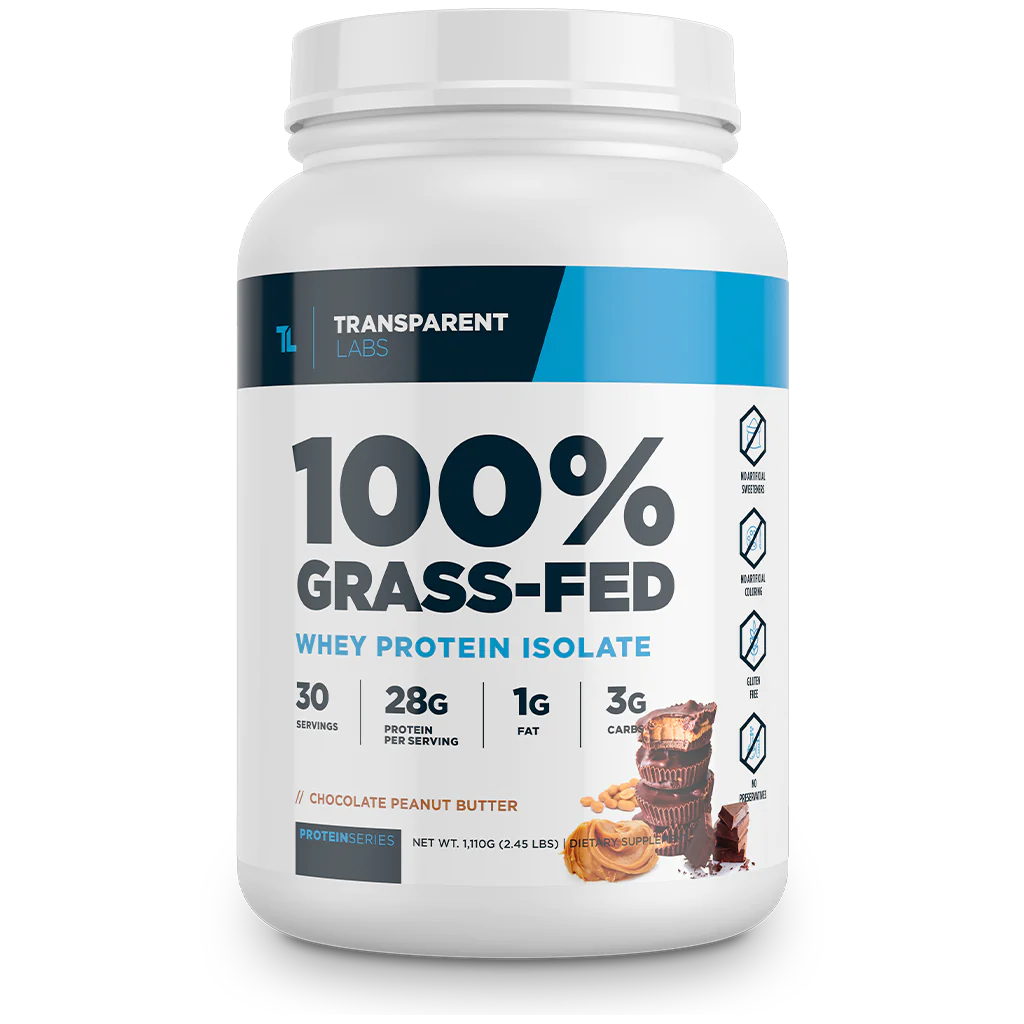
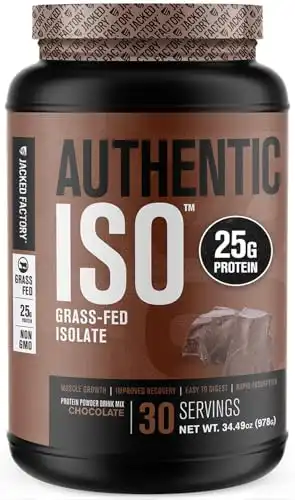
- Whey Protein Isolate (WPI): Undergoes further processing to remove most of the lactose, fat, and carbohydrates, resulting in 90% or more protein content. It’s ideal for those with lactose sensitivity or strict calorie/macronutrient goals.
- Whey Protein Hydrolysate (WPH): Partially hydrolyzed (pre-digested), making it the fastest absorbing form. Often used in infant formulas and medical protein supplements.
Benefits for Fat Loss: Rapid absorption, high biological value (meaning it contains all essential amino acids in optimal ratios), excellent for post-workout recovery, and very lean.
Casein Protein
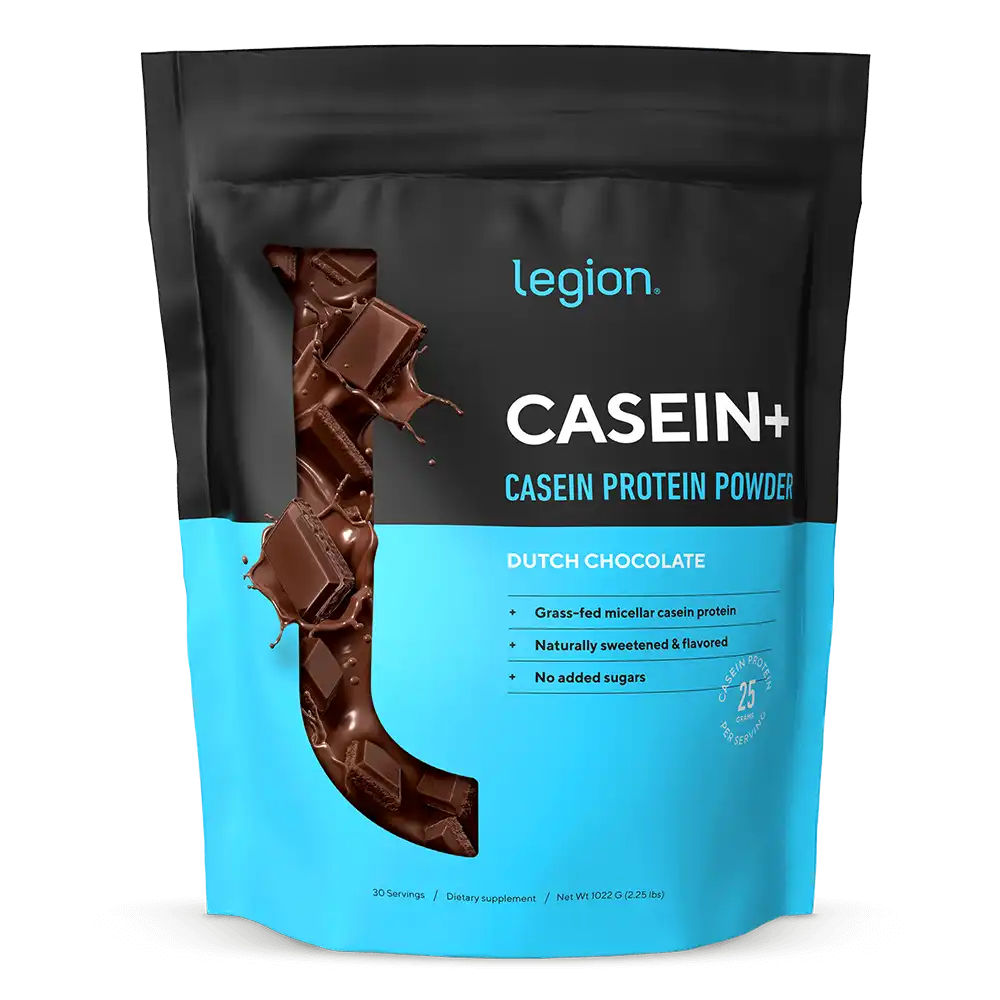
Also derived from milk, casein protein digests much slower than whey.
- Micellar Casein: The most common form, it forms a gel in the stomach, leading to a prolonged and steady release of amino acids into the bloodstream for several hours.
Benefits for Fat Loss: Its slow digestion provides sustained satiety, making it an excellent choice before bed or during long periods between meals to prevent muscle breakdown and curb nighttime cravings.
Plant-Based Proteins
For vegans, vegetarians, or those with dairy allergies, plant-based protein powders offer a viable alternative.
- Pea Protein: Highly digestible and rich in branched-chain amino acids (BCAAs).
- Brown Rice Protein: Often combined with pea protein to create a complete amino acid profile.
- Hemp Protein: Contains fiber and beneficial fatty acids, but typically lower in protein concentration.
- Soy Protein Isolate: A complete protein, though some prefer to limit soy intake.
Benefits for Fat Loss: Can be as effective as whey for muscle growth and preservation when complete amino acid profiles are achieved (often through blends). Many are free from common allergens.
Key Considerations When Choosing a Supplement
When selecting a protein powder, keep these factors in mind, especially for fat loss:
- Nutrient Profile: Look for a high protein-to-calorie ratio. Ideally, 20-30 grams of protein per serving with minimal fat (1-3g) and carbohydrates (1-5g), especially if you’re tightly managing your calorie intake. For meal replacements, higher calorie and carb counts might be acceptable, but ensure they align with your overall daily targets.
- Ingredients List: Opt for products with minimal added sugars, artificial sweeteners, flavors, or unnecessary fillers. Natural sweeteners like stevia or monk fruit are often preferred.
- Third-Party Testing: Prioritize products that have been third-party tested by independent organizations (e.g., NSF Certified for Sport, Informed-Sport). This ensures the product is free from contaminants, banned substances, and that the ingredients listed on the label accurately reflect what’s inside. This is particularly important for athletes.
- Taste and Mixability: If you don’t enjoy the taste or texture, you won’t use it consistently. Read reviews, and if possible, try single-serving packets before committing to a large tub.
- Digestibility: Some individuals may experience digestive discomfort with certain protein types (e.g., lactose in whey concentrate). Isolates or plant-based options might be better choices.
Practical Strategies for a Protein-Powered Lifestyle
Beyond understanding the science and choosing the right products, integrating protein effectively requires practical application in your daily routine.
Crafting High-Protein Meals and Snacks
Make protein the centerpiece of your meals. This shift in mindset will naturally lead to higher protein intake.
- Breakfast Ideas:
- Oatmeal mixed with a scoop of protein powder and berries.
- Greek yogurt parfait with nuts and seeds.
- Scrambled eggs with lean turkey sausage and vegetables.
- Protein smoothie with spinach, fruit, and almond milk.
- Lunch/Dinner Ideas:
- Grilled chicken or fish with a generous serving of vegetables and a small portion of complex carbs (sweet potato, brown rice).
- Large salad topped with tuna, hard-boiled eggs, or lentils.
- Lean ground beef or turkey stir-fry with plenty of broccoli and bell peppers.
- Chili or lentil soup (use lean meat or extra beans for protein).
- Snack Ideas:
- Hard-boiled eggs.
- Cottage cheese with a sprinkle of pepper or fruit.
- Handful of almonds or walnuts.
- Protein bar (check sugar content).
- Edamame.
The Importance of Resistance Training
While diet creates the calorie deficit for fat loss, resistance training is the crucial partner for muscle preservation and growth.
- Signal to Build/Maintain: When you lift weights, you send a powerful signal to your body that muscle tissue is important and needs to be maintained or built. This stimulus, combined with adequate protein, maximizes your body’s ability to hold onto muscle even in a deficit.
- Compound Movements: Focus on compound exercises (squats, deadlifts, bench press, overhead press, rows) that work multiple muscle groups simultaneously for maximum metabolic impact.
- Progressive Overload: Continuously challenge your muscles by gradually increasing weight, reps, or sets. This ensures your muscles adapt and grow stronger, contributing to a more favorable body composition.
Hydration and Sleep: The Unsung Heroes
Even with perfect protein intake and training, neglecting hydration and sleep can derail your fat loss efforts.
- Hydration: Water is essential for every bodily function, including metabolism, nutrient transport, and satiety. Often, thirst is mistaken for hunger. Aim for at least 8-10 glasses of water daily.
- Sleep: Quality sleep (7-9 hours per night) is vital for hormone regulation, including those that impact hunger and metabolism (ghrelin, leptin, cortisol). Poor sleep can increase cravings, impair recovery, and make fat loss significantly harder. Prioritize a consistent sleep schedule and create a relaxing bedtime routine.
Meal Timing and Protein
While the "anabolic window" might not be as narrow as once believed, strategic timing can still offer benefits.
- Within 1-2 Hours Post-Workout: Consuming protein within this timeframe helps optimize muscle repair and recovery.
- Evenly Distributed: As mentioned, spreading protein throughout the day helps maintain a steady supply of amino acids and keeps you feeling full.
- Don’t Fear Evening Protein: A common myth suggests avoiding protein (or any food) late at night. However, a lean protein source before bed, especially casein, can be beneficial for overnight muscle recovery and satiety.
Common Misconceptions and Pitfalls
Navigating the fat loss journey can be tricky, and there are several common traps related to protein that can hinder progress.
Protein Powder as a Magic Bullet
While highly effective, protein powder is a supplement, not a magic potion. It’s designed to supplement a well-balanced diet, not replace whole foods entirely. Relying solely on shakes and neglecting nutrient-dense meals will leave you deficient in fiber, vitamins, and minerals essential for overall health and sustainable fat loss. Think of it as a tool in your toolbox, not the entire workshop.
Neglecting Whole Foods
Even if you hit your protein target with supplements, a diet lacking diverse whole foods is suboptimal. Whole foods provide a complex matrix of nutrients that work synergistically. Fiber from fruits, vegetables, and whole grains aids digestion and satiety, while a broad spectrum of micronutrients supports countless metabolic processes. Prioritize whole foods, and use supplements to fill gaps.
Not Tracking Intake (Initially)
For beginners or those struggling to see results, tracking your protein intake (along with other macronutrients and total calories) for a short period can be incredibly insightful. Many people overestimate their protein consumption. Using a food tracking app for a week or two can provide a clear picture of your current habits and highlight areas for improvement. This doesn’t need to be a long-term commitment, but it’s a powerful diagnostic tool.
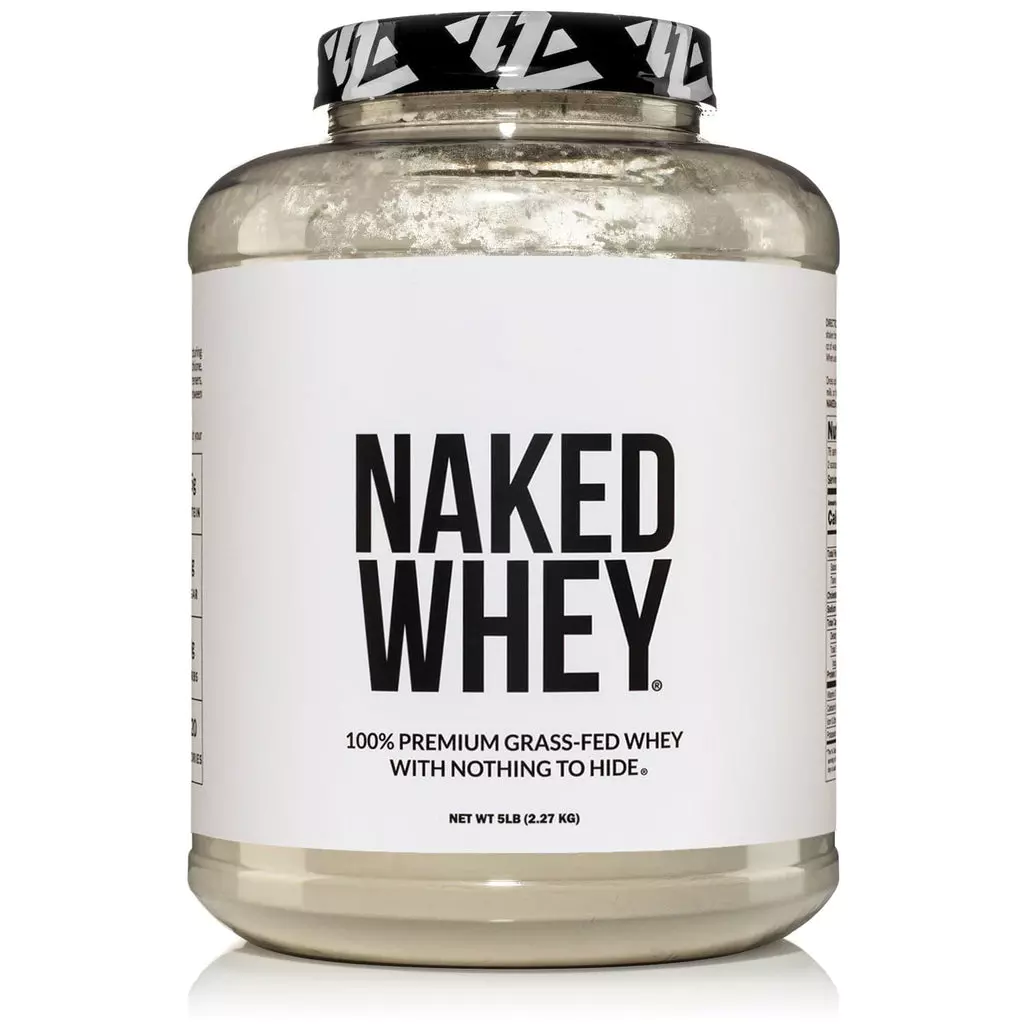
Overlooking Other Macronutrients and Micronutrients
While protein is critical, it’s part of a larger nutritional puzzle.
- Carbohydrates: Provide energy for workouts and daily functions. Choose complex carbohydrates like whole grains, fruits, and vegetables for sustained energy and fiber.
- Fats: Essential for hormone production, nutrient absorption, and overall health. Focus on healthy fats from sources like avocados, nuts, seeds, and olive oil.
- Micronutrients: Vitamins and minerals are vital for every metabolic process, energy production, and overall well-being. A diverse diet rich in fruits, vegetables, and whole foods will help ensure you get adequate micronutrients.
A balanced approach that considers all macronutrients and micronutrients, within a controlled calorie deficit, will yield the best and most sustainable fat loss results.
Conclusion: Your Protein-Powered Path to a Stronger You
Embarking on a fat loss journey is an empowering commitment to yourself. By strategically integrating protein into your daily routine, you’re not just shedding pounds; you’re actively sculpting a stronger, healthier, and more resilient physique. Remember, protein is your steadfast ally in this mission, working tirelessly to fuel your satiety, preserve your invaluable muscle, boost your metabolism, and accelerate your recovery.
While protein powders offer incredible convenience and efficiency, always remember they are supplements to a foundation built on nutrient-dense whole foods. Prioritize lean meats, dairy, legumes, and plant-based proteins, and use supplements intelligently to bridge gaps and support your training.
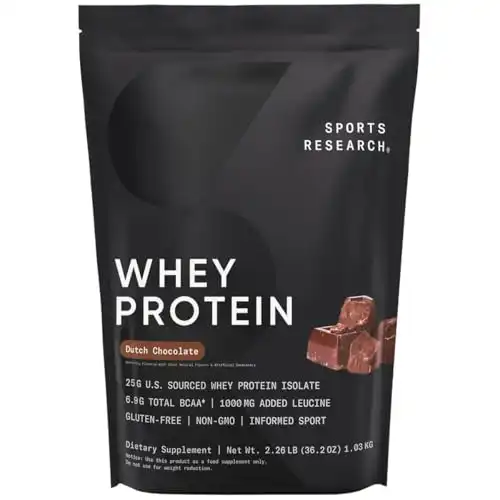
This journey is not just about the destination but about the sustainable habits you build along the way. Be consistent with your high-protein intake, challenge your body with resistance training, prioritize quality sleep, and stay well-hydrated. Embrace patience, celebrate small victories, and trust in the power of a well-informed, protein-rich approach. Your commitment today is the cornerstone of the healthier, stronger, and more confident you that awaits. Go forth and forge your physique!