You’re here because you’re serious about your fitness. You’re pushing your limits in the gym, optimizing your training, and paying attention to the details that make a real difference. But when it comes to a crucial nutrient like fiber, the conversation often gets… well, a bit dry. Many people shy away from it, deeming it boring or complicated. The reality? Fiber is a nutritional superhero, and understanding your needs is far simpler than you might think.
The average person often falls short of their recommended fiber intake, and this is a disservice to their overall health and fitness goals. Why? Because fiber isn’t just about keeping things regular; it’s a fundamental building block for a robust, high-performing body. Decades of scientific research consistently highlight its profound benefits.
A diet rich in fiber can significantly enhance your cardiovascular health, playing a vital role in preventing and managing type 2 diabetes, and aiding in the maintenance of a healthy body weight. Beyond these major health markers, fiber contributes to sustained energy levels and promotes a healthy digestive system, leaving you feeling more vibrant and capable.
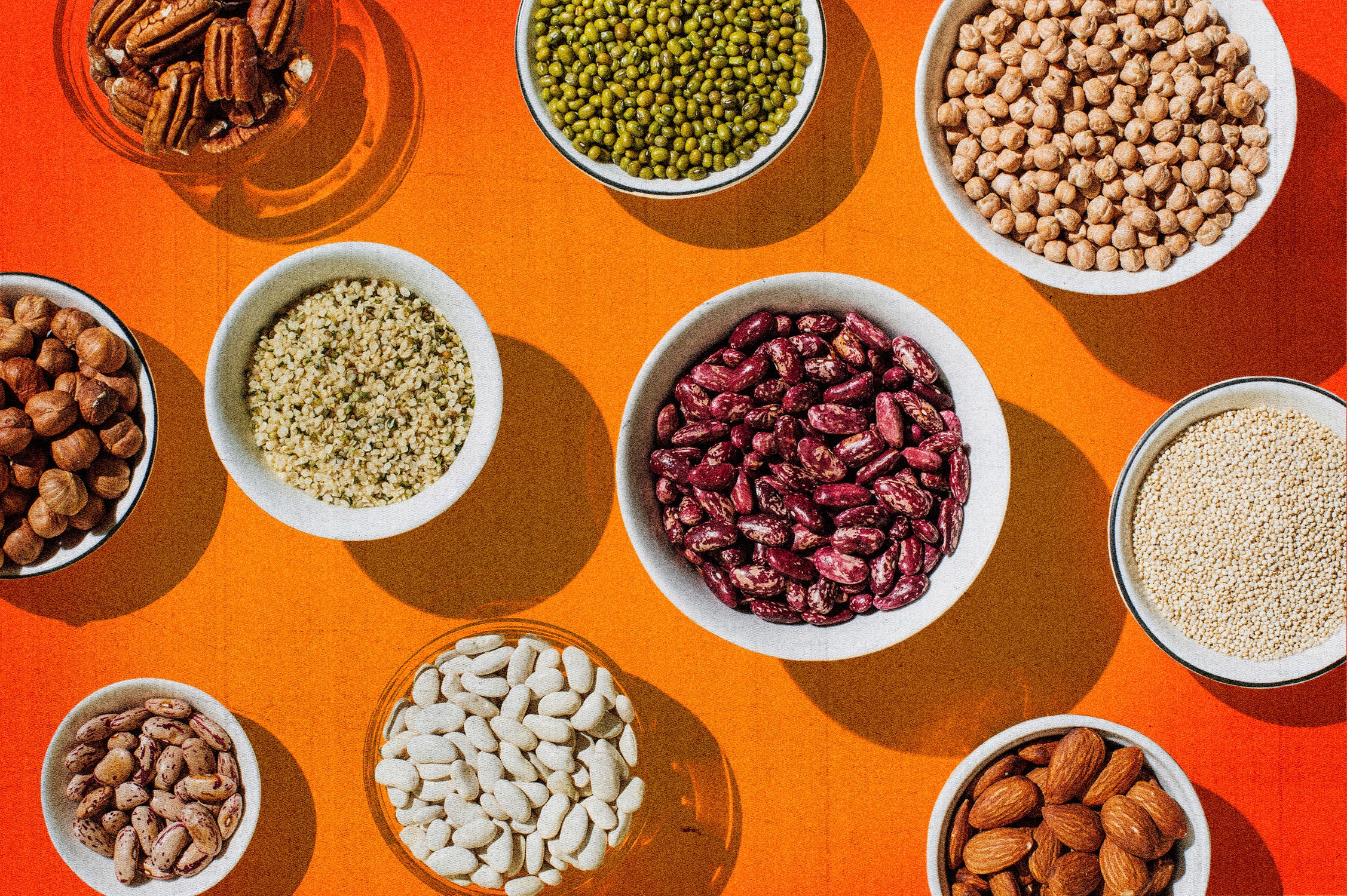
And let’s dispel the myth that fiber is solely about bland bran or medicinal supplements. Fiber is abundant in delicious, satisfying whole foods: vibrant dark leafy greens, hearty whole grains, crunchy nuts, filling legumes, nutrient-dense seeds, and even the humble potato. These are the foods that truly fuel your body and keep you feeling satiated.
So, how much fiber do you really need? While there might seem to be a complex web of recommendations, the straightforward answer is: you need more than you’re likely getting. Let’s break down why and how to achieve that.
The Essence of Fiber: More Than Just a Bulking Agent
At its core, fiber is a type of carbohydrate found exclusively in plant-based foods. Unlike simple sugars and starches, which are rapidly broken down by your digestive system, fiber requires a more deliberate process. This slower digestion is precisely what unlocks many of its remarkable health benefits, particularly for your gut.
While the scientific community often categorizes fiber into two main types – soluble and insoluble – you don’t need to become a fiber-sorting expert. The key takeaway is that both play crucial roles in your body. Research consistently shows that a regular intake of both soluble and insoluble fiber can lead to significant health improvements, including lower blood pressure, reduced LDL (bad) cholesterol, a decreased risk of diabetes, and even a lower risk of certain cancers. The focus for us, as fitness enthusiasts, is on consistently incorporating fiber-rich foods into our diet.
Pinpointing Your Daily Fiber Target: A Clear Path Forward
This is where things can seem a little confusing, but let’s simplify. Various reputable organizations offer guidelines for daily fiber intake, and while the numbers might differ slightly, the overarching message is consistent: aim high.
The Dietary Guidelines for Americans suggests men aged 19-30 should aim for at least 34 grams of fiber per day. For men aged 31-50, it’s 31 grams, and for those 51 and older, it’s 28 grams.
The American Heart Association recommends a daily target of 38 grams for men.
The Academy of Nutrition and Dietetics offers a more nuanced approach, suggesting 14 grams of fiber for every 1,000 calories consumed. This is a highly practical guideline for active individuals. For example, if your daily caloric needs for peak performance are around 3,000 calories, you’d be aiming for approximately 42 grams of fiber.
If these numbers seem daunting, take a deep breath. The goal isn’t to obsess over every single gram. As registered dietitian Abby Langer, an advisor to Men’s Health, wisely puts it, "A good way of thinking about fiber is this: Some days will be great, some, maybe not as much. As long as overall you’re consistently choosing high-fiber foods, you shouldn’t have to count every gram."

The key is consistency and conscious effort. Instead of aiming for perfection on any given day, focus on the overall trend of your diet. Are you regularly incorporating fiber-rich foods into your meals and snacks? This mindful approach is far more sustainable and effective than rigid tracking.
Practical Strategies to Boost Your Fiber Intake
Integrating more fiber into your diet doesn’t require a radical overhaul. It’s about making smart, incremental changes that add up over time.
Smart Swaps for Everyday Meals
- Breakfast:
- Swap your refined cereal for steel-cut oats, quinoa flakes, or whole-grain toast.
- Add berries, chia seeds, or flaxseeds to your yogurt or oatmeal.
- Consider a smoothie with spinach, fruit, and a spoonful of psyllium husk.
- Lunch:
- Choose whole-wheat bread or wraps for your sandwiches.
- Add a generous serving of beans or lentils to your salads or soups.
- Opt for brown rice or quinoa as a side instead of white rice.
- Dinner:
- Make legumes like black beans, chickpeas, or lentils a star ingredient in your meals.
- Include a large side salad with a variety of vegetables.
- Serve whole grains like farro, barley, or bulgur as a side dish.
- Snacks:
- Reach for fruits like apples, pears, or berries.
- Enjoy a handful of nuts or seeds.
- Hummus with vegetable sticks (carrots, bell peppers, celery).
The "Shove More Fiber In" Philosophy
Langer’s advice to "ask yourself at each meal and snack if there’s a way to shove a bit more fiber in there" is gold. It’s a simple, actionable mindset shift.
- Real-life example: You’re making a chili. Instead of just ground beef, add a can of kidney beans and a can of black beans. You’ve just significantly boosted the fiber content without changing the fundamental nature of the dish.
- Another example: You’re having chicken stir-fry. Instead of plain white rice, use brown rice or add edamame to the stir-fry itself.
Don’t Forget the Power of Whole Foods
It’s easy to get caught up in numbers, but the most effective way to increase fiber is to focus on eating a wide variety of whole, unprocessed foods.
- Fruits: Berries, apples, pears, oranges, bananas.
- Vegetables: Broccoli, Brussels sprouts, leafy greens (kale, spinach), carrots, sweet potatoes.
- Legumes: Lentils, black beans, chickpeas, kidney beans.
- Whole Grains: Oats, quinoa, brown rice, barley, whole-wheat pasta.
- Nuts and Seeds: Almonds, walnuts, chia seeds, flaxseeds, pumpkin seeds.
Should You Consider a Fiber Supplement?
For some individuals, a fiber supplement might offer a convenient way to bridge the gap in their intake. However, this should ideally be a secondary strategy, not a primary one.
Signs you might not be consuming enough fiber:
- Infrequent bowel movements: If you’re not going regularly, it’s a strong indicator.
- Feeling hungry soon after eating: Fiber helps you feel fuller for longer.
- Digestive discomfort: While too much fiber too quickly can cause issues, a chronic lack can also contribute to discomfort.
- Blood sugar spikes: Fiber plays a role in moderating blood sugar levels.
Before reaching for a supplement, always consult with your doctor or a registered dietitian. They can help determine if a supplement is appropriate for you and recommend specific types.
However, remember that whole foods offer a complete package. They provide fiber alongside a spectrum of essential vitamins, minerals, antioxidants, and phytonutrients that work synergistically to support your health. A supplement, by definition, delivers only one nutrient. Prioritizing whole foods ensures you’re getting the full benefit.
Fueling Your Fitness Journey: A Powerful Partnership
Your commitment to fitness is about building a strong, resilient body capable of achieving your goals. Fiber is an indispensable ally in this endeavor. It’s not just about digestion; it’s about sustained energy, better nutrient absorption, improved recovery, and overall well-being.
The recommendations for daily fiber intake might seem like a lot, but the path to achieving them is paved with delicious, satisfying whole foods. By adopting a mindful approach, making smart swaps, and prioritizing plant-based powerhouses, you can effortlessly elevate your fiber intake.
Don’t let the perceived complexity of fiber deter you. Embrace it as a fundamental pillar of your nutritional strategy. Every apple you eat, every handful of beans you add to your meal, every whole grain you choose is an investment in your health and your performance.
So, how much fiber do you need? Enough to fuel your ambition. Start by making conscious choices today, and watch as this simple, powerful nutrient transforms how you feel, perform, and conquer your fitness goals.