Are you on a mission to boost your protein intake, seeking that essential macronutrient to fuel muscle growth, recovery, and sustained energy? You’re not alone. In the pursuit of fitness goals, protein often takes center stage, and for good reason. It’s the building block of our bodies, crucial for everything from repairing torn muscle fibers after a challenging workout to supporting overall metabolic function.
However, the idea of consistently incorporating enough protein into your diet can sometimes feel like a chore. We often picture bland chicken breasts, chalky protein shakes, or complicated meal prep that eats into valuable time. But what if we told you that achieving your protein goals could be not only simple but also incredibly delicious and satisfying?
This article is your gateway to a high-protein meal that’s as accessible for beginners as it is a welcome addition to the repertoire of seasoned fitness enthusiasts. We’re diving into a recipe that’s designed for ease, packed with nutrients, and bursts with flavor – a true testament to how healthy eating can align perfectly with a demanding lifestyle. Forget the culinary stress; it’s time to savor the success of your fitness journey with a meal that truly works for you.
The Power of Protein: Why It’s Non-Negotiable for Fitness
Before we get to the star of our culinary show, let’s briefly reinforce why protein is the undisputed champion for anyone serious about their physical well-being.
- Muscle Repair and Growth: Every workout, especially strength training, creates microscopic tears in your muscle fibers. Protein provides the amino acids necessary to repair these tears and build stronger, larger muscles. Without adequate protein, this repair process is significantly hindered.
- Satiety and Appetite Control: Protein is known for its ability to keep you feeling full for longer. This can be a game-changer for managing your appetite, reducing cravings, and making it easier to stick to your nutrition plan.
- Metabolic Boost: The thermic effect of food (TEF) refers to the calories your body burns to digest, absorb, and process nutrients. Protein has a higher TEF than carbohydrates or fats, meaning your body works harder and burns more calories to process it.
- Hormone and Enzyme Production: Protein is vital for the production of numerous hormones and enzymes that regulate a vast array of bodily functions, from metabolism to immune response.
- Energy Sustenance: While carbohydrates are our primary energy source, protein plays a role in sustained energy release, preventing the energy crashes that can sometimes accompany diets too low in protein.
For beginners, understanding these benefits can be a powerful motivator to make better food choices. For intermediate enthusiasts, it’s about optimizing your intake to break through plateaus and enhance recovery.
Beyond the Bland: Discovering Flavorful Protein Sources
While protein powder has its place, relying solely on it can lead to dietary monotony. The real magic happens when you incorporate whole, nutrient-dense foods that offer a spectrum of vitamins, minerals, and beneficial fats. This is where our featured recipe shines, highlighting a powerhouse ingredient that’s both versatile and incredibly good for you: Salmon.
Salmon isn’t just a protein source; it’s a nutritional goldmine. It’s rich in:
- High-Quality Protein: Easily digestible and containing all the essential amino acids.
- Omega-3 Fatty Acids: These are crucial for heart health, reducing inflammation (which is vital for recovery), and supporting brain function.
- Vitamin D: Often deficient in many diets, Vitamin D plays a role in bone health and immune function.
- B Vitamins: Essential for energy production and nervous system function.
- Selenium: An antioxidant that protects your cells from damage.
Incorporating salmon into your diet regularly is a smart strategy for anyone looking to enhance their fitness and overall health.
The Effortless Salmon Feast: A Recipe for Success
This recipe is designed to be a harmonious blend of textures and flavors, proving that healthy eating doesn’t require hours in the kitchen or complex techniques. It’s a complete meal that provides protein, healthy fats, complex carbohydrates, and vibrant micronutrients.
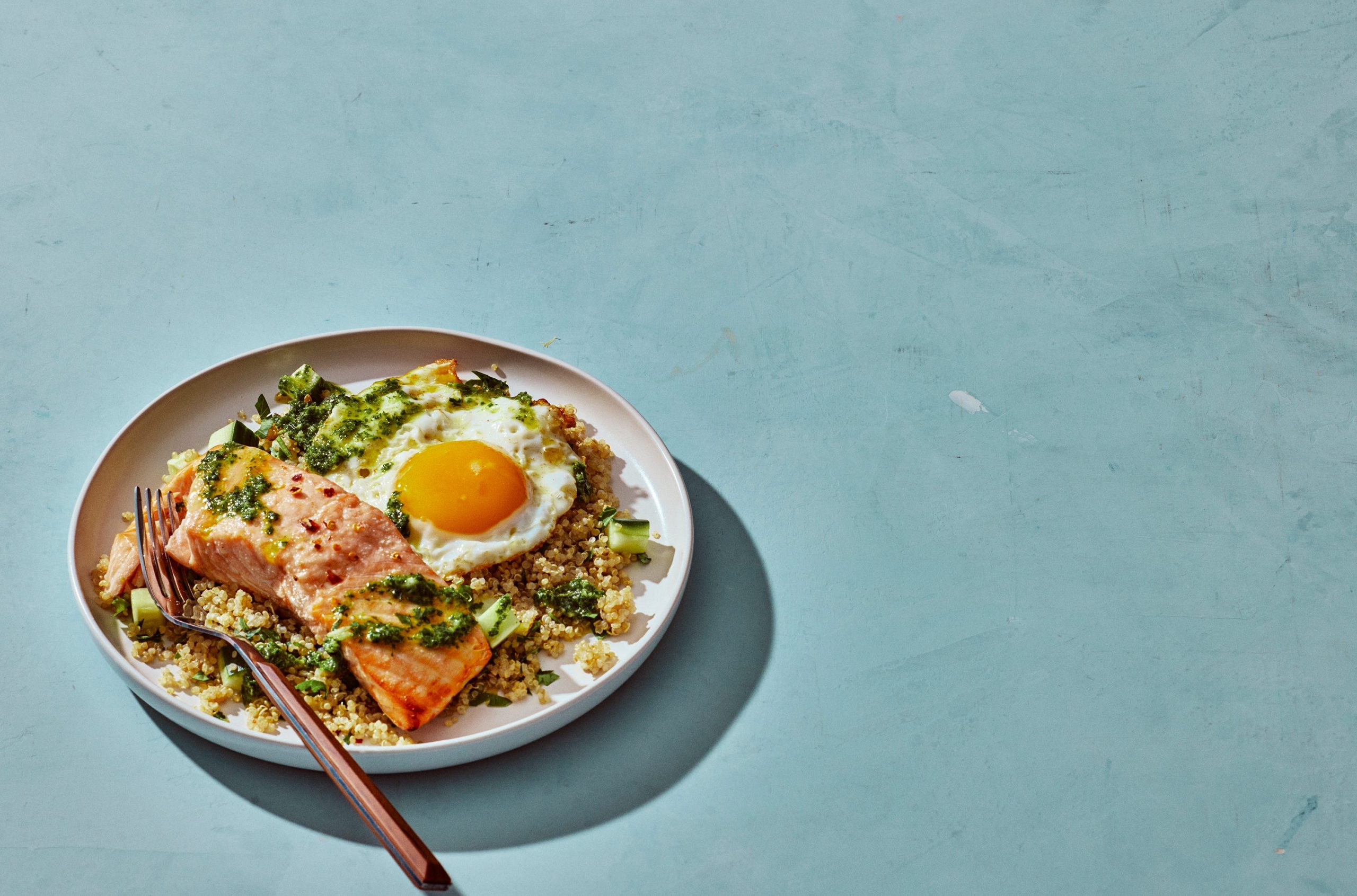
Our Featured Meal: Lightly Roasted Salmon with Herb Salsa Verde, Warm Quinoa Salad, and a Fried Egg.
This dish offers a beautiful balance, much like the mindful approach to life and work championed by culinary professionals who understand the importance of fueling their bodies.
H2: Your Protein-Packed Plate: The Breakdown
Let’s dissect what makes this meal a winning combination for your fitness journey.
H3: The Star: Lightly Roasted Salmon
Roasting salmon is one of the simplest and most effective ways to cook it. It locks in moisture and allows the natural flavors to shine.
- Why it works: Salmon cooks relatively quickly, making it ideal for busy schedules. Roasting requires minimal intervention, allowing you to focus on other meal components or simply relax. The healthy fats from the salmon provide sustained energy and support nutrient absorption.
- Practical Tip: For consistent results, aim for an internal temperature of around 125-135°F (52-57°C) for medium-rare to medium doneness. Use a meat thermometer for accuracy.
H3: The Flavor Bomb: Herb Salsa Verde
This vibrant, fresh sauce elevates the entire dish. It’s packed with fresh herbs, which offer antioxidants and a delightful zing.
- Why it works: Salsa verde adds a burst of freshness and a layer of complex flavor without adding significant calories or unhealthy fats. It’s a fantastic way to increase your intake of nutrient-rich greens.
- Actionable Advice: Feel free to customize your salsa verde. Parsley and cilantro are a classic base, but you can also add mint, dill, or chives for different flavor profiles. A good quality olive oil is key here for healthy fats and flavor.
H3: The Sustaining Base: Warm Quinoa Salad
Quinoa is a complete protein, meaning it contains all nine essential amino acids. It’s also a good source of fiber, vitamins, and minerals.
- Why it works: Quinoa provides complex carbohydrates for sustained energy release, crucial for powering through workouts or recovering afterwards. Its protein content complements the salmon, making this a truly protein-rich meal.
- Real-Life Example: Prepare a larger batch of quinoa at the beginning of the week. This can be used as a base for various meals, saving you time during busy weekdays.
H3: The Finishing Touch: A Fried Egg
Adding a perfectly fried egg to any meal instantly boosts its protein content and adds a luxurious, creamy element.

- Why it works: The egg yolk is a fantastic source of choline, essential for brain health, and provides additional protein and healthy fats. The runny yolk acts as a natural sauce, binding the other elements together.
- Beginner’s Tip: For a perfectly runny yolk, use a non-stick pan over medium heat and cook the egg for just a few minutes until the whites are set but the yolk remains liquid.
H2: Bringing It All Together: The Simple Steps
Here’s a straightforward approach to preparing this powerhouse meal. The goal is efficiency and deliciousness.
Ingredients (Serves 2):
-
For the Salmon:
- 2 salmon fillets (about 6 oz each), skin on or off
- 1 tablespoon olive oil
- Salt and freshly ground black pepper to taste
- Lemon wedges, for serving (optional)
-
For the Herb Salsa Verde:
- 1 cup packed fresh parsley leaves
- 1/2 cup packed fresh cilantro leaves
- 1 tablespoon capers, drained
- 1 clove garlic, minced
- 2 tablespoons extra virgin olive oil
- 1 tablespoon lemon juice
- Salt and freshly ground black pepper to taste
-
For the Warm Quinoa Salad:
- 1 cup cooked quinoa
- 1/4 cup finely diced red onion
- 1/4 cup finely diced cucumber
- 1/4 cup chopped bell pepper (any color)
- 1 tablespoon chopped fresh mint or dill (optional)
- 1 tablespoon olive oil
- Salt and freshly ground black pepper to taste
-
For the Fried Eggs:
- 2 large eggs
- 1 teaspoon butter or oil
Instructions:
- Preheat and Prep Salmon: Preheat your oven to 400°F (200°C). Pat the salmon fillets dry with paper towels. Place them on a baking sheet lined with parchment paper. Drizzle with olive oil, and season generously with salt and pepper.
- Make the Salsa Verde: In a food processor or blender, combine parsley, cilantro, capers, and garlic. Pulse until finely chopped. With the processor running, slowly drizzle in the extra virgin olive oil and lemon juice until a coarse paste forms. Season with salt and pepper. Set aside.
- Prepare the Quinoa Salad: In a medium bowl, combine the cooked quinoa, diced red onion, cucumber, and bell pepper. Add the fresh mint or dill, if using. Drizzle with olive oil and season with salt and pepper. Toss gently to combine.
- Roast the Salmon: Place the baking sheet with the salmon in the preheated oven. Roast for 10-15 minutes, depending on the thickness of your fillets, until the salmon is cooked through and flakes easily with a fork.
- Fry the Eggs: While the salmon is roasting, heat butter or oil in a non-stick skillet over medium heat. Crack the eggs into the pan and cook for 2-3 minutes, or until the whites are set and the yolks are still runny.
- Assemble Your Feast: Divide the warm quinoa salad between two plates. Place a roasted salmon fillet on top of each salad. Spoon a generous amount of herb salsa verde over the salmon. Gently slide a fried egg onto each plate. Serve immediately with lemon wedges, if desired.
H3: Maximizing Your Protein Intake: Smart Swaps and Additions
This recipe is a fantastic foundation, but you can always tweak it to further enhance its protein power.
- Boost the Quinoa: Add a tablespoon or two of cooked lentils or chickpeas to your quinoa salad for an extra protein and fiber punch.
- Herbs are Your Friends: Don’t be shy with the fresh herbs in the salsa verde. They add flavor and nutrients with virtually no caloric cost.
- Consider a Side: If you’re looking for an even more significant protein boost, a small side of Greek yogurt mixed with a touch of honey can be a refreshing and protein-rich accompaniment.
- Egg-cellent Addition: Don’t skip the egg! It’s an easy and effective way to add another 6 grams of high-quality protein.
H2: Fitness Fueling: Integrating Protein into Your Workout Routine
Knowing how to eat is only half the battle. Understanding when to eat can significantly impact your performance and recovery.
H3: Pre-Workout Fueling
For workouts lasting less than an hour, a meal like this enjoyed 2-3 hours prior can provide ample sustained energy. If you need something closer to your workout, opt for something easily digestible and lower in fat and fiber, like a small banana with a tablespoon of peanut butter or a small Greek yogurt. The goal is to provide readily available energy without causing digestive discomfort.
H3: Post-Workout Recovery
This salmon feast is an excellent post-workout meal. The protein from the salmon and egg aids in muscle repair, while the complex carbohydrates from the quinoa replenish glycogen stores. Aim to consume your post-workout meal within 1-2 hours of finishing your exercise session.
- Real-Life Example: Imagine finishing a challenging gym session. Instead of reaching for processed snacks, you head home to prepare this delicious salmon dish. Within an hour, you’re refueling your body with high-quality protein and essential nutrients, setting yourself up for better recovery and stronger gains.
H3: Consistency is Key
The most significant impact on your fitness goals comes from consistent nutrition. Aiming to incorporate protein-rich meals like this regularly, rather than sporadically, will yield the best results.
- Beginner’s Strategy: Start by aiming to include a good protein source at breakfast, lunch, and dinner. This salmon recipe can be enjoyed for lunch or dinner. For breakfast, consider scrambled eggs with spinach or a Greek yogurt parfait with berries and nuts.
- Intermediate Optimization: Focus on hitting your specific protein targets daily. This might involve slightly larger portions or adding protein supplements strategically if whole foods alone don’t meet your needs.
The Takeaway: Deliciousness Meets Performance
In the realm of fitness, nutrition is not a punishment; it’s a powerful tool. It’s about making choices that support your body’s hard work and propel you towards your goals. This Lightly Roasted Salmon with Herb Salsa Verde, Warm Quinoa Salad, and a Fried Egg is more than just a recipe; it’s a testament to how simple, wholesome ingredients can create a meal that is both incredibly nourishing and supremely satisfying.
Don’t let the pursuit of protein feel like a burden. Embrace the ease, the flavor, and the incredible benefits of fueling your body with quality. By incorporating meals like this into your routine, you’re not just eating for health; you’re investing in your performance, your recovery, and your overall well-being.
So, the next time you’re looking to power up your plate and reach those protein milestones, remember this effortless salmon feast. It’s a delicious, accessible, and incredibly effective way to eat well, train hard, and live your best, most energetic life. Your body will thank you for it, one flavorful bite at a time.