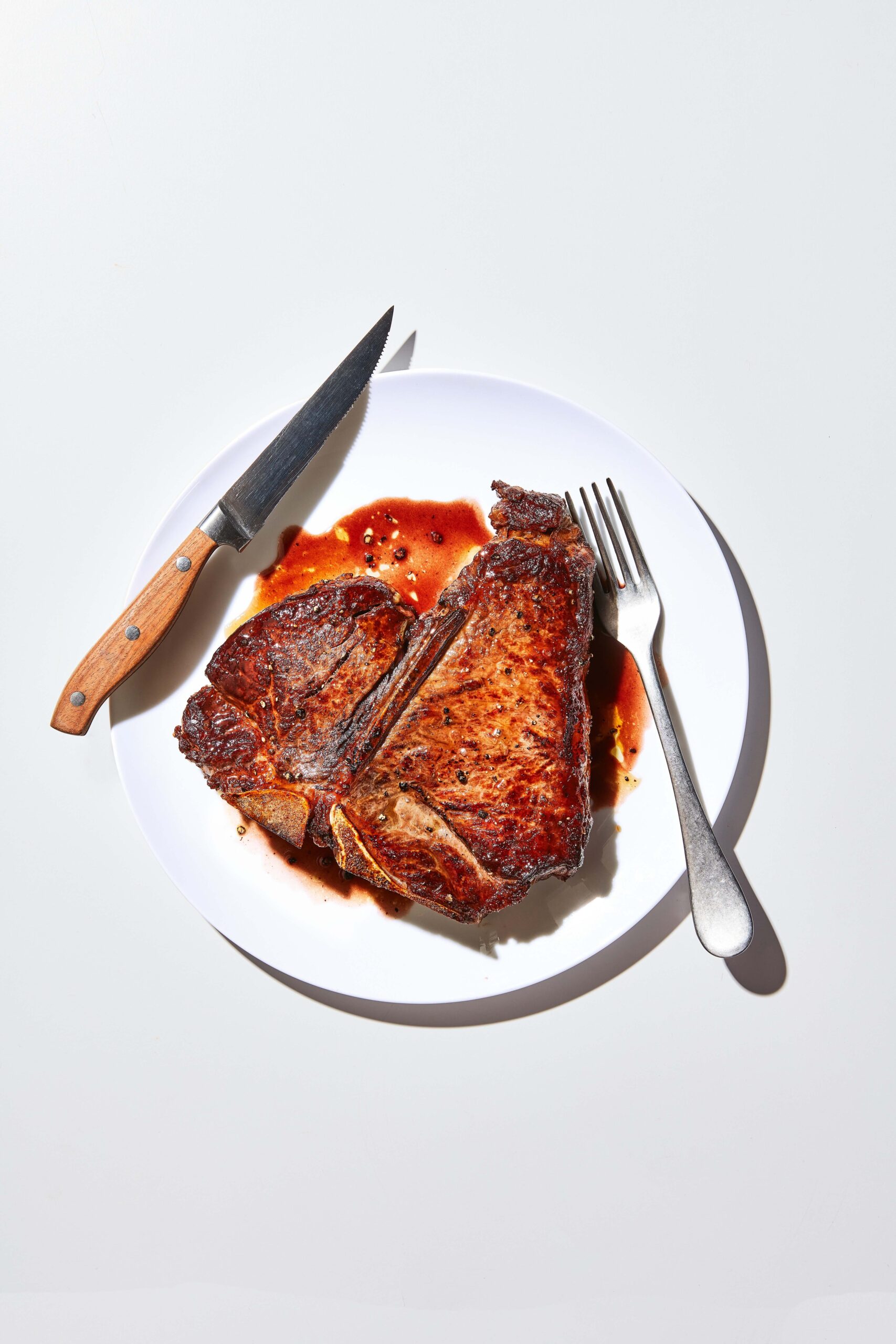
We’re living longer. It’s a remarkable testament to advancements in healthcare, lifestyle, and our understanding of the human body. While the average lifespan has steadily climbed, the dream of reaching the esteemed milestone of 100 years – becoming a centenarian – still holds a special allure. What secrets do these remarkable individuals hold? For decades, the narrative has strongly leaned towards plant-based eating as the golden ticket to longevity. Yet, recent discussions, and even shifts in dietary guidelines, have introduced nuances and sparked debate. A compelling study, published in The American Journal of Clinical Nutrition, offers a fresh perspective, prompting us to question our assumptions. So, what truly fuels a life well-lived, potentially beyond the century mark?
The Longevity Landscape: Beyond the Plant-Based Prescription
For years, the prevailing wisdom has been that a diet rich in fruits, vegetables, and grains is the cornerstone of a long and healthy life. This belief is rooted in numerous studies highlighting the protective benefits of plant-derived nutrients against chronic diseases. However, the recent study examining centenarians in China, a country boasting the third-largest centenarian population globally, introduces a fascinating counterpoint.
The research, part of the Chinese Longitudinal Healthy Longevity Survey, followed over 5,000 adults aged 80 and above. Participants reported their dietary habits, categorizing themselves as either omnivores or vegetarians. The vegetarian group was further broken down into pesco-vegetarians (including fish and seafood), ovo-lacto-vegetarians (including eggs and dairy), and vegans (excluding all animal products). Over a 20-year period, researchers tracked how many of these individuals reached their 100th birthday.
The findings were intriguing: a significant majority of the centenarians were omnivores. Conversely, vegetarians and vegans were statistically less likely to reach the century mark. The study’s authors suggest this could be attributed to a lack of certain nutrients found predominantly in animal-based products. Interestingly, within the vegetarian spectrum, pesco-vegetarians and ovo-lacto-vegetarians showed a higher likelihood of becoming centenarians compared to vegans, hinting that not all animal products are created equal in the context of extreme longevity.
The Underestimated Power of Healthy Weight
At first glance, these results might seem to cast a shadow on plant-based diets, appearing to contradict a wealth of existing research that champions their health benefits. However, as with many scientific findings, a deeper dive reveals crucial context and a vital caveat: body weight.
The study uncovered a significant correlation: vegetarians were less likely to become centenarians if they were underweight. This association was not observed in individuals who maintained a healthy body weight. This is a critical distinction. Being underweight, especially in older age, carries its own set of serious health risks, including increased frailty, a higher propensity for falls, and a greater risk of premature mortality.
Therefore, it’s highly probable that the participants’ body weight, rather than the mere presence or absence of meat in their diet, played a more influential role in these longevity outcomes. As Dr. David Cutler, a family medicine physician, aptly states, "The take-home message is that it’s a good idea not to be malnourished." This emphasizes that maintaining adequate caloric and nutrient intake is paramount, irrespective of dietary choices.
Protein’s Pivotal Role: Rethinking the Animal vs. Plant Debate
This study prompts us to re-evaluate the role of animal protein in longevity. Can incorporating animal products genuinely contribute to reaching that coveted 100th birthday? The answer, as the research suggests, is nuanced and goes beyond a simple yes or no.
Dietitians emphasize that while a balanced plant-based diet offers numerous advantages, excluding animal proteins entirely might not be optimal for everyone, particularly as we age. Sonya Angelone, PhD, RDN, a nutritionist and registered dietitian, highlights that meat-eaters often consume a wider array of nutrients, including:
- Protein: Essential for muscle maintenance, immune function, and overall repair.
- Vitamins B6 and B12: Crucial for nerve function and red blood cell formation.
- Zinc: Important for immune health and wound healing.
- Omega-3 Fatty Acids: Beneficial for heart and brain health (though also found in plant sources like flaxseeds and walnuts).
- Other essential micronutrients.
Furthermore, Angelone points out that animal proteins generally tend to be more calorie-dense than many plant-based foods. This higher caloric content can be particularly beneficial for older adults who may struggle to consume enough calories to maintain their weight and muscle mass, which naturally declines with age.
As we age, our digestive and absorptive capabilities can diminish. This means that the nutrient density of our food becomes increasingly important. Foods that deliver concentrated nutrients for their caloric value, such as lean meats, fish, and poultry, can be invaluable in ensuring adequate intake.
Scott Keatley, RD, co-owner of Keatley Medical Nutrition Therapy, adds another layer of understanding. If an individual is already struggling with protein deficiency or a calorie deficit, further restricting their diet by eliminating animal protein could be counterproductive. While acknowledging the benefits of plant-based eating and increasing vegetable intake, Keatley stresses the individuality of nutritional needs.
Crafting Your Centenarian-Inspired Diet: Expert Recommendations
When we talk about a "longevity diet," it’s less about rigid rules and more about a flexible, nutrient-focused approach. The experts suggest reframing the narrative:

The Balanced Approach: A diet that supports longevity typically embraces a wide variety of plant-based foods – fruits, vegetables, whole grains, legumes, and nuts. However, it also intelligently incorporates nutrient-dense animal foods when they serve a specific purpose, especially for older adults or those with higher nutritional demands.
Key Pillars of a Longevity Diet:
- Sufficient Protein: Aim for a balanced intake of protein at each meal. This helps maintain muscle mass, supports metabolic function, and promotes satiety.
- Actionable Tip: Include a source of lean protein like grilled chicken, baked fish, eggs, or Greek yogurt in your daily meals.
- Abundant Fiber: Fiber is crucial for digestive health, blood sugar regulation, and a feeling of fullness.
- Actionable Tip: Load up on colorful vegetables, berries, and whole grains. Aim for at least 25-30 grams of fiber per day.
- Healthy Fats: Essential for hormone production, nutrient absorption, and brain health.
- Actionable Tip: Incorporate sources like avocados, nuts, seeds, and olive oil. Fatty fish, like salmon and mackerel, are also excellent sources of omega-3s.
Tailoring to Your Needs:
- If You’re Underweight or Over 70: Don’t hesitate to include eggs, fish, dairy, or lean meats. These can provide a concentrated source of calories and essential nutrients that might be harder to obtain from plant sources alone.
- Real-Life Example: An 85-year-old grandmother who struggles to eat large meals might benefit from a nutrient-dense smoothie with Greek yogurt, berries, and a spoonful of nut butter, or a small portion of salmon for dinner.
- Limit Ultra-Processed Foods: These foods are often high in unhealthy fats, added sugars, and sodium, and lack essential nutrients. They offer little in the way of sustained energy or health benefits.
- Actionable Tip: Prioritize whole, unprocessed foods. Read ingredient labels and aim for items with short, recognizable ingredient lists.
Ultimately, the consensus among experts is that a varied, nutrient-dense diet is the most important factor for promoting longevity. As Dr. Cutler wisely puts it, "You can be well-nourished eating meat, but you can also be well-nourished without eating meat." The key is to listen to your body, understand your individual needs, and make informed choices that support your long-term health and vitality.
Beyond the Plate: The Holistic Approach to a Century of Life
While diet plays a monumental role, it’s crucial to remember that living to 100 is a complex interplay of factors. Beyond what you eat, consider these equally vital components:
-
Regular Physical Activity: Consistent movement is non-negotiable. This doesn’t mean you need to be a marathon runner.
- Actionable Workout Tips for Beginners:
- Walking: Aim for at least 30 minutes of brisk walking most days of the week. Explore your neighborhood, local parks, or even use a treadmill.
- Strength Training: Incorporate bodyweight exercises like squats, lunges, push-ups (on knees if needed), and planks 2-3 times a week. This builds muscle mass, which is crucial for metabolism and mobility.
- Flexibility and Balance: Practices like yoga or tai chi can significantly improve your range of motion, reduce the risk of falls, and enhance overall well-being.
- Real-Life Example: A centenarian known for their vibrant health attributes their longevity to daily walks and gardening, which combines light physical activity with stress relief.
- Actionable Workout Tips for Beginners:
-
Adequate Sleep: Quality sleep is when your body repairs and rejuvenates. Aim for 7-9 hours of uninterrupted sleep per night.
- Actionable Tip: Establish a consistent sleep schedule, create a relaxing bedtime routine, and ensure your bedroom is dark, quiet, and cool.
-
Stress Management: Chronic stress can wreak havoc on your health. Find healthy ways to cope.
- Actionable Tip: Explore mindfulness, meditation, deep breathing exercises, spending time in nature, or engaging in hobbies you enjoy.
-
Social Connection: Strong social bonds are linked to increased longevity and overall happiness.
- Actionable Tip: Nurture relationships with family and friends, join community groups, or volunteer.
-
Purpose and Meaning: Having a sense of purpose in life can provide motivation and resilience.
- Actionable Tip: Identify your passions, set meaningful goals, and contribute to something larger than yourself.
Your Journey to a Longer, Healthier Life Starts Now
The quest for a centenarian’s lifespan isn’t about finding a single, magic diet. It’s about embracing a holistic, adaptable approach to well-being. The research on diet and longevity is continuously evolving, offering valuable insights rather than rigid dogma.
The most profound takeaway is that optimal health and longevity are built on a foundation of balanced nutrition, consistent movement, mindful living, and strong connections. It’s about making informed choices that nourish your body and soul, day after day. Don’t be discouraged by conflicting information; instead, use it as an opportunity to learn and personalize your approach.
Embrace the journey, celebrate the small victories, and remember that every healthy choice you make today is an investment in a vibrant and fulfilling tomorrow. The path to a century of life is paved with mindful decisions and a commitment to your well-being. Start building that path today.