For many, the journey to a healthier self begins with the desire to "lose weight." However, as a certified fitness professional and nutrition coach, I always emphasize that the true goal isn’t just to see a lower number on the scale, but to shed excess body fat while preserving invaluable lean muscle mass. This distinction is paramount, as a poorly executed calorie deficit can inadvertently lead to the loss of both fat and muscle tissue, undermining long-term health and metabolic efficiency.
Sustainable weight loss hinges on a well-orchestrated plan that integrates consistent resistance training, adequate quality sleep, and, critically, a high-protein diet. Protein, often hailed as the cornerstone of athletic performance, plays an equally multifaceted and indispensable role in effective weight management. It influences everything from our hunger levels and metabolic rate to our body’s ability to repair and build muscle. While challenging our muscles with resistance training signals the body to retain existing muscle, a sufficient intake of protein ensures our body has the necessary amino acids to prevent muscle catabolism – the breakdown of muscle tissue for energy – especially when in a calorie deficit.
This is where protein powder can become a strategic ally in your fitness arsenal. Far from being a magic bullet, the right protein powder offers a convenient, lean, and efficient source of this crucial macronutrient, helping you meet your daily protein targets without excess calories, fats, or carbohydrates. It empowers you to maintain a calorie deficit more comfortably, supporting both fat loss and muscle preservation. This article will delve into the science behind protein and weight loss, guide you through selecting the ideal protein powder for your needs, and provide actionable strategies to integrate it seamlessly into your journey toward a stronger, leaner you.
The Indispensable Power of Protein in Your Weight Loss Journey
Understanding why protein is so effective for weight loss is key to harnessing its full potential. It’s not just about muscle; it’s about optimizing your body’s internal mechanisms to facilitate fat loss while protecting your hard-earned muscle.
The Satiety Advantage: Feeling Fuller, Longer
One of protein’s most powerful attributes in a weight loss context is its profound impact on satiety. Eating protein-rich foods or consuming a protein shake can significantly increase feelings of fullness and reduce hunger pangs compared to meals high in carbohydrates or fats. This isn’t just anecdotal; it’s backed by science. Protein influences the release of gut hormones like GLP-1 and cholecystokinin (CCK), which signal to the brain that you’re satisfied. It also helps suppress ghrelin, the "hunger hormone."
Actionable Advice:
- Prioritize Protein at Every Meal: Aim to include a lean protein source with breakfast, lunch, and dinner.
- Strategic Snacking: If you find yourself reaching for unhealthy snacks between meals, consider a protein shake or a high-protein snack like Greek yogurt to curb cravings and extend satiety. This helps prevent overeating at subsequent meals and reduces overall calorie intake.
Boosting Your Metabolism: The Thermic Effect of Food
Did you know that your body burns calories just to digest and process the food you eat? This is known as the Thermic Effect of Food (TEF), and protein has the highest TEF of all macronutrients. Approximately 20-30% of the calories from protein are expended during digestion, compared to 5-10% for carbohydrates and 0-3% for fats.
While the "metabolic boost" from protein isn’t a license to overeat, it does mean that a higher protein intake can contribute to a slightly higher daily calorie expenditure. Over time, this small but consistent increase can aid in maintaining a calorie deficit, making your weight loss efforts more efficient.
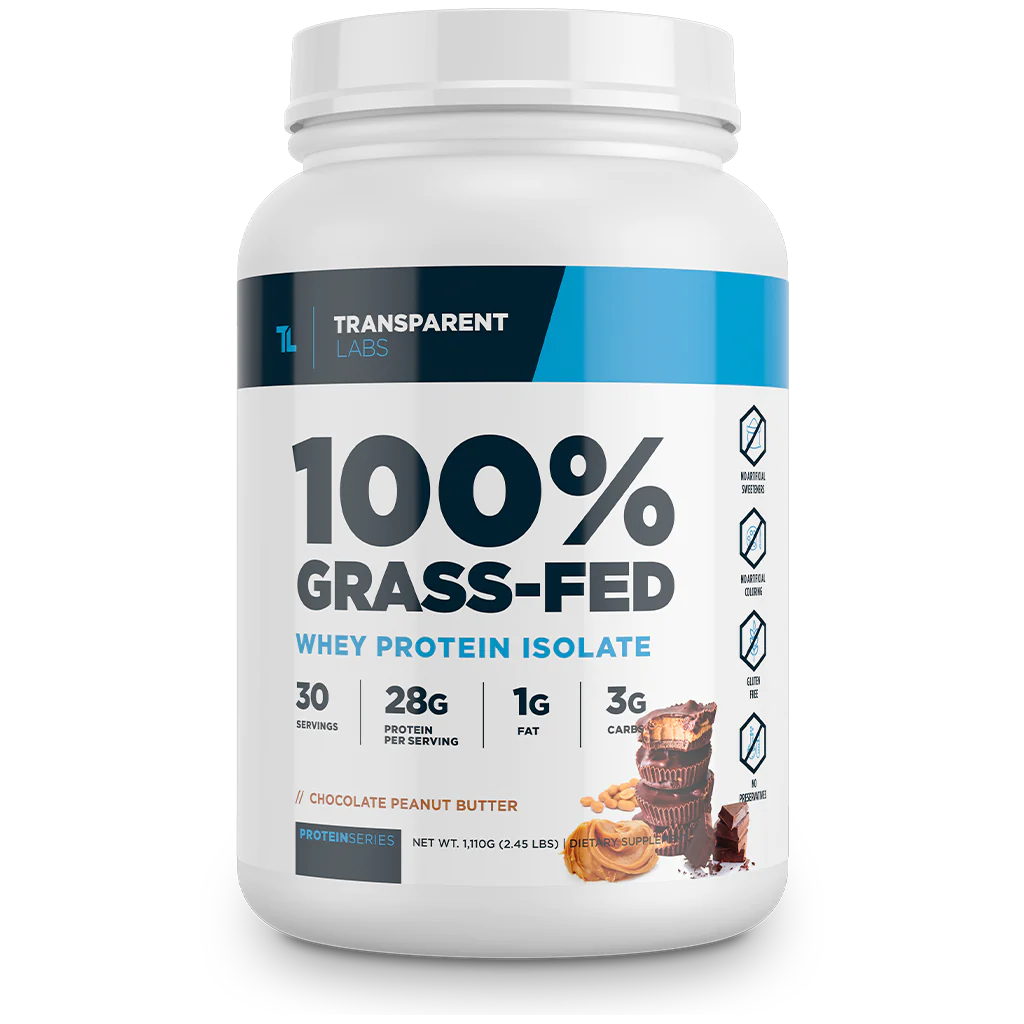
Safeguarding Muscle: Why Lean Mass Matters for Fat Loss
As mentioned earlier, true weight loss is about fat loss, not just losing pounds. When you restrict calories to lose weight, your body can sometimes break down muscle tissue for energy, especially if protein intake is low and resistance training is neglected. Losing muscle is counterproductive because muscle tissue is more metabolically active than fat tissue. This means more muscle equals a higher resting metabolic rate (RMR), allowing your body to burn more calories even at rest.
A high-protein diet, combined with consistent resistance training, provides the necessary amino acids to signal muscle protein synthesis, effectively telling your body to preserve or even build muscle while you’re in a calorie deficit. This leads to a more favorable body composition, where you’re not just lighter, but also stronger and more toned.
Protein Powder: A Strategic Ally, Not a Magic Bullet
While whole food sources should always be the foundation of your diet, protein powder offers unparalleled convenience and efficiency, making it an excellent tool to complement your nutritional strategy. It’s not a replacement for a balanced diet, but rather a powerful supplement to optimize your intake.
Bridging Nutritional Gaps with Ease
Life gets busy. Sometimes, preparing a protein-rich meal isn’t feasible, or you might find yourself short on protein for the day. This is where protein powder shines. A quick shake can deliver a substantial dose of protein with minimal preparation, ensuring you hit your daily targets even on the busiest days. It’s particularly useful for those who struggle to consume enough protein from whole foods alone due to dietary preferences, appetite, or time constraints.
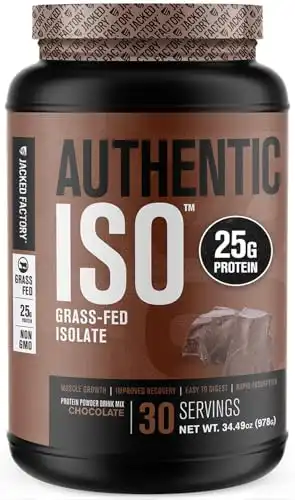
Optimizing Post-Workout Recovery
After a challenging workout, your muscles are primed for repair and growth. Consuming protein relatively soon after exercise (within 1-2 hours) can kickstart the recovery process, supplying amino acids to repair damaged muscle fibers and initiate new muscle protein synthesis. A protein shake is an incredibly fast and easily digestible way to get these vital nutrients into your system when your body needs them most.
Smart Snacking and Meal Enhancement
Protein powder isn’t just for post-workout shakes. It can be incorporated into a variety of meals and snacks to boost their protein content. Imagine adding a scoop to your oatmeal, yogurt, or even baking to create more satisfying and nutritionally dense options. This strategy can transform ordinary snacks into hunger-crushing powerhouses, further supporting your weight loss goals by keeping you satiated and energized.
Demystifying Protein Powder Types for Weight Loss
The market is flooded with various types of protein powders, each with its unique characteristics. Understanding the differences can help you choose the best fit for your specific needs and dietary preferences.
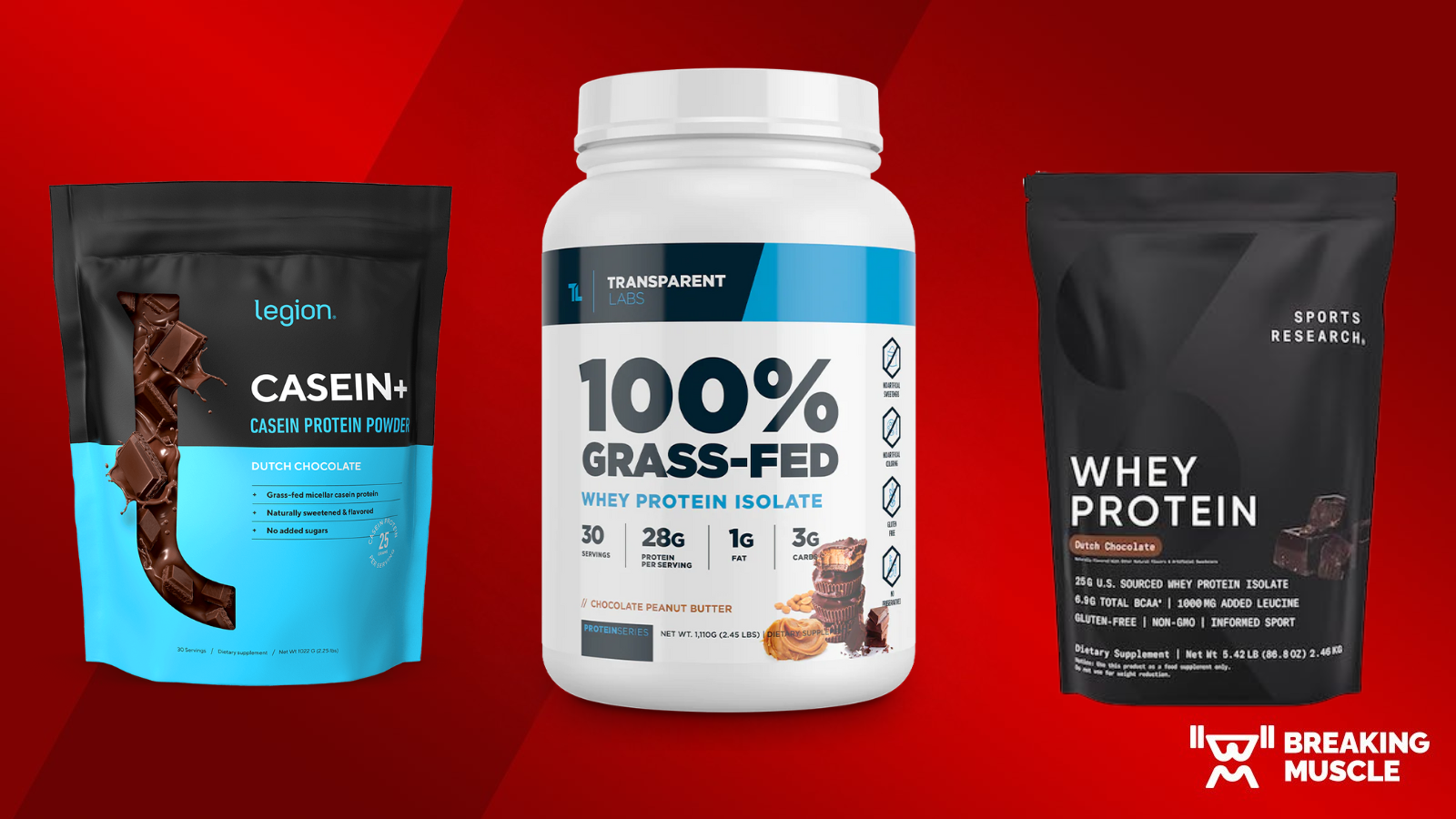
Whey Protein Isolate: The Fast-Acting Champion
Whey protein is derived from milk and is one of the most popular and extensively studied protein sources. Whey protein isolate, in particular, undergoes further processing to remove most of the lactose, fat, and carbohydrates, resulting in a product that is typically 90% or more protein by weight.
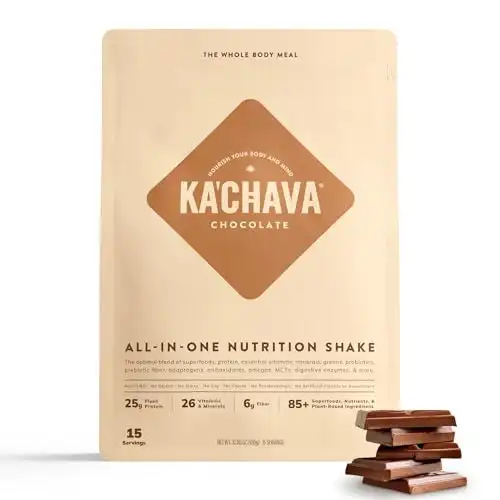
- Benefits for Weight Loss: Its rapid digestion and absorption make it ideal for post-workout recovery, quickly delivering amino acids to muscles. Its low calorie, carb, and fat content make it an excellent choice for those strictly managing their macronutrient intake for a calorie deficit.
- Considerations: While generally well-tolerated, individuals with severe lactose intolerance might still experience minor digestive issues.
Casein Protein: The Slow-Release Sustainer
Like whey, casein protein is also derived from milk, but its digestion and absorption profile are markedly different. Casein forms a gel in the stomach, leading to a much slower and more sustained release of amino acids into the bloodstream over several hours.
- Benefits for Weight Loss: This slow-digesting property makes casein excellent for promoting prolonged satiety, making it an ideal choice before bed to support overnight muscle recovery and prevent late-night cravings. It provides a steady stream of amino acids, which can be particularly beneficial during extended periods without food.
- Considerations: Due to its thicker consistency when mixed, some people prefer it in puddings or as a slower-drinking shake.
Plant-Based Proteins: Diverse Options for Every Diet
For those following vegetarian, vegan, or dairy-free diets, plant-based protein powders offer excellent alternatives. Common sources include pea, brown rice, hemp, and soy protein. Many high-quality plant-based powders are blends of different sources to ensure a complete amino acid profile.
- Benefits for Weight Loss: Plant-based proteins can be just as effective as whey for muscle preservation and satiety, especially when formulated as complete proteins. They often come with added fiber, which can further enhance fullness.
- Considerations: Some individual plant proteins might be slightly higher in carbohydrates or have a distinct texture. Blended plant proteins are often recommended to ensure a comprehensive amino acid profile.
Meal Replacement Powders: A Comprehensive Solution
While most protein powders are designed to supplement your protein intake, some products are formulated as "meal replacement" shakes. These typically contain a more balanced macronutrient profile (protein, carbs, and fats), along with vitamins, minerals, and sometimes adaptogens or probiotics, to serve as a complete, albeit liquid, meal.
- Benefits for Weight Loss: For individuals seeking a convenient, controlled-calorie meal, these can be highly effective. They ensure you receive a broad spectrum of nutrients while maintaining a calorie deficit.
- Considerations: They generally have higher calorie, carb, and fat counts than pure protein isolates. It’s crucial to assess if their macronutrient breakdown aligns with your specific dietary goals, especially if you’re on a very low-carb diet.
Your Blueprint for Choosing the Right Protein Powder
Navigating the vast array of protein powders can be daunting. As a certified nutrition coach, I advise my clients to focus on several key factors to ensure they select a product that genuinely supports their weight loss journey.
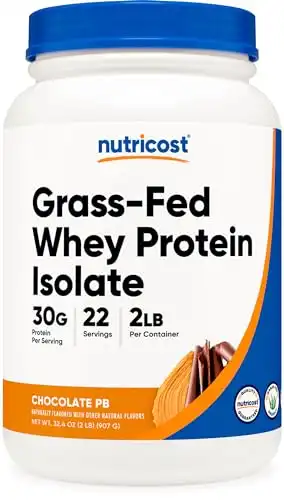
Prioritizing Protein Content and Macronutrient Profile
The primary goal is to maximize your protein intake without adding unnecessary calories.
- High Protein-to-Calorie Ratio: Look for powders that offer a significant amount of protein per serving (typically 20-30 grams) with a moderate calorie count (e.g., 100-160 calories).
- Minimal Fats and Carbohydrates: Especially if your diet is already rich in these macros, opt for protein isolates that are ultra-filtered to remove excess carbohydrates and fats. For instance, a whey protein isolate is generally leaner than a concentrate.
- Check the Label: Remember that protein provides approximately 4 calories per gram. If a powder has 25g of protein, expect its calories to be around 100-120 from protein alone. Any additional calories will come from added sugars, fats, or other ingredients.
Decoding the Ingredient List: What to Look For (and Avoid)
The cleaner the ingredient list, the better.
- Avoid Added Sugars: Be vigilant for ingredients like "cane sugar," "fructose," "corn syrup," or other forms of added sugars that contribute empty calories and can hinder weight loss progress.
- Minimize Fillers and Unnecessary Additives: Some powders include thickeners, gums, or other fillers that don’t add nutritional value. A shorter, more transparent ingredient list is usually preferable.
- Artificial Sweeteners: Many protein powders use artificial sweeteners like sucralose or acesulfame potassium to enhance flavor without adding calories. While generally recognized as safe, some individuals prefer to avoid them due to personal preference or potential concerns about their long-term effects on gut health or cravings. If you prefer natural alternatives, look for products sweetened with stevia or monk fruit.
- Beneficial Additions: Some powders include beneficial ingredients like creatine (for strength/muscle), probiotics (for gut health), or branched-chain amino acids (BCAAs). While not essential for everyone, consider if these align with your overall health and fitness objectives.
The Importance of Taste and Mixability for Consistency
This might seem obvious, but if you genuinely dislike the taste or texture of your protein powder, you won’t stick with it. Consistency is paramount for any weight loss strategy.
- Experiment with Flavors: Most brands offer a variety of flavors. Start with a smaller container or sample packs if available to find what you enjoy.
- Consider Unflavored Options: Unflavored protein powder offers maximum versatility, allowing you to mix it into smoothies, oatmeal, or even savory dishes without altering the taste profile. You can then add your own natural flavors (fruit, cinnamon, cocoa powder).
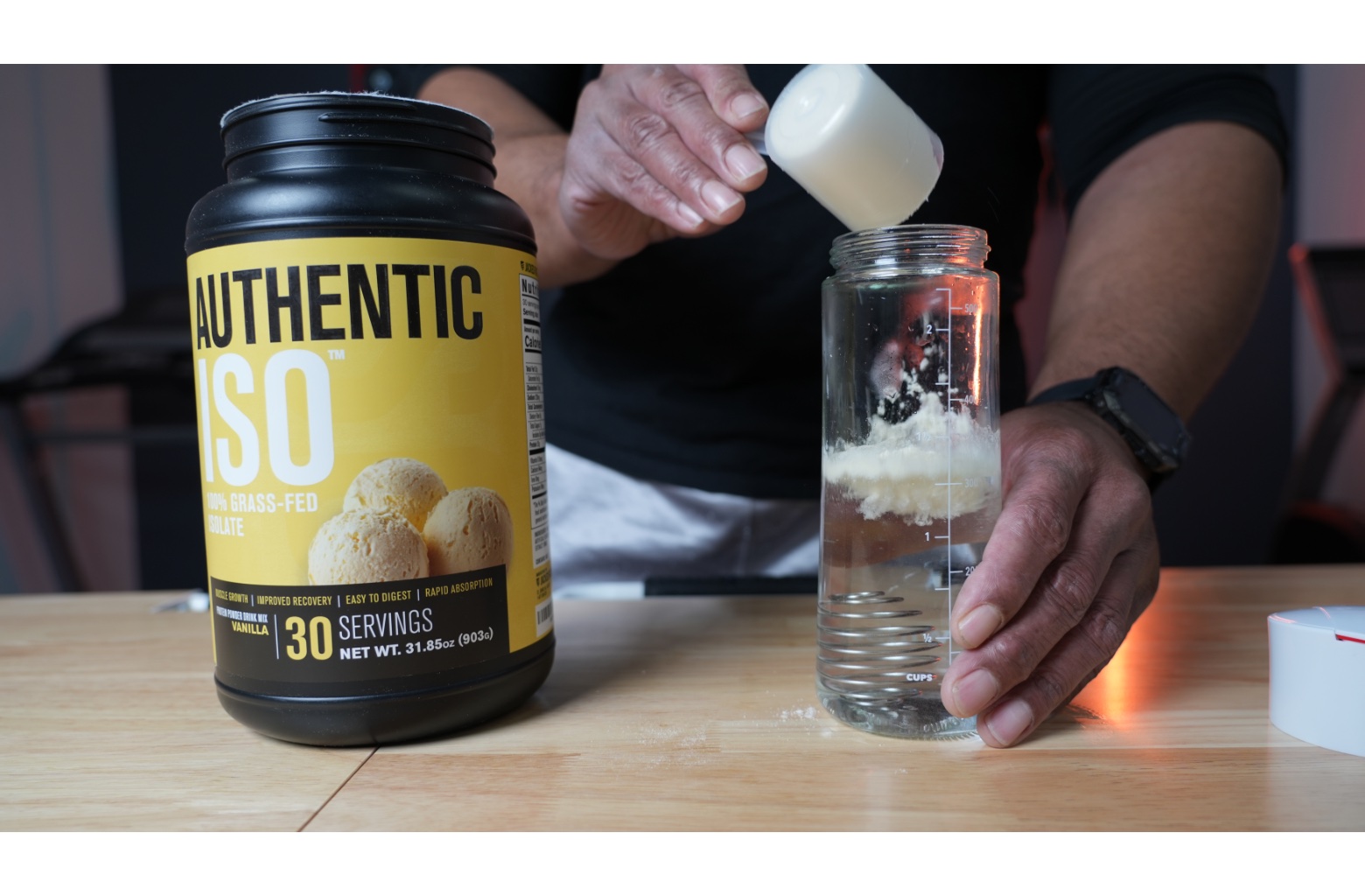
- Mixability: A good protein powder should dissolve easily in your liquid of choice (water, milk, plant-based milk) without clumping or leaving a gritty residue. A shaker bottle should be sufficient for most.
Navigating Quality and Third-Party Testing
The supplement industry is not as tightly regulated as pharmaceuticals. To ensure you’re getting a safe, pure, and accurately labeled product:
- Look for Third-Party Certifications: Reputable protein powders are often tested by independent organizations like Informed Choice, NSF Certified for Sport, or Labdoor. These certifications verify that the product contains what it claims, is free from harmful contaminants (like heavy metals), and does not contain substances banned in athletic competitions.
- Transparency: Brands that openly share their testing results or source their ingredients responsibly demonstrate a commitment to quality. As a fitness professional, I strongly recommend choosing products with these certifications, especially if you are an athlete.
Integrating Protein Powder into Your Daily Routine: Actionable Strategies
Now that you know what to look for, let’s explore practical ways to incorporate protein powder into your daily life to maximize its weight loss benefits.
Post-Workout Power-Up
- Timing is Key: Aim for a protein shake within 30-60 minutes after your resistance training session.
- Recipe Idea: Mix 1 scoop of whey protein isolate with water or unsweetened almond milk. For an extra boost, add a banana (for carbs to replenish glycogen) and a handful of spinach (for micronutrients).
Breakfast Boosters and Morning Meals
Start your day with a protein punch to kickstart your metabolism and keep you full until lunch.
- Smoothie: Blend 1 scoop of your preferred protein powder with frozen berries, a handful of greens (like kale or spinach), and water or unsweetened plant-based milk.
- Protein Oatmeal: Stir 1/2 to 1 scoop of unflavored or vanilla protein powder into your cooked oatmeal once it has cooled slightly (to prevent clumping). Top with nuts or seeds for healthy fats.
Mid-Day Snack Solutions
Combat the afternoon slump and ward off unhealthy cravings with a strategic protein-rich snack.
- Yogurt Parfait: Layer Greek yogurt with a scoop of protein powder (mixed in first), a sprinkle of granola, and fresh fruit.
- Protein Mug Cake: Many quick recipes exist for single-serving protein mug cakes that can be a satisfying, high-protein treat.
Evening Fuel and Overnight Recovery
For sustained satiety and muscle support while you sleep, casein protein is an excellent choice.
- Pre-Bed Shake: Mix 1 scoop of casein protein with water or milk about 30-60 minutes before bed. Its slow digestion will provide amino acids throughout the night.
- Protein Pudding: Mix casein protein powder with just enough milk or water to create a thick pudding consistency. Refrigerate for a few minutes before enjoying.
Beyond the Shake: A Holistic Approach to Weight Loss
While protein powder can be an invaluable tool, it’s crucial to remember that it’s just one piece of a larger, holistic puzzle. Sustainable weight loss is achieved through a comprehensive strategy that includes:
- Consistent Resistance Training: This is non-negotiable for preserving muscle mass and boosting your metabolism during a calorie deficit. Aim for 2-4 sessions per week, focusing on compound movements.
- Appropriate Calorie Deficit: Protein helps, but you still need to consume fewer calories than you burn to lose fat. Track your intake initially to understand your habits, then adjust as needed.
- Whole Food Nutrition: Prioritize nutrient-dense whole foods like lean meats, fish, eggs, fruits, vegetables, whole grains, and healthy fats. Protein powder supplements, not replaces, these foods.
- Adequate Sleep: Sleep plays a critical role in hormone regulation (ghrelin, leptin, cortisol), muscle recovery, and overall energy levels. Aim for 7-9 hours per night.
- Hydration: Drink plenty of water throughout the day. Often, thirst can be mistaken for hunger.
- Mindset and Consistency: Weight loss is rarely linear. Be patient, celebrate small victories, and stay consistent with your efforts. Develop habits that you can maintain long-term.
Final Thoughts: Empowering Your Weight Loss Journey with Protein
As a certified nutrition coach, I want to underscore that protein powder is not a mandatory component for weight loss success. However, its convenience, effectiveness in promoting satiety, and critical role in muscle preservation make it an exceptional tool for those committed to a sustainable and healthy transformation.
By strategically incorporating a high-quality protein powder into your diet, you empower yourself to manage hunger more effectively, support your metabolism, and protect your invaluable muscle tissue while shedding unwanted body fat. It’s about optimizing your nutrition to create an environment where your body can thrive, recover, and adapt.
Remember, your journey is unique. Experiment with different types and flavors, integrate protein powder into your favorite recipes, and combine it with consistent exercise and a balanced lifestyle. Embrace protein as a powerful ally, and watch as you build not just a leaner physique, but a stronger, healthier, and more confident you. The power to transform is within you – let protein help fuel that incredible journey.
Frequently Asked Questions (FAQs)
Q: Should you drink protein shakes when you’re trying to lose weight?
A: Yes, protein shakes can be an excellent aid for weight loss. They provide a convenient and lean source of protein, which is crucial for preserving lean muscle mass while you’re in a calorie deficit. For weight loss, I generally recommend opting for a whey protein isolate or a high-quality plant-based isolate, as these are processed to have minimal carbohydrates and fats, maximizing the protein-to-calorie ratio. This helps you meet your daily protein targets without consuming excess calories.
Q: How much protein should I eat in a day to lose weight?
A: While individual needs vary, individuals focusing on weight loss and muscle preservation should generally aim for a higher protein intake. A good guideline is to consume at least 1.2 to 1.6 grams of protein per kilogram of body weight (or approximately 0.5 to 0.7 grams of protein per pound of body weight). This range helps support muscle mass and satiety, which are vital when maintaining a calorie deficit for fat loss. Spread your protein intake throughout the day to optimize absorption and muscle protein synthesis.
Q: What type of protein is best for weight loss?
A: For weight loss, protein sources that are "leaner" – meaning they offer a high protein content with minimal fat and carbohydrates – are generally preferred.
- Whey Protein Isolate: Excellent for its rapid absorption and very low fat/carb content, making it ideal for post-workout or quick protein boosts.
- Casein Protein: Slow-digesting, promoting prolonged satiety and sustained amino acid release, which is beneficial for managing hunger between meals or before bed.
- Plant-Based Protein Isolates (e.g., pea, brown rice blends): Great options for those avoiding dairy. Look for blends to ensure a complete amino acid profile.
From whole food sources, lean animal proteins like chicken breast, fish (salmon, cod), turkey, and eggs are excellent. Plant-based lean protein sources include tofu, tempeh, lentils, beans, and Greek yogurt. The "best" type ultimately depends on your dietary preferences and how it fits into your overall macronutrient goals.
Q: What should I drink for weight loss?
A: When focusing on weight loss, it’s best to prioritize calorie-free or very low-calorie beverages.
- Water: Essential for hydration, metabolism, and often helps reduce feelings of hunger.
- Seltzer/Sparkling Water: A great alternative to sugary sodas.
- Black Coffee/Unsweetened Tea: Can provide an energy boost without added calories.
- Protein Shakes (mixed with water or unsweetened milk): A fantastic way to add protein without excess calories.
Avoid calorie-dense beverages like sugary sodas, fruit juices (even 100% juice is high in sugar), sweetened sports drinks, and alcohol, as these contribute significant "empty" calories that can hinder your weight loss progress and satiety.
Q: Which protein is best for belly fat loss?
A: There isn’t a specific protein that directly targets belly fat loss. However, prioritizing lean protein intake overall, such as through whey protein isolate or other high-quality lean protein sources, is highly beneficial for overall fat loss, including abdominal fat. Protein helps reduce total body fat by promoting satiety, increasing the thermic effect of food, and preserving muscle mass, which collectively contribute to a more efficient calorie deficit. When you lose overall body fat, belly fat naturally decreases. Focus on a comprehensive approach that includes a calorie deficit, resistance training, and consistent protein intake for the best results.