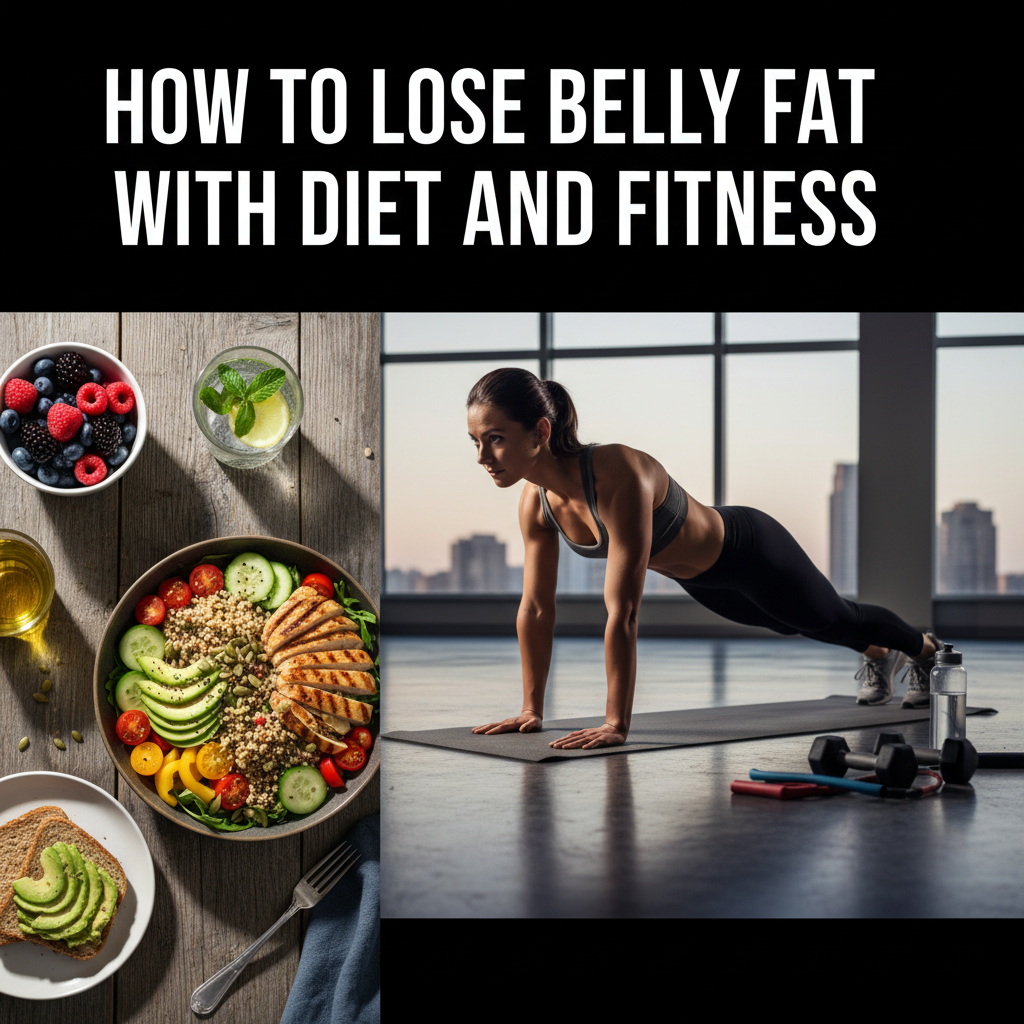
Embarking on a journey to burn fat faster requires a strategic approach to your diet. It’s not just about eating less; it’s about making smart food choices that support your body’s natural fat-burning processes. This article delves into the core principles of a fat-loss diet, providing you with the knowledge and tools to create a sustainable and effective plan.
The foundation of any successful fat-loss diet lies in a calorie deficit. This means consuming fewer calories than your body burns. However, it’s crucial to achieve this deficit in a healthy way, focusing on nutrient-dense foods rather than simply restricting calories.
Prioritizing Protein Intake
Protein is a cornerstone of a fat-burning diet. It helps preserve muscle mass, which is essential for maintaining a healthy metabolism. Protein also has a high thermic effect, meaning your body burns more calories digesting it compared to fats or carbohydrates. Aim to include a protein source in every meal.
Good sources of protein include lean meats (chicken, turkey, fish), eggs, dairy products (Greek yogurt, cottage cheese), and plant-based options like lentils, beans, and tofu.
Embracing Healthy Fats
While it may seem counterintuitive, healthy fats are crucial for fat loss. They help you feel satiated, support hormone production, and improve nutrient absorption. Focus on unsaturated fats, such as those found in avocados, nuts, seeds, and olive oil.
Avoid trans fats and limit your intake of saturated fats found in processed foods and excessive amounts of red meat. Moderation is key.
Choosing Complex Carbohydrates Wisely
Carbohydrates are not the enemy, but the type and quantity matter. Prioritize complex carbohydrates, which are digested slowly and provide sustained energy. These include whole grains (oats, brown rice, quinoa), vegetables, and fruits.
Limit refined carbohydrates like white bread, pasta, and sugary drinks. These can cause blood sugar spikes and hinder fat loss.
The Power of Fiber
Fiber is an essential nutrient for fat loss. It promotes satiety, helps regulate blood sugar levels, and supports healthy digestion. Aim to consume a variety of fiber-rich foods, including vegetables, fruits, and whole grains.
Excellent sources of fiber include broccoli, berries, apples, and oats. Fiber helps you feel fuller for longer, reducing the likelihood of overeating.
Hydration is Key
Drinking plenty of water is often overlooked, but it’s crucial for fat loss. Water helps your body metabolize fat, keeps you feeling full, and supports overall health. Aim to drink at least eight glasses of water per day.
Consider incorporating herbal teas and unsweetened beverages to add variety to your hydration routine. Avoid sugary drinks, which can sabotage your fat-loss efforts.
Meal Planning and Preparation
Planning your meals and preparing your food in advance can significantly improve your chances of success. It helps you make healthier choices and avoid impulsive decisions. Spend some time each week planning your meals and prepping ingredients.
Consider using meal prep containers to portion out your meals. This ensures you’re eating the right portions and provides convenient, healthy options throughout the week.
Consistency and Patience
Burning fat faster is a journey, not a sprint. Consistency and patience are key. Focus on making sustainable changes to your diet and lifestyle. Don’t get discouraged by setbacks. Celebrate your progress and keep striving towards your goals.