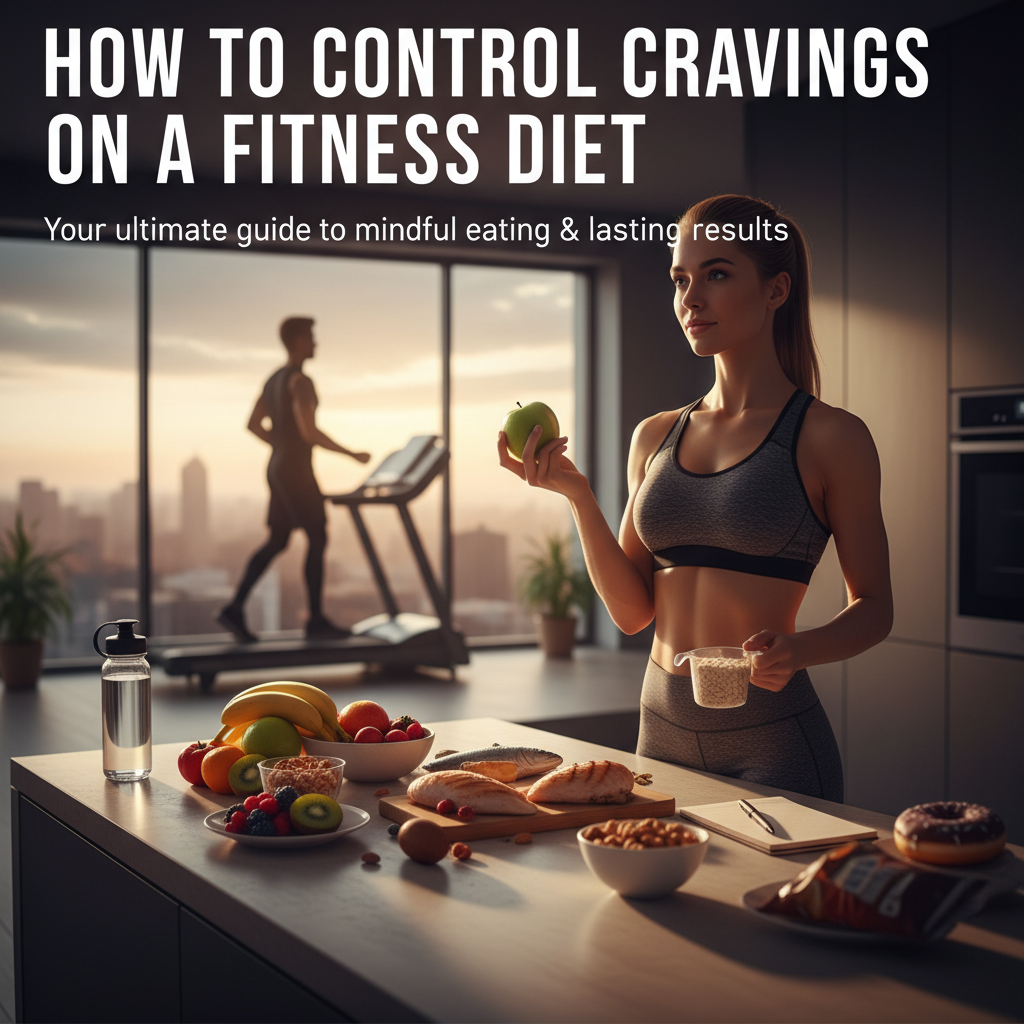
Embarking on a fitness diet is a commendable step towards a healthier lifestyle. However, one of the biggest challenges people face is managing cravings. These sudden, intense desires for specific foods can derail even the most determined individuals. This article provides a comprehensive guide on how to effectively control cravings and stay on track with your fitness goals.
Understanding the root causes of cravings is the first step in managing them. Cravings can be triggered by a variety of factors, including hormonal imbalances, nutrient deficiencies, emotional stress, and even learned behaviors. Recognizing these triggers allows you to develop targeted strategies to address them.
Hydration: Your First Line of Defense
Often, what we perceive as hunger or a craving is actually thirst. Dehydration can mimic the symptoms of hunger, leading you to reach for snacks when your body simply needs water. Aim to drink an adequate amount of water throughout the day, especially before meals. This can help you feel fuller and reduce the likelihood of cravings.
Prioritize Nutrient-Rich Foods
One of the most effective ways to combat cravings is to ensure your diet is packed with nutrient-rich foods. When your body receives the vitamins, minerals, and other nutrients it needs, it’s less likely to send out craving signals. Focus on consuming plenty of fruits, vegetables, lean proteins, and whole grains.
Plan Your Meals and Snacks
Failing to plan is planning to fail, especially when it comes to a fitness diet. Meal planning and preparing healthy snacks in advance can prevent impulsive decisions driven by cravings. Having readily available, healthy options makes it easier to resist tempting, less nutritious choices.
Don’t Deprive Yourself Completely
Strictly restricting yourself from all your favorite foods can backfire. It can lead to feelings of deprivation and ultimately trigger binge eating. Allow yourself occasional treats in moderation. This helps maintain a balanced approach and prevents feelings of being overly restricted.
Manage Your Stress Levels
Stress is a significant trigger for cravings. When stressed, your body releases hormones like cortisol, which can increase your appetite and lead to cravings for comfort foods. Practice stress-reducing techniques such as meditation, yoga, or deep breathing exercises.
Get Enough Sleep
Sleep deprivation can disrupt the hormones that regulate appetite, leading to increased cravings, particularly for high-calorie foods. Aim for 7-9 hours of quality sleep each night. Establishing a regular sleep schedule can also help regulate your body’s natural hunger and fullness cues.
Identify and Avoid Trigger Foods
Certain foods may be more likely to trigger cravings than others. Identifying these trigger foods allows you to consciously avoid them or consume them in moderation. Common trigger foods include processed snacks, sugary drinks, and highly palatable, calorie-dense foods.
Eat Mindfully
Mindful eating involves paying attention to your body’s hunger and fullness cues. Eat slowly, savor each bite, and avoid distractions like television or your phone. This allows you to recognize when you’re truly full and prevents overeating or mindless snacking.
Use Healthy Substitutes
When a craving hits, consider reaching for a healthy substitute instead of the food you’re craving. For example, if you crave something sweet, try a piece of fruit or a small serving of Greek yogurt with berries. This satisfies your craving without derailing your diet.
Stay Active and Exercise Regularly
Regular physical activity can help control cravings by regulating hormones, improving mood, and reducing stress. Exercise can also boost your metabolism and make you feel more satisfied with your body, which can further reduce the urge to overeat.
Seek Support
Don’t be afraid to ask for help. Talk to a registered dietitian, a nutritionist, or a certified personal trainer. They can provide personalized advice and support to help you manage your cravings and stay on track with your fitness goals.
Keep a Food Journal
Tracking what you eat and drink, along with your cravings, can provide valuable insights into your eating habits. This can help you identify patterns and triggers, allowing you to make more informed decisions about your diet and lifestyle.
Controlling cravings is an ongoing process that requires patience, self-awareness, and a strategic approach. By implementing these strategies, you can effectively manage your cravings, stay committed to your fitness diet, and achieve your health and wellness goals.