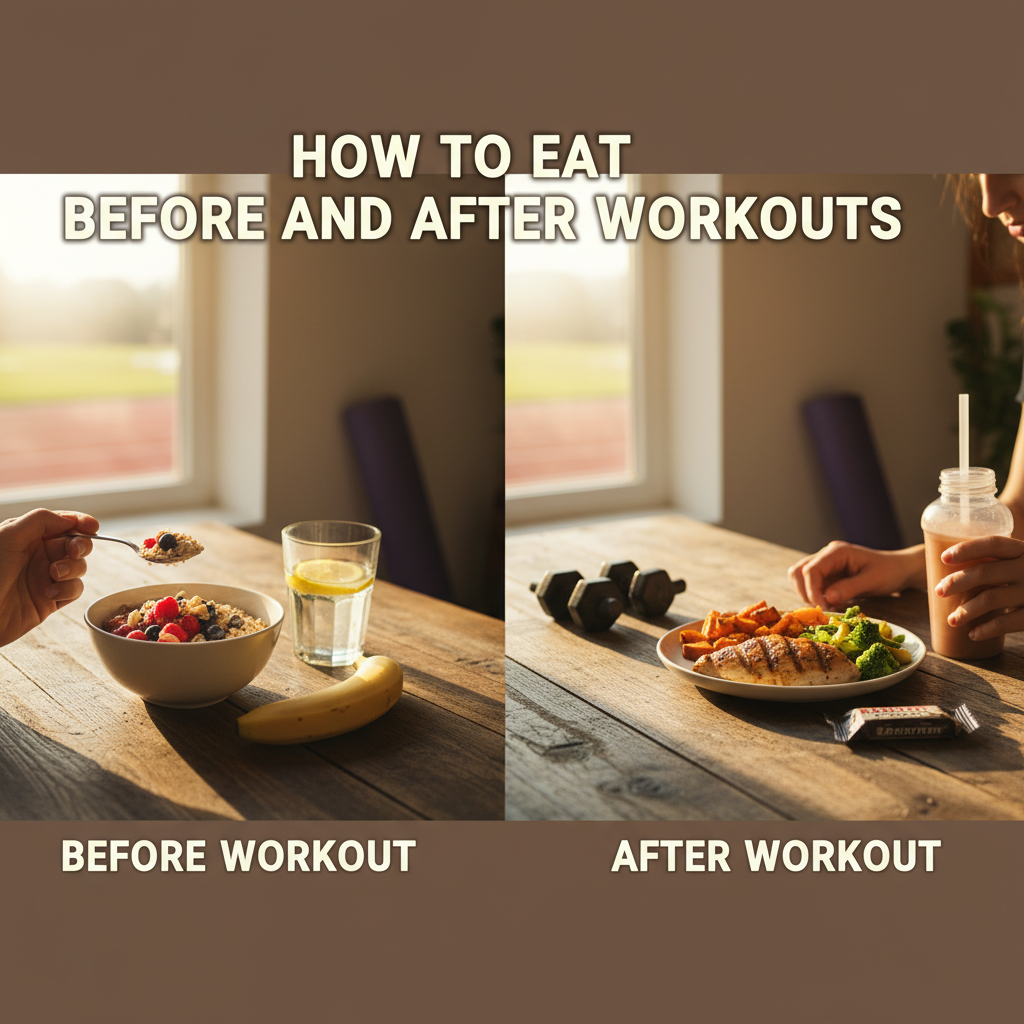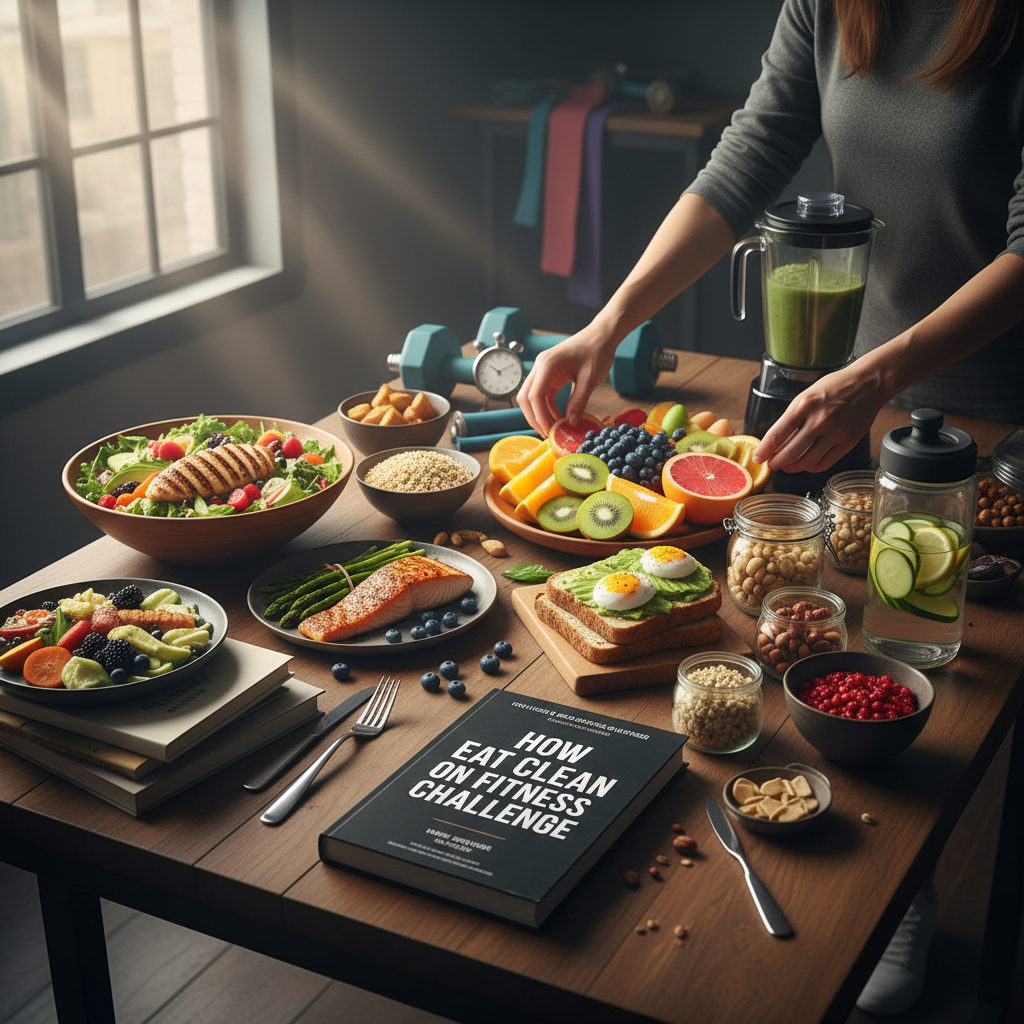
Embarking on a fitness challenge, whether it is a 30-day transformation or a marathon training block, places significant demands on your body. While exercise is the visible component, the often-overlooked key to unlocking peak performance and achieving desired results lies squarely in your nutritional strategy. Eating clean during these intense periods is not merely about restriction; it is about strategic, high-quality fuel intake.
Defining ‘Clean Eating’ in a Challenge Context: For the purpose of a fitness challenge, clean eating generally means consuming whole, unprocessed foods. This translates to prioritizing lean proteins, complex carbohydrates, healthy fats, and abundant vegetables and fruits, while strictly limiting refined sugars, processed oils, artificial ingredients, and excessive sodium.
Phase 1: Preparation and Planning are Non-Negotiable
The success of your clean eating journey is often determined before you even step into the kitchen. Last-minute decisions lead to poor choices. You must dedicate time to planning your meals for the entire week, accounting for your training schedule, recovery needs, and social commitments.
The Power of Meal Prepping: Meal prepping is the single most effective tool for maintaining consistency. Dedicate a few hours, typically on a Sunday, to cook staple proteins (like grilled chicken or baked fish), roast vegetables, and portion out complex carbs (like quinoa or brown rice). This eliminates the temptation of fast food when hunger strikes post-workout.
Optimizing Macronutrients for Performance
A fitness challenge demands a balanced macronutrient profile tailored to your specific goals—be it fat loss, muscle gain, or endurance improvement. Undereating or miscalculating macros will sabotage your energy levels and recovery.
- Protein Intake: Aim for 0.8 to 1 gram of protein per pound of body weight. Protein is crucial for muscle repair and satiety, helping control hunger pangs. Sources should include eggs, lean meats, fish, legumes, and whey or plant-based protein powders.
- Carbohydrate Timing: Carbs are your primary energy source. Focus on complex sources like sweet potatoes, oats, and whole grains, consumed strategically around your workouts (pre- and post-training) to maximize energy utilization and glycogen replenishment.
- Healthy Fats: Essential for hormone production and nutrient absorption, fats should not be feared. Incorporate avocados, nuts, seeds, and olive oil, but monitor portions as they are calorie-dense.
Hydration: The Unsung Hero of Clean Eating
Water intake often falls by the wayside when focusing solely on food macros. Proper hydration is critical for nutrient transport, temperature regulation, and preventing fatigue, which can easily be mistaken for hunger. Aim for a minimum of half your body weight in ounces of water daily, increasing substantially on heavy training days.
Navigating Social Situations and Eating Out
Challenges rarely happen in a vacuum. You will inevitably face social events or restaurant meals. The key here is proactive management, not avoidance. Always look at the menu online beforehand and identify the safest options.
Smart Restaurant Orders: When dining out, default to simple preparations. Ask for grilled, baked, or steamed options instead of fried. Request sauces and dressings be served on the side so you can control the quantity. Prioritize a lean protein and a double serving of non-starchy vegetables.
Managing Cravings and Psychological Hurdles
The initial transition to clean eating can trigger significant cravings, often driven by habit rather than true physiological need. This is where mental fortitude is tested.