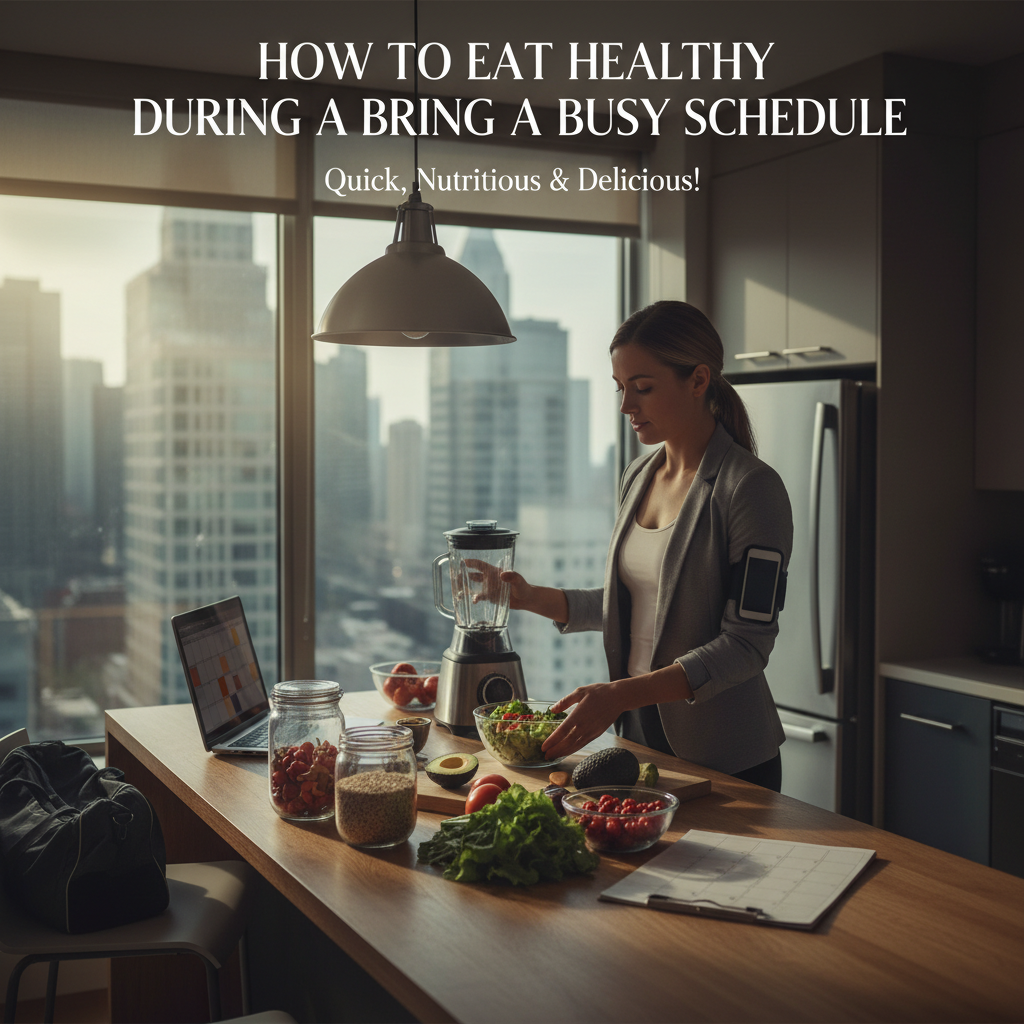
In today’s fast-paced world, many individuals find it challenging to maintain a healthy diet. The demands of work, family, and social commitments often leave little time for meal preparation and mindful eating. However, prioritizing nutrition is crucial for overall well-being, energy levels, and long-term health. This article offers practical strategies for eating healthy, even when your schedule is packed.
Plan Your Meals in Advance
One of the most effective ways to eat healthily during a busy schedule is to plan your meals ahead of time. This proactive approach minimizes impulsive, unhealthy food choices. Dedicate a specific time each week, perhaps on the weekend, to plan your meals for the upcoming days. Consider your schedule, activities, and dietary needs. Create a detailed meal plan, including breakfast, lunch, dinner, and snacks. This plan will serve as your roadmap for healthy eating throughout the week.
Grocery Shopping Strategies: Once you have your meal plan, create a detailed grocery list based on the planned recipes. Stick to the list to avoid buying unnecessary or unhealthy items. Consider online grocery shopping with delivery or pickup options to save time. When shopping, focus on purchasing whole, unprocessed foods like fruits, vegetables, lean proteins, and whole grains. Avoid processed foods, sugary drinks, and excessive fats.
Prepare Meals in Batches
Batch cooking is a game-changer for busy individuals. Set aside a few hours each week to prepare meals in bulk. This might involve cooking a large pot of soup, roasting a tray of vegetables, or grilling a batch of chicken or fish. Divide the cooked food into individual portions and store them in the refrigerator or freezer for easy access throughout the week. This ensures you always have a healthy meal option available, even when you’re short on time.
Embrace Leftovers: Leftovers are your best friend when you’re busy. Make extra portions of dinner and use them for lunch the next day. This minimizes the need for cooking during the week. Get creative with leftovers; transform them into new meals to avoid boredom. For example, leftover roasted chicken can be used in salads, wraps, or stir-fries.
Pack Nutritious Snacks
Snacking can be a crucial part of a healthy diet, especially when you have a busy schedule. However, it’s essential to choose healthy snack options to avoid unhealthy cravings and maintain energy levels. Pack snacks that are easy to grab and go, such as fruits, vegetables with hummus, nuts, seeds, or yogurt. These snacks provide essential nutrients and help you stay satisfied between meals.
Smart Snack Choices: Avoid processed snacks high in sugar, salt, and unhealthy fats. Instead, opt for whole, unprocessed options. Keep healthy snacks readily available at your workplace, in your car, and at home. This prevents you from reaching for unhealthy options when hunger strikes. Consider pre-portioned snack bags or containers to control portion sizes.
Utilize Quick and Easy Recipes
When time is of the essence, quick and easy recipes are your best allies. Learn a few go-to recipes that require minimal preparation and cooking time. These might include salads, stir-fries, omelets, or smoothies. Focus on recipes that utilize readily available ingredients and require minimal steps. Keep a collection of these recipes handy for those busy days when you need a healthy meal in a hurry.
Simplify Your Cooking: Don’t be afraid to embrace shortcuts. Use pre-cut vegetables, canned beans, or pre-cooked grains to save time. Explore one-pan or one-pot recipes that minimize cleanup. The goal is to make healthy eating as convenient as possible.
Stay Hydrated
Drinking enough water is essential for overall health and can also help control hunger. Carry a reusable water bottle with you throughout the day and refill it regularly. Aim to drink water before, during, and after meals. Staying hydrated can prevent overeating and improve energy levels.
Hydration Tips: If you find it challenging to drink plain water, try infusing it with fruits or herbs for added flavor. Set reminders to drink water throughout the day. Avoid sugary drinks like soda and juice, as they can contribute to weight gain and other health problems.
Prioritize Sleep
Getting enough sleep is crucial for maintaining a healthy weight and making healthy food choices. Lack of sleep can disrupt hormones that regulate appetite, leading to increased cravings for unhealthy foods. Aim for 7-9 hours of quality sleep each night. Establish a regular sleep schedule and create a relaxing bedtime routine to promote restful sleep.
Sleep Strategies: Create a sleep-friendly environment by ensuring your bedroom is dark, quiet, and cool. Avoid caffeine and alcohol before bed. Engage in relaxing activities like reading or taking a warm bath before sleep.
Manage Stress
Stress can lead to unhealthy eating habits. Find healthy ways to manage stress, such as exercise, meditation, or spending time in nature. When you’re stressed, you’re more likely to reach for comfort foods high in sugar, fat, and calories. Develop strategies to cope with stress effectively and make healthier food choices.
Stress-Reducing Techniques: Practice deep breathing exercises, yoga, or mindfulness to reduce stress. Make time for activities you enjoy, such as hobbies or spending time with loved ones. Seek professional help if stress is overwhelming.