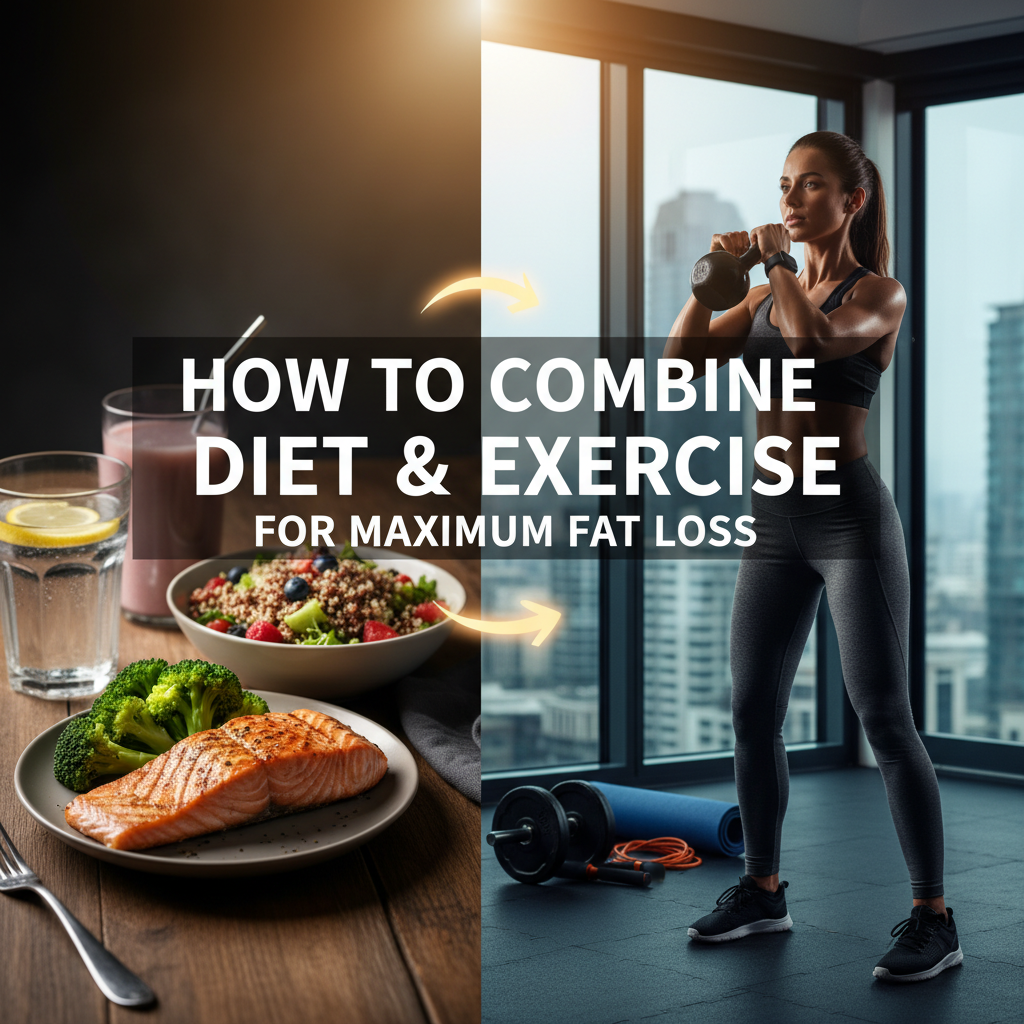
Introduction to Functional Fitness Nutrition
Functional fitness focuses on movements that mimic real-life activities, requiring a blend of strength, endurance, and agility. To support this multi-faceted training style, your nutrition must be equally versatile. It is not just about counting calories; it is about providing the right raw materials for cellular repair and energy production. A well-rounded diet ensures that your body can handle the varied demands of high-intensity interval training, heavy lifting, and cardiovascular endurance exercises.
The Role of Carbohydrates as Primary Fuel
Carbohydrates are the preferred energy source for high-intensity functional training. When you engage in metabolic conditioning or heavy lifting, your body relies on glycogen stores. Consuming complex carbohydrates like sweet potatoes, oats, and quinoa ensures a steady release of glucose, preventing the dreaded fatigue during long sessions. Without adequate carbohydrate intake, performance often plateaus, and the risk of overtraining increases significantly.
Prioritizing Protein for Muscle Repair
Functional movements often involve eccentric loading which causes micro-tears in muscle fibers. Protein is essential for repairing these tissues and building lean mass. Aim for high-quality sources such as lean meats, eggs, or plant-based alternatives like lentils and chickpeas. Consuming roughly 1.6 to 2.2 grams of protein per kilogram of body weight is a standard recommendation for active individuals looking to optimize their recovery and strength gains.
Healthy Fats for Hormonal Balance
While carbs and protein get most of the attention, healthy fats are crucial for hormone production and joint health. Omega-3 fatty acids found in salmon and walnuts help manage systemic inflammation, which is vital for athletes performing high-frequency functional workouts. Fats also provide a dense energy source for lower-intensity recovery days and help in the absorption of fat-soluble vitamins like A, D, E, and K.
Pre-Workout Fueling Strategies
Timing your meals can significantly impact your performance during a workout. A pre-workout meal rich in easily digestible carbohydrates and a moderate amount of protein should ideally be consumed 2 to 3 hours before training. If you are short on time, a small snack like a banana or a slice of toast with honey can provide a quick glucose spike to power through a difficult session without causing gastrointestinal distress.
The Post-Workout Recovery Window
After a grueling session, your body is primed to absorb nutrients to begin the repair process. The goal of post-workout nutrition is to replenish glycogen and kickstart muscle protein synthesis. A combination of fast-acting protein and simple carbohydrates is ideal for this purpose. This helps lower cortisol levels and shifts the body from a catabolic state of breakdown to an anabolic state of growth and recovery.
Hydration and Electrolyte Management
Hydration is more than just drinking water; it is about maintaining the balance of fluids in your cells. Functional fitness often involves high sweat rates, leading to the loss of essential minerals like sodium, potassium, and magnesium. Electrolytes are necessary for muscle contractions and nerve signaling. Without them, you may experience cramping, dizziness, and decreased cognitive focus during complex movements or high-rep sets.
The Importance of Micronutrients
Vitamins and minerals act as essential co-factors for energy metabolism and cellular function. For instance, B-vitamins are involved in converting food into usable energy, while Vitamin D and Calcium support bone density and muscle function. A diet rich in leafy greens, colorful berries, and diverse vegetables ensures that these microscopic needs are met, preventing long-term deficiencies that could lead to injury or illness.
Managing Inflammation through Food
Chronic inflammation can hinder progress and lead to persistent joint pain. Incorporating anti-inflammatory foods like turmeric, ginger, and tart cherry juice can speed up the recovery process. These foods help neutralize oxidative stress caused by intense physical exertion, allowing you to return to the gym sooner and with less muscle soreness. Reducing the intake of processed sugars and trans fats also helps keep systemic inflammation in check.
Gut Health and Performance
A healthy gut microbiome is essential for efficient nutrient absorption and immune function. If your digestive system is compromised, even the highest quality diet won’t yield the desired results. Probiotic-rich foods like yogurt, kefir, and sauerkraut support a healthy gut flora, which in turn boosts the immune system and ensures that you are actually utilizing the nutrients you consume to fuel your workouts and recovery.
The Nuances of Caloric Surplus and Deficit
Your specific fitness goals dictate your total caloric intake. If you aim to build significant strength and muscle mass, a slight caloric surplus is usually necessary to provide the energy for growth. Conversely, if you want to improve your power-to-weight ratio for gymnastics movements, a controlled caloric deficit might be required. However, extreme deficits should be avoided as they compromise recovery, hormonal health, and overall performance.
Supplements as a Secondary Tool
Supplements should never replace a whole-food diet, but they can be useful tools for convenience and performance edges. Products like creatine monohydrate have been extensively researched and proven to improve power output and muscle volume. Whey protein is a convenient way to meet protein targets, and beta-alanine can help buffer lactic acid during high-intensity intervals. Always prioritize food first, then use supplements to fill specific nutritional gaps.
Developing a Sustainable Eating Pattern
Consistency is the most important factor in any long-term nutrition plan. Fad diets often fail because they are too restrictive for the high-energy demands of functional fitness. Adopting a flexible dieting approach allows for social occasions and occasional treats, which helps maintain long-term adherence. Focus on the 80/20 rule: 80 percent of your food from whole, nutrient-dense sources, and 20 percent for flexibility and enjoyment.
The Impact of Sleep on Nutritional Success
Nutrition and sleep are deeply interconnected. Poor sleep can disrupt hunger hormones like ghrelin and leptin, leading to increased cravings for high-sugar and high-fat foods. Furthermore, most muscle repair and hormonal regulation occur during deep sleep. To get the most out of your nutritional efforts, aim for 7 to 9 hours of quality sleep per night to ensure your body can process nutrients and recover effectively.
Listening to Biofeedback
Every individual is different, and there is no one-size-fits-all diet. Factors like age, sex, stress levels, and training volume all influence how your body responds to food. Pay close attention to biofeedback markers such as energy levels throughout the day, mood stability, hunger cues, and sleep quality. Adjusting your macronutrient ratios based on how you feel and perform can lead to a more optimized and personalized nutrition strategy.