Introduction to Strategic Nutrition
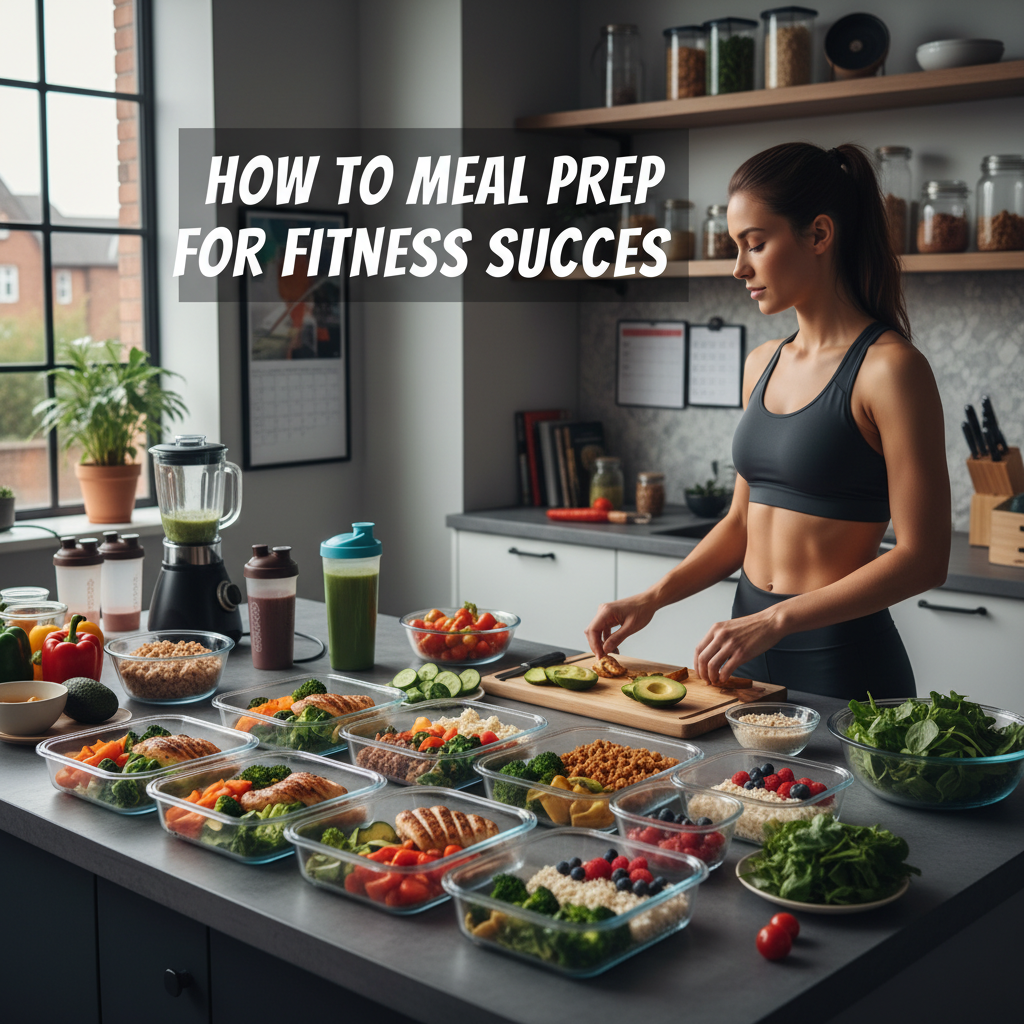
Meal prepping is the systematic process of planning and preparing meals ahead of time to ensure that nutritional goals are met with precision. For anyone serious about fitness, whether the goal is muscle gain or fat loss, control over food intake is the most significant variable. By dedicating a few hours each week to preparation, you create an environment where healthy choices are the easiest choices, effectively removing the decision fatigue that often leads to dietary lapses.
Defining Your Fitness Objectives
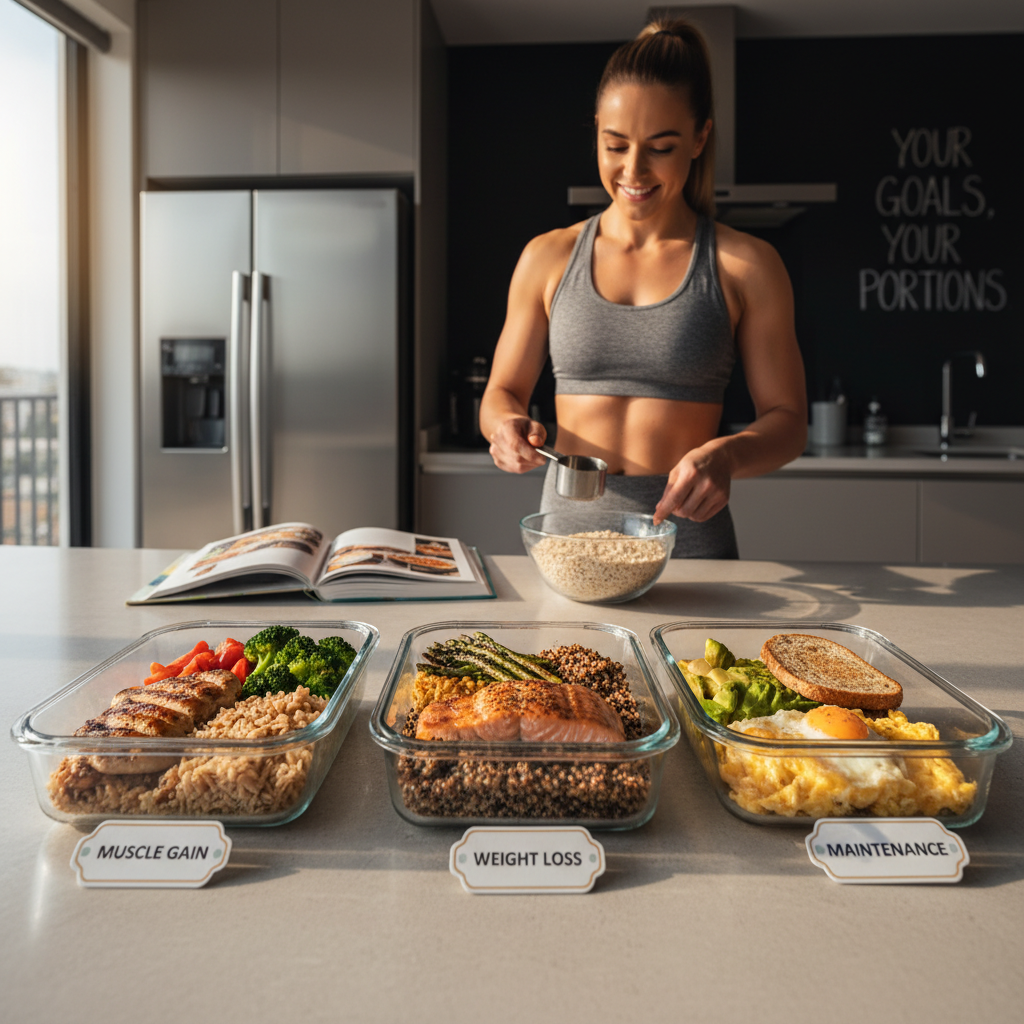
Before any cooking begins, you must establish clear fitness objectives. A bodybuilder in a bulking phase requires a caloric surplus and high protein to facilitate muscle repair. Conversely, someone focused on weight loss needs a caloric deficit. These goals dictate the volume of food you will prepare and the specific ratios of macronutrients required to fuel your workouts and optimize recovery.
The Science of Macronutrients
A balanced fitness meal typically consists of three primary macronutrients: proteins, carbohydrates, and fats. Proteins are the building blocks of muscle; carbohydrates serve as the body’s primary energy source; and fats are crucial for hormonal health. Understanding how to balance these based on your activity level is the difference between mediocre results and peak physical performance.
Effective Weekly Planning Strategies
Successful meal prep starts with a detailed roadmap. Start by choosing two or three recipes to avoid overwhelming yourself. A common strategy includes:
- Choosing a lean protein like chicken or tofu
- Selecting a complex carb like sweet potatoes or quinoa
- Adding a variety of colorful vegetables
This structure ensures you get a wide range of vitamins and minerals while keeping the preparation process manageable.
Smart Grocery Shopping Habits
Efficiency starts at the grocery store. Armed with a list, focus on the outer perimeter where whole foods are located. Buying in bulk for items like rice, oats, and frozen berries can save significant money. Avoid purchasing pre-packaged snacks that do not align with your fitness goals, as these items are more likely to be consumed if they are present in your pantry.
Investing in Quality Kitchen Equipment
The right tools can cut your preparation time in half. High-quality glass containers are preferred over plastic as they do not leach chemicals and are safer for reheating. Additionally, a digital food scale is an essential tool for anyone tracking macros, as it provides the accuracy needed to ensure you are not over-eating or under-eating your target calories.
The Art of Batch Cooking
Batch cooking involves preparing large quantities of individual components rather than complete dishes. For example, roasting two large trays of vegetables and cooking several pounds of lean ground turkey at once allows you to assemble different meals throughout the week. This modular approach prevents the monotony of eating the exact same meal five days in a row.
Maximizing Vegetable Freshness
Vegetables provide the essential fiber and micronutrients necessary for digestion and metabolic health. To keep them fresh, consider blanching tougher greens or roasting root vegetables. If you find that fresh produce spoils too quickly, frozen vegetables are an excellent alternative, as they are often flash-frozen at peak ripeness and retain most of their nutritional value.
Precision Through Food Weighing
To achieve elite fitness results, precision is key. Weighing your food after it is cooked allows you to track your intake with meticulous accuracy. This practice helps you understand what a true serving size looks like, which is often much smaller than what we perceive. Over time, this builds a better intuitive understanding of nutrition even when you are not weighing your food.
Safe Food Storage Techniques
Food safety is paramount when prepping for several days. Store your meals in airtight containers and place them in the refrigerator immediately after they have cooled. Most cooked proteins are safe to eat for up to four days. If you are prepping for a full week, store the latter half of your meals in the freezer and move them to the fridge 24 hours before you plan to eat them.
Flavor Optimization and Spicing
One of the main reasons people fail at meal prepping is because the food becomes bland. Use dry rubs, marinades, and fresh herbs to enhance flavor without adding calories. Ingredients like lemon juice, apple cider vinegar, and various hot sauces can transform a standard chicken and rice dish into something gourmet, keeping your appetite satisfied and your diet interesting.
The Importance of Snack Prepping
Snacking is often where diets go off the rails. Pre-portioning healthy snacks like almonds, Greek yogurt, or sliced bell peppers ensures that you have a nutritious bridge between meals. This prevents the ravenous hunger that leads to poor decision-making during your commute or late at night.
Hydration and Its Role in Performance
While meal prep focuses on food, fluid intake is equally important. Water is necessary for every metabolic process, including fat oxidation and muscle protein synthesis. Pre-filling water jugs or preparing electrolyte-infused drinks can ensure you remain hydrated throughout your training sessions and the rest of your day.
Adapting to Your Progress
Your meal prep should not be static. As you lose weight or gain muscle, your basal metabolic rate changes. Every four to six weeks, reassess your progress and adjust your portions accordingly. If you find your energy levels dipping during workouts, you may need to increase your carbohydrate intake in the meals surrounding your training sessions.
Overcoming Mental Barriers
Meal prepping is a habit that takes time to develop. Initially, it may feel like a chore, but once you experience the freedom from daily cooking and the physical results of consistent nutrition, it becomes a rewarding part of your routine. Start small, stay consistent, and remember that perfect is the enemy of good; even prepping just your lunches can make a massive difference in your fitness success.