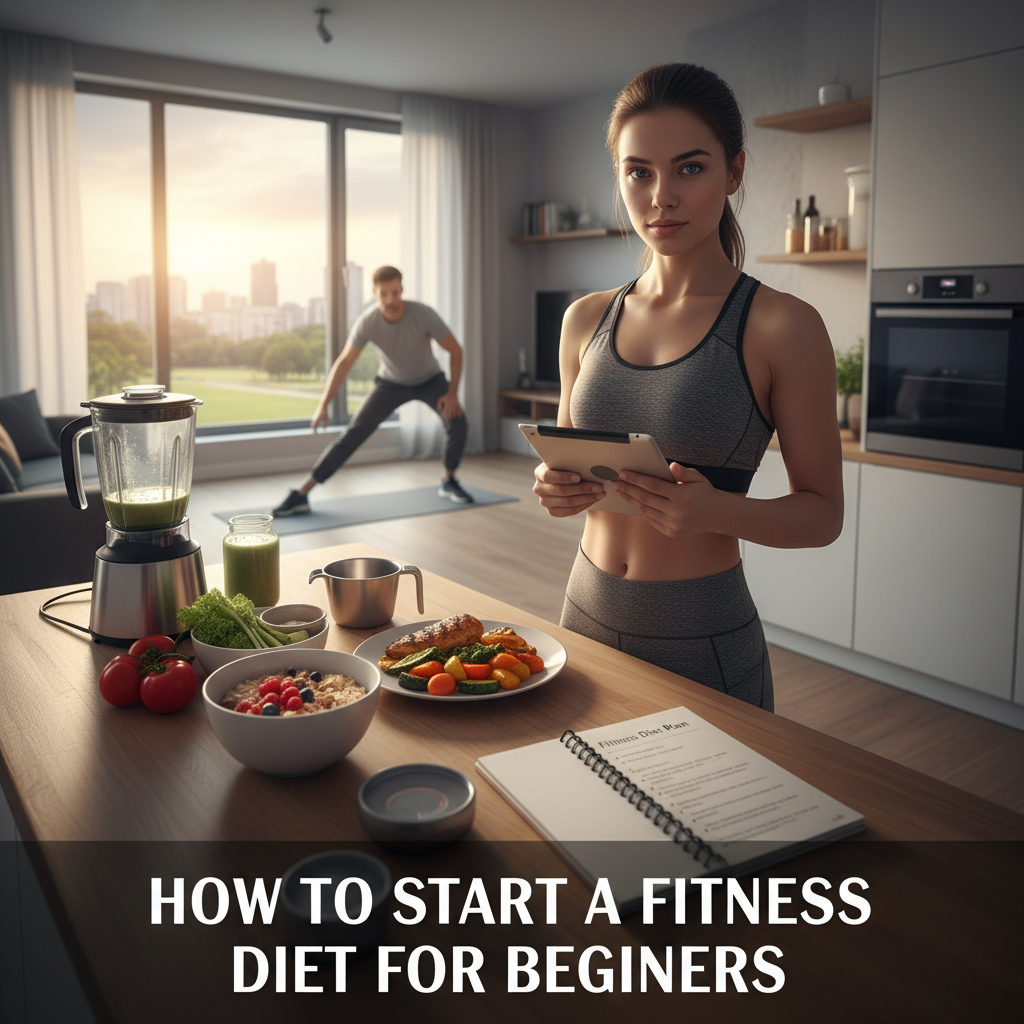
Understanding the Fundamentals of Fitness Nutrition
Embarking on a fitness journey requires more than just physical exertion in the gym; it necessitates a fundamental shift in how you view food. For beginners, the concept of a fitness diet often seems overwhelming, but it is essentially the fuel that powers your transformation. Nutrition acts as the building block for muscle repair and the primary energy source for your workouts. Without a structured approach to what you consume, even the most intense exercise routines may fail to produce the desired results. Understanding that food is functional is the first step toward long-term success.
Determining Your Primary Fitness Objectives
Before filling your pantry with kale and chicken breast, you must define your specific goals. Are you looking to lose body fat, build lean muscle mass, or improve your athletic performance? Each of these objectives requires a slightly different nutritional strategy. For instance, weight loss typically requires a caloric deficit, while muscle hypertrophy often necessitates a caloric surplus. By identifying your destination, you can map out a dietary plan that aligns with your body’s physiological needs, ensuring that every meal serves a purpose.
The Role of Macronutrients in Your Diet
Macronutrients, commonly referred to as macros, are the three main components of the human diet: proteins, carbohydrates, and fats. Each plays a distinct role in maintaining bodily functions and supporting physical activity. Protein is vital for tissue repair, carbohydrates provide the glucose needed for energy, and fats are essential for hormone production and nutrient absorption. A balanced fitness diet ensures that you are getting an appropriate ratio of these macros to support your specific activity levels and metabolic rate.
Calculating Your Caloric Needs
To start a fitness diet effectively, you need to understand your Total Daily Energy Expenditure (TDEE). This figure represents the total number of calories your body burns in a day, accounting for your Basal Metabolic Rate (BMR) and physical activity. Beginners can use online calculators to estimate this number. Once you have your TDEE, you can adjust your caloric intake based on your goals. For fat loss, aim for 200 to 500 calories below your TDEE. For muscle gain, aim for a similar amount above it. This scientific approach removes the guesswork from dieting.
Prioritizing High-Quality Protein Sources
Protein is often considered the most important macronutrient for fitness enthusiasts. When you exercise, you create micro-tears in your muscle fibers; protein provides the amino acids necessary to repair and grow these fibers. Beginners should aim for diverse sources such as:
- Lean meats like chicken and turkey
- Fish and seafood
- Plant-based options like lentils, tofu, and chickpeas
- Dairy products like Greek yogurt and cottage cheese
Consuming adequate protein helps maintain muscle mass even when you are in a calorie deficit.
The Importance of Complex Carbohydrates
Carbohydrates are frequently misunderstood in the fitness world, yet they are the body’s preferred source of energy. For someone starting a fitness routine, cutting carbs entirely can lead to fatigue and poor performance. The key is to focus on complex carbohydrates, which digest slowly and provide a steady stream of energy. Foods such as brown rice, quinoa, sweet potatoes, and oats are excellent choices. These foods also contain fiber, which aids in digestion and helps you feel full for longer periods.
Incorporating Healthy Fats for Hormonal Balance
Fats are an essential part of a healthy diet, contributing to brain health and the production of vital hormones like testosterone. However, not all fats are created equal. Beginners should focus on unsaturated fats found in avocados, nuts, seeds, and olive oil. It is important to limit trans fats and excessive saturated fats found in processed snacks. Because fat is calorie-dense (9 calories per gram compared to 4 for protein and carbs), portion control is necessary to stay within your daily caloric limits.
Hydration and Its Impact on Performance
Water is the most overlooked component of a fitness diet. Proper hydration is crucial for metabolic processes, temperature regulation, and joint lubrication. Even slight dehydration can lead to a significant drop in physical performance and cognitive function. Aim to drink at least two to three liters of water daily, increasing this amount on days when you exercise intensely. Replacing sugary sodas and juices with water is also one of the easiest ways for beginners to reduce unnecessary calorie intake.
The Strategy of Meal Prepping
One of the biggest hurdles for beginners is the temptation of convenience foods when they are tired or busy. Meal prepping is a powerful strategy to combat this. By dedicating a few hours each week to cooking and portioning your meals, you ensure that healthy options are always available. This practice not only saves time and money but also allows you to have complete control over the ingredients and portion sizes, making it much easier to hit your nutritional targets consistently.
Focusing on Whole Foods Over Supplements
The fitness industry is saturated with marketing for supplements, but for a beginner, they should be the last priority. Your focus should be on whole, nutrient-dense foods. Whole foods provide a complex matrix of vitamins, minerals, and phytonutrients that supplements cannot fully replicate. While a protein shake can be convenient post-workout, it should not replace a solid meal. Use supplements only to fill specific gaps in your diet once your foundation of whole foods is firmly established.
Understanding Micronutrients and General Health
While macros provide the energy, micronutrients (vitamins and minerals) ensure that your body’s internal machinery runs smoothly. Magnesium, for example, is essential for muscle contraction, while Vitamin D supports bone health and immunity. To ensure a wide spectrum of micronutrients, aim for a colorful plate. Including a variety of vegetables like spinach, broccoli, bell peppers, and carrots will provide the necessary antioxidants to combat the oxidative stress caused by intense exercise.
Timing Your Meals for Optimal Energy
While total daily intake is the most important factor, meal timing can offer a slight edge in performance and recovery. Consuming a mix of carbohydrates and protein about 1 to 2 hours before a workout can provide the energy needed for a productive session. Similarly, a post-workout meal rich in protein and carbs helps kickstart the recovery process by replenishing glycogen stores and initiating muscle protein synthesis. However, beginners should not stress over precise timing until their overall daily habits are consistent.
The Importance of Consistency and Patience
Results in fitness do not happen overnight. A common mistake among beginners is expecting drastic changes within the first week. A successful fitness diet is a marathon, not a sprint. It takes time for the body to adapt to new nutritional habits and for physical changes to become visible. Focus on being consistent 80% to 90% of the time. Allowing for occasional treats can actually improve long-term adherence by preventing feelings of deprivation and burnout.
Tracking Your Progress Effectively
To know if your diet is working, you must track your progress. While the scale is a common tool, it doesn’t tell the whole story, as muscle is denser than fat. Consider using other metrics such as body measurements, how your clothes fit, and your energy levels during workouts. Taking progress photos every few weeks can also provide visual evidence of changes that the scale might miss. Tracking your food intake in a journal or app for a few weeks can also provide valuable insights into your eating habits.
Avoiding Common Dieting Pitfalls
Many beginners fall into the trap of “all or nothing” thinking or following extreme fad diets that promise rapid weight loss. These approaches are rarely sustainable and can lead to nutritional deficiencies or a damaged relationship with food. Avoid diets that eliminate entire food groups without a medical reason. Instead, focus on sustainable lifestyle changes that you can maintain for years. Remember, the best diet is the one you can stick to while still enjoying your life and reaching your fitness goals.