The Importance of Staying Fit as You Age
Aging is a natural process, but it doesn’t have to mean a decline in physical and mental capabilities. Staying fit as you age is vital for maintaining a high quality of life. It helps prevent chronic diseases, boosts energy levels, and enhances cognitive function. Regular exercise and a balanced diet are the cornerstones of healthy aging.
Understanding the Physiological Changes of Aging
As we age, our bodies undergo several changes. Muscle mass decreases (sarcopenia), metabolism slows down, and bone density diminishes. Understanding these changes is crucial for tailoring your fitness plan. Regular physical activity and proper nutrition can mitigate these effects and promote healthy aging.
The Role of Diet in Healthy Aging
Diet plays a pivotal role in maintaining fitness as you age. A well-balanced diet provides essential nutrients, supports muscle mass, and helps manage weight. Focusing on whole foods, lean proteins, fruits, vegetables, and whole grains is essential for optimal health.
Key Dietary Recommendations for Seniors
For seniors, a diet rich in protein is crucial to combat muscle loss. Adequate calcium and vitamin D are essential for bone health. Fiber-rich foods aid in digestion and help prevent constipation. Limiting processed foods, added sugars, and unhealthy fats is also important.
Incorporating Protein into Your Diet
Protein is the building block of muscle. Include lean protein sources like fish, poultry, beans, and lentils in your diet. Aim for protein at each meal to support muscle maintenance and repair. Consider protein supplements if you have difficulty meeting your protein needs through food alone.
The Benefits of Regular Exercise
Exercise is a powerful tool for staying fit as you age. It improves cardiovascular health, strengthens muscles and bones, and enhances flexibility and balance. Regular physical activity also boosts mood and reduces the risk of chronic diseases.
Types of Exercise for Seniors
A well-rounded exercise program for seniors should include a combination of aerobic exercise, strength training, and flexibility exercises. Aerobic exercises like walking or swimming improve cardiovascular health. Strength training helps maintain muscle mass, and flexibility exercises enhance mobility and balance.
Aerobic Exercise: Walking, Swimming, and More
Engage in at least 150 minutes of moderate-intensity aerobic exercise per week. Walking, swimming, cycling, and dancing are excellent choices. Choose activities you enjoy to make exercise a sustainable part of your routine. Start slowly and gradually increase the intensity and duration.
Strength Training: Maintaining Muscle Mass
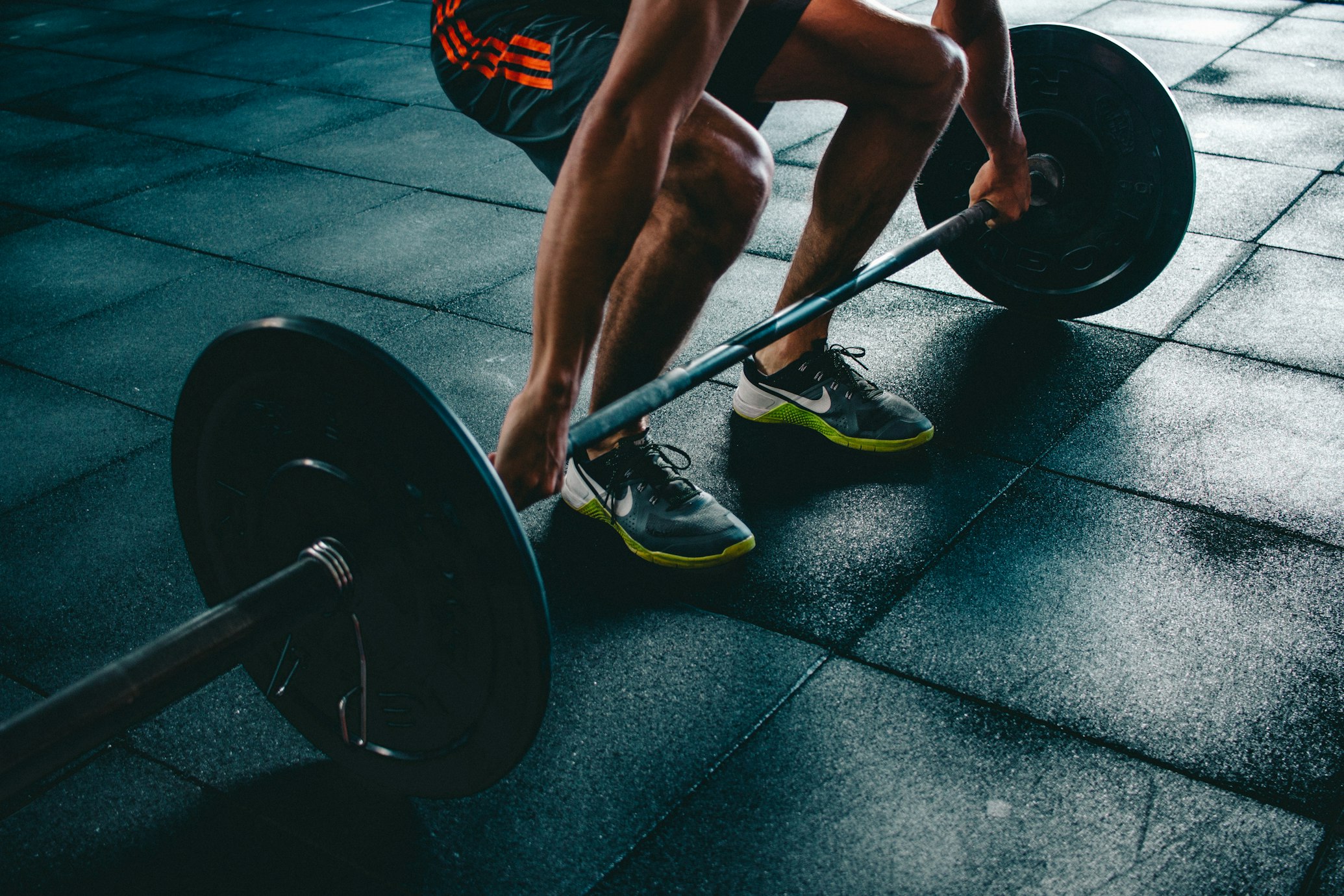
Strength training is essential for maintaining muscle mass and bone density. Incorporate exercises that work all major muscle groups at least twice a week. Use resistance bands, free weights, or bodyweight exercises. Start with lighter weights and gradually increase the resistance as you get stronger.
Flexibility and Balance Exercises
Flexibility and balance exercises are crucial for preventing falls and improving mobility. Include stretching exercises like yoga or tai chi in your routine. Practice balance exercises such as standing on one leg or using a balance board. These exercises help improve coordination and reduce the risk of injuries.
Creating a Sustainable Exercise Routine
Consistency is key to staying fit. Schedule exercise sessions like appointments and make them a non-negotiable part of your day. Find an exercise buddy to stay motivated. Set realistic goals and celebrate your achievements to stay on track.
Hydration and Rest: Essential Components
Staying hydrated and getting enough rest are essential for overall health and fitness. Drink plenty of water throughout the day, especially before, during, and after exercise. Aim for 7-9 hours of sleep per night to allow your body to recover and repair itself.
Consulting with Healthcare Professionals
Before starting any new diet or exercise program, consult with your doctor or a qualified healthcare professional. They can assess your current health status and provide personalized recommendations based on your needs and abilities. They can also help you identify any potential risks or limitations.
Monitoring Progress and Making Adjustments
Track your progress and make adjustments to your diet and exercise plan as needed. Regularly assess your fitness level and overall health. If you experience any pain or discomfort, stop the activity and consult with a healthcare professional. Celebrate your milestones and stay committed to your fitness journey.
Conclusion: Embracing a Fit and Healthy Life
Staying fit as you age is achievable with the right approach to diet and exercise. By adopting a balanced diet, engaging in regular physical activity, and prioritizing rest and hydration, you can maintain your health, vitality, and independence throughout your life. Embrace the journey and enjoy the benefits of a fit and healthy lifestyle.