In a world that constantly demands more, finding effective ways to restore, recover, and rejuvenate is no longer a luxury—it’s a necessity. For centuries, across cultures, humanity has turned to the profound power of heat therapy to cleanse the body, calm the mind, and invigorate the spirit. From the ancient Roman baths to the revered Finnish saunas, the ritual of intentional sweating has stood the test of time, celebrated for its wide array of health benefits.
Today, this ancient practice is experiencing a powerful resurgence, evolving beyond traditional spa settings and into the personal sanctuaries of fitness enthusiasts and wellness seekers alike. Imagine stepping out of your home, into your own private haven, to immerse yourself in invigorating warmth amidst the elements. This is the promise of the outdoor sauna—a transformative tool that blends the therapeutic benefits of heat with the restorative embrace of nature.
For beginners taking their first steps towards a more holistic fitness journey, or intermediate enthusiasts looking to elevate their recovery and mental resilience, an outdoor sauna offers a unique and accessible path to enhanced well-being. This comprehensive guide will explore how integrating an outdoor sauna into your lifestyle can unlock new levels of physical prowess, mental clarity, and overall vitality, providing practical insights and actionable advice to help you make the most of this powerful wellness investment.
The Transformative Power of Outdoor Heat Therapy
The appeal of the sauna extends far beyond simple warmth; it’s a physiological reset button, a mental escape, and a profound contributor to overall health. When this experience is moved outdoors, it adds an entirely new dimension of natural connection and sensory engagement.

Beyond Relaxation: Core Physiological Benefits
Regular exposure to controlled heat, as experienced in a sauna, triggers a cascade of beneficial physiological responses in the body, impacting everything from your heart to your muscles.
- Cardiovascular Health Enhancement: Sauna bathing is often described as a "passive cardiovascular workout." As your body heats up, your heart rate increases, and blood vessels dilate, leading to improved circulation. This mimics the effects of moderate exercise, helping to strengthen the cardiovascular system, improve endothelial function (the health of blood vessel linings), and even contribute to lower blood pressure over time. Studies have indicated that consistent sauna use can significantly reduce the risk of cardiovascular disease.
- Accelerated Muscle Recovery and Reduced Soreness: For anyone engaged in regular physical activity, delayed onset muscle soreness (DOMS) is an all too familiar companion. Heat therapy accelerates recovery by increasing blood flow to fatigued muscles, delivering vital nutrients and oxygen while helping to flush out metabolic waste products. The heat also promotes the production of heat shock proteins, which play a crucial role in cellular repair and adaptation, helping muscles recover faster and adapt more effectively to training stress.
- Enhanced Detoxification: Sweating is one of the body’s natural detoxification pathways. While the kidneys and liver handle the bulk of toxin elimination, intense sweating in a sauna can aid in expelling heavy metals and other environmental toxins through the skin. This can lighten the load on your primary detox organs and contribute to a feeling of deep internal cleansing.
- Immune System Support: Regular sauna use has been shown to boost the immune system. The elevated body temperature during a sauna session can stimulate the production of white blood cells, the body’s primary defenders against illness. This mild, controlled fever response helps the body become more resilient to pathogens, potentially reducing the incidence of common colds and flu.
Mental Fortitude and Stress Reduction
In our high-stress modern lives, mental well-being is as crucial as physical health. The sauna offers a unique environment for cultivating peace and clarity.
- Profound Stress Reduction and Relaxation: The warm, quiet environment of a sauna provides a perfect setting for deep relaxation. Heat triggers the release of endorphins, the body’s natural feel-good hormones, which can alleviate pain and induce a sense of euphoria and calm. Regular sauna sessions can significantly lower levels of cortisol, the primary stress hormone, leading to reduced anxiety and an improved mood.
- Improved Sleep Quality: By promoting relaxation and reducing stress, sauna bathing can dramatically improve sleep patterns. The gradual cooling of the body after a hot sauna session signals to the brain that it’s time to rest, making it easier to fall asleep and achieve deeper, more restorative sleep cycles.
- Enhanced Mental Clarity and Focus: Stepping into a sauna often means stepping away from distractions. This dedicated time for quiet reflection or mindful breathing can lead to improved mental clarity, enhanced focus, and a greater sense of presence. Many find it an ideal space for meditation or simply processing thoughts without interruption.
Nature’s Embrace: The Outdoor Advantage
While indoor saunas offer many benefits, moving the experience outdoors elevates it to a new level, fostering a deeper connection with the natural world.
- Connecting with Nature: Modern life often keeps us confined indoors, leading to what some experts term "Nature Deficit Disorder." An outdoor sauna actively encourages you to spend more time outside, even if just for short, intentional periods. The sounds of birds, the rustle of leaves, or the sight of a starry sky can significantly enhance the therapeutic experience, grounding you and fostering a sense of peace.
- Fresh Air and Natural Ambiance: Unlike indoor saunas, which rely on recirculated air, an outdoor sauna allows you to breathe fresh, open air during your session (especially if you incorporate breaks outside). The natural ambiance, whether it’s the quiet solitude of your backyard or a view of distant landscapes, transforms a simple heat session into a mini-retreat.
- Privacy and Personal Sanctuary: Your outdoor sauna becomes your personal sanctuary, free from the distractions and obligations of daily life. This dedicated space offers unparalleled privacy, allowing for complete immersion in the experience without interruption, making it a powerful tool for self-care and introspection.
Choosing Your Outdoor Sanctuary: Types and Considerations
The journey to owning an outdoor sauna begins with understanding the options available and matching them to your personal needs, space, and budget.

Traditional vs. Infrared Saunas
The primary distinction in sauna technology lies in how they generate heat.
- Traditional Saunas (Finnish, Electric, Wood-Burning): These saunas heat the air around you, typically to temperatures ranging from 150°F to 195°F (65°C to 90°C).
- Electric Heaters: Convenient and easy to operate, electric heaters are the most common choice for home saunas. They heat stones, which can then be doused with water to create steam (löyly), increasing humidity and intensifying the sensation of heat.
- Wood-Burning Stoves: For the purist, a wood-burning stove offers an authentic, rustic sauna experience. The crackling fire, the scent of burning wood, and the satisfaction of tending the flames add to the ritual. They require no electricity, making them ideal for remote locations, but do demand more effort in terms of fuel and maintenance.
- Pros: Provide intense heat and humidity, promoting a deep, cleansing sweat. Many find the experience profoundly relaxing and traditional. Excellent for social gatherings.
- Cons: Can take longer to heat up. Higher operating temperatures may not be suitable for everyone.
- Infrared Saunas: These saunas use infrared heaters to emit radiant heat that directly penetrates the body, rather than heating the air around you. They operate at lower ambient temperatures, typically between 110°F and 140°F (43°C to 60°C).
- Full-Spectrum Infrared: Advanced infrared saunas offer "full-spectrum" heating, meaning they emit near, mid, and far-infrared wavelengths, each penetrating the body to different depths and offering distinct therapeutic benefits.
- Pros: Lower temperatures are often more tolerable for those sensitive to high heat. Direct tissue heating can be very effective for muscle penetration and pain relief. Faster heat-up times.
- Cons: Less traditional "sweat" experience for some. No steam option.
Design and Material Matters
The construction and materials of your outdoor sauna significantly impact its durability, efficiency, and aesthetic appeal.
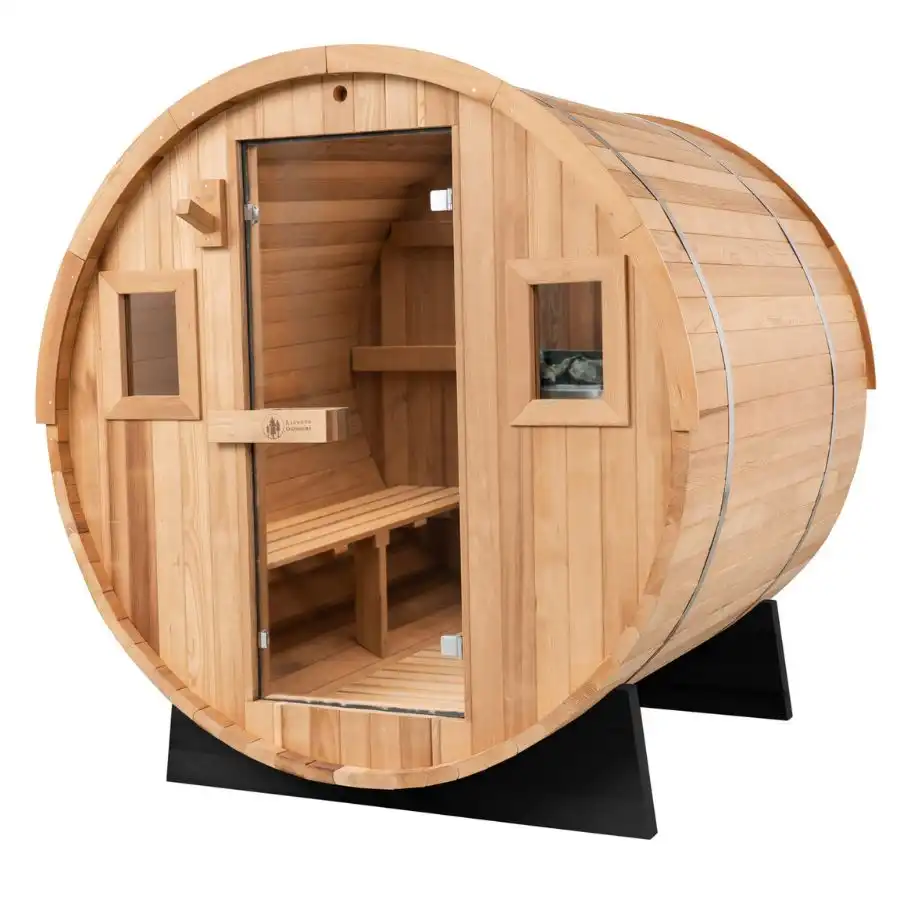
- Barrel Saunas: These iconic, cylindrical saunas are highly popular for outdoor use. Their unique shape is efficient for heat distribution and requires less heating volume than a square room.
- Pros: Visually striking, efficient heating, good air circulation.
- Cons: Limited interior space, benches can be less comfortable for lying down.
- Cabin/Cube Saunas: Designed like small sheds or cabins, these offer more interior space, allowing for multiple benches, changing areas, or even small lounging spaces.
- Pros: Spacious, often better insulated (especially with double walls), can accommodate more people, more traditional interior feel.
- Cons: Larger footprint, potentially longer heat-up times due to larger air volume.
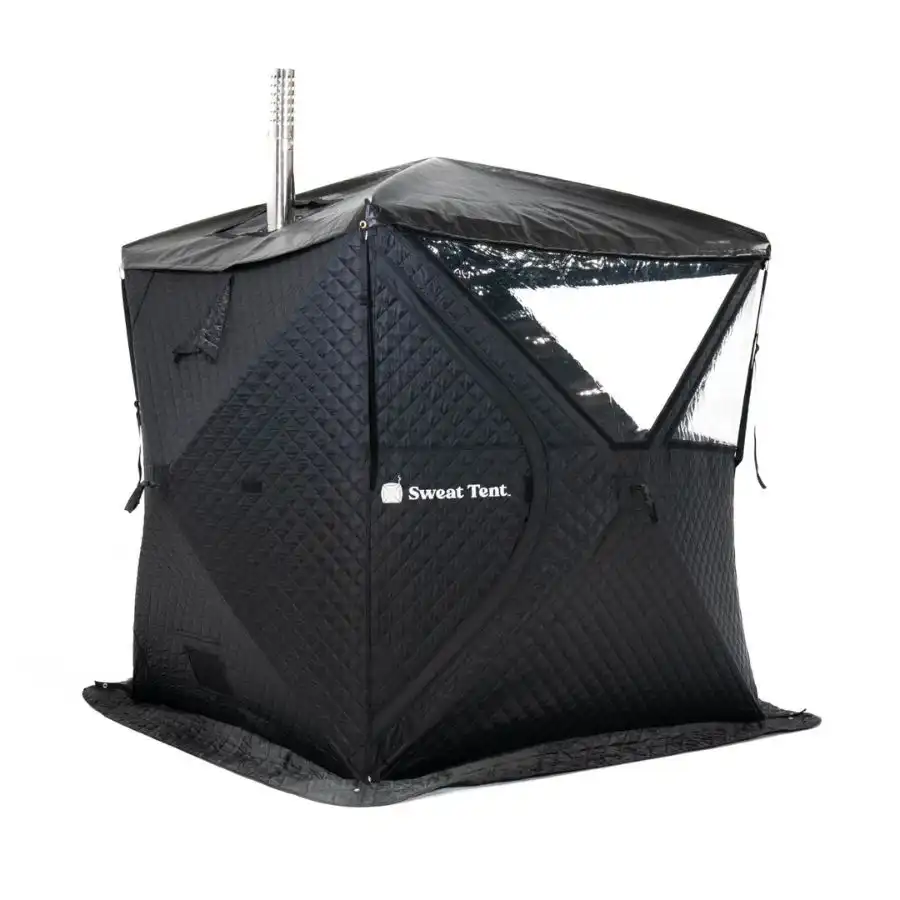
- Tent Saunas: A portable and cost-effective entry point into outdoor sauna therapy. These are typically pop-up structures heated by a small wood-burning stove.
- Pros: Highly portable, quick setup, significantly more affordable, great for camping or temporary use.
- Cons: Less durable than permanent structures, limited insulation, basic aesthetic.
- Wood Types: The choice of wood is crucial for outdoor saunas.
- Cedar: A popular choice for its natural resistance to rot and insects, pleasant aroma, and stability in varying temperatures.
- Hemlock: A more economical option, with a lighter color and less aromatic scent.
- Thermowood: A heat-treated softwood that offers enhanced durability, stability, and resistance to moisture and decay, making it excellent for harsh outdoor climates.
Sizing Up Your Space and Needs
Before making a purchase, consider practical aspects related to your property and lifestyle.
- Capacity: How many people will typically use the sauna? Models range from cozy 1-2 person units to spacious 6-8 person saunas. Match the capacity to your expected use.
- Footprint: Measure your available outdoor space carefully. Account for door swings, potential pathways, and minimum clearance from other structures for safety, especially with wood-burning units.
- Power Requirements:
- Electric Saunas: Will require a dedicated electrical circuit, often 240V, installed by a licensed electrician. Plan for trenching and wiring if the sauna is far from your main power source.
- Wood-Burning Saunas: No electricity needed for the heater, but you might want solar-powered lights or a battery bank for internal lighting.
- Budget Ranges: Outdoor saunas represent a significant investment. Tent saunas can start around $1,000-$2,000. Permanent barrel or cabin saunas typically range from $3,000 to $10,000+, depending on size, features, and materials. Factor in installation costs, electrical work, and potential foundation preparation.
Maximizing Your Outdoor Sauna Experience: A Practical Guide
Once your outdoor sanctuary is ready, knowing how to use it effectively will ensure you reap the maximum benefits safely and enjoyably.
Pre-Sauna Preparation
Setting the stage for your sauna session can enhance its therapeutic effects.
- Hydration is Key: Begin hydrating well before your session. Drink plenty of water throughout the day. Consider adding electrolytes to your water if you’re prone to heavy sweating or plan for longer sessions.
- Light Meal vs. Empty Stomach: Avoid heavy meals immediately before a sauna, as digestion can divert blood flow from the skin. A light snack a couple of hours prior is generally fine, but an empty stomach is often preferred for a cleaner feel.
- Cleanliness: Take a quick shower before entering the sauna. This removes lotions, oils, and dirt from your skin, allowing for more efficient sweating and keeping the sauna cleaner.
During Your Session: Heat, Hydration, and Mindfulness
Listen to your body, and tailor the experience to your comfort and goals.
- Session Duration and Frequency: For beginners, start with shorter sessions of 10-15 minutes at a moderate temperature. Gradually increase duration to 20-30 minutes as your body adapts. Most experts recommend 2-3 sessions per week for general wellness, increasing to 4-7 times a week for specific fitness recovery goals. It’s common to do multiple shorter rounds with cool-down breaks in between.
- Hydration During: Keep a water bottle handy and sip water throughout your session, especially during cool-down breaks between rounds.
- Mindful Breathing and Reflection: Use this time to disconnect. Practice deep, mindful breathing to calm your nervous system. Engage in meditation, quiet reflection, or simply enjoy the silence and the sounds of nature. If your sauna has speakers, gentle, calming music can also enhance the experience.
- Towel Etiquette: Always sit on a towel to absorb sweat and maintain hygiene. You might want a second, smaller towel to wipe sweat from your face.
Post-Sauna Rituals: Cooling Down and Recovery
The cool-down phase is just as important as the heat exposure.
- Gradual Cool-Down: Don’t rush out into extreme cold immediately. Allow your body to cool down gradually. Sit outside for a few minutes, or take a lukewarm shower before transitioning to cooler temperatures.
- Rehydration and Electrolytes: This is critical. Drink plenty of water, and consider an electrolyte-rich beverage to replenish lost minerals, especially if you’ve had an intense sweat.
- Cold Plunge/Shower Integration: For advanced users or those seeking amplified benefits, a brief cold plunge or cold shower immediately after a hot sauna session (contrast therapy) can be incredibly invigorating. This practice further boosts circulation, reduces inflammation, and sharpens mental focus. Start with short exposures and gradually increase duration.
- Stretching or Light Movement: After a sauna, your muscles are warm and pliable. This is an excellent time for gentle stretching or foam rolling to improve flexibility and further aid in muscle recovery.
Integrating Sauna Therapy into Your Fitness Journey
An outdoor sauna can be a powerful ally in achieving your fitness goals, enhancing both performance and recovery.

Pre-Workout Warm-up: Is It for You?
While less common, some individuals use a brief sauna session as part of their pre-workout routine.
- Potential Benefits: A short, moderate sauna session (5-10 minutes) can gently elevate core body temperature, increase blood flow to muscles, and improve flexibility, preparing the body for activity. It can also serve as a mental warm-up, helping you focus and get into the right mindset for your workout.
- Important Caution: Avoid intense or prolonged sauna sessions before a strenuous workout, as this can lead to dehydration and fatigue, potentially hindering performance and increasing the risk of injury. Keep it short, mild, and prioritize hydration.
Post-Workout Recovery: The Golden Window
This is where the outdoor sauna truly shines for fitness enthusiasts.
- Optimal Timing for Muscle Repair: Scheduling your sauna session 30-60 minutes after your workout allows your body to begin its initial cool-down while still benefiting from increased blood flow. The heat helps relax tight muscles, reduces inflammation, and facilitates the delivery of nutrients essential for repair and growth.
- Reducing DOMS: Regular post-workout sauna use has been shown to significantly reduce the severity and duration of delayed onset muscle soreness. By enhancing circulation and promoting cellular repair, you can bounce back faster and maintain consistency in your training.
- Mental Unwinding After Exertion: Beyond the physical benefits, the sauna provides a crucial mental transition from the intensity of your workout. It allows for a period of relaxation and introspection, helping to calm the nervous system, reduce stress hormones, and solidify the mind-body connection achieved during exercise.
Building a Sustainable Routine
Consistency is key to unlocking the full spectrum of sauna benefits.
- Make It a Habit: Just like your workouts, schedule your sauna sessions. Whether it’s after every intense training day or a few times a week, making it a regular part of your routine will yield the best results.
- Listen to Your Body: Everyone responds to heat differently. Pay attention to how you feel, and adjust session length, temperature, and frequency accordingly. Never push through discomfort or dizziness.
- Combine with Other Wellness Practices: Sauna therapy works synergistically with other healthy habits. Ensure you’re also prioritizing balanced nutrition, adequate sleep, and mindful stress management to maximize your overall well-being.
Safety First: Important Considerations
While saunas offer numerous benefits, responsible use is paramount.
- Consult a Healthcare Professional: Always speak with your doctor before starting any new wellness regimen, especially if you have pre-existing health conditions such as cardiovascular disease, high blood pressure, diabetes, or are pregnant.
- Hydration and Electrolyte Balance: The most critical safety measure is staying hydrated. Dehydration can lead to dizziness, lightheadedness, and even heatstroke.
- Avoid Alcohol and Drugs: Never consume alcohol or recreational drugs before or during a sauna session, as they can impair judgment and increase the risk of adverse reactions to heat.
- Recognize Signs of Heat Exhaustion: Be aware of symptoms such as excessive sweating, faintness, dizziness, nausea, headache, or rapid heartbeat. If you experience any of these, exit the sauna immediately, cool down, and rehydrate.
- Sauna Maintenance and Care: For outdoor saunas, regular maintenance is essential. Keep the wood clean and free of mildew, especially in damp climates. Inspect heaters, wiring, and structural components regularly. For wood-burning saunas, ensure proper ventilation and chimney cleaning.
Conclusion
The pursuit of peak fitness and holistic well-being is a lifelong journey, and sometimes, the most powerful tools are those that invite us to slow down, listen to our bodies, and reconnect with ourselves. An outdoor sauna is more than just a piece of equipment; it’s an investment in a lifestyle—a commitment to superior recovery, profound stress reduction, and an invigorated spirit.
By embracing the ancient wisdom of heat therapy and combining it with the restorative power of nature, you create a personal sanctuary that amplifies your fitness efforts and nurtures your mind. Whether you’re a beginner seeking a gentle introduction to wellness or an intermediate enthusiast striving for that extra edge in recovery and mental resilience, an outdoor sauna offers a unique path to unlocking your full potential.
So, step outside, embrace the warmth, and discover the profound harmony that awaits. Your journey to enhanced fitness, clarity, and well-being begins with the invigorating sweat in your very own backyard sanctuary. Ignite your potential, one mindful session at a time.