The journey to a healthier, stronger body is often portrayed as a sprint—a quick fix achieved through extreme diets or grueling workout regimens. We’re bombarded with images of rapid transformations and promises of instant results, leading many to believe that fitness is a destination to be reached quickly, rather than a lifelong path to be embraced. The reality, however, is far more nuanced and infinitely more rewarding. True, lasting transformation isn’t about drastic, temporary changes; it’s about building a resilient physique and cultivating sustainable wellness through an integrated, holistic approach.
For beginners and intermediate fitness enthusiasts, navigating the vast landscape of health advice can be overwhelming. Where do you start? What’s truly effective? How do you ensure your efforts lead to enduring results, not just fleeting success? This article will cut through the noise, offering a comprehensive blueprint for building a strong foundation, optimizing your nutrition, mastering recovery, and nurturing a mindset that fuels continuous progress. We’ll explore the interconnected pillars of fitness, providing practical, actionable advice that empowers you to ascend towards your best self, one sustainable step at a time.
The Foundation: Why a Holistic Approach Matters
Many embark on a fitness journey with a singular focus: to lose weight. While shedding excess body fat is a valid and often beneficial goal, it’s merely one facet of overall wellness. An isolated focus on the scale can lead to frustration, burnout, and an unhealthy relationship with food and exercise. A holistic approach recognizes that your body is a complex system, where every component—physical activity, nutrition, sleep, stress management, and mental well-being—interacts and influences the others. Neglecting one pillar inevitably weakens the others, making sustainable progress elusive.
Beyond Just "Weight Loss": Redefining Your Goals
Before diving into strategies, it’s crucial to redefine what "success" looks like for you. Instead of solely fixating on a number on the scale, consider a broader spectrum of health indicators. Are you aiming for increased strength, better endurance, improved energy levels, enhanced mood, reduced risk of chronic diseases, or simply the ability to live a more active and fulfilling life?
Actionable Advice:
- Shift your focus: Instead of "I want to lose 10 pounds," try "I want to feel stronger, have more energy to play with my kids, and improve my cardiovascular health."
- Set SMART goals: Make your goals Specific, Measurable, Achievable, Relevant, and Time-bound. For example: "I will complete three resistance training sessions per week for the next 12 weeks to increase my strength." or "I will consistently prepare 80% of my meals at home to improve my nutritional intake over the next six months."
- Track non-scale victories: Celebrate improvements in strength (lifting heavier, doing more reps), endurance (running further, faster), energy levels, sleep quality, clothes fitting better, and overall mood. These are powerful motivators that reinforce positive habits.
The Pillars of Lasting Transformation
Sustainable fitness is built upon interdependent pillars:
- Strategic Movement: Engaging your body in ways that build strength, improve cardiovascular health, and enhance flexibility.
- Nourishing Your Body: Providing your system with optimal fuel through balanced, whole-food nutrition.
- Rest, Recovery, and Mental Fortitude: Allowing your body to repair and adapt, while cultivating a resilient mindset to navigate challenges.
Ignoring any of these pillars is like trying to build a house with a shaky foundation. Let’s explore each one in detail.
Pillar 1: Strategic Movement for Strength and Stamina
Movement is fundamental to human health. Our bodies are designed to move, adapt, and grow stronger under appropriate stress. For beginners and intermediate enthusiasts, strategic movement means incorporating a balanced blend of resistance training, cardiovascular exercise, and flexibility work.
Demystifying Resistance Training: Your Muscle-Building Blueprint
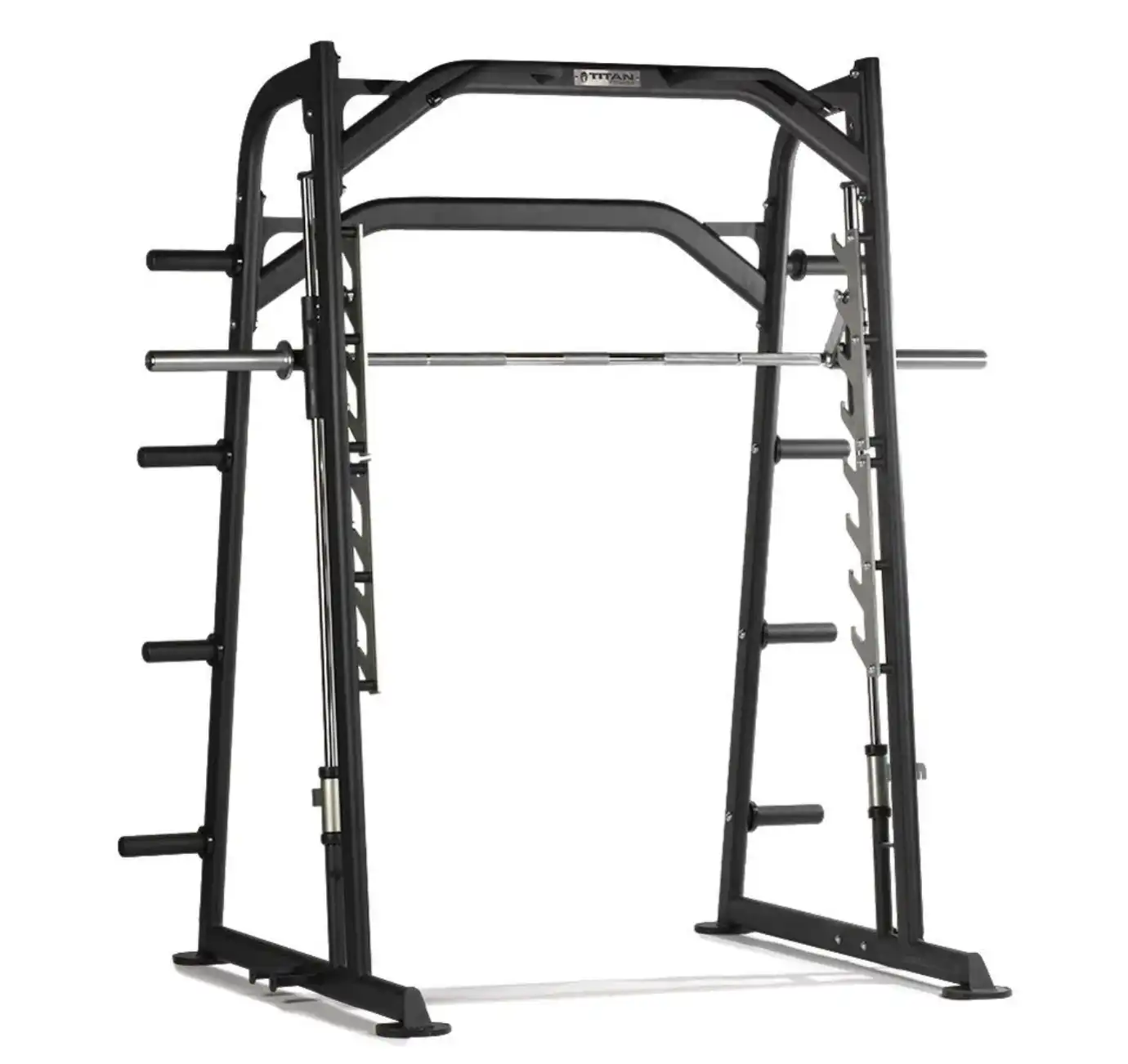
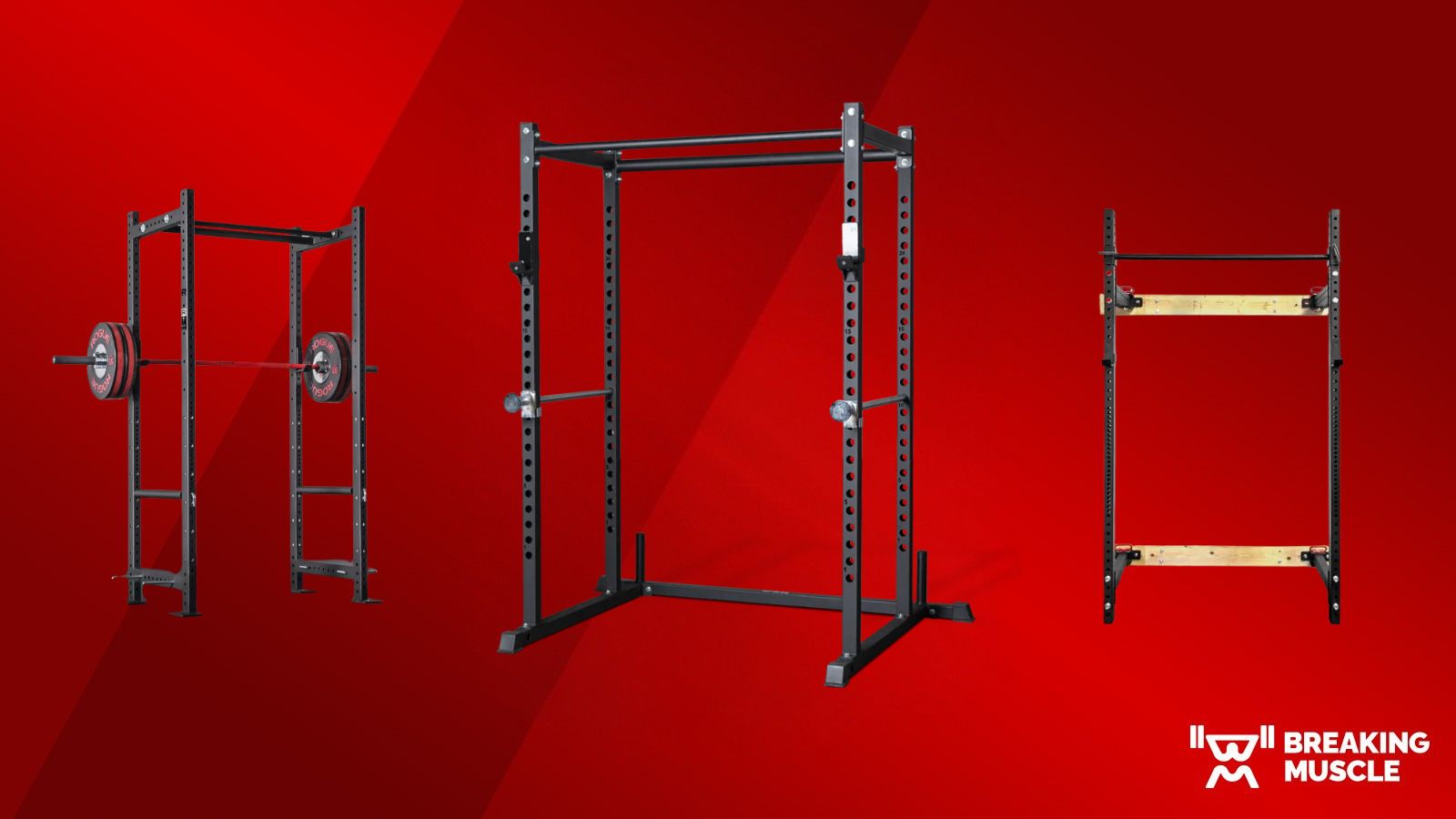
Resistance training, often referred to as strength training, is non-negotiable for anyone serious about body transformation and overall health. It involves working your muscles against a force (like weights, resistance bands, or your own body weight). The benefits extend far beyond just "looking toned":
- Muscle Preservation and Growth: When in a calorie deficit for fat loss, resistance training signals to your body to retain and even build muscle mass. More muscle mass means a higher resting metabolism, as muscle tissue burns more calories at rest than fat tissue.
- Increased Strength: Everyday tasks become easier, and your body becomes more resilient to injury.
- Improved Bone Density: Resistance training places stress on bones, stimulating them to become stronger and reducing the risk of osteoporosis.
- Enhanced Body Composition: Shifting the ratio of muscle to fat, leading to a leaner, more athletic physique.
- Better Blood Sugar Control: Muscles are a primary site for glucose uptake, improving insulin sensitivity.
Practical Workout Tips:
- Start Simple, Stay Consistent: Begin with 2-3 full-body sessions per week on non-consecutive days. This allows adequate recovery time.
- Focus on Compound Movements: Exercises that work multiple muscle groups simultaneously are highly efficient. Examples include:
- Squats: Bodyweight, goblet squats, barbell squats.
- Push-ups: On knees, incline, or full push-ups.
- Lunges: Forward, reverse, walking lunges.
- Rows: Dumbbell rows, resistance band rows, inverted rows.
- Planks: Front plank, side plank.
- Master Form First: Prioritize correct technique over lifting heavy weights. Watch videos, use a mirror, or consider a few sessions with a certified personal trainer to learn proper form.
- Progressive Overload is Key: To continue getting stronger, you must gradually increase the challenge. This can be done by:
- Increasing the weight.
- Doing more repetitions (reps) or sets.
- Decreasing rest time between sets.
- Improving your form.
- Increasing the frequency of your workouts.
- Real-life Example: Maria, a beginner, started with bodyweight squats, push-ups against a wall, and lunges for 3 sets of 10-12 reps. After a month, she progressed to holding light dumbbells for her squats and lunges, and performing push-ups on her knees. Her strength, confidence, and energy levels soared, showing her that consistent effort, not just heavy lifting, builds a resilient foundation.
Embracing Cardiovascular Health: Fueling Your Engine
Cardiovascular (or aerobic) exercise strengthens your heart and lungs, improving your body’s ability to deliver oxygen to working muscles. It’s crucial for endurance, overall health, and plays a supportive role in calorie expenditure.
- Heart Health: Reduces the risk of heart disease, lowers blood pressure, and improves cholesterol levels.
- Stamina: Increases your capacity for sustained physical activity, making everyday tasks less tiring.
- Calorie Burn: While resistance training builds the engine, cardio helps burn fuel.
- Mood Enhancement: Releases endorphins, acting as a natural mood booster and stress reducer.
Practical Workout Tips:

- Variety is Your Ally: Mix up your cardio to keep things interesting and challenge your body in different ways.
- Low-Intensity Steady-State (LISS): Brisk walking, cycling, swimming for 30-60 minutes at a moderate pace where you can still hold a conversation. Great for active recovery and consistent calorie burn without excessive fatigue.
- High-Intensity Interval Training (HIIT): Short bursts of intense exercise followed by brief recovery periods. Think sprints, burpees, jumping jacks. HIIT is time-efficient and excellent for improving cardiovascular fitness and EPOC (excess post-exercise oxygen consumption), which means you continue to burn calories after the workout. Start with 1-2 sessions per week, keeping sessions short (15-25 minutes).
- Integrate Movement: Look for opportunities to be more active throughout your day. Take the stairs, walk during phone calls, park further away.
- Real-life Example: David, an intermediate enthusiast, incorporated three 45-minute LISS sessions (brisk walks/jogs) and one 20-minute HIIT session (cycling sprints) into his weekly routine, alongside his resistance training. He noticed a significant improvement in his running endurance and found he recovered faster between his strength sets.
Flexibility and Mobility: The Unsung Heroes
Often overlooked, flexibility and mobility are vital for injury prevention, improving range of motion, and ensuring your body moves efficiently.
- Flexibility: The ability of your muscles and connective tissues to lengthen.
- Mobility: The ability of your joints to move through their full range of motion.
Practical Workout Tips:
- Daily Stretching: Incorporate 5-10 minutes of dynamic stretching before workouts (arm circles, leg swings) and static stretching after workouts (holding stretches for 20-30 seconds).
- Foam Rolling: Use a foam roller to release muscle tension and improve tissue quality. Target major muscle groups like quads, hamstrings, glutes, and back.
- Yoga or Pilates: Consider adding a weekly session to enhance flexibility, core strength, and body awareness.
Pillar 2: Nourishing Your Body: Fueling for Performance and Fat Loss
You can’t out-train a poor diet. Nutrition is the cornerstone of body transformation, influencing energy levels, recovery, muscle growth, and fat loss. It’s not about deprivation, but about intelligent fueling.
The Power of Protein: Building Blocks for Success
Protein is a macronutrient vital for building and repairing tissues, producing enzymes and hormones, and supporting immune function. For those pursuing fitness goals, especially fat loss and muscle preservation, its role is paramount.
- Muscle Preservation: Adequate protein intake ensures your body has the amino acids it needs to repair and build muscle, preventing muscle breakdown, especially during a calorie deficit.
- Satiety: Protein is the most satiating macronutrient, meaning it helps you feel fuller for longer, reducing cravings and overall calorie intake.
- Thermogenic Effect: Protein has a higher thermic effect of food (TEF) than carbohydrates or fats, meaning your body burns more calories digesting and metabolizing protein.
- Metabolism: Supports a higher metabolic rate by helping to maintain and build lean muscle mass.
Actionable Advice:
- Calculate Your Needs: A good starting point for active individuals aiming for fat loss and muscle preservation is 1.6 to 2.2 grams of protein per kilogram of body weight (or roughly 0.7 to 1 gram per pound of body weight).
- Example: A person weighing 150 lbs (approx. 68 kg) would aim for 105-150 grams of protein per day.
- Prioritize Whole Food Sources:
- Lean Meats: Chicken breast, turkey, lean beef, fish (salmon, tuna, cod).
- Eggs: A complete protein source.
- Dairy: Greek yogurt, cottage cheese, milk.
- Legumes: Lentils, beans, chickpeas.
- Plant-Based: Tofu, tempeh, edamame.
- Distribute Protein Throughout the Day: Aim for 20-40 grams of protein at each main meal to maximize muscle protein synthesis and maintain satiety.
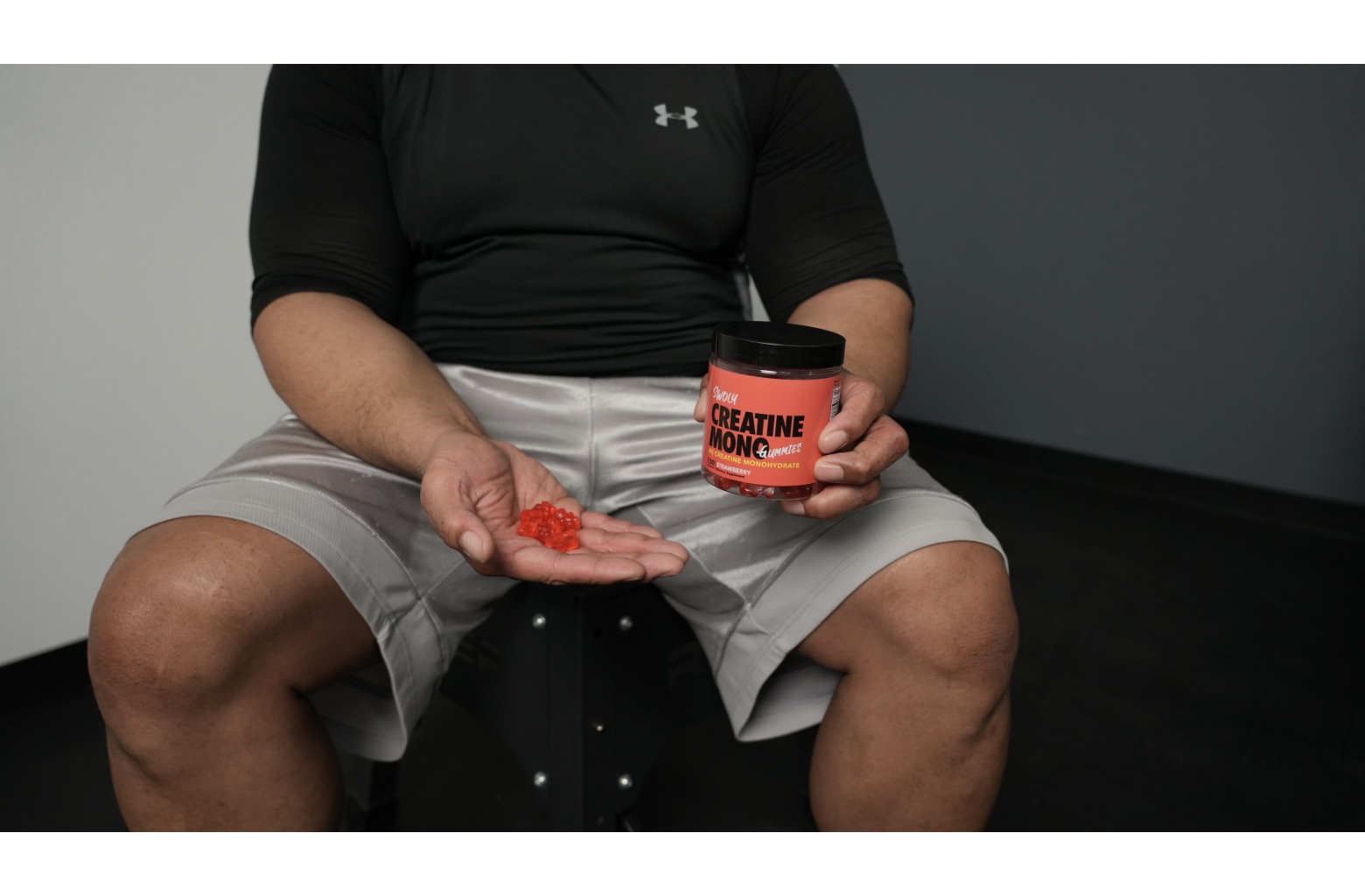
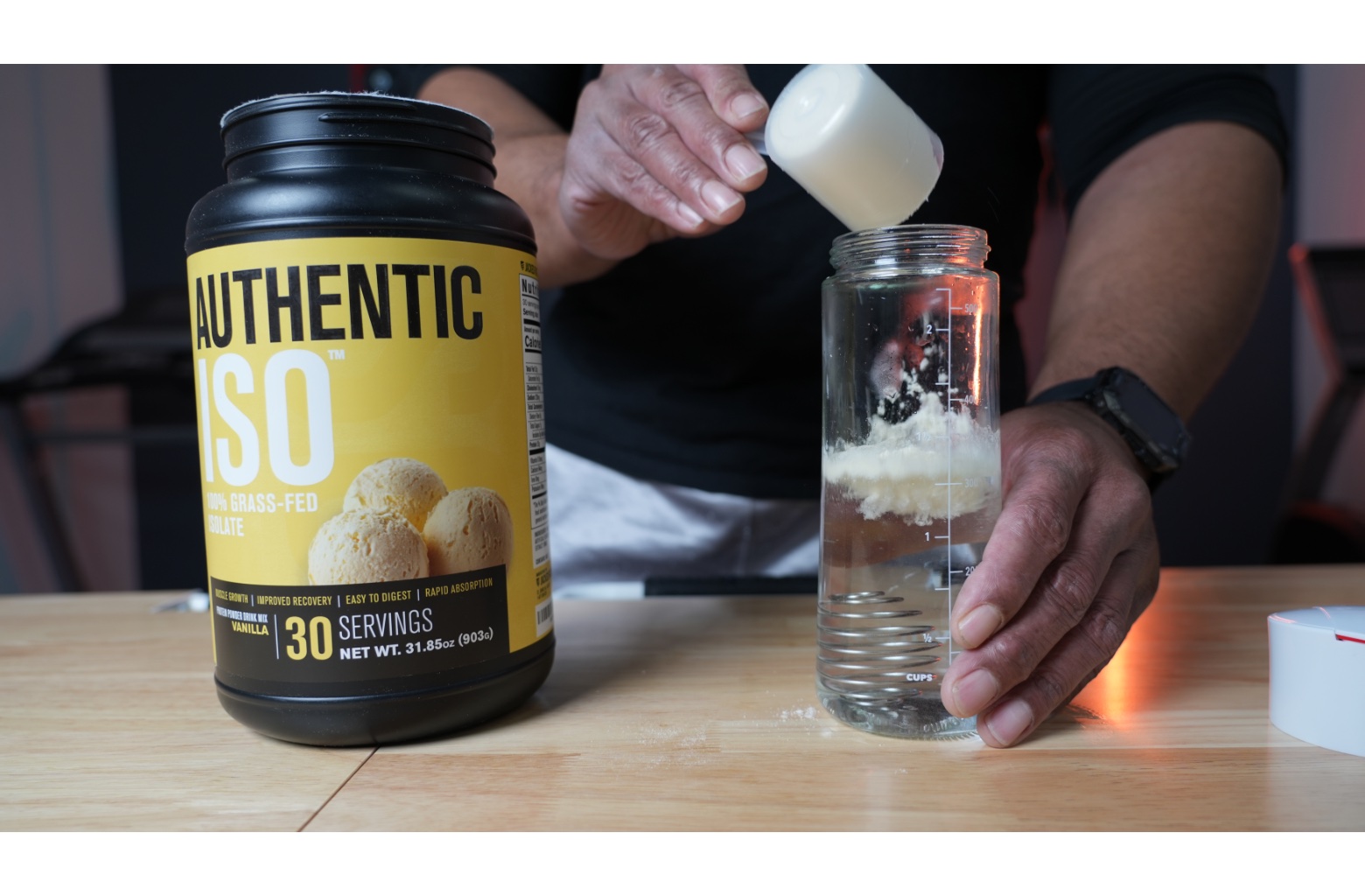
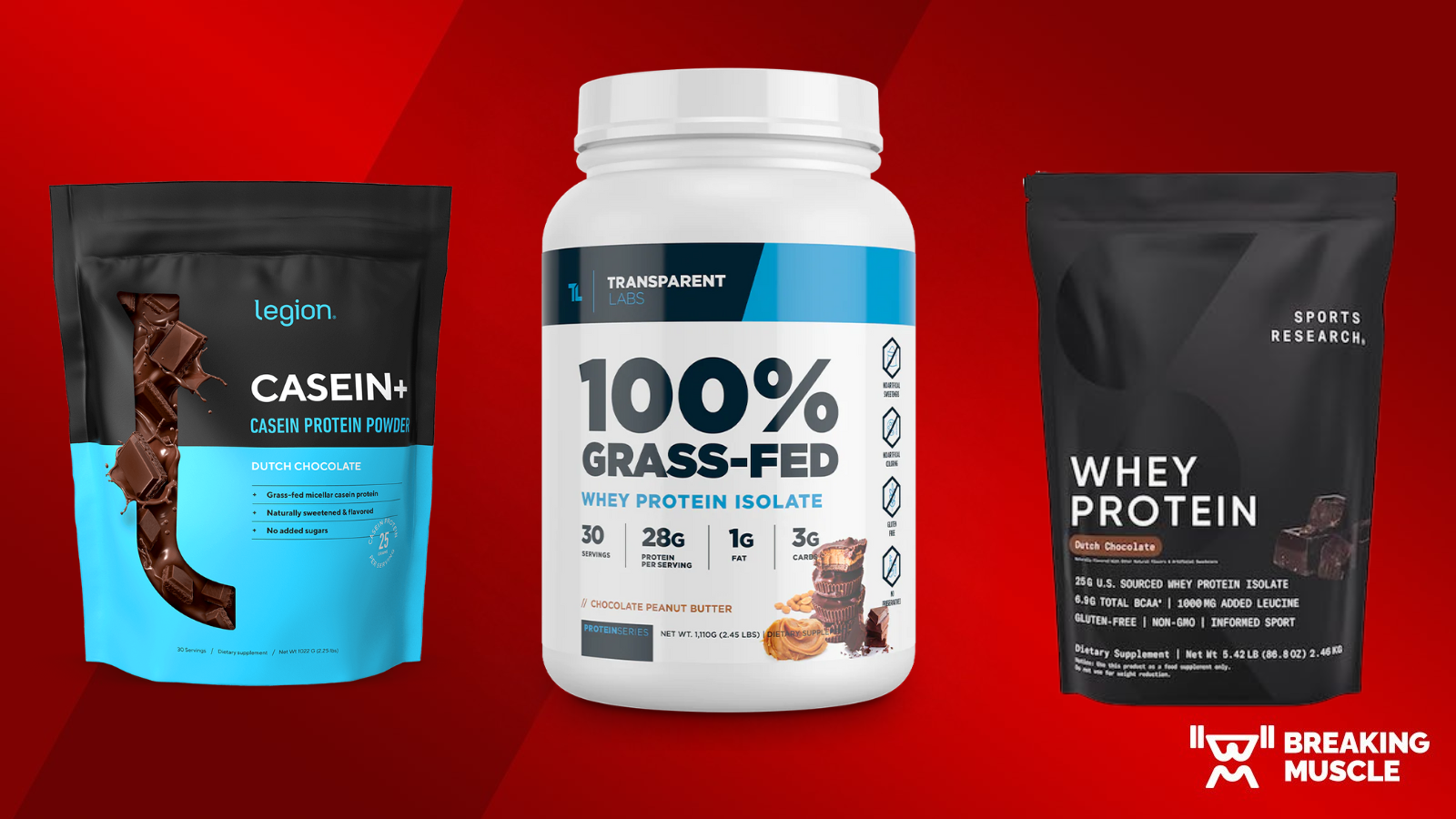
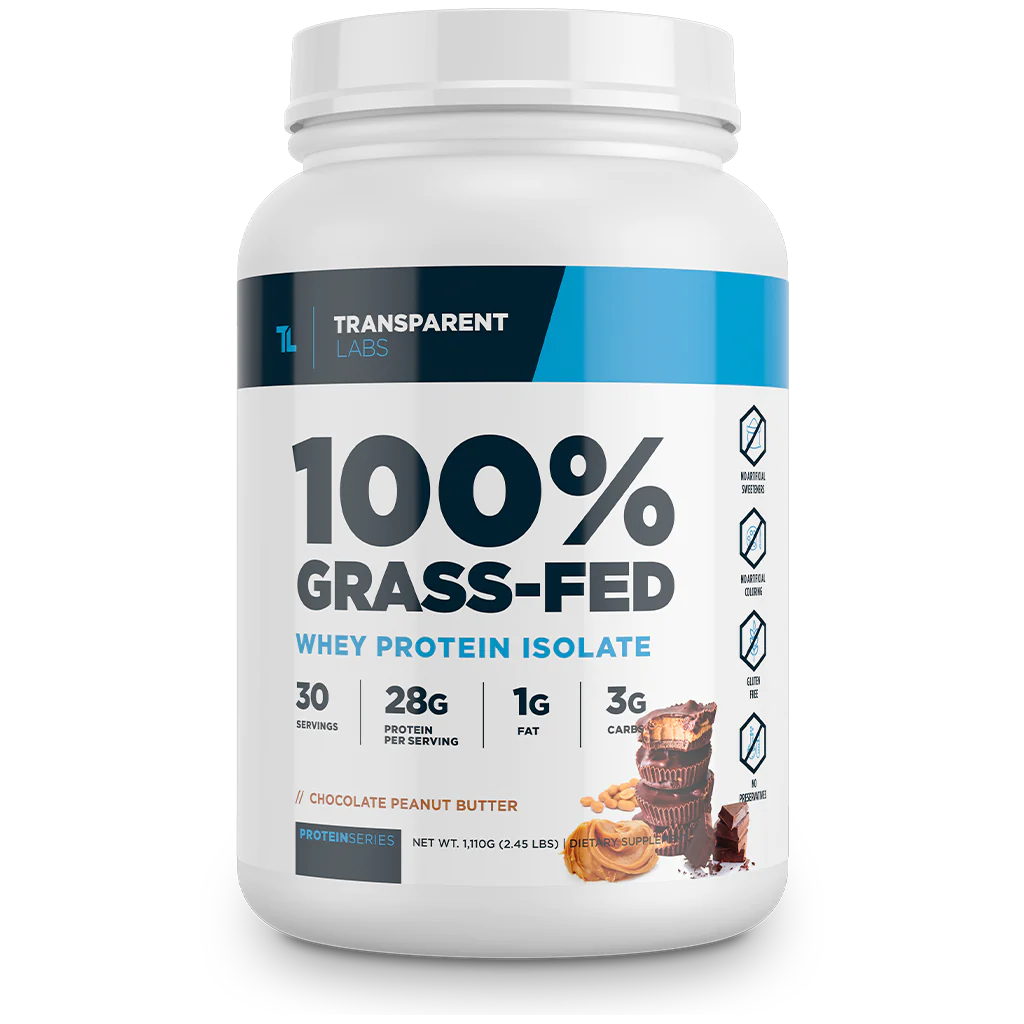
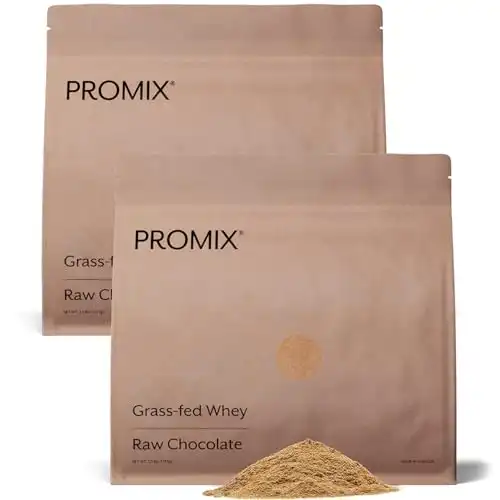
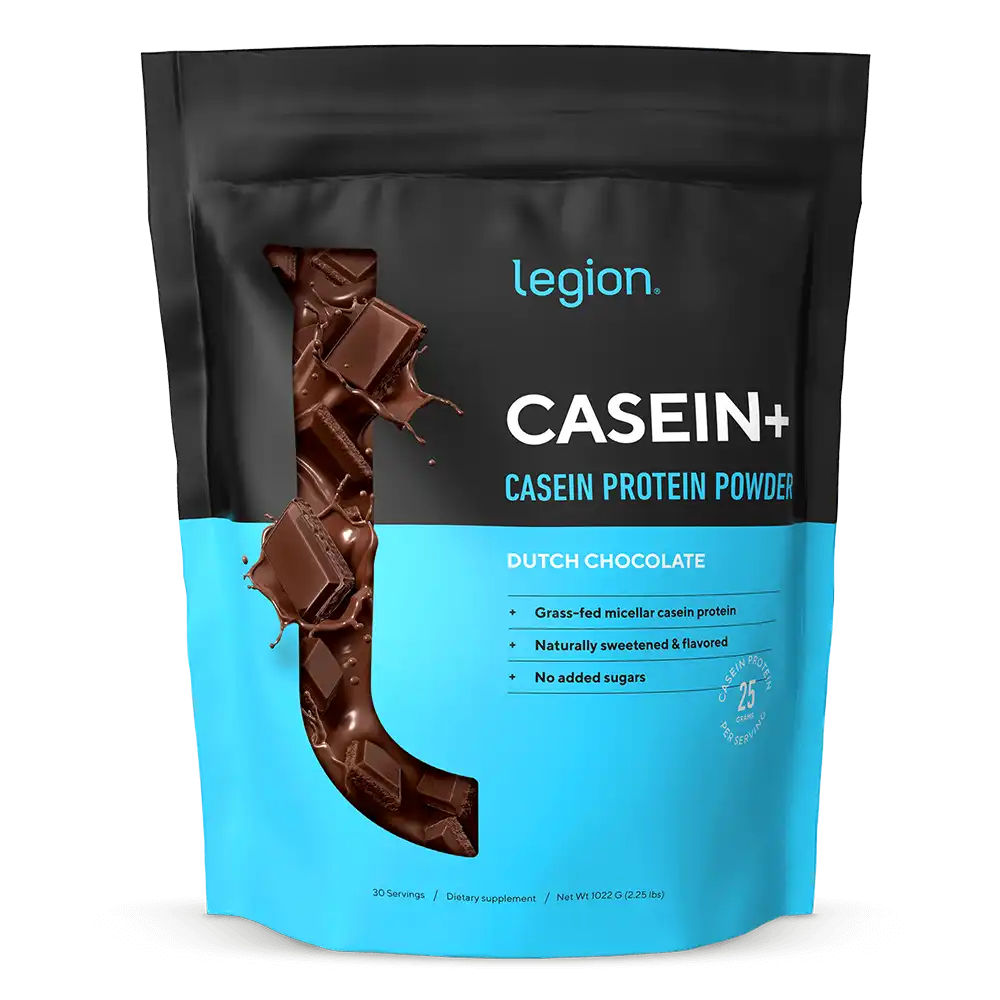
- Protein Powder as a Tool: While whole foods should be your primary source, protein powder can be a convenient and efficient way to hit your daily protein targets, especially if you have a busy lifestyle or struggle to consume enough protein through food alone. Look for options with minimal added sugars or excessive fats. Think of it as a supplement to your diet, not a replacement for meals.
Smart Carbohydrates: Energy for Your Workouts
Carbohydrates are your body’s primary energy source. They fuel your workouts, support brain function, and aid in recovery. The key is choosing the right types of carbohydrates.
- Complex Carbohydrates: Provide sustained energy, fiber, and essential nutrients. They have a slower impact on blood sugar.
- Simple Carbohydrates: Offer quick energy but can lead to blood sugar spikes and crashes if consumed in isolation. Best used strategically around workouts or in moderation.
Actionable Advice:
- Embrace Whole Grains: Oats, brown rice, quinoa, whole-wheat bread, and pasta.
- Prioritize Fruits and Vegetables: Rich in vitamins, minerals, fiber, and antioxidants. Aim for a variety of colors.
- Time Your Intake: Consume complex carbs before workouts for sustained energy and after workouts to replenish glycogen stores. Simple carbs (e.g., a banana) can be beneficial immediately post-workout.
- Portion Control: Even healthy carbs contribute calories. Adjust portions based on your activity level and goals.
Healthy Fats: Essential for Function
Fats are crucial for hormone production, nutrient absorption (especially fat-soluble vitamins A, D, E, K), brain health, and providing a concentrated source of energy.

- Monounsaturated and Polyunsaturated Fats: Considered "healthy fats," they can improve cholesterol levels and reduce inflammation.
- Saturated Fats: Should be consumed in moderation.
- Trans Fats: Best avoided entirely.
Actionable Advice:
- Include Healthy Fat Sources:
- Avocado: Healthy monounsaturated fats.
- Nuts and Seeds: Almonds, walnuts, chia seeds, flax seeds (rich in omega-3s).
- Olive Oil, Coconut Oil: For cooking and dressings.
- Fatty Fish: Salmon, mackerel, sardines (excellent sources of omega-3 fatty acids).
- Mindful Portions: Fats are calorie-dense (9 calories per gram), so portion control is important, especially when in a calorie deficit.
Hydration: The Often-Overlooked Catalyst
Water is essential for virtually every bodily function, from nutrient transport and temperature regulation to joint lubrication and waste removal. Dehydration can impair performance, energy levels, and even cognitive function.
Actionable Advice:
- Aim for Adequate Intake: A general guideline is to drink at least 8 glasses (about 2 liters) of water per day, but this can vary based on activity level, climate, and individual needs.
- Listen to Your Body: Thirst is a sign you’re already mildly dehydrated.
- Track Your Intake: Keep a water bottle handy and track your consumption.
- Infuse for Flavor: If plain water is boring, add slices of cucumber, lemon, lime, or berries for a natural flavor boost.
The Calorie Conundrum: A Balanced Perspective
To lose body fat, you generally need to consume fewer calories than you expend—a calorie deficit. However, extreme restriction is counterproductive, leading to muscle loss, nutrient deficiencies, and metabolic slowdown.
Actionable Advice:
- Gentle Deficit: Aim for a moderate calorie deficit of 300-500 calories below your maintenance level. This allows for sustainable fat loss while preserving muscle and energy.
- Don’t Obsess: While understanding your calorie intake can be helpful initially, the focus should quickly shift to the quality of your food and consistency of your habits. You don’t need to track forever.
- Prioritize Nutrient Density: Choose whole, unprocessed foods that provide maximum nutrients for fewer calories.
Pillar 3: Rest, Recovery, and Mental Fortitude
Exercise breaks your body down; recovery builds it back stronger. Neglecting rest and mental well-being can sabotage even the most diligent efforts in the gym and kitchen.
The Crucial Role of Sleep: Repair and Recharge
Sleep is when your body repairs muscles, consolidates memories, and regulates hormones crucial for appetite and metabolism.
- Muscle Repair and Growth: During deep sleep, growth hormone is released, essential for muscle recovery and synthesis.
- Hormonal Balance: Lack of sleep disrupts hunger-regulating hormones (ghrelin and leptin), leading to increased appetite and cravings for unhealthy foods. It also elevates cortisol (stress hormone), which can promote fat storage, especially around the abdomen.
- Energy and Focus: Adequate sleep improves energy levels, cognitive function, and athletic performance.
Actionable Advice:
- Aim for 7-9 Hours: Prioritize getting 7-9 hours of quality sleep per night.
- Establish a Routine: Go to bed and wake up at roughly the same time each day, even on weekends.
- Optimize Your Environment: Make your bedroom dark, quiet, and cool.
- Wind-Down Ritual: Avoid screens for an hour before bed. Instead, read, meditate, or take a warm bath.
- Real-life Example: Sarah struggled with late-night snacking and morning fatigue. By implementing a strict 7.5-hour sleep schedule, she found her cravings significantly reduced, and her energy for morning workouts dramatically improved.
Stress Management: Protecting Your Progress
Chronic stress can derail your fitness journey by impacting hormones, sleep, and eating behaviors.
- Cortisol Release: Prolonged stress elevates cortisol, which can increase appetite, promote fat storage, and break down muscle tissue.
- Emotional Eating: Many turn to food for comfort during stressful times, leading to excess calorie intake.
Actionable Advice:
- Identify Stressors: Pinpoint the main sources of stress in your life.
- Practice Mindfulness: Incorporate meditation, deep breathing exercises, or yoga to calm your nervous system.
- Engage in Hobbies: Dedicate time to activities you enjoy that help you relax and de-stress.
- Set Boundaries: Learn to say no to commitments that overwhelm you.
Cultivating a Positive Mindset: Your Inner Coach
Your mindset is arguably the most powerful tool in your fitness arsenal. Self-doubt, negative self-talk, and a perfectionist attitude can sabotage progress more effectively than any missed workout.
- Resilience: The ability to bounce back from setbacks is crucial for long-term success.
- Self-Compassion: Treat yourself with the same kindness and understanding you would offer a friend.
- Patience: Understand that sustainable change takes time and consistent effort.
Actionable Advice:
- Practice Positive Self-Talk: Challenge negative thoughts and replace them with empowering affirmations.
- Focus on Progress, Not Perfection: Celebrate small victories and acknowledge your efforts, even if you don’t hit every target.
- Embrace the Journey: View challenges as opportunities for growth, not failures.
- Find Your "Why": Remind yourself of your deeper motivations beyond superficial goals. Why do you truly want to be healthier and stronger?
Building Your Integrated Fitness Roadmap: Practical Steps
Putting all these pieces together requires a strategic approach. Here’s how to build your personalized roadmap for success:
Setting Realistic, Achievable Goals
Avoid the trap of aiming for too much, too soon. Start small, build momentum, and gradually increase the challenge.
- Micro-Goals: Break down larger goals into smaller, manageable steps. Instead of "I will run a marathon," start with "I will run for 20 minutes continuously by the end of the month."
- Focus on Habits: Prioritize building consistent habits over chasing immediate results. The habits create the results.
Consistency Over Intensity: The Long Game
It’s far better to consistently do moderate workouts and eat reasonably well than to sporadically attempt extreme regimens that lead to burnout.
- Schedule Your Fitness: Treat your workouts like important appointments you can’t miss.
- Be Flexible: Life happens. If you miss a workout, don’t throw in the towel. Adjust, adapt, and get back on track with your next opportunity. One missed workout doesn’t define your entire journey.
Listening to Your Body: Adaptation and Evolution
Your body will send you signals. Learn to interpret them.

- Pain vs. Soreness: Understand the difference. Soreness is normal; sharp or persistent pain is a red flag to rest or seek professional advice.
- Energy Levels: Adjust your training and nutrition based on how you feel. Some days you might need a lighter workout or more restorative activities.
- Recovery: Pay attention to how quickly you recover. If you’re constantly fatigued, you might be overtraining or under-recovering.
Seeking Professional Guidance
While this article provides a solid framework, personalized guidance can accelerate your progress and ensure safety.
- Certified Personal Trainer (CPT): Can design a safe and effective workout program tailored to your goals and experience level, and teach proper form.
- Certified Nutrition Coach (CNC) or Registered Dietitian (RD): Can help you create a personalized nutrition plan, address specific dietary needs, and navigate challenges like emotional eating.
- Mental Health Professional: If stress, anxiety, or body image issues are significant barriers, a therapist can provide invaluable support.
Conclusion: Your Journey to a Resilient Self
The path to a resilient physique and sustainable wellness is not a race; it’s an integrated ascent—a continuous journey of learning, adapting, and growing. It demands patience, consistency, and a commitment to nurturing every aspect of your well-being. By embracing strategic movement, nourishing your body with intention, prioritizing rest and recovery, and cultivating a positive mindset, you are not just losing weight or building muscle; you are forging a stronger, healthier, and more resilient version of yourself.
Remember, every step, no matter how small, is progress. There will be good days and challenging days, but your ability to stay consistent, learn from setbacks, and return to your core principles will define your success. This isn’t about chasing perfection; it’s about pursuing progress, celebrating your inherent strength, and building a foundation that will serve you for a lifetime.
Take that first step today. Commit to the process. Trust in your ability to grow. Your integrated ascent begins now, and the resilient, vibrant future you envision is well within your reach. Embrace the journey, for it is in the consistent effort and unwavering belief in yourself that true transformation unfolds.