Losing weight effectively and sustainably is often misunderstood as a simple equation of eating less and moving more. While these factors are crucial, the true key lies in adopting a balanced fitness diet. This approach integrates sound nutritional science with the specific demands of physical activity, ensuring that weight loss occurs without sacrificing muscle mass, energy levels, or overall health.
A balanced diet for weight loss must first establish a moderate caloric deficit. This deficit, typically between 300 to 500 calories below your Total Daily Energy Expenditure (TDEE), encourages the body to tap into stored fat reserves for energy. However, this deficit must be managed carefully to prevent metabolic slowdown or excessive fatigue that hinders consistent workouts.
The Cornerstone: Macronutrient Distribution
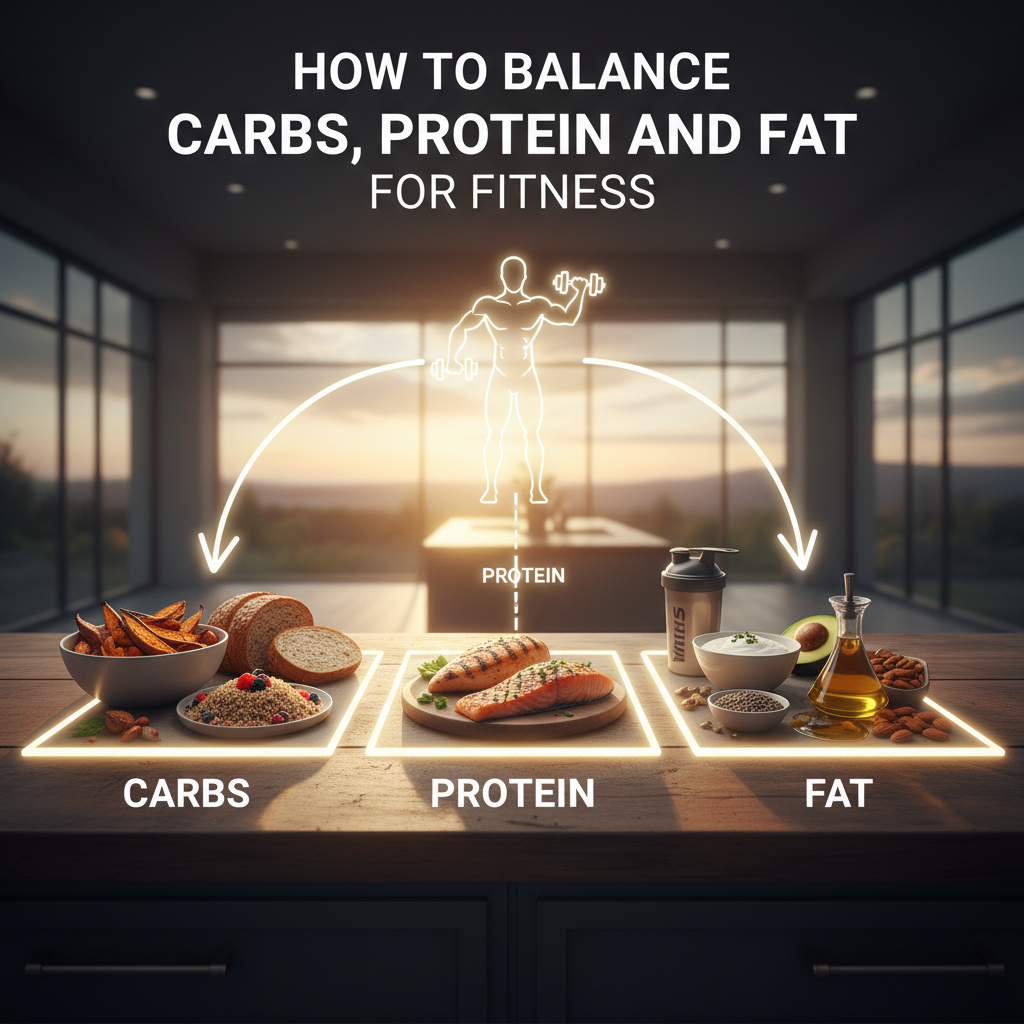
The composition of those calories—the macronutrients—is paramount for a fitness-oriented weight loss plan. We must prioritize three primary components: protein, carbohydrates, and fats. Ignoring any one of these leads to imbalances that compromise performance and satiety.
Protein Intake for Muscle Preservation: During a caloric deficit, the body is at risk of breaking down muscle tissue for energy. Adequate protein intake is the primary defense against this catabolism. Aim for approximately 1.6 to 2.2 grams of protein per kilogram of body weight. Sources should include lean meats, poultry, fish, eggs, dairy, legumes, and quality protein supplements.
Smart Carbohydrates for Energy: Carbohydrates are the body’s preferred fuel source, especially for high-intensity exercise. The mistake many make is eliminating them entirely. Instead, focus on complex, high-fiber carbohydrates. These provide sustained energy release, stabilize blood sugar, and contribute essential micronutrients. Examples include oats, quinoa, brown rice, sweet potatoes, and whole fruits.
Healthy Fats for Hormonal Balance: Dietary fats are non-negotiable. They are vital for hormone production, nutrient absorption (especially fat-soluble vitamins A, D, E, and K), and maintaining cellular health. Focus on unsaturated fats from sources like avocados, nuts, seeds, olive oil, and fatty fish (rich in Omega-3s). Fats should typically constitute 20% to 30% of total daily calories.
The Role of Micronutrients and Hydration
Weight loss diets often become micronutrient deficient because food variety decreases when calories are restricted. A truly balanced diet ensures a high density of vitamins and minerals through a rainbow of fruits and vegetables. These micronutrients support energy metabolism, reduce inflammation caused by intense training, and improve recovery.
Hydration is Non-Negotiable: Water plays a critical, often overlooked, role in weight loss. It aids in digestion, nutrient transport, temperature regulation, and can temporarily increase satiety. Dehydration can mimic hunger signals and severely impair physical performance, making adherence to a fitness routine difficult.
- Aim for at least 3-4 liters of water daily, increasing intake significantly on heavy training days.
- Limit sugary beverages and excessive alcohol, as these contribute empty calories and hinder fat metabolism.
Nutrient Timing for Optimal Fitness Results
For those actively engaging in fitness, when you eat can be nearly as important as what you eat. Nutrient timing optimizes energy availability for workouts and maximizes post-exercise repair.
Pre-Workout Fueling: Consume a meal consisting primarily of easily digestible carbohydrates and some protein 1 to 3 hours before exercise. This tops off muscle glycogen stores. Avoid high-fat or high-fiber meals immediately before training, as they slow digestion and can cause gastric distress.
Post-Workout Recovery: The 30-to-90-minute window following exercise is crucial. Consuming a mix of fast-digesting protein and carbohydrates (a 2:1 or 3:1 carb-to-protein ratio is often recommended) replenishes glycogen stores and initiates muscle protein synthesis, speeding up recovery.