Introduction: The Holy Grail of Body Composition
Losing weight is a common goal, but losing weight while simultaneously maintaining or even building muscle is the holy grail of body composition. Many weight loss approaches lead to muscle loss, which can decrease your metabolism, making it harder to keep the weight off in the long run. This article provides a detailed roadmap for achieving sustainable fat loss while preserving and even enhancing your lean muscle mass.
Understanding the Fundamentals: Caloric Deficit and Protein Intake
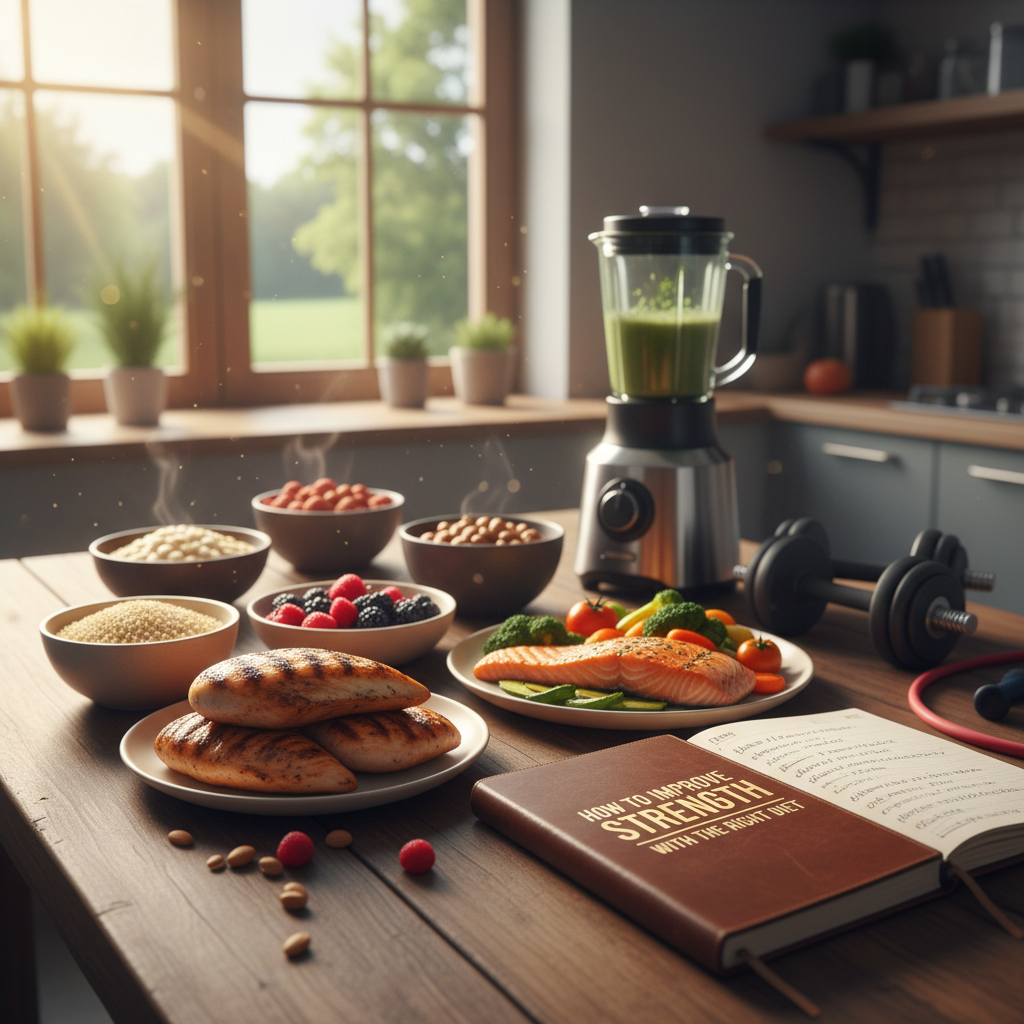
The foundation of any successful weight loss strategy is creating a caloric deficit – consuming fewer calories than you burn. However, simply cutting calories drastically can signal your body to break down muscle tissue for energy. This is where protein intake becomes crucial. Protein provides the building blocks (amino acids) your body needs to repair and rebuild muscle tissue, even when in a caloric deficit. Aim for a protein intake of 1.0-1.2 grams per pound of lean body mass.
Strategic Nutrition: Macronutrient Manipulation
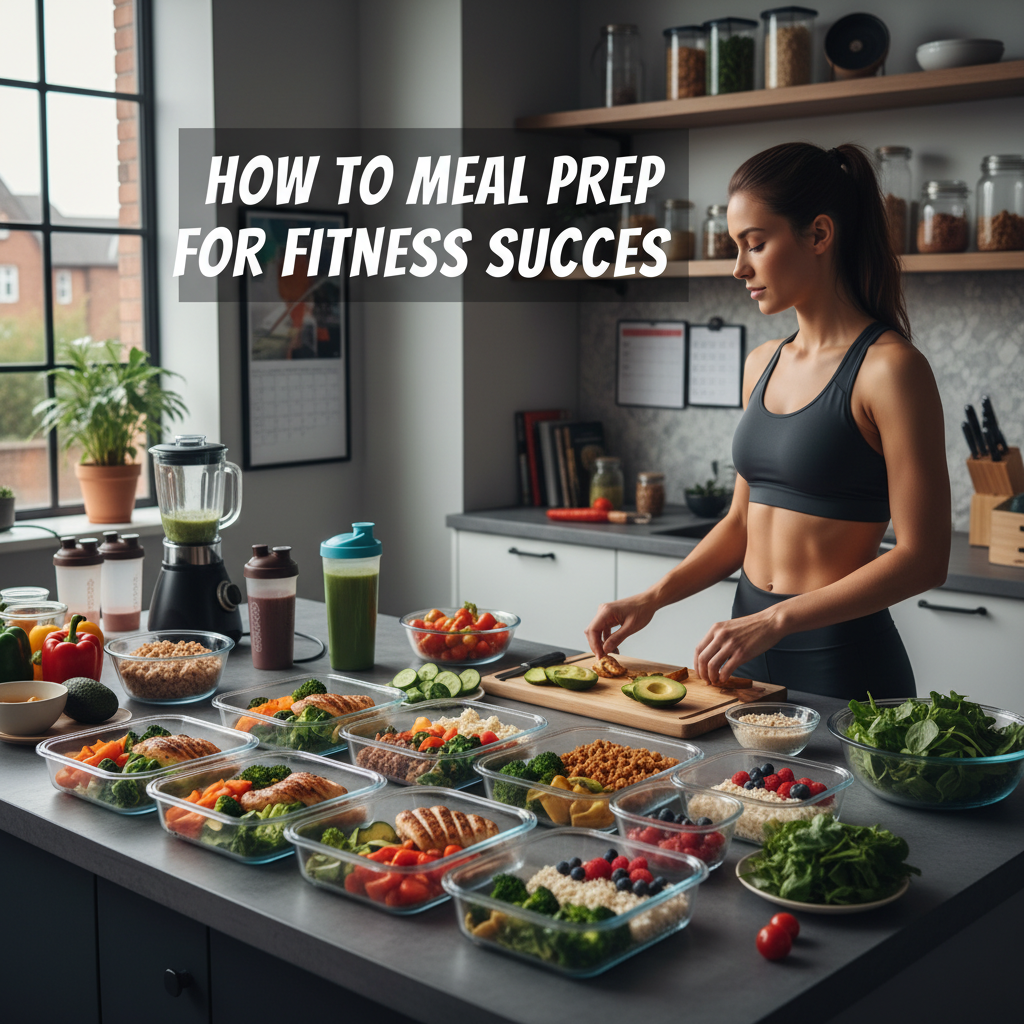
While protein is paramount, a balanced approach to macronutrients (protein, carbohydrates, and fats) is essential. Prioritize complex carbohydrates like whole grains, fruits, and vegetables for sustained energy and fiber. Don’t fear healthy fats from sources like avocados, nuts, seeds, and olive oil, as they play a crucial role in hormone production and overall health. Experiment with carbohydrate timing, consuming more around your workouts to fuel performance and recovery. Consider cyclical ketosis or carb cycling for enhanced fat loss without sacrificing muscle glycogen stores.
The Power of Resistance Training: Stimulating Muscle Growth
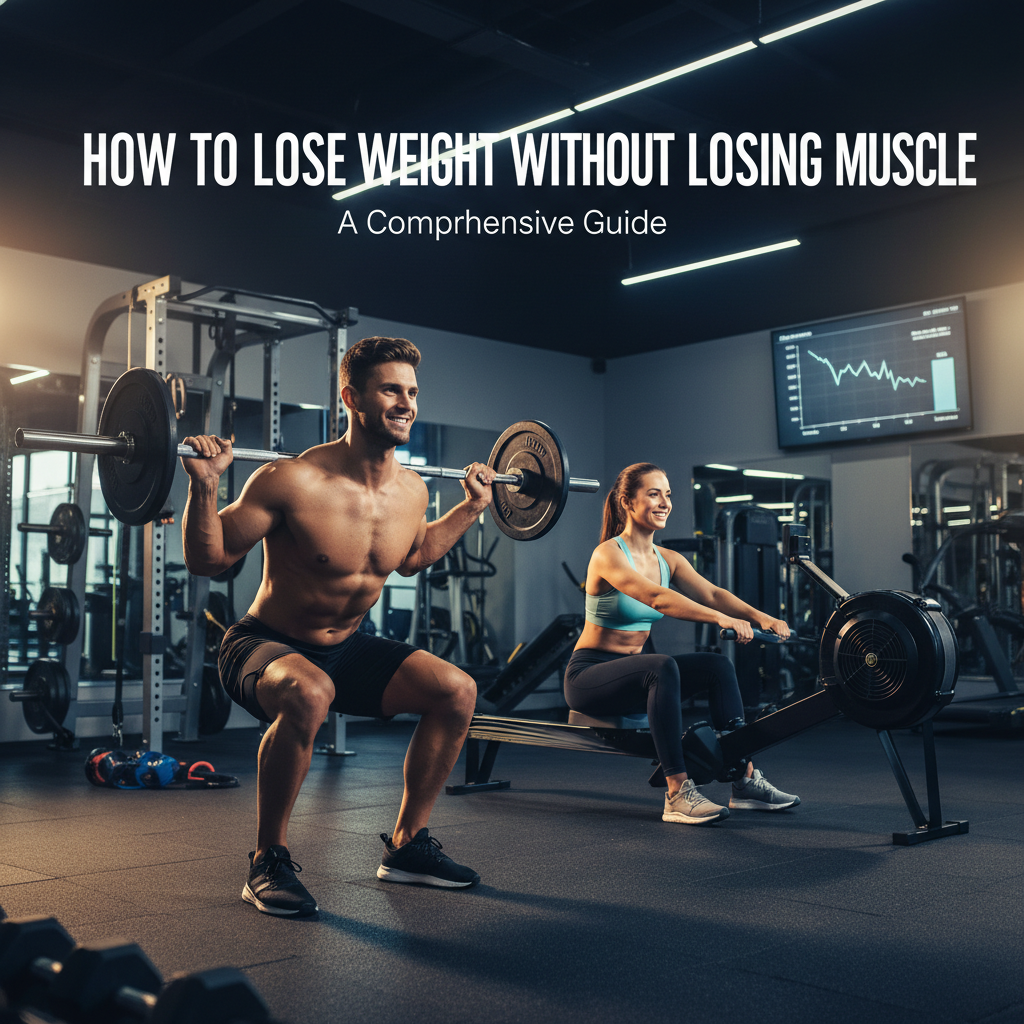
Resistance training, also known as weightlifting or strength training, is non-negotiable when trying to lose weight without losing muscle. Lifting weights provides the stimulus your muscles need to adapt and grow stronger. Without this stimulus, your body has no reason to hold onto muscle mass when in a caloric deficit. Focus on compound exercises like squats, deadlifts, bench presses, and overhead presses, which work multiple muscle groups simultaneously and promote greater hormonal responses.
Progressive Overload: Continuously Challenging Your Muscles
To continually stimulate muscle growth, you need to progressively overload your muscles. This means gradually increasing the weight you lift, the number of repetitions you perform, or the number of sets you complete over time. Progressive overload forces your muscles to adapt and become stronger, preventing them from atrophying during weight loss. Track your workouts and strive to improve each week.
Cardiovascular Exercise: Choosing the Right Type
Cardiovascular exercise is beneficial for overall health and can contribute to a caloric deficit. However, excessive amounts of steady-state cardio can interfere with muscle growth. Prioritize high-intensity interval training (HIIT), which involves short bursts of intense exercise followed by brief recovery periods. HIIT is more effective for fat loss and has less of a negative impact on muscle mass compared to long-duration cardio.
Optimizing Recovery: Sleep, Stress Management, and Hydration
Recovery is just as important as training and nutrition. Aim for 7-9 hours of quality sleep per night to allow your body to repair and rebuild muscle tissue. Manage stress through techniques like meditation, yoga, or spending time in nature, as chronic stress can elevate cortisol levels, which can lead to muscle breakdown. Stay adequately hydrated by drinking plenty of water throughout the day, as dehydration can impair muscle function and recovery.
Supplementation Strategies: Supporting Muscle Preservation
Certain supplements can support muscle preservation and fat loss. Creatine monohydrate is one of the most well-researched supplements for increasing strength and muscle mass. Branched-chain amino acids (BCAAs) can help reduce muscle breakdown during exercise. Protein powder can be a convenient way to increase your protein intake. Consider consulting with a registered dietitian or sports nutritionist to determine which supplements are right for you.
Tracking Progress: Monitoring Body Composition
Don’t just rely on the scale to track your progress. While weight loss is important, it doesn’t tell the whole story. Monitor your body composition using methods like body fat calipers, bioelectrical impedance analysis (BIA), or DEXA scans. These methods can help you track changes in muscle mass and body fat percentage, allowing you to adjust your strategy as needed.
The Importance of Consistency: Making It a Lifestyle
Sustainable weight loss and muscle preservation require consistency. Don’t expect overnight results. It takes time and effort to build muscle and lose fat. Make healthy eating and regular exercise a part of your lifestyle, rather than a temporary diet or workout program. Focus on making small, sustainable changes that you can maintain over the long term.
Managing Hunger and Cravings: Strategies for Success
Hunger and cravings can derail even the best-laid plans. Combat hunger by eating plenty of fiber-rich foods, such as vegetables, fruits, and whole grains. These foods are filling and low in calories. Drink plenty of water throughout the day to help you feel full. When cravings strike, try to find healthy alternatives or indulge in small portions of your favorite treats in moderation.
Adjusting Your Approach: Listening to Your Body
Everyone’s body responds differently to diet and exercise. Pay attention to how your body feels and adjust your approach accordingly. If you’re feeling overly fatigued or experiencing excessive muscle soreness, you may need to reduce your training volume or increase your calorie intake. If you’re not seeing results, you may need to re-evaluate your diet and exercise plan.
Seeking Professional Guidance: When to Consult an Expert
If you’re struggling to lose weight without losing muscle, consider seeking guidance from a qualified professional. A registered dietitian can help you create a personalized meal plan that meets your individual needs and goals. A certified personal trainer can help you design a safe and effective workout program. They can also provide support and motivation to help you stay on track.
The Mental Game: Staying Motivated and Positive
Losing weight and building muscle can be challenging, both physically and mentally. It’s important to stay motivated and positive throughout the process. Set realistic goals, celebrate your successes, and don’t get discouraged by setbacks. Surround yourself with a supportive network of friends, family, or online communities. Remember that progress is not always linear, and it’s okay to have off days.
Conclusion: A Holistic Approach to Body Composition
Losing weight without losing muscle requires a holistic approach that encompasses strategic nutrition, consistent resistance training, optimized recovery, and a positive mindset. By implementing the strategies outlined in this article, you can achieve your body composition goals and improve your overall health and well-being. Remember to be patient, consistent, and listen to your body. The journey to a leaner, stronger you is a marathon, not a sprint.