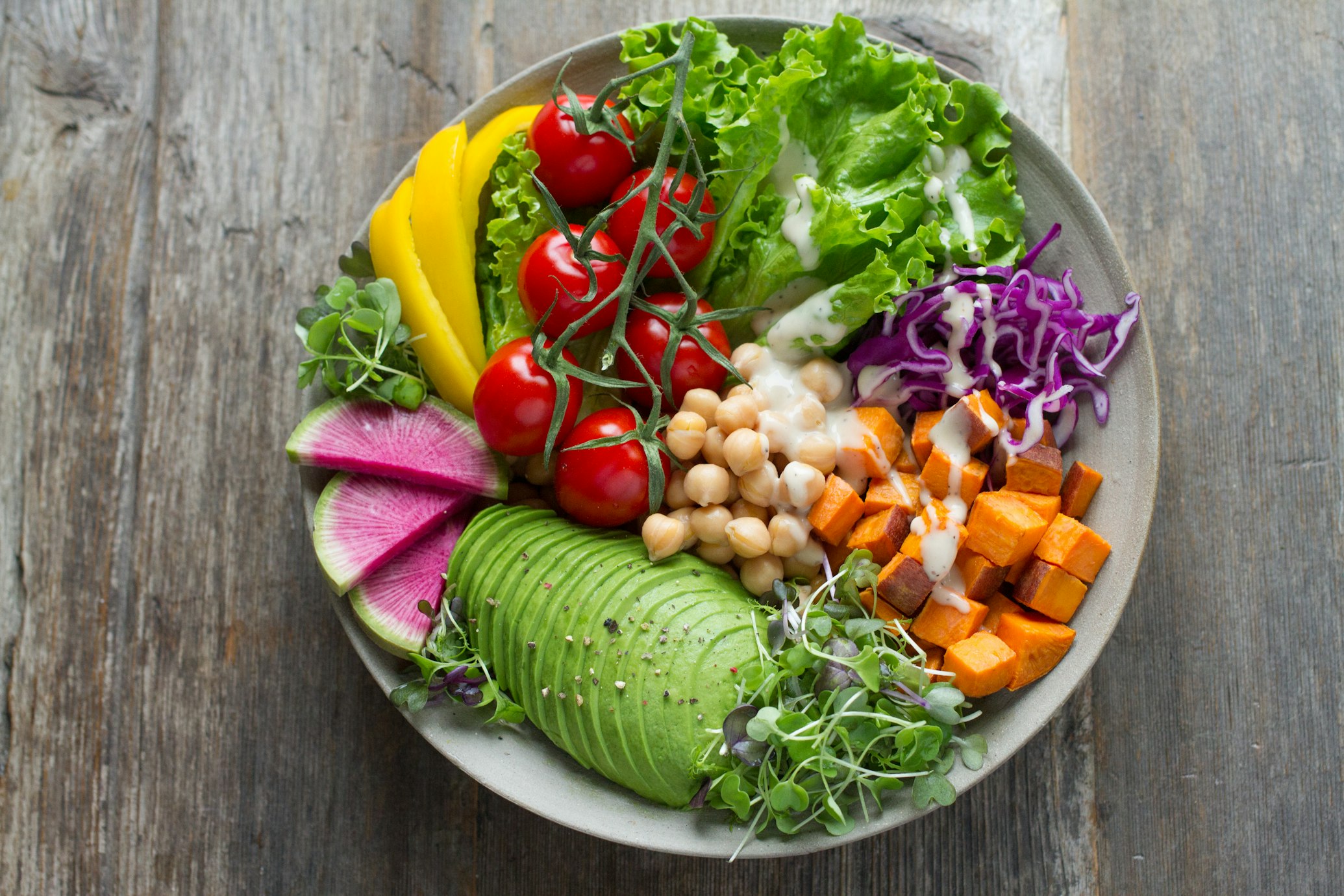
The term ‘cheat meal’ often carries a heavy emotional burden, associated with failure, derailment, and guilt. However, in the realm of sustainable nutrition and fitness, viewing occasional indulgences as ‘cheating’ is counterproductive. A well-managed cheat meal, or more accurately, a planned refeed or flexible dieting component, can actually enhance adherence to a healthy lifestyle. The key lies not in avoiding these meals entirely, but in mastering the strategy behind them.
Understanding the Psychology of Restriction
Chronic, overly restrictive dieting is a fast track to burnout and binge eating. When the brain perceives food as forbidden, the desire for that food intensifies. This psychological phenomenon, often termed the ‘what-the-hell effect,’ means that one slip-up leads to abandoning the entire diet. By pre-planning an enjoyable, satisfying meal, you preemptively reduce the urge to binge later, thus maintaining psychological control.
The first step to guilt-free indulgence is renaming the event. Instead of ‘cheat meal,’ consider using terms like ‘planned indulgence,’ ‘flexible meal,’ or ‘refeed opportunity.’ This subtle linguistic shift removes the moral judgment attached to the food choice.
Nutritional Rationale: Why Planned Refeeds Can Be Beneficial
For individuals in a caloric deficit, particularly those engaged in intense training, planned high-calorie or high-carbohydrate meals offer physiological benefits. Prolonged dieting can suppress hormones crucial for metabolism and satiety, such as leptin and thyroid hormones. A strategic refeed can temporarily boost these levels, signaling to the body that resources are available, which can aid in maintaining metabolic rate.
- Leptin Sensitivity: Higher calorie intake can increase circulating leptin, improving hunger regulation.
- Glycogen Replenishment: Refeeding carbohydrates restores muscle glycogen stores, which is vital for high-intensity workouts.
- Mental Break: Provides a necessary psychological break, preventing diet fatigue.
Strategy 1: Scheduling and Pre-Planning
The spontaneous cheat meal is almost always detrimental to progress. Successful management requires integrating the indulgence into your weekly structure. Decide when the meal will occur and what it will entail, well in advance. This transforms the meal from a lapse into an intentional, scheduled event.
Pro Tip: Schedule your refeed for a day immediately following a particularly demanding training session. Your muscles will utilize the influx of calories and nutrients more effectively for recovery and repair, maximizing the benefit.
Strategy 2: Portion Control and Context
A cheat meal is not a cheat day, and certainly not a cheat weekend. Maintaining the boundary of a single meal is critical. Furthermore, context matters. If you plan to have pizza, enjoy a moderate serving rather than consuming an entire large pizza. The goal is satisfaction, not extreme overconsumption that leads to physical discomfort.
Ask yourself: Will this meal genuinely make me feel satisfied, or am I eating purely out of habit or stress?
Strategy 3: The Pre-Meal Primer
To prevent your planned indulgence from spiraling, ensure your meals leading up to it are solid. If you have a high-calorie dinner planned, ensure breakfast and lunch were balanced and focused on lean protein and fiber. This prevents you from starting the indulgence already in a massive caloric surplus.