Tired of crowded gyms and expensive equipment? What if we told you that your most potent fitness tool is already with you, always? It’s time to unlock the incredible potential of calisthenics, the art of building strength, power, and a sculpted physique using nothing but your own bodyweight. Forget the notion that calisthenics is a watered-down alternative; it’s a fundamental pillar of physical prowess, essential for developing true functional strength and mastering your body’s capabilities.
Whether you’re a complete beginner taking your first steps into fitness or an intermediate enthusiast looking to diversify your training, this comprehensive guide will equip you with the knowledge and foundational exercises to thrive with bodyweight training.
Understanding the Power of Bodyweight: What Exactly is Calisthenics?
Calisthenics is an ancient and highly effective training methodology that leverages your body’s weight as resistance. Think of it as a dance with gravity, where every push, pull, squat, and lunge sculpts your muscles and sharpens your control. As functional fitness expert Jay Maryniak emphasizes, "It’s essential to be able to control, move, and build strength with just your bodyweight to build a well-rounded, functional physique."
While often used interchangeably with "bodyweight training," calisthenics can encompass a broader spectrum. Bodyweight training might focus on exercises that elevate your heart rate for cardiovascular benefits, whereas calisthenics often delves into mastering more advanced skills like handstands, muscle-ups, and front levers. However, the core principle remains the same: harnessing your body’s potential without external weights. The beauty of calisthenics lies in its adaptability; the most complex movements can be broken down into simpler variations, making it accessible to everyone, regardless of their current fitness level.
Foundations of Functional Strength: Essential Calisthenics Exercises for Beginners
The journey into calisthenics begins with mastering the fundamental movements. These exercises are the building blocks upon which all advanced skills are developed. Focus on proper form and controlled execution to maximize benefits and minimize injury risk.
The Mighty Push-Up: Building Upper Body Power
The push-up is a cornerstone of calisthenics, targeting your chest, shoulders, and triceps. If a standard push-up feels too challenging, don’t despair. Instead of dropping to your knees, opt for an incline push-up. Find a sturdy elevated surface like a counter, table, or even a wall. The higher the surface, the easier the exercise.

How to Do It:
- Starting Position: Place your hands slightly wider than shoulder-width apart on the elevated surface. Extend your legs back, forming a straight line from your head to your heels. Engage your core to prevent your hips from sagging.
- The Movement: Lower your chest towards the edge of the surface, keeping your elbows tucked slightly towards your body. Push back up to the starting position, fully extending your arms.
- Focus: Maintain a rigid torso throughout the movement. Avoid letting your hips drop or your back arch.
Mastering the Pull: From Assisted to Independent
Developing pulling strength is crucial for a balanced physique and functional movement. While a pull-up bar might seem intimidating, there are accessible ways to build up to it.
Seated Chin-Up: The Gentle Introduction
This variation significantly shortens the range of motion, making it more manageable for beginners. It’s an excellent way to acclimate your muscles to the pulling motion.

How to Do It:
- Starting Position: Find a sturdy, low bar or edge you can grasp with an underhand grip (palms facing you), hands shoulder-width apart. Sit on the floor or a low stool so your feet are planted and your body is in a seated position.
- The Movement: Pull your chest towards the bar or edge, engaging your back and biceps. Lower yourself slowly and with control back to the starting position.
- Focus: Concentrate on squeezing your back muscles as you pull.
The Classic Pull-Up: The Ultimate Upper Body Challenge
The pull-up is a king of bodyweight exercises, a true test of upper body strength. If you’re not quite ready for a full pull-up, don’t worry. Building a solid base with exercises like inverted rows and assisted pull-ups (using resistance bands or a machine if available) will get you there.
How to Do It:

- Starting Position: Grip a pull-up bar with an overhand grip (palms facing away from you), hands slightly wider than shoulder-width apart. Hang with your arms fully extended.
- The Movement: Pull your body upwards until your chin clears the bar. Lower yourself slowly and with control back to the starting position.
- Focus: Engage your back muscles (lats) to initiate the pull. Avoid swinging your legs.
Inverted Row: Your Pull-Up Stepping Stone
The inverted row is a fantastic precursor to pull-ups, allowing you to control the resistance by adjusting your body’s angle. The more horizontal your body, the more challenging the exercise.
How to Do It:
- Starting Position: Find a sturdy, low bar (like those found in many parks) or the edge of a table. Lie underneath it and grasp the bar with an overhand grip, hands shoulder-width apart. Your body should be straight from head to heels.
- The Movement: Pull your chest towards the bar, keeping your body rigid. Lower yourself slowly and with control.
- Focus: Imagine pulling your shoulder blades together as you ascend.
Lower Body Powerhouses: Squats and Lunges
Strong legs are foundational for overall fitness and athletic performance. Calisthenics offers a wealth of bodyweight exercises to build lower body strength and endurance.

Air Squat: The Foundation of Lower Body Strength
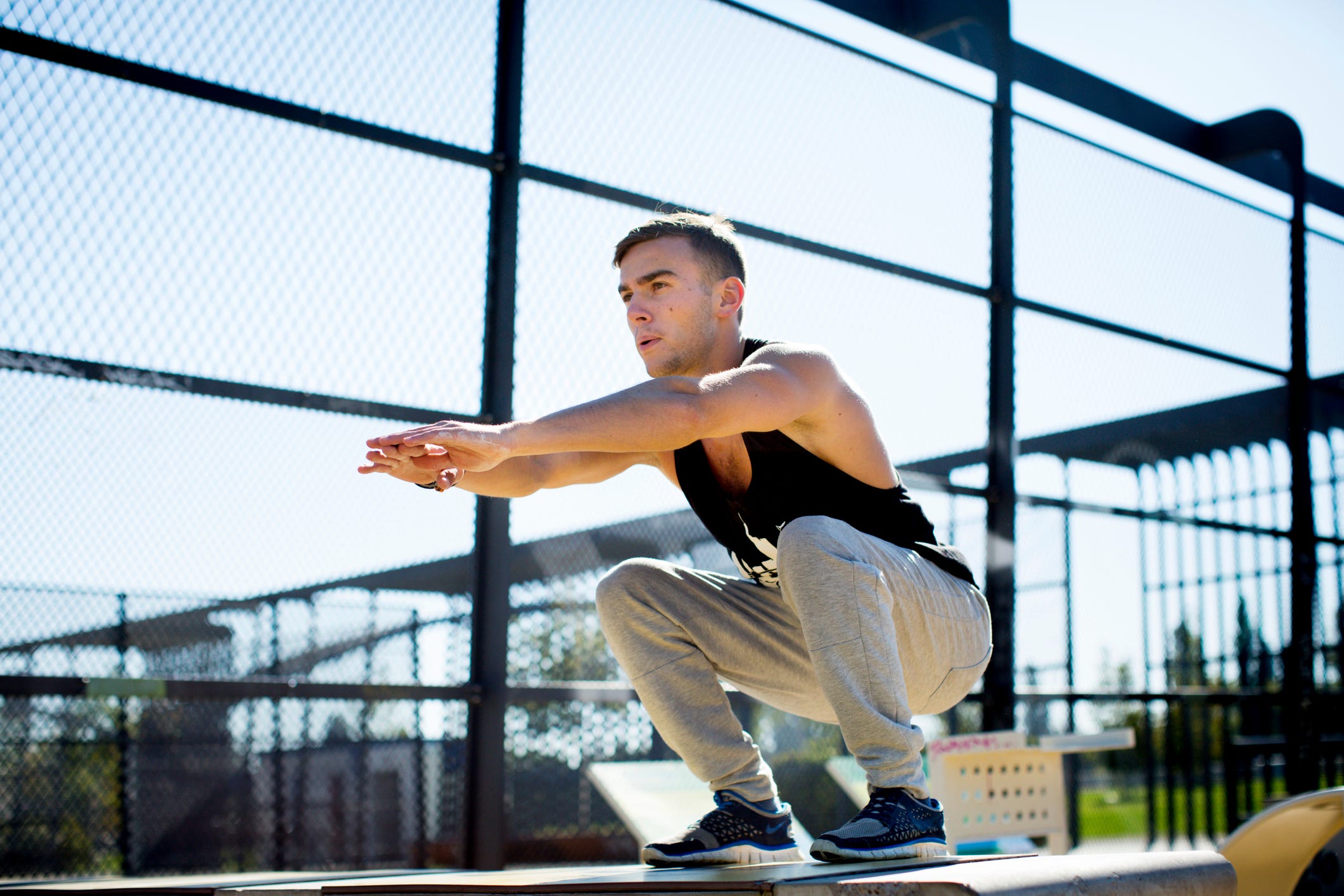
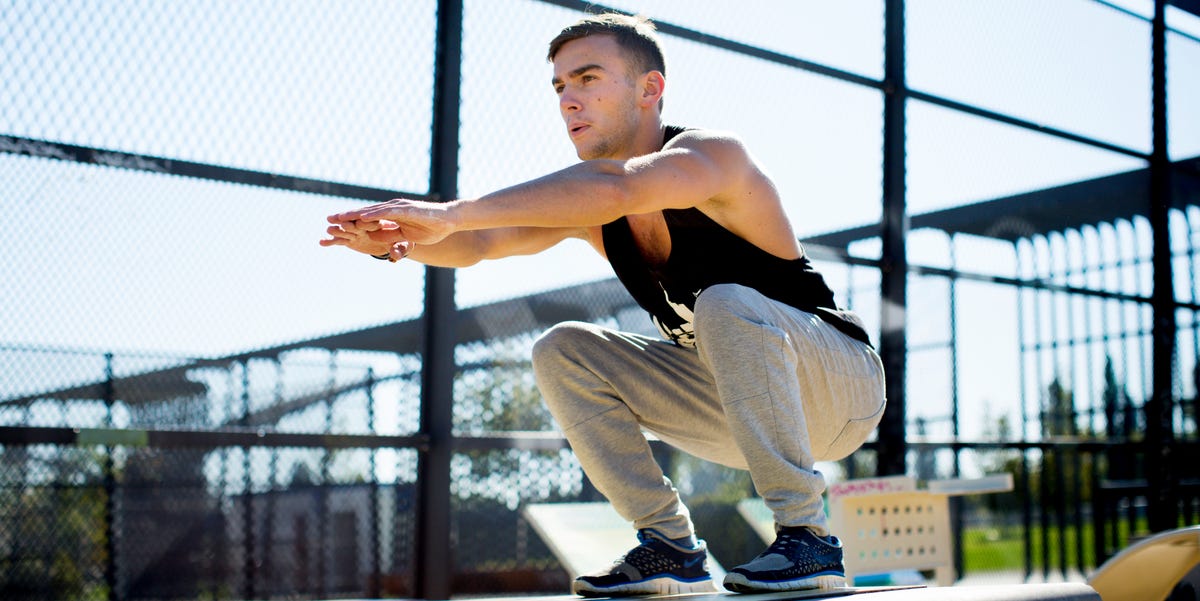
The air squat is a fundamental movement that mimics everyday actions like sitting down. It’s crucial for building leg strength, mobility, and balance.
How to Do It:
- Starting Position: Stand with your feet shoulder-width apart, toes pointing slightly outward. Keep your chest up and your back straight.
- The Movement: Hinge at your hips and bend your knees, lowering your body as if sitting into a chair. Aim to get your thighs parallel to the floor, or as low as you can with good form. Push through your heels to return to the starting position.
- Focus: Keep your knees tracking in line with your toes. Maintain a neutral spine.
Lunge: Unilateral Strength and Stability
Lunges are excellent for developing single-leg strength, improving balance, and targeting muscles that might be overlooked in bilateral movements.

How to Do It:
- Starting Position: Stand with your feet hip-width apart.
- The Movement: Take a controlled step forward with one leg, lowering your hips until both knees are bent at approximately 90-degree angles. Ensure your front knee stays behind your toes and your back knee hovers just above the floor. Push off your front foot to return to the starting position. Alternate legs with each repetition.
- Focus: Maintain an upright torso. Control the descent and ascent.
Lateral Lunge: Expanding Your Movement Patterns
While forward and backward lunges work in the sagittal plane, lateral lunges engage muscles in the frontal plane, mimicking side-to-side movements common in sports and daily life.
How to Do It:

- Starting Position: Stand with your feet hip-width apart.
- The Movement: Take a large step to the side with one leg, keeping the other leg straight. Hinge at your hips and bend the knee of your stepping leg, lowering your hips as if sitting back. Your chest should remain upright. Push off the bent leg to return to the starting position. Alternate sides.
- Focus: Keep your torso upright and your core engaged.
Step Up: Elevating Your Leg Training
The step-up requires a sturdy elevated surface, such as a bench or a stable chair. This exercise is excellent for building single-leg power and improving balance.
How to Do It:
- Starting Position: Stand in front of a stable elevated surface.
- The Movement: Place one foot firmly on the surface and drive through that heel to lift your entire body up. Bring your other foot to meet the first at the top. Step back down with the non-working leg, followed by the working leg. Alternate the lead leg with each set or after a set number of repetitions.
- Focus: Concentrate on driving through the heel of the foot on the elevated surface.
Core Strength: The Unsung Hero of Calisthenics
A strong core is the foundation of all powerful movements. Calisthenics offers dynamic exercises to build a resilient and functional core.

Hollow Body Hold: The Ultimate Core Brace
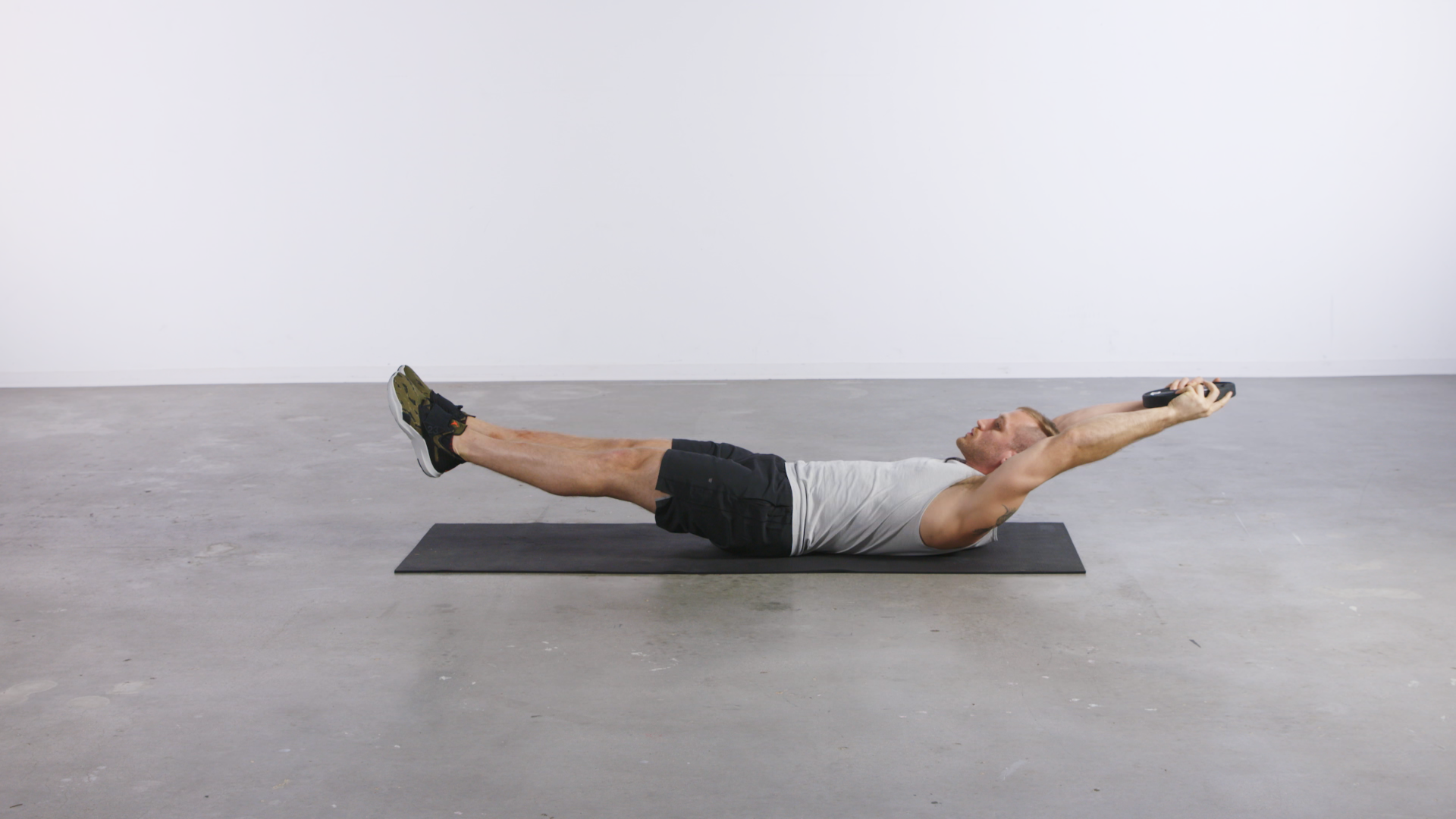
The hollow body hold is a fundamental exercise for building core stability and strength. It teaches you to actively brace your entire midsection, which is crucial for transferring power and preventing injury.
How to Do It:
- Starting Position: Lie flat on your back with your arms extended overhead and your legs straight.
- The Movement: Simultaneously lift your arms, shoulders, head, and legs slightly off the floor, creating a hollowed-out shape. Your lower back should remain pressed into the floor. Hold this position, focusing on maintaining tension throughout your core.
- Focus: Keep your lower back pressed into the floor. If this is too difficult, shorten your levers by bringing your arms forward or bending your knees.
Plank: The Static Core Master
The plank is a foundational isometric exercise that builds endurance and strength in your entire core musculature, including your abs, obliques, and lower back.

How to Do It:
- Starting Position: Position yourself on your forearms and toes, ensuring your body forms a straight line from head to heels.
- The Movement: Hold this position, actively engaging your core and glutes. Avoid letting your hips sag or rise too high.
- Focus: Maintain a rigid body. Breathe deeply and consistently.
Mountain Climber: Dynamic Core and Cardio
The mountain climber is a dynamic exercise that engages your core while providing a cardiovascular challenge. It mimics the motion of climbing, engaging your abs, shoulders, and hip flexors.
How to Do It:
- Starting Position: Begin in a high plank position, with your hands directly beneath your shoulders and your body in a straight line.
- The Movement: Drive one knee towards your chest, keeping your core engaged and your hips relatively stable. Quickly switch legs, bringing the other knee towards your chest. Continue alternating in a controlled, running-like motion.
- Focus: Maintain a stable core. Keep your hips from bouncing excessively.
Superman: Strengthening Your Posterior Chain
Training the muscles of your back is vital for a balanced physique and overall spinal health. The Superman exercise effectively targets your erector spinae and glutes.
How to Do It:
- Starting Position: Lie face down on the floor with your arms and legs extended.
- The Movement: Simultaneously lift your arms, chest, and legs off the floor, squeezing your glutes and back muscles. Hold for a moment, then slowly lower back down.
- Focus: Engage your back muscles and glutes to lift. Avoid straining your neck.
The Unparalleled Benefits of Calisthenics for Beginners
Calisthenics offers a wealth of advantages, making it an ideal starting point for anyone looking to improve their fitness.

1. Zero Equipment, Infinite Possibilities
The most significant advantage of calisthenics is its accessibility. You don’t need a gym membership, fancy machines, or expensive weights. Your body is your gym, and you can train virtually anywhere – your living room, a park, a hotel room. This removes a major barrier to entry, especially for those intimidated by traditional gym environments.
2. Train for Free, Reap Rich Rewards
Forget hefty subscription fees or costly memberships. Calisthenics is entirely free. Once you understand the fundamental movements, you can create effective and challenging workouts without spending a dime. This makes it a sustainable and budget-friendly approach to long-term fitness.
3. Build Real-World Functional Strength
Calisthenics directly translates to improved performance in everyday life. Exercises like squats, lunges, pushes, and pulls mimic natural human movements. Developing this functional strength enhances your ability to perform daily tasks with greater ease, reduces your risk of injury, and builds a body that’s prepared for anything. As Maryniak notes, "Calisthenics exercises build full-body strength, stability, and control using functional compound movement patterns."

4. Gentle on Your Joints
Compared to training with heavy external weights, calisthenics generally places less stress on your joints and connective tissues. This can be particularly beneficial for beginners or individuals recovering from injuries. While advanced calisthenics can become demanding, the foundational movements are inherently joint-friendly, allowing for consistent training and progress.
5. Sculpt Strength and Endurance
Calisthenics is incredibly effective for building both muscular strength and endurance. By manipulating variables like repetitions, sets, and time under tension, you can tailor your workouts to either focus on raw strength development or enhance your stamina. This versatility allows you to continually challenge your body and adapt your training to your evolving goals.
Integrating Calisthenics into Your Routine
Starting with calisthenics doesn’t require a complete overhaul of your existing fitness plan. Here’s how to seamlessly integrate it:

- Frequency: Aim for three full-body calisthenics workouts per week. This allows for adequate recovery while ensuring consistent progress.
- Duration: Sessions can range from 15-20 minutes for a quick, effective workout to 60 minutes for a more comprehensive session. The key is consistency and effort.
- Intensity: Don’t underestimate the power of bodyweight. Push yourself to perform sets that bring your muscles close to failure – the point where you can’t perform another repetition with good form. This is crucial for stimulating muscle growth and building true strength. As Maryniak advises, "it’s important to bring your body to that point to build true strength, build muscle, and master calisthenics training."
Your Body, Your Gym: The Ultimate Takeaway
Calisthenics is more than just a workout; it’s a journey of self-discovery and mastery. It’s about understanding the incredible power and potential of your own body. By embracing these fundamental movements and principles, you’re not just building muscle; you’re building resilience, control, and a profound connection with your physical self.
So, ditch the excuses, step away from the crowded equipment racks, and embrace the liberating power of calisthenics. Your body is your most valuable asset. Learn to move it, control it, and build it into the strongest, most capable version of itself. The journey begins now.