Embarking on a fitness journey or looking to revitalize your existing routine often brings us to a crossroads: which equipment offers the most bang for your buck, both in terms of physical benefits and long-term adherence? For many, the answer lies in the often-underestimated elliptical machine. Far more than just a cardio tool, the elliptical offers a unique blend of benefits, combining the intensity of a full-body workout with the gentleness of a low-impact exercise. It’s a powerful ally for anyone seeking to improve their cardiovascular health, build endurance, tone muscles, and manage weight, all within the comfort and convenience of their home.
This comprehensive guide will unlock the full potential of your elliptical trainer, whether you’re just starting out or aiming to elevate your intermediate fitness game. We’ll delve into why the elliptical stands out, how to maximize its effectiveness, common mistakes to avoid, and practical strategies to integrate it seamlessly into a sustainable, results-driven fitness lifestyle. Prepare to transform your approach to home workouts and discover a renewed sense of strength and vitality.
The Elliptical Advantage: Why This Machine Stands Out
The elliptical machine, sometimes referred to as a cross-trainer, has earned its place as a cornerstone of effective home fitness. Its unique design allows for a movement pattern that mimics running, walking, and stair climbing, but without the harsh impact on your joints. This makes it an invaluable tool for a wide range of individuals.
Gentle on Joints, Powerful on Performance
One of the most significant advantages of elliptical training is its low-impact nature. Unlike running on a treadmill or pavement, your feet remain in constant contact with the pedals, eliminating the repetitive jarring impact on your knees, hips, ankles, and back. This makes it an ideal choice for:
- Individuals with joint pain or conditions: Those managing arthritis, recovering from injuries, or simply seeking to protect their joints from wear and tear will find the elliptical offers a safe and comfortable alternative.
- Beginners: Easing into exercise without the discomfort of high-impact activities can prevent early burnout and foster consistency.
- Active recovery: Even seasoned athletes can benefit from low-impact elliptical sessions on recovery days to promote blood flow without adding stress.
Despite its gentleness, an elliptical workout is anything but easy. You control the resistance and speed, meaning you can dial up the intensity to challenge your cardiovascular system and muscles effectively.
Engaging Your Entire Body
What truly sets the elliptical apart from many other cardio machines is its capacity for a full-body workout. While your lower body is constantly engaged in a powerful pedaling motion, the moving handlebars activate your upper body, including your arms, shoulders, chest, and back.
- Lower Body: Expect to feel the burn in your quadriceps, hamstrings, glutes, and calves. Adjusting the incline or pedaling backward can further target these muscle groups in different ways.
- Upper Body: Pushing and pulling the handlebars engages your biceps, triceps, shoulders, and even your lats, contributing to overall muscular endurance and toning.
- Core Engagement: Maintaining proper posture and balance throughout the movement naturally recruits your core muscles, leading to improved stability and a stronger midsection.
This comprehensive muscle activation means you’re working more muscles simultaneously, leading to a more efficient and effective workout in less time.
A Versatile Calorie Burner
Due to its full-body engagement and the ability to vary intensity, the elliptical is an excellent tool for burning calories and supporting weight management goals. The more muscles you activate and the higher your intensity, the greater your caloric expenditure.
- Example: A 30-minute moderate-intensity elliptical session can burn anywhere from 270 to 400 calories or more, depending on your weight and effort level.
- Actionable Advice: To maximize calorie burn, focus on maintaining a challenging resistance level that allows you to sustain the effort for your desired duration, rather than just spinning your legs quickly with minimal resistance. Incorporating interval training (alternating high and low intensity) is also highly effective.
Boosting Cardiovascular Health
At its core, the elliptical is a superb cardiovascular training device. Regular use strengthens your heart and lungs, leading to a myriad of health benefits:
- Improved Endurance: You’ll find everyday tasks like climbing stairs or carrying groceries become easier.
- Reduced Risk of Chronic Diseases: Consistent cardio training helps lower the risk of heart disease, type 2 diabetes, and certain cancers.
- Enhanced Mood and Energy: Exercise releases endorphins, natural mood elevators, and improves overall energy levels and sleep quality.
The rhythmic motion of the elliptical also provides a meditative quality, allowing you to clear your mind and de-stress while working towards your fitness goals.
Demystifying Your Elliptical: Key Features to Understand
To truly master your elliptical, it helps to understand the fundamental components that influence your workout experience and potential for progress. These features, common across most models, directly impact comfort, challenge, and versatility.
The Heart of the Machine: Flywheel and Resistance
The flywheel is the heavy, rotating wheel inside your machine that provides momentum and a smooth ride. The heavier the flywheel, generally the smoother and more stable the pedaling motion will feel.
- Resistance: This is how challenging your workout feels. Most ellipticals use magnetic resistance, which is quiet and smooth. A wide range of resistance levels (e.g., 16-24+) allows for significant progression as your fitness improves.
- Practical Tip: Don’t be afraid to experiment with higher resistance. Many beginners shy away, but increasing resistance is crucial for building strength and pushing your cardiovascular limits. If you’re struggling to complete a set duration, try increasing resistance slightly for a few minutes, then returning to a lower level.
Expanding Your Challenge: Incline Options
While not all ellipticals offer incline, it’s a valuable feature for adding variety and targeting different muscle groups. Increasing the incline changes the angle of your stride, mimicking walking uphill.
- Benefits of Incline:
- Muscle Targeting: A higher incline emphasizes your glutes and hamstrings more intensely.
- Increased Intensity: It elevates your heart rate without necessarily increasing your speed, making the workout more challenging.
- Workout Variety: Prevents plateaus and keeps your routine fresh.
- Actionable Advice: Start with a flat incline to master the basic movement. Once comfortable, gradually introduce small incline changes into your routine, perhaps for 5-minute segments, to experience new muscle activation.
Finding Your Flow: Stride Length
Stride length refers to the distance your pedals move from front to back during a full rotation. It’s a critical factor for comfort and biomechanics.
- Importance: A stride length that’s too short can feel choppy and unnatural, like marching in place. One that’s too long might feel like overstretching. Most standard ellipticals offer a stride length around 18-20 inches, which suits the majority of users.
- Consideration: Taller individuals often benefit from a longer stride length (20+ inches) to feel a more natural, comfortable movement, while shorter individuals might prefer a slightly shorter stride.
- Practical Tip: When trying out an elliptical (if possible), pay attention to how natural the stride feels. It should feel smooth and comfortable, not awkward or restrictive.
Smart Training: Consoles and Connectivity
Modern ellipticals come equipped with consoles that display vital workout metrics and often offer advanced features.
- Basic Metrics: Time, distance, speed, resistance level, and calories burned are standard.
- Heart Rate Monitoring: Many include handgrip pulse sensors or are compatible with chest strap monitors, allowing you to train within specific heart rate zones for optimal results.
- Pre-set Programs: These can automatically adjust resistance and/or incline, offering guided workouts like "hill climb" or "fat burn" programs.
- Connectivity: Some models integrate with fitness apps or streaming platforms, offering virtual scenic routes, trainer-led classes, and workout tracking.
- Actionable Advice: Utilize these features! Tracking your progress (distance, calories, time) can be incredibly motivating. If your machine has pre-set programs, try a new one each week to keep your body guessing and prevent boredom.
Crafting Your Effective Elliptical Workouts
The true power of the elliptical lies in how you use it. Moving from simply "pedaling" to "training" requires a structured approach that incorporates warm-ups, varied intensity, and progressive challenges.
The Essential Warm-Up and Cool-Down
Never skip these critical phases of your workout. They prepare your body for exertion and aid in recovery.
- Warm-Up (5-10 minutes):
- Start with light cardio, such as walking or a very low-resistance elliptical pace.
- Gradually increase resistance and speed to a moderate level.
- Include dynamic stretches like arm circles, leg swings, and torso twists off the machine.
- Goal: Increase blood flow to muscles, raise core body temperature, and prepare joints for movement.
- Cool-Down (5-10 minutes):
- Gradually decrease your speed and resistance to a very light pace.
- Transition to static stretches off the machine, holding each stretch for 20-30 seconds. Focus on the major muscle groups worked: hamstrings, quads, glutes, calves, chest, and shoulders.
- Goal: Gradually lower heart rate, improve flexibility, and help prevent post-workout stiffness.
Building Your Foundation: Beginner Workouts
If you’re new to the elliptical or exercise in general, focus on consistency and proper form before pushing intensity.
- Frequency: Aim for 3-4 sessions per week on non-consecutive days.
- Duration: Start with 20-30 minutes per session.
- Intensity: Maintain a moderate pace where you can talk but are slightly breathless (a "conversational pace"). You should feel challenged but not exhausted.
- Form Focus: Pay close attention to posture (upright, shoulders back), core engagement, and smooth, controlled movements.
- Real-Life Example: "Sarah, a beginner, committed to 3 elliptical sessions a week. She started with 20 minutes at a low resistance, focusing on keeping her back straight and engaging her arms. After a month, she found she could comfortably do 30 minutes and slightly increased her resistance, feeling stronger with each session."
Elevating Intensity: Interval Training (HIIT & LISS)
Once you’ve built a foundational level of fitness, integrate interval training to boost calorie burn, improve endurance, and break through plateaus.
- High-Intensity Interval Training (HIIT):
- Structure: Alternate short bursts of maximum effort with longer periods of active recovery.
- Example (30-minute workout):
- 5-minute warm-up.
- Work (1 minute): High resistance, fast pace – push hard, aim for 8-9 out of 10 effort.
- Rest (2 minutes): Low resistance, moderate pace – recover, aim for 4-5 out of 10 effort.
- Repeat 6-8 times.
- 5-minute cool-down.
- Benefits: Highly effective for fat loss, boosts metabolism, significantly improves cardiovascular fitness.
- Caution: HIIT is demanding. Limit to 1-2 sessions per week, especially if you’re new to it.
- Low-Intensity Steady State (LISS):
- Structure: Maintain a consistent, moderate intensity for a longer duration.
- Example: 45-60 minutes at a conversational pace (6-7 out of 10 effort) with consistent resistance.
- Benefits: Excellent for building aerobic base, active recovery, and reducing stress. Can be done more frequently than HIIT.
Maximizing Muscle Engagement
Don’t just go through the motions. Consciously engage your muscles to get the most out of every stride.
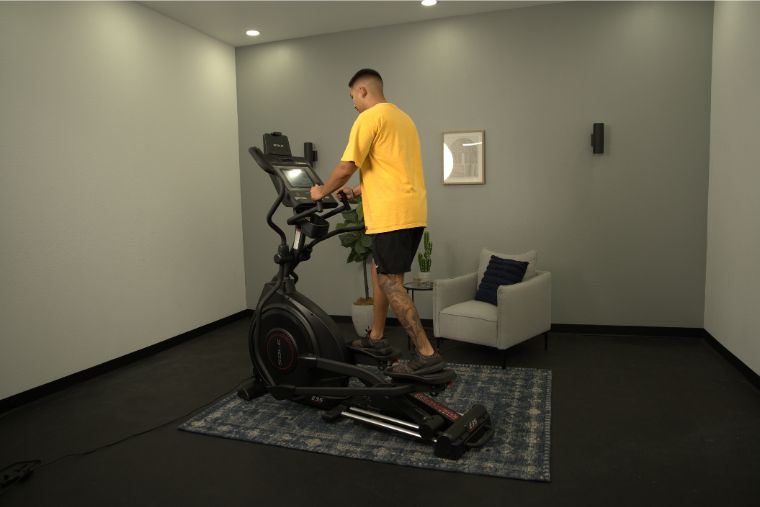
- Forward vs. Backward Pedaling:
- Forward: Primarily targets glutes, quads, and calves.
- Backward: Emphasizes hamstrings and glutes more intensely.
- Actionable Advice: Incorporate both! Try pedaling forward for 5 minutes, then backward for 5 minutes, alternating throughout your workout.
- Arm Engagement: Actively push and pull the handlebars.
- Pushing: Engages your chest and triceps.
- Pulling: Engages your back and biceps.
- Practical Tip: Avoid simply holding the handles. Think of it as rowing and pushing, actively using your upper body to contribute to the movement.
- Core Awareness: Keep your abdominal muscles gently braced throughout the workout. This supports your spine and enhances stability.
Progressive Overload: Your Path to Continued Gains
To continue seeing results, you must progressively challenge your body. This is the principle of progressive overload.
- How to Apply:
- Increase Duration: Gradually add 5-10 minutes to your workouts.
- Increase Resistance: Regularly bump up the resistance level as you get stronger.
- Increase Incline: If your machine has it, use the incline feature more frequently or at higher settings.
- Vary Intensity: Incorporate more challenging intervals or longer periods at higher intensity.
- Increase Frequency: Add an extra workout day to your week if your schedule allows.
- Real-Life Example: "Mark started doing 30 minutes at resistance level 5. After a month, he tried increasing to level 7 for the entire workout. Once that felt comfortable, he started introducing 1-minute bursts at level 10 during his 30-minute session, slowly building his endurance and strength."
Integrating Elliptical Training into Your Lifestyle
Fitness isn’t just about the workout; it’s about how that workout fits into your broader life. Making elliptical training a sustainable habit requires consistency, a holistic approach, and self-awareness.
Consistency: The Non-Negotiable Ingredient
The most effective workout is the one you actually do. Regularity trumps sporadic bursts of intense effort.
- Schedule It: Treat your elliptical sessions like important appointments in your calendar.
- Find Your Time: Whether it’s first thing in the morning, during a lunch break, or after work, find a time that you can consistently commit to.
- Small Wins: If a full workout isn’t possible, a 15-20 minute session is still beneficial. Don’t let perfection be the enemy of good.
- Actionable Advice: Create a visual tracker. Mark off each workout on a calendar. Seeing your progress can be incredibly motivating and reinforce your commitment.
Complementing with Strength Training
While the elliptical provides some muscular engagement, it’s not a substitute for dedicated strength training. For a truly balanced fitness routine, combine your cardio with resistance exercises.
- Benefits: Strength training builds lean muscle mass, which boosts your metabolism, improves bone density, and enhances overall functional strength for daily life.
- Integration: Aim for 2-3 full-body strength training sessions per week on days you don’t use the elliptical, or do them after your elliptical workout.
- Real-Life Example: "Jane uses her elliptical three times a week for cardio and does two separate strength training sessions focusing on bodyweight exercises (squats, lunges, push-ups) and resistance bands. This balanced approach has helped her build both endurance and muscle tone."
Fueling Your Progress: Nutrition and Hydration
What you put into your body is just as important as how you move it. Proper nutrition and hydration are crucial for energy, recovery, and results.
- Balanced Diet: Focus on whole, unprocessed foods: lean proteins, complex carbohydrates, healthy fats, and plenty of fruits and vegetables.
- Hydration: Drink water consistently throughout the day, especially before, during, and after your workouts. Dehydration can severely impact performance and recovery.
- Practical Tip: Keep a water bottle near your elliptical. Take sips regularly during your workout to stay hydrated.
Listening to Your Body: Rest and Recovery
Pushing yourself is important, but so is allowing your body to recover and rebuild. Overtraining can lead to injury, burnout, and stalled progress.
- Prioritize Sleep: Aim for 7-9 hours of quality sleep per night. This is when your body repairs and regenerates.
- Active Recovery: On rest days, consider light activities like walking, gentle yoga, or stretching to promote blood flow without strenuous effort.
- Recognize Warning Signs: Pay attention to persistent fatigue, muscle soreness that doesn’t subside, unusual aches, or a drop in performance. These could be signs you need more rest.
- Actionable Advice: Schedule dedicated rest days into your weekly routine. Just like you schedule workouts, schedule time for recovery.
Avoiding Common Elliptical Pitfalls
Even with the best intentions, it’s easy to fall into habits that reduce the effectiveness of your elliptical workout. Being aware of these common mistakes can help you correct them and maximize your efforts.
Posture Perfect: Standing Tall and Engaged
Many users tend to slouch, lean forward, or round their shoulders, especially as they fatigue. This not only diminishes the workout’s effectiveness but can also lead to back pain.
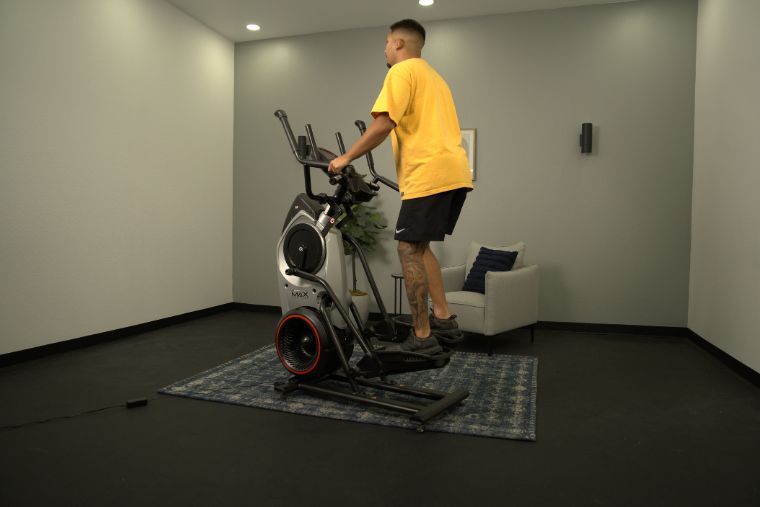
- Correction: Stand tall with your chest open, shoulders back and down. Engage your core as if bracing for a gentle punch. Look straight ahead, not down at your feet.
- Practical Tip: Imagine a string pulling the crown of your head towards the ceiling. Periodically check your reflection if you have a mirror nearby.
Don’t Just Coast: Embrace Resistance
A common mistake is pedaling quickly with minimal resistance, prioritizing speed over challenge. While it feels fast, it doesn’t adequately engage muscles or elevate your heart rate effectively.
- Correction: Find a resistance level where you feel challenged but can maintain proper form. Your muscles should be working, not just your momentum.
- Actionable Advice: If you can comfortably read a book or hold a lengthy conversation without any breathlessness, your resistance is likely too low. Gradually increase it until you feel a good burn.
The Grip Factor: Light Hands, Engaged Core
Gripping the handlebars too tightly or leaning heavily on them reduces the engagement of your core and lower body. You’re essentially cheating yourself out of a full-body workout.
- Correction: Hold the handlebars lightly, using them for balance and upper body engagement, not support. Focus on driving the movement from your legs and core.
- Practical Tip: Try letting go of the handlebars for short periods (15-30 seconds) to really feel your core and leg muscles working to stabilize you. This improves balance and strengthens your core.
Variety is the Spice of Fitness
Doing the exact same workout every single time leads to adaptation, meaning your body stops being challenged, and your progress plateaus.
- Correction: Vary your workouts! Change up the resistance, incline, duration, and intensity (HIIT vs. LISS). Try pedaling backward.
- Actionable Advice: Design a weekly plan: Monday (HIIT), Wednesday (LISS with incline), Friday (moderate pace, focus on arm engagement). This keeps your body guessing and prevents boredom.
Choosing the Right Elliptical for Your Home Sanctuary
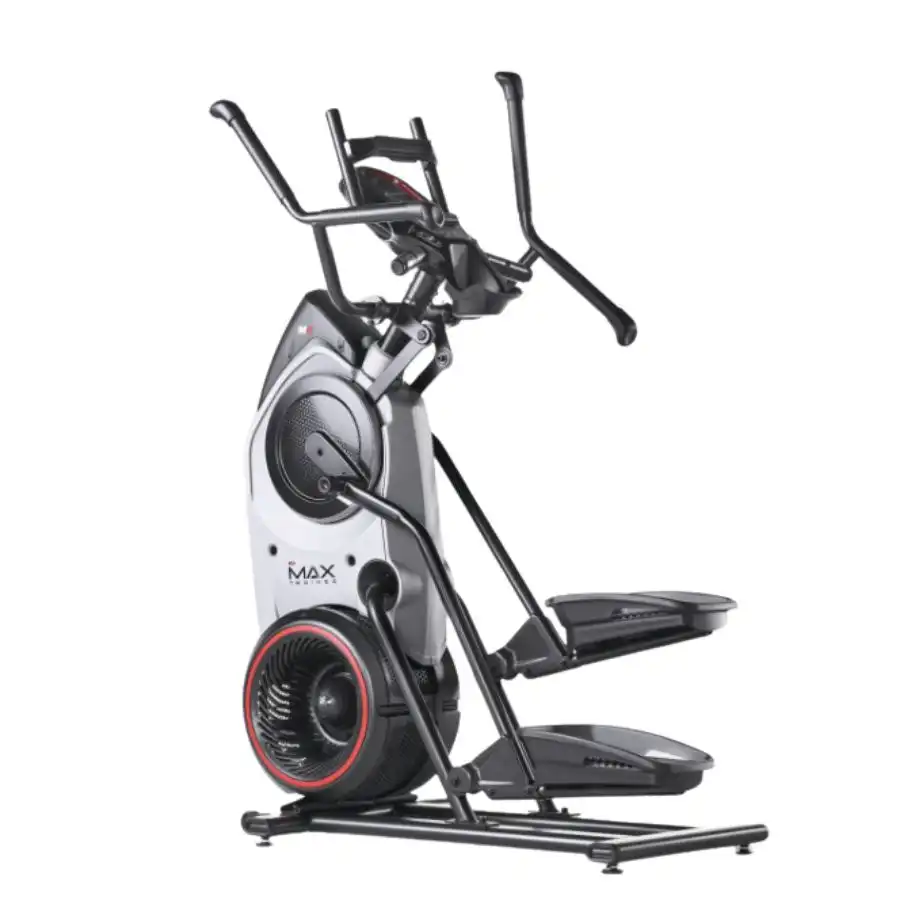
While this article focuses on using an elliptical, selecting the right machine for your home is the first step. Here’s general advice on what to consider without diving into specific brands or models.
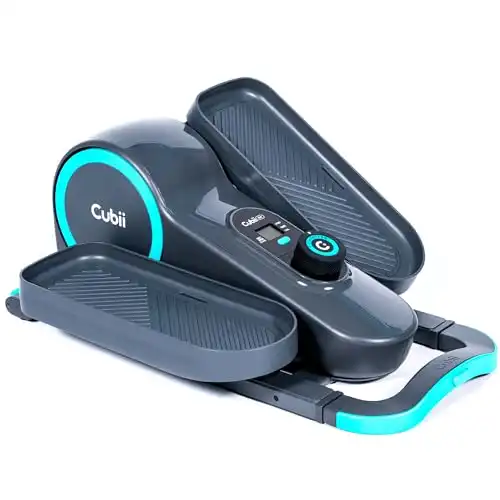
Space Considerations: Finding Your Fit
Ellipticals can be substantial. Measure your available space carefully, including ceiling height.
- Footprint: Check the machine’s dimensions (length, width, height) and add extra clearance for safe use and movement around it.
- Ceiling Height: Remember that you’ll be standing on the pedals, which adds to your height. Ensure you have enough head clearance.
- Foldable Options: If space is truly limited, some models offer a folding design for easier storage.
Budgeting for Your Best Bet
Elliptical machines range widely in price, from a few hundred dollars to several thousand. Your budget will naturally narrow your options.
- Entry-Level: Generally offer basic features, lighter flywheels, and fewer resistance levels. Suitable for casual use.
- Mid-Range: A good balance of features, durability, and performance for regular users.
- High-End: Offer premium features, heavy-duty construction, advanced consoles, and extensive workout programs. Ideal for avid users or multiple users.
- Practical Tip: Consider the warranty. A longer warranty often indicates better build quality and manufacturer confidence.
Essential Features vs. Nice-to-Haves
Make a list of what you truly need versus what would be a luxury.
- Essentials: Smooth, comfortable stride; adequate resistance levels; clear display of basic metrics.
- Nice-to-Haves: Adjustable incline, pre-set programs, heart rate monitoring, app connectivity, built-in fan, tablet holder, water bottle holder.
Assembly and Maintenance Insights
Home gym equipment often requires assembly, which can range from straightforward to complex.
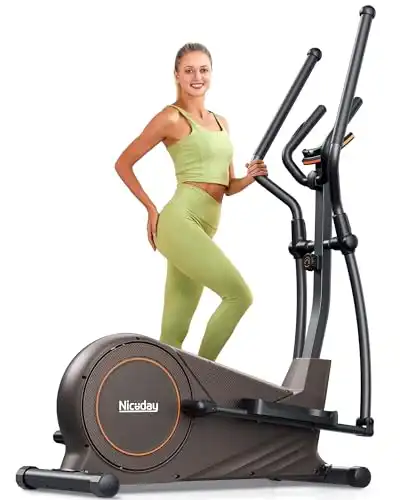
- Assembly: Check reviews or product descriptions for insights into assembly difficulty. Some companies offer professional assembly services for an additional fee.
- Maintenance: Generally, ellipticals require minimal maintenance, such as wiping them down after use and occasionally checking bolts for tightness. A well-maintained machine lasts longer.
Real Stories, Real Progress: Actionable Advice
Let’s distill these insights into actionable steps, inspired by hypothetical individuals achieving their fitness goals.
- For the Busy Parent: "Imagine fitting in 25 minutes of high-intensity intervals (1 min on, 2 min off) on your elliptical before the kids wake up. It’s quick, effective, and sets a positive tone for the day without leaving the house. Lay out your workout clothes the night before to eliminate morning friction."
- For the Joint-Conscious Beginner: "Start with three 30-minute sessions per week, focusing on a moderate pace and perfect posture. Use a low resistance. After a month, try adding 5 minutes to each session or increasing the resistance by just one level. Consistency is your superpower."
- For the Plateaued Intermediate: "If your routine feels stale, introduce backward pedaling for 10-minute segments within your workout. Or, dedicate one session a week to a ‘pyramid’ workout: gradually increase resistance for 5 minutes, hold for 5, then decrease for 5, repeating the cycle. Challenge your body in new ways!"
- For the Tech Enthusiast: "If your elliptical connects to apps, explore virtual scenic routes. Visual stimulation can dramatically increase motivation and make a 45-minute workout fly by. Or, follow an online trainer-led class to push your limits and learn new techniques."
Your Journey Starts Now: A Motivational Conclusion
The elliptical machine is a powerful, versatile, and joint-friendly tool that can truly transform your fitness journey. It offers a unique pathway to robust cardiovascular health, full-body strength, and sustained energy, all within the convenience of your home.
Remember, fitness is not a destination but a continuous journey of self-improvement and discovery. Every stride on your elliptical, every increase in resistance, and every consistent session contributes to a stronger, healthier, and more resilient you. Don’t be intimidated by the journey ahead; embrace the process, celebrate your small victories, and stay committed to the incredible benefits that await.
Take that first step (or pedal stroke) today. Set a realistic goal, commit to your plan, and let the rhythmic motion of the elliptical propel you towards a fitter, more vibrant life. Your potential is limitless, and your home fitness sanctuary is ready to help you unlock it. The power to transform your health is literally at your feet. Go forth and conquer!