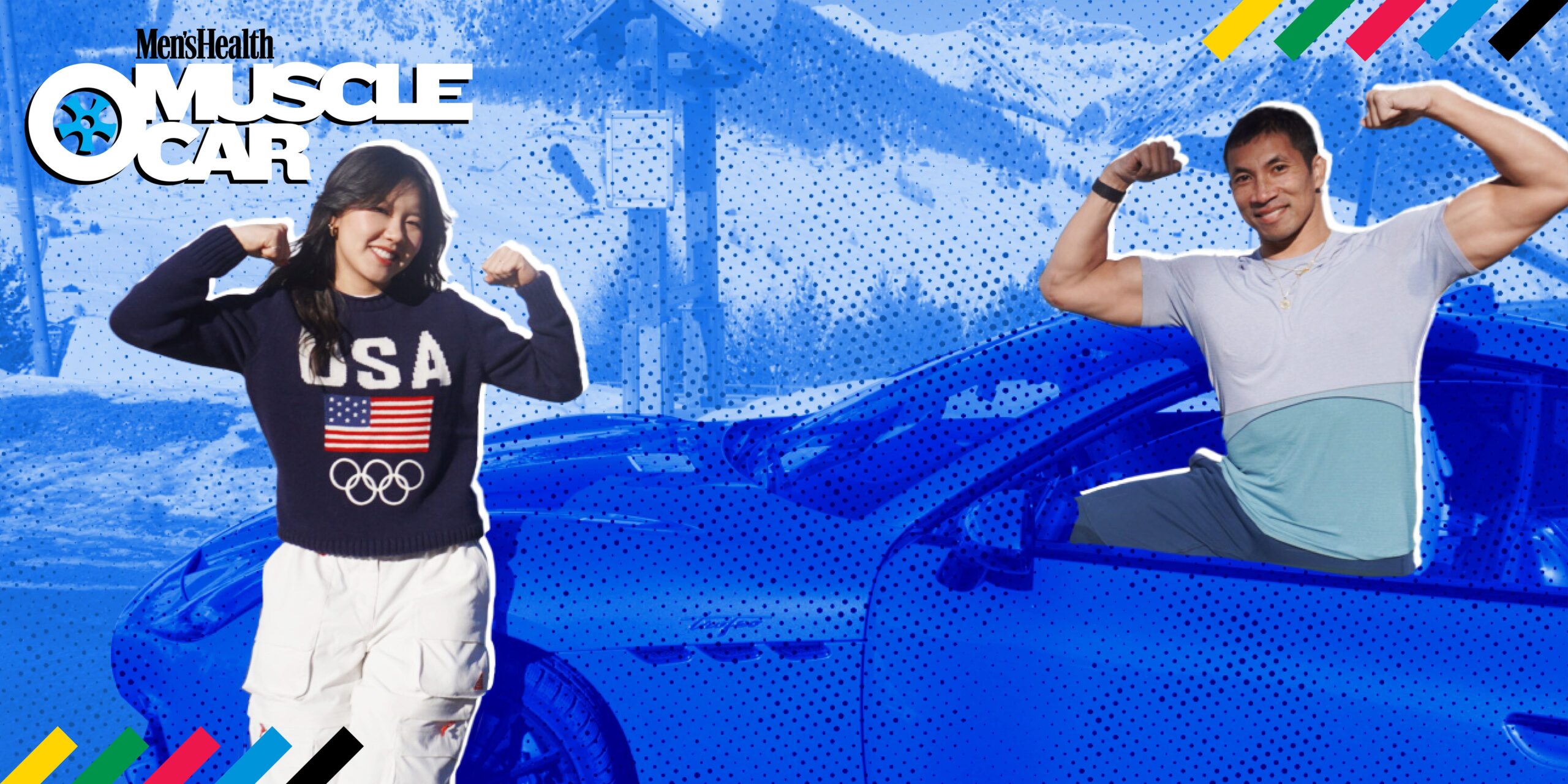
The thrill of gravity-defying jumps, the precision of carving through fresh powder, and the sheer exhilaration of a perfectly executed run – these are the hallmarks of competitive snowboarding. For aspiring athletes and fitness enthusiasts alike, understanding the dedication and training behind these feats can be incredibly inspiring. We recently had the opportunity to connect with Bea Kim, a rising star in the world of women’s halfpipe snowboarding and a member of the U.S. Olympic team, who shared insights into her rigorous training regimen, the unexpected challenges she’s overcome, and the surprising emphasis she now places on upper body strength.
Bea, at just 19 years old, is already a seasoned competitor, making her Olympic debut in the 2026 Milano-Cortina Winter Games. While her journey to the pinnacle of her sport is a testament to raw talent and relentless practice, it’s also a story of continuous learning and adaptation. Her experience offers valuable lessons for anyone looking to enhance their athletic performance, build resilience, and understand the multifaceted nature of physical conditioning.
Deconstructing the Halfpipe: More Than Just Going Up and Down
Before we delve into Bea’s training, it’s crucial to grasp the demands of her discipline. Snowboard halfpipe, as Bea eloquently describes, is essentially a U-shaped trench carved into the snow. Athletes navigate this structure by launching themselves up one wall, performing aerial maneuvers, and landing on the opposite wall, repeating this process multiple times within a single run.
"It’s like a dance," Bea explains, highlighting the intricate coordination required. "Everything has to be so well orchestrated – the tricks, the flow of the run, your own personal style, but also the technical aspect of it." This analogy underscores the blend of artistry and athleticism that defines halfpipe snowboarding. It’s not just about brute force; it’s about grace, control, and a deep understanding of body mechanics in motion.
The Physical Toll: Resilience and Recovery on the Snow
The most significant physical challenge in halfpipe snowboarding, according to Bea, is the relentless demand on the body and the ability to recover day after day. "We are on the hill for four or five hours a day and on our feet all the time, taking impacts," she states. This constant bombardment of forces places immense stress on the joints, muscles, and connective tissues.
Prioritizing Recovery: Beyond the Slopes
Bea’s approach to recovery is multi-faceted and crucial for sustaining peak performance. She emphasizes the importance of:
- Physical Therapy: Targeted interventions to address specific aches and pains are a cornerstone of her routine. This proactive approach helps prevent minor issues from escalating into more significant injuries.
- Active Recovery: After intense sessions on the snow, Bea incorporates cycling and gym work. This isn’t about pushing her limits, but rather about promoting blood flow and aiding muscle repair.
- Compression and Massage Tools: Utilizing compression boots and massage guns are integral to her recovery strategy, helping to alleviate muscle soreness and improve circulation.
For any fitness enthusiast, understanding that recovery is as vital as the workout itself is a game-changer. Incorporating active recovery and utilizing tools for muscle relief can significantly enhance your body’s ability to adapt and improve.
The Powerhouse Legs: The Foundation of Every Trick
When asked about the muscle groups that demand the most attention, Bea’s answer is unequivocal: the legs, with a particular focus on the glutes, hamstrings, and quadriceps. These muscles are the engine behind every jump, every carve, and every controlled landing.
Essential Leg Exercises for Snowboarding Strength:
Bea highlights two key exercises that form the backbone of her leg training:
- Jump Squats: These explosive movements mimic the power needed to launch off the halfpipe walls. They build explosive strength and power, essential for generating maximum height and distance.
- Bulgarian Split Squats: This single-leg exercise is critical for addressing imbalances and ensuring each leg can perform independently. Snowboarding often requires asymmetrical movements, and strong, balanced legs are paramount for stability and preventing compensatory patterns.
Practical Tip for Beginners to Intermediate: If you’re looking to build a stronger lower body for any athletic pursuit, incorporating variations of squats and lunges is fundamental. Start with bodyweight squats, gradually adding weight as you get stronger. For single-leg work, begin with standard lunges and progress to Bulgarian split squats or pistol squats as your balance and strength improve. Focus on controlled movements and proper form to maximize benefits and minimize injury risk.
The Unconventional Upper Body Focus: A Lesson Learned the Hard Way
Interestingly, Bea reveals a surprising aspect of her training: a significantly increased focus on upper body strength. This shift is a direct result of a past shoulder surgery, a stark reminder of the importance of a well-rounded physique, even in a sport that might seem primarily leg-dominant.
"I train upper body a lot more now because I had shoulder surgery almost a year ago," she shares. "Before I didn’t – and that’s kind of what led to my surgery." This candid admission offers a powerful lesson: neglecting crucial muscle groups can have serious consequences.
Why Upper Body Strength Matters in Snowboarding:
While the legs provide the primary propulsion, the upper body plays a vital role in:

- Balance and Stability: The arms and core are essential for maintaining equilibrium during complex aerial maneuvers and on uneven terrain. A strong upper body helps you stay centered and in control.
- Impact Absorption: During falls, a strong upper body can help protect the head and shoulders. Learning to fall safely is a critical skill in snowboarding, and a well-conditioned upper body contributes to this. Bea emphasizes, "A big way of preserving yourself and having longevity in the sport is being able to take slams. The biggest thing is learning how to protect your arms and your head."
- Momentum and Control: In some tricks, arm movements can influence rotation and momentum, adding another layer of control to aerial maneuvers.
Actionable Advice for Fitness Enthusiasts: Don’t underestimate the power of your upper body, even if your primary sport or fitness goals don’t seem to directly involve it. Incorporating exercises like:
- Push-ups: A foundational exercise for chest, shoulders, and triceps.
- Rows (dumbbell or cable): Essential for back strength, posture, and shoulder health.
- Overhead Press: Develops shoulder strength and stability.
- Planks and their variations: Crucial for core strength, which directly supports upper body stability.
Focus on controlled movements and progressively increasing the resistance. This will not only enhance your overall athleticism but also build resilience against injuries.
Navigating the Olympic Village: Beyond the Competition
The Olympic Games are more than just the competition; they are a unique cultural experience. Bea offers a glimpse into life in the Village, from the culinary offerings to the camaraderie amongst athletes.
Fueling for Performance: Protein and the Occasional Indulgence
When it comes to nutrition, Bea prioritizes protein for recovery and muscle repair. However, she also admits to the occasional, perhaps less conventional, choice: bacon. "I’ve been eating a lot of bacon, which I know is not great for my heart," she confesses with a smile. "I’m banking on the fact that I’m young-ish, and that hopefully it’ll be okay."
This lighthearted take on nutrition reminds us that while disciplined eating is crucial, a balanced approach that allows for occasional treats can be sustainable. The key is moderation and understanding the trade-offs. For most fitness enthusiasts, focusing on lean protein sources, complex carbohydrates, and healthy fats will provide the optimal foundation for performance and recovery.
The Art of Pin Trading and Athlete Camaraderie
A unique aspect of the Olympic experience is pin trading, a tradition that fosters connection and shared excitement. Bea finds herself in a humorous predicament: "Everyone already has the USA pin, so nobody wants to trade pins with me." This playful anecdote highlights the global community that gathers at the Games.
Despite the competitive nature of their sports, Bea speaks of an "underlying respect that everybody has for each other." Witnessing fellow athletes push their limits on the world’s biggest stage is, for her, "super special." This sense of shared experience and mutual admiration transcends individual disciplines and nationalities.
Mentorship and Inspiration: The Chloe Kim Connection
The presence of fellow U.S. halfpipe snowboarder Chloe Kim, a legend in the sport, has been invaluable for Bea. Despite sharing the same last name and facing similar physical challenges (both have dealt with shoulder injuries), their relationship is one of mentorship and support.
"Chloe’s been awesome," Bea says warmly. "She’s been a mentor, big sister, just a friend. She’s been super great. Just kind of showing me the ropes, and I feel super lucky to have her." This demonstrates the power of having role models and a supportive network, especially for younger athletes navigating the pressures of elite competition.
Quickfire Insights: Bea’s Training Philosophy
In a rapid-fire Q&A, Bea offers concise insights into her training priorities:
- Strength or Cardio? Strength. While endurance is important, the explosive power and stability required for snowboarding lean heavily on strength training.
- Fiber or Protein? Protein. Essential for muscle repair and growth, especially after intense physical demands.
- Competition Superstition? A keychain from her best friend, a small token of connection and luck.
Pushing Your Limits, On and Off the Snow
Bea Kim’s journey to the Olympic stage is a powerful reminder that athletic success is a multifaceted endeavor. It requires not only innate talent and relentless dedication but also a deep understanding of the body, a commitment to recovery, and the wisdom to adapt and learn from every experience – including injuries.
For those of us who aren’t professional snowboarders, Bea’s insights offer valuable lessons:
- Embrace a Holistic Approach to Training: Don’t neglect any aspect of your physical conditioning. A balanced approach that includes strength, cardio, and flexibility will lead to better performance and reduced injury risk.
- Prioritize Recovery: Treat recovery with the same seriousness as your workouts. Adequate rest, proper nutrition, and active recovery techniques are essential for progress.
- Listen to Your Body: Pay attention to signals of fatigue or pain. Proactive interventions, like physical therapy or addressing imbalances, can prevent minor issues from becoming major setbacks.
- Seek Inspiration and Support: Surround yourself with positive influences and learn from those who have paved the way.
- Find Joy in the Process: Whether you’re carving down a mountain or hitting the gym, find what motivates you and enjoy the journey of becoming a stronger, healthier you.
Bea Kim’s story is one of courage, resilience, and a profound understanding of what it takes to excel. As she continues to inspire on the slopes, her journey serves as a potent reminder that with the right training, a dedication to recovery, and an open mind, we can all achieve our fitness goals and push beyond our perceived limits. The mountain is waiting – are you ready to ascend?