Winter. It’s a season that demands respect, and for those of us who refuse to let the cold dictate our active lifestyles, it also demands a strategic approach to dressing. Gone are the days of simply throwing on a bulky sweater and calling it a day. Modern life, with its fluctuating temperatures from outdoor commutes to overheated offices and gym sessions, requires a more intelligent system. The goal? To stay warm, comfortable, and, importantly, to look good doing it, avoiding that all-too-common pitfall of resembling a walking, poorly organized laundry pile.

This isn’t about fashion trends; it’s about functional style that supports your fitness journey through the colder months. Whether you’re braving the elements for your morning run, heading to an important meeting, or hitting the gym after a long day, mastering the art of layering is your key to conquering winter. Let’s break down how to build an effective and stylish winter wardrobe, one layer at a time.

The Foundation: Your Base Layer’s Crucial Role
This is where many men stumble, opting for thin, almost underwear-like fabrics that fail to perform. Your base layer isn’t just an undergarment; it’s the critical first line of defense against the cold, and it should be something you’re comfortable being seen in once your outer layers come off.

Think of your base layer as the intelligent skin of your outfit. It needs to manage moisture, regulate temperature, and provide a comfortable foundation for everything else. Avoid anything too flimsy or overtly athletic unless you’re heading directly to a workout. Instead, prioritize natural fibers like merino wool, high-quality cotton, or a performance blend. These materials excel at regulating your body temperature, wicking away sweat, and resisting odor – crucial for staying comfortable on a stuffy commute or during a brisk walk.

- Merino Wool: Renowned for its exceptional warmth-to-weight ratio, natural odor resistance, and breathability. It stays warm even when damp.
- High-Quality Cotton: For milder cold, a substantial cotton tee or long-sleeve can be comfortable and breathable. However, be mindful that cotton can hold moisture if you sweat heavily.
- Performance Blends: Many synthetic blends are engineered to wick moisture effectively and offer excellent durability, often combined with natural fibers for enhanced comfort.
The key is a fabric that feels good against your skin and actively works with your body, not against it. If your base layer feels inadequate on its own, the entire layering system is compromised, leaving you feeling either too cold or uncomfortably warm and clammy.

Building the Mid-Layer: Where Style Meets Substance
If the base layer is about function, the mid-layer is where your personal style truly begins to shine. This is the piece that adds visual interest and provides a significant portion of your warmth. It’s also the layer you’ll likely wear indoors, so it needs to look polished and feel comfortable.

This is your opportunity to inject personality into your winter ensemble. Consider:

- Brushed Flannels: A classic for a reason, a well-fitting flannel shirt offers warmth, texture, and a rugged yet refined aesthetic.
- Sweaters: From chunky knits to fine merino wool, sweaters are indispensable. Opt for crewnecks, V-necks, or turtlenecks that can be layered effectively.
- Knit Polos: A more sophisticated alternative to a traditional polo shirt, a knit polo adds a touch of texture and warmth.
- Lightweight Fleeces: Choose fleeces that have a clean design and aren’t overly technical, so they don’t scream "hiking trip" when you’re at your desk. A sleek fleece jacket or pullover can be a fantastic insulator.
- Overshirts/Shackets: These hybrid garments bridge the gap between a shirt and a light jacket, offering an extra layer of warmth and a stylish silhouette.
The mid-layer should be warm enough to provide significant insulation but breathable enough to prevent overheating when you move indoors. It should be easy to remove if needed, but also presentable enough to wear throughout the day. Think about how it pairs with your base layer and how it will look peeking out from under your outerwear.

The Core of Warmth: Insulating Layers That Don’t Bulk
When most people think of staying warm, they envision thick, heavy garments. However, true warmth in winter layering comes from trapping air efficiently, not from sheer mass. The best insulating layers offer a high warmth-to-weight ratio, meaning they keep you toasty without making you feel like the Michelin Man.

This is where advanced materials and smart design come into play. Look for:

- Responsibly Sourced Down: Known for its incredible loft and ability to trap air, down is exceptionally warm for its weight. Look for jackets and vests that use high fill power down for maximum insulation.
- Merino Wool (Again!): Its natural crimp creates air pockets that trap heat effectively. A merino wool cardigan or sweater can be a surprisingly warm mid-layer.
- Synthetic Insulation: Materials like Primaloft or Coreloft are designed to mimic the warmth of down while offering better performance in damp conditions. They are often found in technical jackets and vests.
Your insulating layer should be compressible, meaning it can easily fit under your outerwear without creating an overly bulky silhouette. A packable down puffer jacket or a slim wool cardigan are excellent choices. This layer is your secret weapon against the biting cold, working silently to keep you comfortable when temperatures plummet.

The Outer Shell: Protection Against the Elements
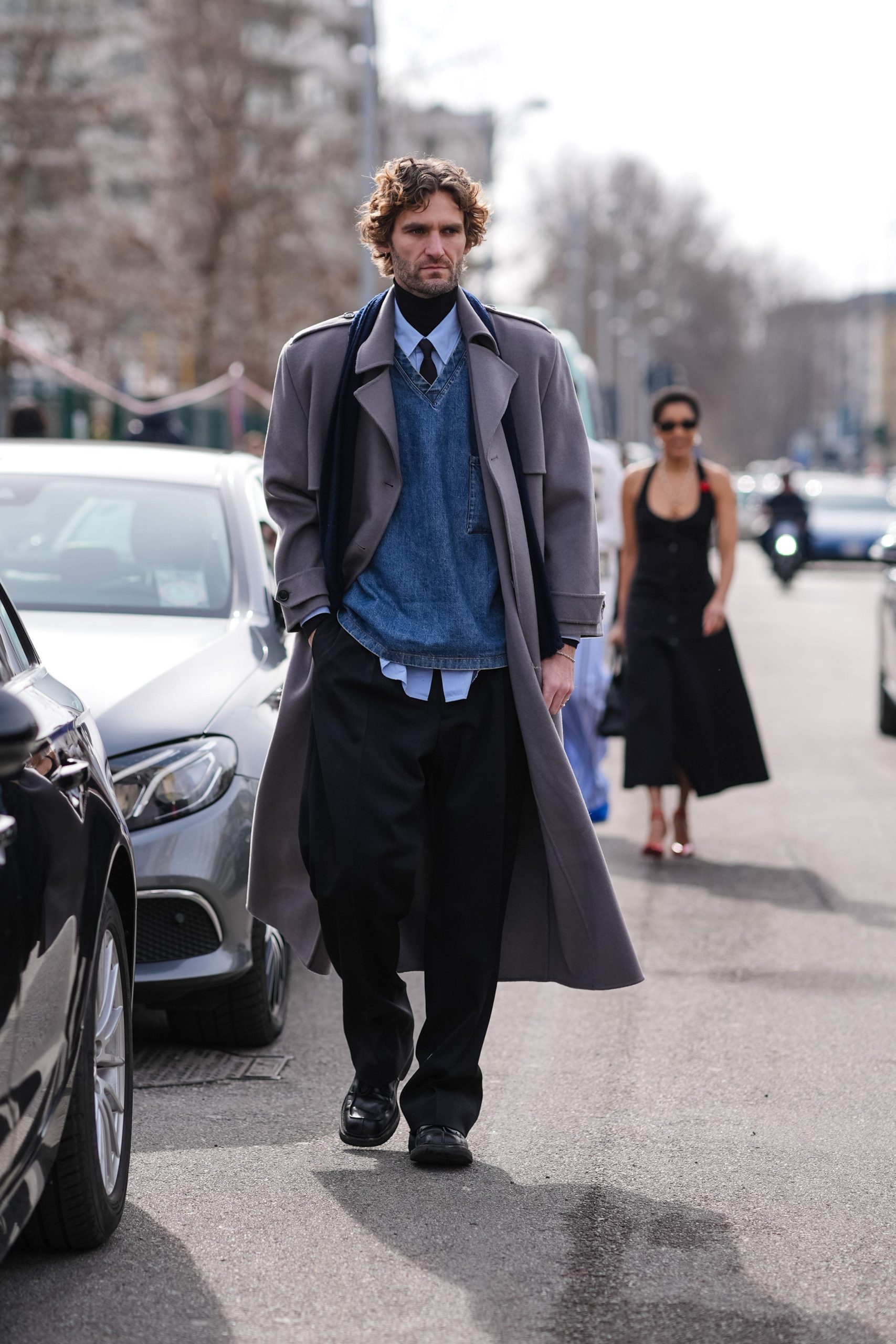
Your outerwear is the final, and perhaps most visible, component of your winter layering system. It’s not just about aesthetics; it’s about protection. A well-chosen coat or jacket should shield you from wind, rain, and snow, while also providing enough space to comfortably accommodate your base and mid-layers.

When selecting outerwear, consider:

- Wind and Water Resistance: Essential for staying dry and preventing that bone-chilling wind from penetrating your layers. Look for materials with durable water repellent (DWR) finishes or fully waterproof membranes.
- Breathability: While you want protection from the elements, you also need your outer layer to allow moisture vapor to escape, preventing you from getting clammy from the inside out.
- Fit and Room: Crucially, your outerwear must be large enough to accommodate your inner layers without feeling restrictive. If you can’t comfortably zip it over a sweater and insulated vest, it’s not the right winter coat for your needs.
- Coverage: A longer coat, like a parka or a wool topcoat, offers more protection for your legs and lower body, which is invaluable during long commutes or walks.
Whether you opt for a technical parka, a classic wool topcoat, or a versatile shell jacket, ensure it’s a true workhorse that complements your layering strategy and performs when you need it most.

The Unsung Heroes: Don’t Overlook the Micro-Layers
Often overlooked, these smaller accessories can make a significant difference in your overall comfort and warmth. They are the fine-tuners of your winter wardrobe, allowing you to adjust your thermal regulation without changing your entire outfit.

- Headwear: A warm beanie is non-negotiable. It prevents heat loss from your head and keeps your ears protected from the wind.
- Scarves: Invest in a quality scarf made from wool, cashmere, or even a stylish leather option. It’s your first line of defense against cold air hitting your neck and chest.
- Gloves: Look for gloves that offer warmth but also allow for dexterity. Touchscreen compatibility is a modern essential, letting you use your phone without exposing your hands to the cold.
- Socks: Don’t underestimate the power of good socks. Opt for wool blends that provide warmth, cushioning, and moisture-wicking properties. Ensure they are tall enough to tuck into boots or over thermal leggings without bunching.
These "micro-layers" are your secret weapons for adapting to changing temperatures throughout the day. A quick adjustment of your scarf, the removal of your gloves, or the addition of a beanie can drastically alter your comfort level.

Putting It All Together: A Practical Approach
Let’s visualize this in action. Imagine you’re heading out for a chilly morning commute:

- Base Layer: A merino wool long-sleeve t-shirt. It’s comfortable, breathable, and odor-resistant.
- Mid-Layer: A subtly textured knit sweater. It adds warmth and a touch of style.
- Insulating Layer: A packable down vest. It provides core warmth without adding bulk under your jacket.
- Outerwear: A windproof and water-resistant parka. It’s roomy enough for the layers beneath and offers protection from the elements.
- Micro-Layers: A wool beanie, a warm scarf, and touchscreen-compatible gloves.
As you transition from the cold outdoors to the warmth of public transport, you can easily shed your outer layers or adjust your scarf. Arriving at the office, you might remove the vest and perhaps even the sweater, leaving you comfortable and presentable in your base layer and a light mid-layer if needed.

Real-Life Example:

Consider a weekend hike followed by a casual lunch.

- Hiking: Start with a moisture-wicking base layer, a fleece mid-layer for insulation, and a technical shell jacket to protect against wind and potential rain. Add a warm hat and gloves.
- Transitioning to Lunch: As you cool down, you might add a down vest over your fleece for extra warmth. The shell jacket can be removed and tied around your waist or packed away if it’s no longer needed. The hat and gloves can be tucked into pockets.
This layered approach ensures you’re never too hot or too cold, and you can adapt to any situation with ease.

Conclusion: Embrace the Winter, Conquer the Cold
Mastering winter layering is an investment in your comfort, your health, and your confidence. It’s about building a system that works with your body and your lifestyle, allowing you to embrace the colder months with enthusiasm rather than dread. By focusing on quality base layers, versatile mid-layers, efficient insulators, and protective outerwear, you can stay warm, dry, and stylish, no matter what winter throws your way.

So, shed the bulky, shapeless layers of the past. Embrace the power of intelligent layering, and step out into the winter world ready to conquer your fitness goals and navigate your day with comfort and style. Remember, the cold is just a season; your preparedness is year-round.