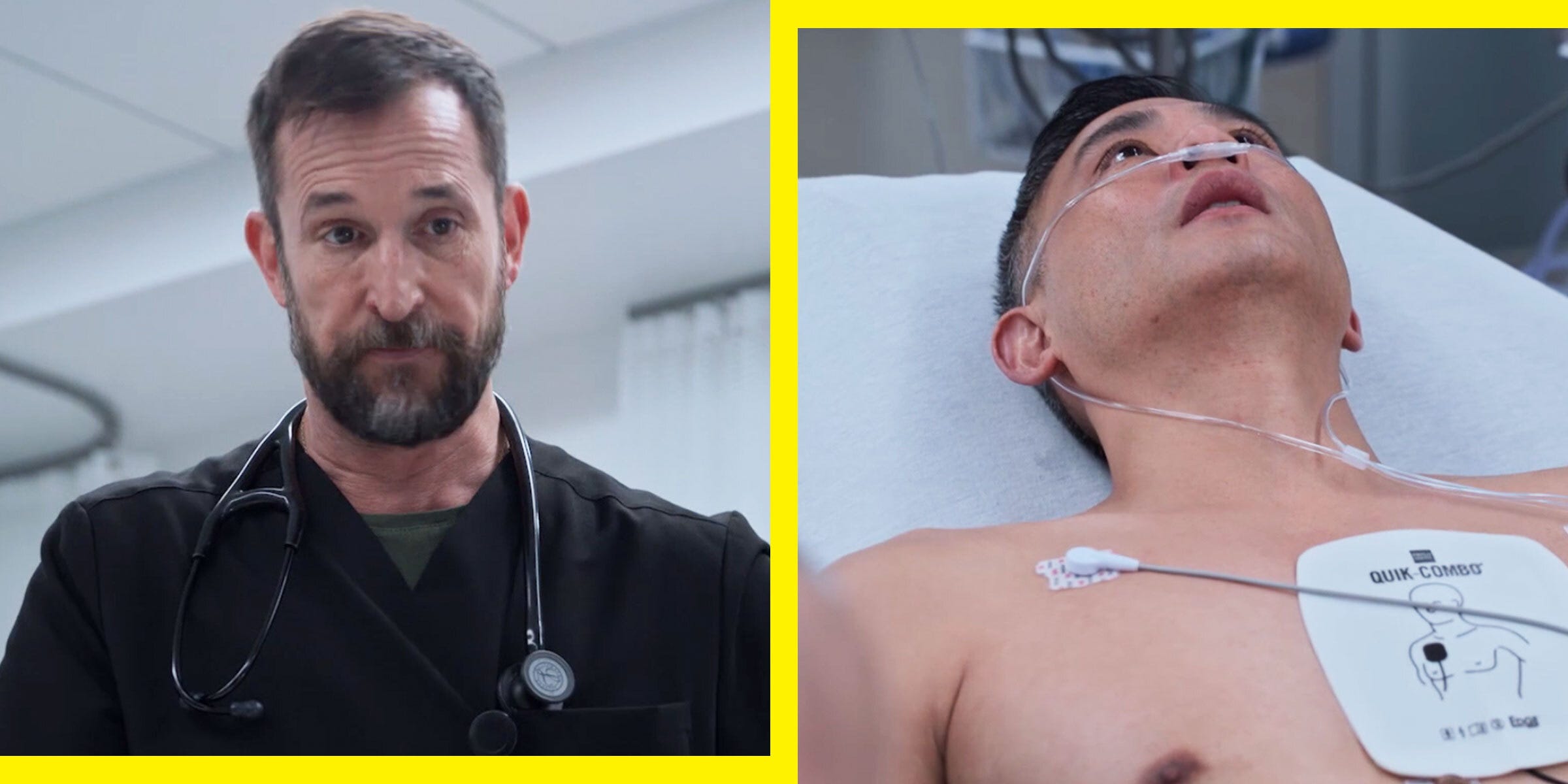
The dramatic events unfolding in "The Pitt" season 2, episode 3, "9:00 A.M." offer a stark reminder of the unpredictable nature of life. Witnessing the swift and skilled response of the ER team to a severe car accident involving Mr. and Mrs. Yee provides a gripping narrative of medical expertise under pressure. While the show masterfully depicts the urgency of life-saving interventions, it also subtly underscores the importance of preparedness, resilience, and understanding our bodies – principles that resonate deeply within the fitness community.
This article delves into the medical scenarios presented in the episode, drawing insights from an ER doctor’s perspective to illuminate how these real-world challenges mirror the underlying principles of building a strong, healthy, and resilient body. We’ll explore the medical assessments, the critical nature of timely treatment, and the fascinating, albeit rare, conditions that can arise from significant physical trauma.
The Trauma Bay: A Snapshot of Rapid Assessment and Intervention
The episode immediately plunges us into the chaos of the ER, with Mr. and Mrs. Yee arriving after a serious car crash. The medical team, led by Dr. Robby and Dr. Al-Hashimi, springs into action with remarkable efficiency. This immediate, decisive response is the hallmark of emergency medicine, and it mirrors the principles of effective training.
The Primary and Secondary Survey: Your Body’s Emergency Protocol
Dr. Robert Glatter, an Assistant Professor of Emergency Medicine, provides valuable insight into the medical assessments performed. He highlights the "primary and secondary survey" method, a systematic approach to identify immediate life threats.

- Primary Survey: This rapid assessment focuses on the ABCs – Airway, Breathing, and Circulation. In a fitness context, this translates to understanding your body’s fundamental capabilities. Can you breathe deeply and effectively during exertion? Is your cardiovascular system robust enough to handle the demands of your workout?
- Secondary Survey: This involves a more detailed examination, looking for injuries to extremities, neurological deficits, and other potential issues. For us, this is akin to performing a thorough warm-up and cool-down, assessing for any muscle imbalances, joint restrictions, or areas of discomfort that could lead to injury.
Neurological Integrity: The Spine’s Crucial Role
Mr. Yee’s initial presentation of flaccid paralysis, a widespread weakness in his limbs, immediately raises concerns about spinal cord injury. The mention of the phrenic nerve, which controls breathing, and the mnemonic "C3, 4, 5 keeps the diaphragm alive" underscores the intricate connection between our nervous system and vital functions.
Fitness Connection:
While we aren’t typically dealing with spinal cord injuries in the gym, maintaining good posture and spinal alignment is paramount for injury prevention and optimal performance.
- Core Strength: A strong core acts as a natural brace for your spine, protecting it during dynamic movements. Exercises like planks, bird-dogs, and Russian twists are essential.
- Proper Form: Never sacrifice form for weight or speed. Incorrect lifting techniques can put undue stress on your spine.
- Flexibility: Maintaining flexibility in your hamstrings, hips, and back can help prevent compensatory movements that strain your spine.
The "Seat Belt Sign": Recognizing Hidden Dangers
Mrs. Yee’s initial refusal of medical attention, followed by her collapse due to internal bleeding, vividly illustrates the dangers of underestimating trauma, especially after a car accident. The "seat belt sign" – bruising over the abdomen and chest – is a critical indicator of potential internal organ damage.
Dr. Glatter explains that this sign suggests injuries to vital organs like the spleen or liver, and that refusing medical assessment at the scene is a missed opportunity to address internal bleeding.

Fitness Connection:
This scenario serves as a powerful reminder for us in the fitness world:
- Listen to Your Body: Just as Mrs. Yee’s initial refusal had dire consequences, ignoring persistent pain or unusual sensations during a workout can lead to more serious injuries down the line. Don’t push through sharp or sudden pain.
- Post-Workout Awareness: Pay attention to how your body feels after a challenging session. Unusual soreness, fatigue, or discomfort that persists for more than a couple of days warrants attention.
- Seek Professional Guidance: If you experience an injury, even a seemingly minor one, consult with a healthcare professional or a qualified physical therapist. Early intervention can prevent long-term complications.
The Medical Interventions: A Testament to Skill and Adaptability
The ER team’s response to Mrs. Yee’s deteriorating condition is a masterclass in adaptive medical care. Dr. Robby’s quick decision to order a blood transfusion and intubate her highlights the critical need for prompt and decisive action when dealing with significant blood loss and compromised airways.
Fitness Connection:
This emphasizes the importance of being prepared and having a plan, both in medicine and in fitness:
- Workout Planning: Have a structured workout plan that progresses gradually. Avoid random workouts that might push you too hard, too soon.
- Emergency Preparedness: While not as dramatic as an ER scenario, think about having a plan for unexpected situations. If you’re training alone, let someone know where you are and when you expect to finish.
- Hydration and Nutrition: Proper hydration and nutrition are your body’s essential "fluids" and "energy sources." Don’t neglect them, as they are crucial for recovery and performance.
Hypokalemic Periodic Paralysis (HPP): When the Body Behaves Unpredictably
The diagnosis of hypokalemic periodic paralysis (HPP) in Mr. Yee’s case adds a fascinating layer to the episode. Dr. Glatter explains that this is a rare genetic disorder characterized by episodes of widespread weakness, often triggered by stress, trauma, or dietary factors. The car accident acted as a significant shock to Mr. Yee’s system, precipitating an HPP episode.

Fitness Connection:
While HPP is a specific medical condition, it highlights the intricate interplay between our bodies and various physiological triggers, which has relevance to our fitness journeys:
- Stress Management: Chronic stress can negatively impact your physical health and recovery. Incorporating stress-reducing activities like meditation, yoga, or deep breathing exercises into your routine can be beneficial.
- Post-Exercise Recovery: Intense exercise can deplete electrolytes and trigger temporary muscle fatigue. Proper post-workout nutrition, including electrolytes and carbohydrates, can aid recovery and prevent muscle cramps.
- Listen to Your Limits: Understanding your body’s signals is key. If you’re feeling overly fatigued or experiencing unusual weakness, it might be a sign to dial back the intensity or take a rest day. Pushing through extreme exhaustion can sometimes lead to adverse reactions.
Actionable Advice for Fitness Enthusiasts: Building Your Own Resilience
The dramatic events of "The Pitt" season 2, episode 3, while fictional, offer valuable lessons that we can integrate into our own fitness journeys. The core principles of preparedness, careful assessment, prompt action, and understanding our body’s unique responses are universally applicable.
1. Master the Fundamentals: Your Body’s Primary Survey
Before attempting any new exercise or pushing your limits, ensure you have a solid foundation.
- Breathing Techniques: Practice diaphragmatic breathing. This enhances oxygen intake, improves core stability, and calms the nervous system.
- Basic Strength: Develop a strong base of fundamental strength through compound movements like squats, deadlifts, push-ups, and rows. These build functional strength that translates to everyday life and athletic performance.
- Cardiovascular Health: Engage in regular aerobic activity to build a resilient heart and lungs. Aim for at least 150 minutes of moderate-intensity or 75 minutes of vigorous-intensity aerobic activity per week.
2. Prioritize Injury Prevention: The "Seat Belt" of Your Workout
Just as a seat belt can mitigate severe injury, proactive measures can prevent setbacks in your fitness routine.

- Dynamic Warm-ups: Dedicate 5-10 minutes to dynamic stretching before each workout. This prepares your muscles and joints for movement, increasing blood flow and reducing the risk of strains. Examples include leg swings, arm circles, torso twists, and high knees.
- Proper Form is Non-Negotiable: Watch instructional videos, consider hiring a trainer for a few sessions, or ask experienced gym-goers for feedback on your form. It’s better to lift lighter with perfect form than heavier with poor form.
- Listen to Your Body: Differentiate between muscle soreness (DOMS) and actual pain. If you feel sharp, stabbing, or persistent pain, stop the exercise immediately.
- Cool-Down and Stretching: Spend 5-10 minutes cooling down with static stretches after your workout. This helps improve flexibility and aids in muscle recovery.
3. Embrace Adaptability and Smart Progression
The ER doctors constantly adapt to changing patient conditions. Similarly, your fitness journey should be dynamic.
- Progressive Overload: Gradually increase the intensity, duration, or frequency of your workouts to continue challenging your body and making progress. Don’t try to do too much too soon.
- Listen to Your Energy Levels: If you’re feeling particularly tired or stressed, consider a lighter workout, active recovery, or a rest day. Pushing too hard when your body is depleted can lead to overtraining and injury.
- Variety is Key: Incorporate different types of training – strength, cardio, flexibility, and even mind-body practices like yoga or tai chi. This prevents plateaus and reduces the risk of overuse injuries.
4. Understand Your Body’s Triggers and Recovery Needs
The mention of HPP and its triggers reminds us that our bodies react to various internal and external factors.
- Nutrition Matters: Fuel your body with a balanced diet rich in whole foods. Pay attention to how different foods affect your energy levels and recovery. Adequate protein intake is crucial for muscle repair.
- Hydration is Essential: Water is vital for all bodily functions, including muscle performance and temperature regulation.
- Sleep is Your Superpower: Aim for 7-9 hours of quality sleep per night. This is when your body repairs and rebuilds muscle tissue, and when crucial hormonal balance is maintained.
5. When in Doubt, Seek Expert Advice
The medical team in "The Pitt" relies on their extensive knowledge and consults with specialists.
- Fitness Professionals: If you’re unsure about an exercise, program, or experiencing persistent discomfort, consult a certified personal trainer or a sports physiotherapist.
- Healthcare Providers: For any health concerns or injuries that seem serious, always consult with a doctor or other qualified healthcare professional.
Conclusion: Building Resilience, One Workout at a Time
"The Pitt" season 2, episode 3, offers a dramatic portrayal of medical emergencies, but its underlying themes of preparedness, expert assessment, and swift intervention hold profound lessons for our own lives, especially our fitness journeys. By understanding the fundamentals of our bodies, prioritizing injury prevention, embracing adaptable training, and respecting our recovery needs, we can build a foundation of resilience that allows us to navigate challenges and thrive.

Just as the ER doctors in the show embody competence and dedication, we too can approach our fitness with a similar mindset. It’s about continuous learning, making informed decisions, and consistently showing up for ourselves. Every workout, every healthy meal, and every moment of mindful recovery is a step towards building a stronger, healthier, and more capable you. So, let the drama of "The Pitt" inspire you not to fear the unexpected, but to be better prepared to face it, both in life and in your pursuit of peak physical well-being.