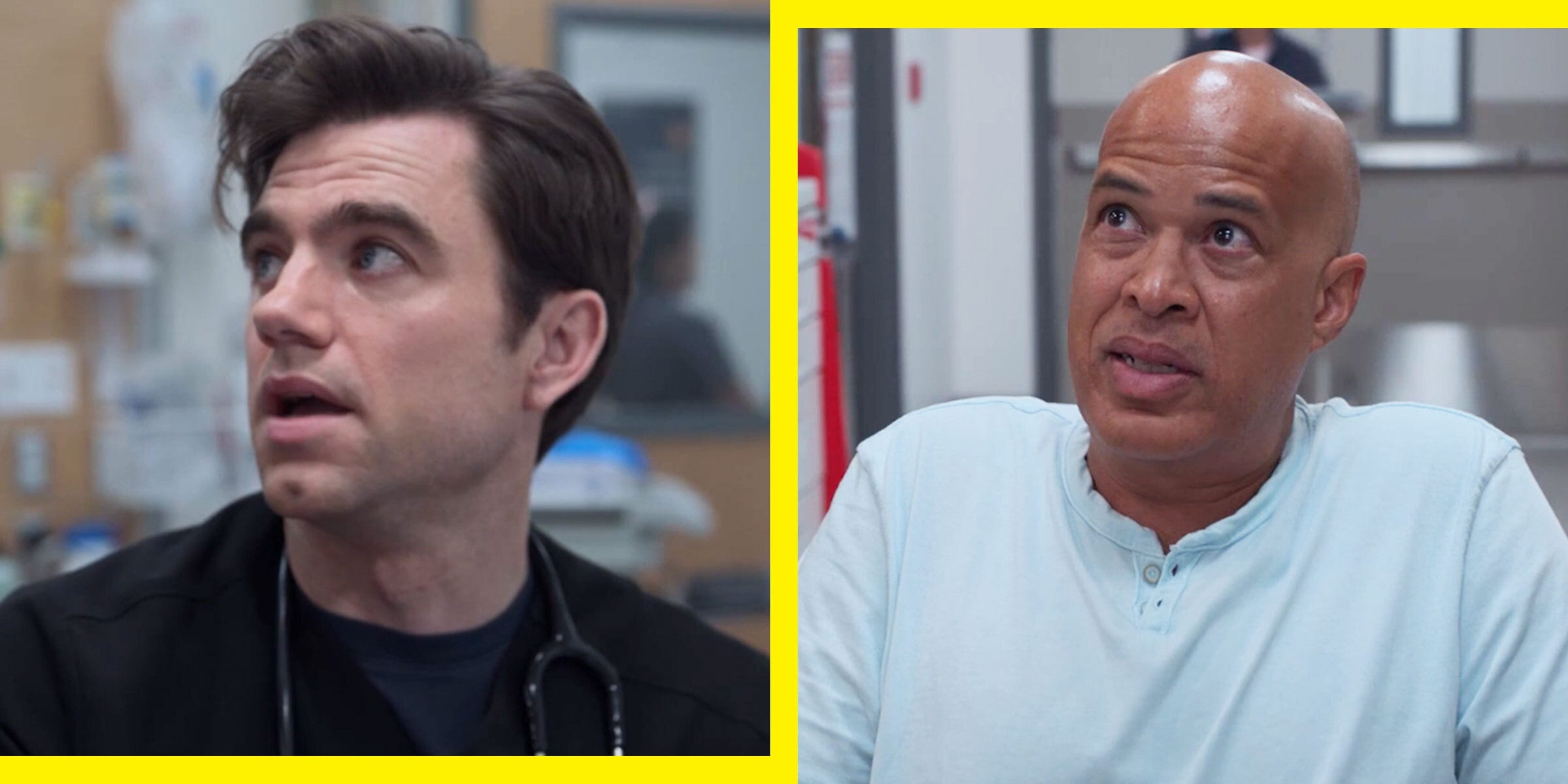
In the fast-paced world of emergency medicine, every moment counts. Sometimes, the most unexpected situations land on the doorstep of the ER, challenging even the most seasoned medical professionals. The popular medical drama, "The Pitt," has a knack for showcasing these intense scenarios, and its latest season delivered a particularly memorable one involving a patient experiencing a prolonged, and frankly, alarming, medical event. While the show offers a dramatized glimpse into the chaos and dedication of hospital life, it also serves as a potent reminder of the importance of understanding our bodies and seeking timely medical attention.
This article delves into a specific storyline from "The Pitt" season 2, episode 1, "8:00 AM," and offers insights from a seasoned ER doctor, Dr. Robert Glatter. We’ll explore the medical realities behind the on-screen drama, but more importantly, we’ll translate these lessons into actionable advice for your own fitness and well-being journey. Because while you might not be facing a life-or-death medical emergency every day, the principles of proactive health, understanding your body’s signals, and seeking help when needed are universal.
The Scenario: A Prolonged Medical Event in "The Pitt"
The episode introduces us to Mr. Randall, a patient presenting with a distressing and prolonged medical condition: an erection lasting for an astonishing eight hours. This isn’t just an awkward situation; as the ER doctors quickly ascertain, it’s a genuine medical emergency. Mr. Randall’s attempt to create a special moment for his 20th wedding anniversary, using double the recommended dosage of erectile dysfunction medication injections, led to this critical state.
The medical team, including Drs. Langdon, Santos, King, and Al-Hashimi, swings into action. The core of their intervention involves draining the blood from the affected area, a procedure known medically as aspirating blood from the penis after administering intracavernosal injections of agents like phenylephrine. Simultaneously, one of the doctors is dealing with the stress of a malpractice lawsuit, adding another layer of complexity to the already tense environment.

An ER Doctor’s Perspective: Separating Fact from Fiction
Dr. Robert Glatter, Assistant Professor of Emergency Medicine at Lenox Hill Hospital and a member of the MH Advisory Board, provides a crucial real-world perspective on this on-screen event.
The Urgency of the Situation: More Than Just an Inconvenience
Dr. Glatter emphasizes that Mr. Randall’s situation is indeed a serious medical emergency. He notes that prolonged erections, often referred to as priapism, are not uncommon, especially when individuals don’t achieve the desired results from initial injections and attempt self-treatment. The danger lies in the potential for irreversible damage.
- Tissue Damage: An erection lasting beyond 4-6 hours can lead to the death of penile tissue.
- Vascular Injury: Blood vessels can be permanently damaged.
- Permanent Erectile Dysfunction (ED): The long-term consequence can be the inability to achieve or maintain an erection.
Dr. Glatter’s strong message is clear: what might seem like a private or embarrassing issue can have devastating and life-altering consequences if not addressed promptly. The desire for a special moment should never overshadow the critical need for immediate medical attention when the body sends urgent signals.
The Diagnostic Process: What the Doctors Missed (and What You Should Know)
While "The Pitt" portrays the medical team’s efficiency, Dr. Glatter points out areas where the on-screen doctors could have been more thorough, offering valuable lessons for us all.

- Thorough Medical History is Paramount: Dr. Langdon’s initial questioning, focusing on the anniversary, was deemed insufficient. In a real ER setting, a comprehensive medical history is vital. This includes inquiries about:
- Pre-existing conditions: High blood pressure, heart disease, diabetes, or a history of aneurysms can influence treatment decisions and risks.
- Medication history: Understanding all medications, including over-the-counter drugs and supplements, is crucial.
- Substance use: Alcohol or recreational drugs can play a role in the presentation and management of certain conditions.
The Treatment: Realities and Nuances
The episode depicts the procedure to alleviate the prolonged erection, which involves aspirating blood. Dr. Glatter confirms this is the correct technique but highlights some practical differences:
- Pain Management: While a local anesthetic is used, the reality of such a procedure can involve significant pain. Continuous cardiac monitoring and blood pressure monitoring are essential due to the potential for physiological stress.
- Procedure Duration: The show might condense the time it takes for the procedure. Dr. Glatter notes that it can realistically take 1-2 hours, and sometimes longer, depending on the severity and duration of the priapism.
- What NOT to Do: Dr. Al-Hashimi’s suggestion of penile massage is strongly discouraged by Dr. Glatter in cases of prolonged priapism. Improper or forceful manipulation could lead to a penile fracture, a serious injury requiring further medical intervention.
Professionalism Under Pressure: The Importance of Focus
One aspect Dr. Glatter found concerning was the doctors’ personal banter, particularly about Dr. King’s malpractice lawsuit, while attending to a patient in distress. He stressed that the primary focus in an ER should always be on the patient’s well-being, comfort, and care. Discussing personal issues in such a critical moment is unprofessional and can undermine patient confidence and the overall therapeutic environment.
Translating Medical Drama to Fitness and Wellness: Your Own Health Journey
While you may not be undergoing a procedure depicted on "The Pitt," the underlying themes resonate deeply with anyone pursuing a healthier lifestyle. Here’s how to apply these lessons:
H2: Understanding Your Body’s Signals: The Foundation of Proactive Health
Just as Mr. Randall’s prolonged erection was a critical signal, your body constantly communicates its needs. Ignoring these signals can lead to more significant problems down the line.

H3: Listen to Your Discomfort: Beyond the Gym Floor
- Persistent Pain: Don’t push through sharp, shooting, or persistent pain during or after workouts. This could indicate an injury that needs attention, not just a sign of a tough session.
- Unusual Fatigue: While training can be tiring, chronic, debilitating fatigue could signal overtraining, nutritional deficiencies, or underlying medical issues.
- Changes in Bodily Functions: Any significant and unexplained changes in digestion, sleep patterns, or energy levels warrant investigation.
H3: Proactive Health Checks: Your Personal ER Preparedness
- Regular Doctor Visits: Schedule annual check-ups, even if you feel perfectly healthy. These visits allow for early detection of potential issues.
- Know Your Numbers: Be aware of your blood pressure, cholesterol levels, and blood sugar. These are key indicators of cardiovascular health.
- Discuss Your Fitness Goals: Talk to your doctor about your exercise plans, especially if you have any pre-existing health conditions. They can offer personalized advice and help you avoid potential pitfalls.
H2: The Importance of Professional Guidance: Don’t Self-Diagnose or Self-Treat
The scenario with Mr. Randall highlights the dangers of self-treating serious conditions. This principle extends to your fitness journey.
H3: Seek Expert Advice for Your Training
- Qualified Fitness Professionals: If you’re new to exercise or looking to advance your training, consider working with a certified personal trainer. They can design safe and effective programs tailored to your goals and physical condition.
- Nutritionists and Dietitians: For personalized dietary advice, consult a registered dietitian or nutritionist. Avoid fad diets and unproven supplements.
- Physical Therapists: If you experience an injury, a physical therapist can guide your recovery and help you regain strength and function.
H3: When in Doubt, Consult a Medical Professional
- Don’t Gamble with Your Health: If you experience any unusual or concerning symptoms, whether related to exercise or not, don’t hesitate to seek professional medical advice. It’s always better to be safe than sorry.
- Understand Your Medications: If you’re using any performance-enhancing supplements or medications, discuss them thoroughly with your doctor. Understand the risks and benefits.
H2: The Power of the Right Approach: Strategy Over Brute Force
Mr. Randall’s situation stemmed from an attempt to force a desired outcome with excessive means. In fitness, this translates to the importance of smart, strategic training.
H3: Progressive Overload: The Smart Way to Build Strength
Instead of trying to lift impossibly heavy weights immediately, focus on progressive overload. This means gradually increasing the demand on your muscles over time.
- Increase Weight: Add small increments of weight to your lifts as you get stronger.
- Increase Reps or Sets: Perform more repetitions or sets with the same weight.
- Improve Form: Focus on perfecting your technique, which allows you to lift more effectively and safely.
- Increase Frequency: Train a muscle group more often, allowing for adequate recovery between sessions.
H3: Balance and Recovery: The Unsung Heroes of Fitness
Overtraining, like Mr. Randall’s excessive injection, can be detrimental. Prioritize recovery to allow your body to adapt and grow stronger.

- Adequate Sleep: Aim for 7-9 hours of quality sleep per night. This is when muscle repair and growth occur.
- Active Recovery: Incorporate light activities like walking, stretching, or yoga on rest days to promote blood flow and reduce muscle soreness.
- Proper Nutrition: Fuel your body with a balanced diet rich in protein, carbohydrates, and healthy fats to support muscle repair and energy levels.
- Listen to Your Body: Don’t be afraid to take an extra rest day if you feel overly fatigued or sore. Pushing through could lead to burnout or injury.
H2: Mindset Matters: The Psychological Edge in Your Fitness Journey
The doctors’ banter, while a dramatic element, also touches upon the mental fortitude required in demanding professions. Your fitness journey is no different.
H3: Cultivate Resilience: Overcoming Plateaus and Setbacks
- Embrace Challenges: Fitness is a journey with ups and downs. Plateaus are normal, and setbacks happen. View them as opportunities to learn and adapt your strategy.
- Focus on Progress, Not Perfection: Celebrate small victories. Every step forward, no matter how small, is progress.
- Positive Self-Talk: Replace negative thoughts with encouraging affirmations. Believe in your ability to achieve your goals.
H3: Discipline and Consistency: The Long-Term Game
- Show Up: Consistency is key. Even on days you don’t feel motivated, commit to a short workout or healthy meal. Small, consistent efforts compound over time.
- Set Realistic Goals: Break down your larger aspirations into smaller, achievable milestones. This makes the journey less daunting and provides a sense of accomplishment along the way.
- Find Your "Why": Connect with your intrinsic motivation. Why do you want to be healthier and fitter? This deeper purpose will fuel your commitment when challenges arise.
Conclusion: Your Health is Your Most Valuable Asset
The drama unfolding in "The Pitt" serves as a stark reminder that our bodies are complex and require diligent care. While the show offers entertainment, it also underscores the critical importance of understanding medical emergencies and, by extension, prioritizing our own health and well-being.
Just as the ER doctors in the show must navigate urgent situations with precision and expertise, you too can approach your fitness and health journey with a similar dedication to knowledge, professional guidance, and strategic action. Don’t wait for a crisis to understand the signals your body is sending. Embrace a proactive mindset, seek out reliable information, and invest in your health consistently. Your body is your most valuable asset – treat it with the respect, knowledge, and care it deserves, and you’ll unlock a level of vitality and well-being that no fictional drama can ever fully capture. Start today, make informed choices, and build a healthier, stronger you, one smart step at a time.