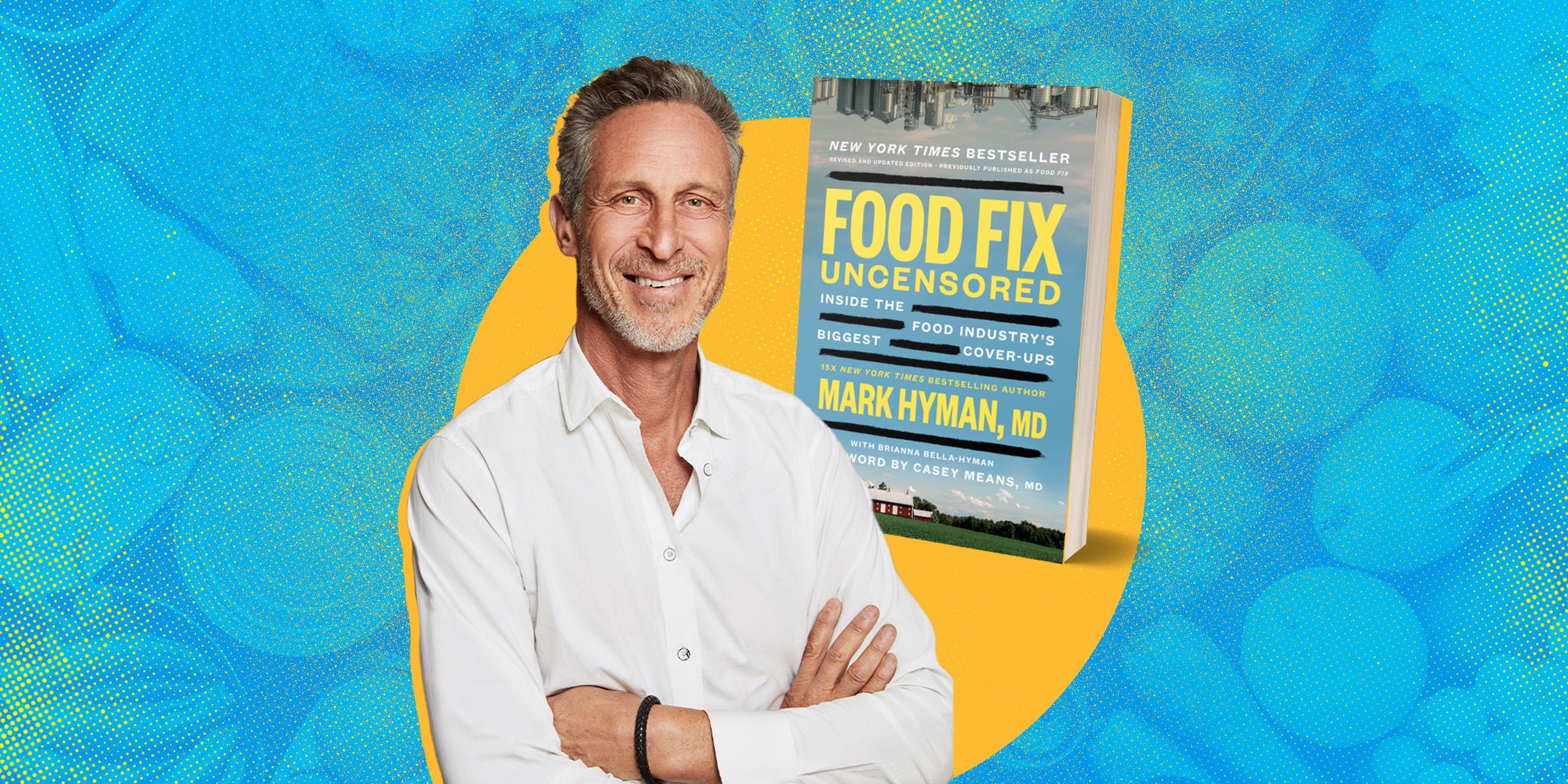
The way we eat in America is a complex issue, deeply intertwined with our health, our environment, and our economy. For years, a growing chorus of voices has pointed to systemic flaws in our food landscape, arguing that powerful institutions have prioritized profit over public well-being. Dr. Mark Hyman, a physician and advocate for functional medicine, has been at the forefront of this conversation, offering a compelling diagnosis and a bold prescription for change. His revised book, Food Fix Uncensored: Inside the Food Industry’s Biggest Cover-Ups, reignites this critical discussion, urging us to look beyond individual dietary choices and confront the foundational issues shaping what we consume.
This article delves into Dr. Hyman’s perspective on the broken food system, exploring the forces that influence our plates and offering actionable insights for fitness enthusiasts looking to nourish their bodies and contribute to a healthier future. We’ll unpack his arguments about corporate influence, the challenges of affordability, and the evolving understanding of nutrition, all while grounding the discussion in practical advice you can implement today.
The Systemic Sickness: Unpacking Dr. Hyman’s Diagnosis
Dr. Hyman contends that the problems plaguing American health are not merely a collection of isolated incidents but rather the predictable outcomes of a deeply corrupted food system. He traces this corruption back to the powerful confluence of industries that shape what we eat, from seed and chemical producers to processed food manufacturers, fast-food chains, and even the pharmaceutical sector.
The Collusion of Influence
"It’s not a conspiracy, but there’s definitely some collusion," Dr. Hyman states, highlighting how this collective industry wields significant lobbying power. This influence extends to:
- Agricultural Education: Funding land-grant colleges shapes the curriculum farmers receive, often promoting industrial agricultural practices over more sustainable methods.
- Health Organizations: Financial ties to organizations like the American Heart Association and the American Diabetes Association can subtly influence their recommendations, potentially prioritizing industry-friendly perspectives.
- Social and Political Advocacy: Funding groups like the NAACP and the Hispanic Federation can sway their stances on critical policy issues, such as opposing soda taxes or advocating against restrictions on soda purchases within food stamp programs.
This intricate web of influence, Dr. Hyman argues, creates a system where profits are privatized, while the costs – in terms of public health, environmental degradation, and economic strain – are socialized. He points to reports, such as "The True Cost of Food" by the Rockefeller Foundation, which estimate that for every dollar spent on food, an additional three dollars are incurred in collateral costs related to health, the environment, and the economy. This stark reality underscores the urgency of addressing the systemic issues at play.
The Propaganda of Processed Foods
A significant part of the problem, according to Dr. Hyman, is the pervasive narrative that ultra-processed foods are the only safe, affordable, and convenient option for low-income individuals. This "propaganda," as he calls it, perpetuates a cycle of poor nutrition and chronic disease. While the convenience and affordability of these products are undeniable, Dr. Hyman asserts that they are not the only path to sustenance. He emphasizes that with education, awareness, and a shift in priorities, healthier eating can be accessible to everyone.
Towards a Healthier Plate: Practical Strategies for Individuals
While Dr. Hyman’s focus is on systemic change, his message empowers individuals to take control of their health through informed choices. For fitness enthusiasts, understanding these principles can elevate your training and overall well-being.

Rethinking Your Nutrition Foundations
Dr. Hyman’s perspective often aligns with a move away from outdated nutritional dogma and towards a focus on whole, unprocessed foods. This means prioritizing:
- Real Food Over Processed: This is the cornerstone of his philosophy. Think fruits, vegetables, lean proteins, healthy fats, and whole grains. These foods provide the essential nutrients your body needs to thrive, fuel your workouts, and support recovery.
- The Saturated Fat Debate: While historically vilified, Dr. Hyman, along with many other experts, suggests that the evidence surrounding saturated fat’s role in heart disease has been overblown, particularly when consumed as part of a whole-foods diet, not in conjunction with ultra-processed fare. This doesn’t mean a free-for-all, but rather a nuanced understanding that not all fats are created equal, and the context of your overall diet matters.
- Quality of Fats: Instead of relying on historically recommended oils that are heavily processed, consider exploring traditional fats like those found in avocados, nuts, seeds, and even animal fats like tallow, when sourced responsibly.
Practical Steps for Your Fitness Journey
- Meal Prepping with Whole Foods: Dedicate time each week to prepare whole-food meals and snacks. This doesn’t have to be complicated.
- Example: Roast a large batch of chicken breasts or lean ground turkey. Chop a variety of colorful vegetables like broccoli, bell peppers, and sweet potatoes. Cook a pot of quinoa or brown rice. Combine these for easy lunches and dinners throughout the week.
- Smart Grocery Shopping:
- Shop the Perimeter: The outer aisles of most supermarkets are where you’ll find fresh produce, lean meats, and dairy – the building blocks of a healthy diet.
- Read Labels Critically: Be wary of ingredients lists that are long and filled with artificial additives, sugars, and preservatives. Opt for products with recognizable, whole-food ingredients.
- Focus on Nutrient Density: Prioritize foods that offer the most nutritional bang for your buck. Leafy greens, berries, fatty fish, and legumes are excellent choices.
- Hydration is Key: Water is fundamental for energy, recovery, and overall bodily function. Make it your primary beverage.
- Mindful Eating: Pay attention to your hunger and fullness cues. Eat slowly and savor your food. This practice can help prevent overeating and improve digestion.
Addressing Affordability: Education and Smart Choices
Dr. Hyman’s assertion that healthy eating can be affordable is a crucial point. While systemic policies play a role, individual strategies can make a significant difference.
- Budget-Friendly Protein Sources:
- Legumes: Beans, lentils, and chickpeas are incredibly versatile, affordable, and packed with protein and fiber.
- Eggs: A nutritional powerhouse and relatively inexpensive.
- Canned Fish: Tuna, sardines, and salmon can be great sources of protein and omega-3s.
- Cheaper Cuts of Meat: Consider less expensive cuts of beef, pork, or chicken, and prepare them using slow-cooking methods to enhance tenderness.
- Maximize Vegetable Value:
- Seasonal Produce: Buying fruits and vegetables in season is often more affordable.
- Frozen and Canned Options: Frozen and canned vegetables (without added salt or sugar) can be just as nutritious as fresh and are often more budget-friendly and have a longer shelf life.
- Root Vegetables: Potatoes, carrots, and onions are generally affordable and versatile.
- DIY Snacks: Instead of buying pre-packaged snacks, make your own.
- Examples: Roasted chickpeas, homemade trail mix with nuts and seeds, hard-boiled eggs, or fruit.
- Cooking Skills: Learning basic cooking techniques can save you money and improve the nutritional quality of your meals. There are countless online resources and tutorials available to help you master simple, healthy recipes.
The Broader Implications: Politics, Longevity, and Honesty
Dr. Hyman’s views on the food system are inherently political because, as he states, "eating is a political act." The choices we make about what we grow, produce, and eat are governed by forces that shape our health outcomes. He argues that the current state of public health is not an accident but a result of deliberate efforts by industries to create profitable systems without regard for the consequences.
Navigating the Longevity Movement
While Dr. Hyman is a prominent figure in discussions around health and longevity, he acknowledges the complexities and controversies within the broader movement. He stresses that the missteps or questionable judgments of individuals do not discredit the entire endeavor. The growing public interest in health and well-being, evidenced by cultural shifts and increased awareness, is a momentum that he believes is here to stay.
The Imperative of Honesty
Dr. Hyman’s critique of institutional forces often centers on a perceived lack of honesty and transparency. He believes that acknowledging the "invisible" forces that govern our food system is crucial for societal progress. This call for honesty extends to understanding the true costs of our food choices and demanding greater accountability from industries that profit from unhealthy systems.
Your Personal Food Revolution: A Call to Action
Dr. Hyman’s vision for a healthier food system is ambitious, but it begins with individual empowerment. By understanding the systemic issues and making conscious, informed choices about your diet, you can contribute to both your personal well-being and a broader movement for change.
Remember, your journey towards better health is not about perfection, but progress. Embrace the principles of whole-food nutrition, prioritize smart shopping and cooking, and be a discerning consumer. Every healthy meal you choose is a step towards a stronger, more vibrant you, and a testament to the power of taking control of your plate. The future of our health, and the health of our planet, depends on our collective commitment to rebuilding a food system that nourishes us all.