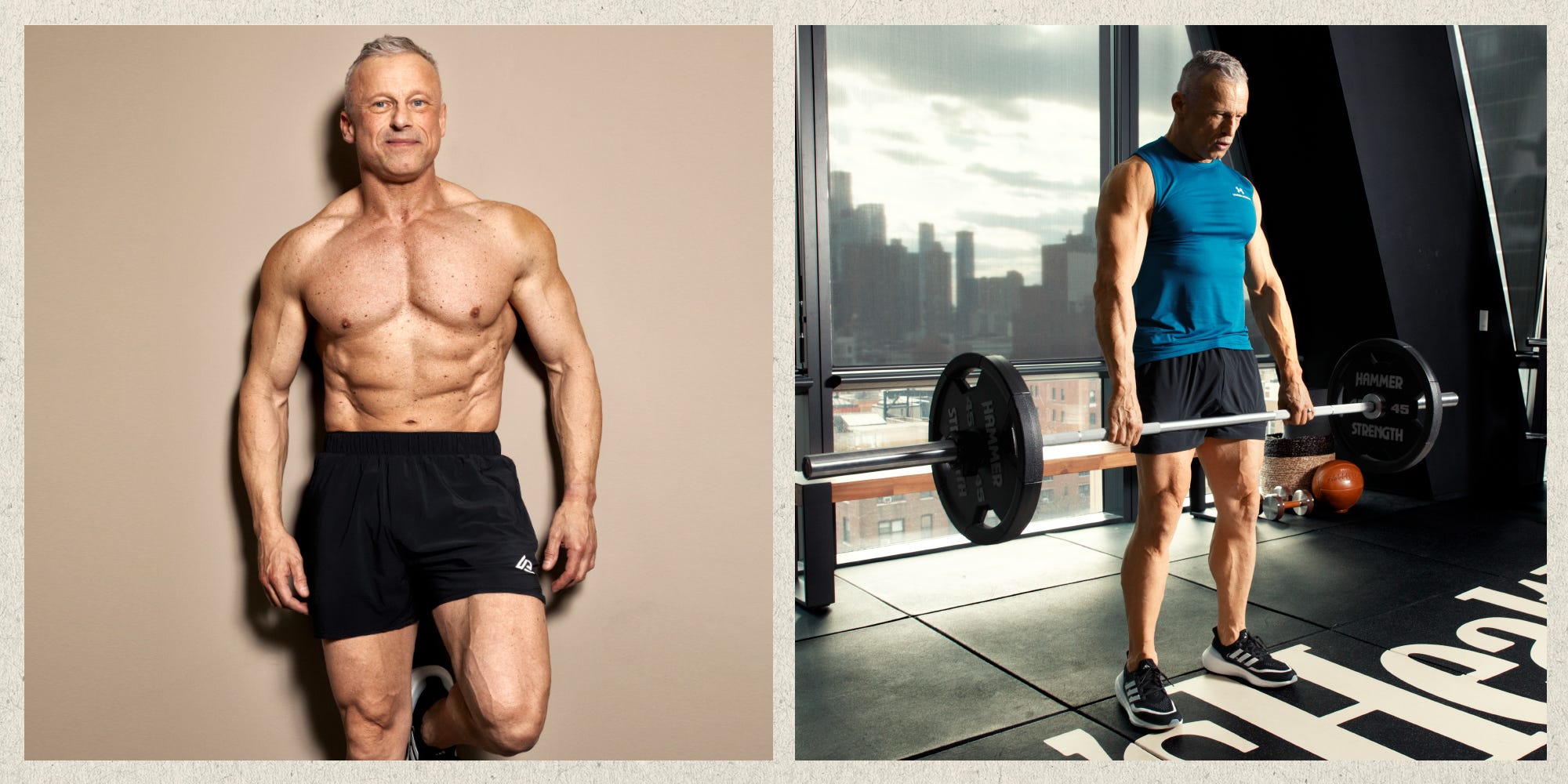
Reaching the age of 50 often comes with a shift in perspective. Some of the physical markers of youth may have receded, and conventional wisdom might whisper that significant muscle building is a chapter closed. While it’s true that some things change as we age – perhaps our tolerance for late nights or our ability to keep up with rapidly evolving slang – the capacity for building strength and a robust physique should not be one of them.
The journey to fitness after 50 requires a nuanced approach, a departure from the brute-force methods of younger years. The key now lies in training smart. This demands a deliberate plan, one that acknowledges and addresses the unique physiological considerations that men over fifty face.

Fortunately, the principles of exercise science are unequivocally on your side. With a strategic approach, you can not only maintain but significantly enhance your physical capabilities, leading to a stronger, healthier, and more vibrant life.
The Pillars of Post-50 Strength: Three Foundational Principles
To effectively build muscle and improve your fitness after 50, a strategic framework is essential. This program is built upon three core tenets, designed to maximize gains while prioritizing longevity and well-being:
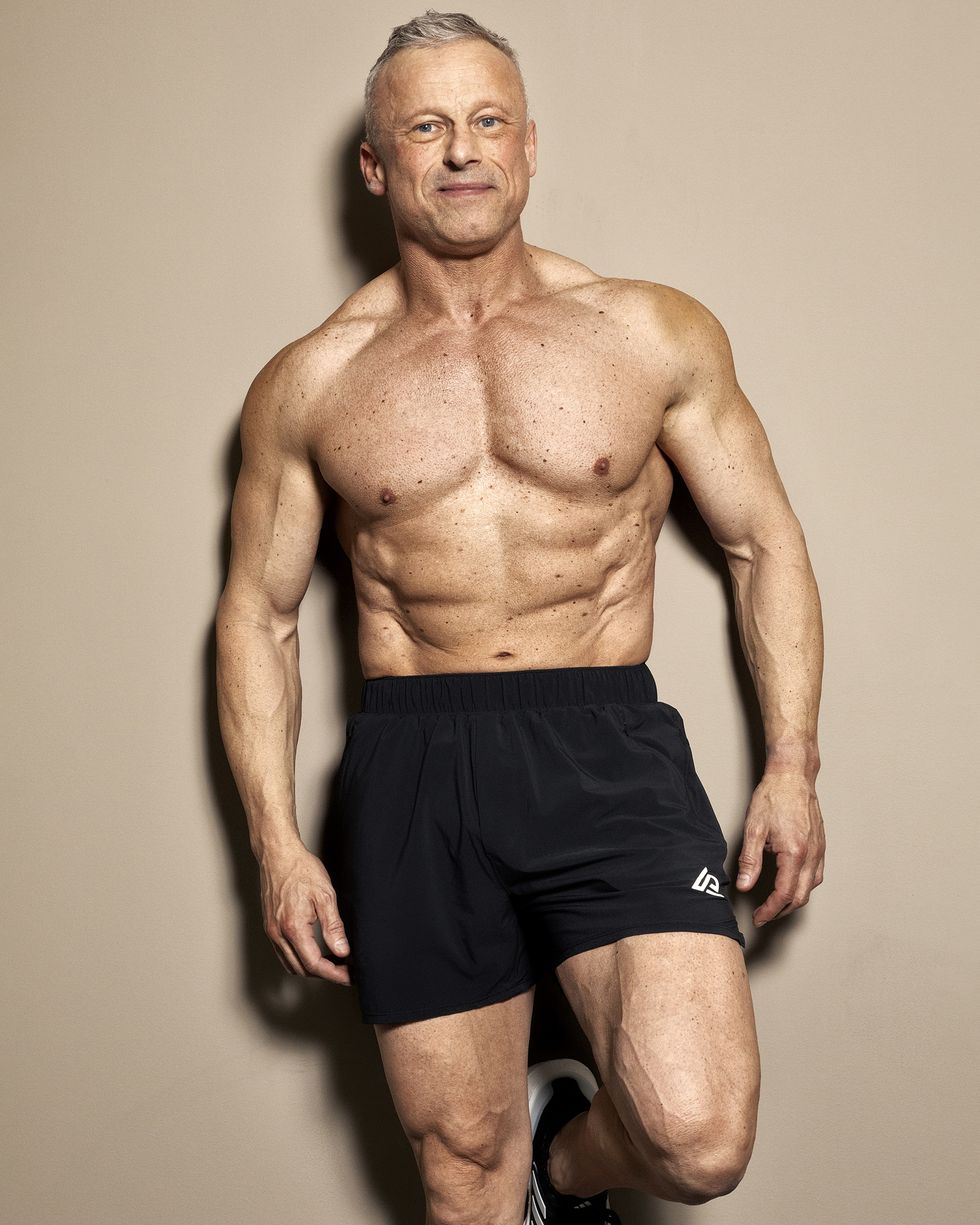
1. Prioritize Longevity: The "Always Come Back Tomorrow" Mindset
The most crucial shift in training after 50 is adopting a long-term perspective. While the drive for rapid progress was once paramount, the primary goal now becomes sustainable fitness. This means minimizing the risk of injury, which can derail progress for weeks or even months.
- Reduced Joint Stress: The program emphasizes exercises that are less taxing on joints. This often means incorporating more controlled movements and potentially reducing the reliance on heavy, potentially risky barbell lifts that can put undue stress on shoulders, elbows, and knees.
- Smart Weight Selection: While progressive overload remains important, it’s executed with greater caution. The focus is on lifting weights that allow for perfect form and controlled repetitions, rather than pushing to absolute failure with extremely heavy loads. The goal is to challenge your muscles effectively without compromising joint integrity.
- Focus on Quality Over Quantity: Every repetition counts. By prioritizing perfect form and controlled execution, you ensure that the target muscles are engaged effectively, leading to better results and a lower risk of strain.
2. Fortify Your Foundation: The Back as Your Primary Powerhouse
Your back is not just another muscle group; it’s the central pillar of your body’s strength and stability. A strong back is fundamental for good posture, injury prevention, and overall functional movement. This program places a significant emphasis on back development, both directly and indirectly.
- Spinal Health: Direct work on your back muscles strengthens the core and supports your spine, reducing the likelihood of lower back pain and improving overall spinal alignment.
- Shoulder Stability: Many back exercises also engage the muscles surrounding the shoulder girdle, enhancing stability and reducing the risk of shoulder injuries, which can become more common with age.
- Improved Posture: A well-developed back contributes to better posture, counteracting the tendency for the chest to round forward, a common issue as we age. This not only looks better but also improves breathing and reduces strain on the neck and shoulders.
- Functional Strength: A strong back is integral to countless daily activities, from lifting groceries to playing with grandchildren. Prioritizing back strength translates directly into improved everyday functionality.
3. Consistent Engagement: The "Use It or Lose It" Imperative
The adage "use it or lose it" becomes particularly relevant after 50. Muscle mass and strength can decline if not consistently challenged. This program advocates for a frequency of training that ensures continuous stimulus without overtraining.
- Four-Day Split: The core program involves four dedicated training days per week. This allows for sufficient recovery between sessions while providing regular muscle stimulation.
- Optional Fifth Day: For those feeling particularly recovered and energetic, an optional fifth day is included, focusing on targeted arm development. This flexibility allows individuals to tailor their training volume to their current recovery capacity.
- Avoiding Detraining: Regular training sessions prevent the detraining that can occur with prolonged breaks. This consistent engagement is key to building and maintaining muscle mass over the long term.
Unpacking the "Max Muscle at 50" Program: A Practical Blueprint
This comprehensive training program is delivered in an easily accessible PDF format, designed for seamless integration into your fitness routine. It includes everything you need to succeed:
- Introductory Guidance: Clear explanations of the program’s philosophy and how to approach your training.
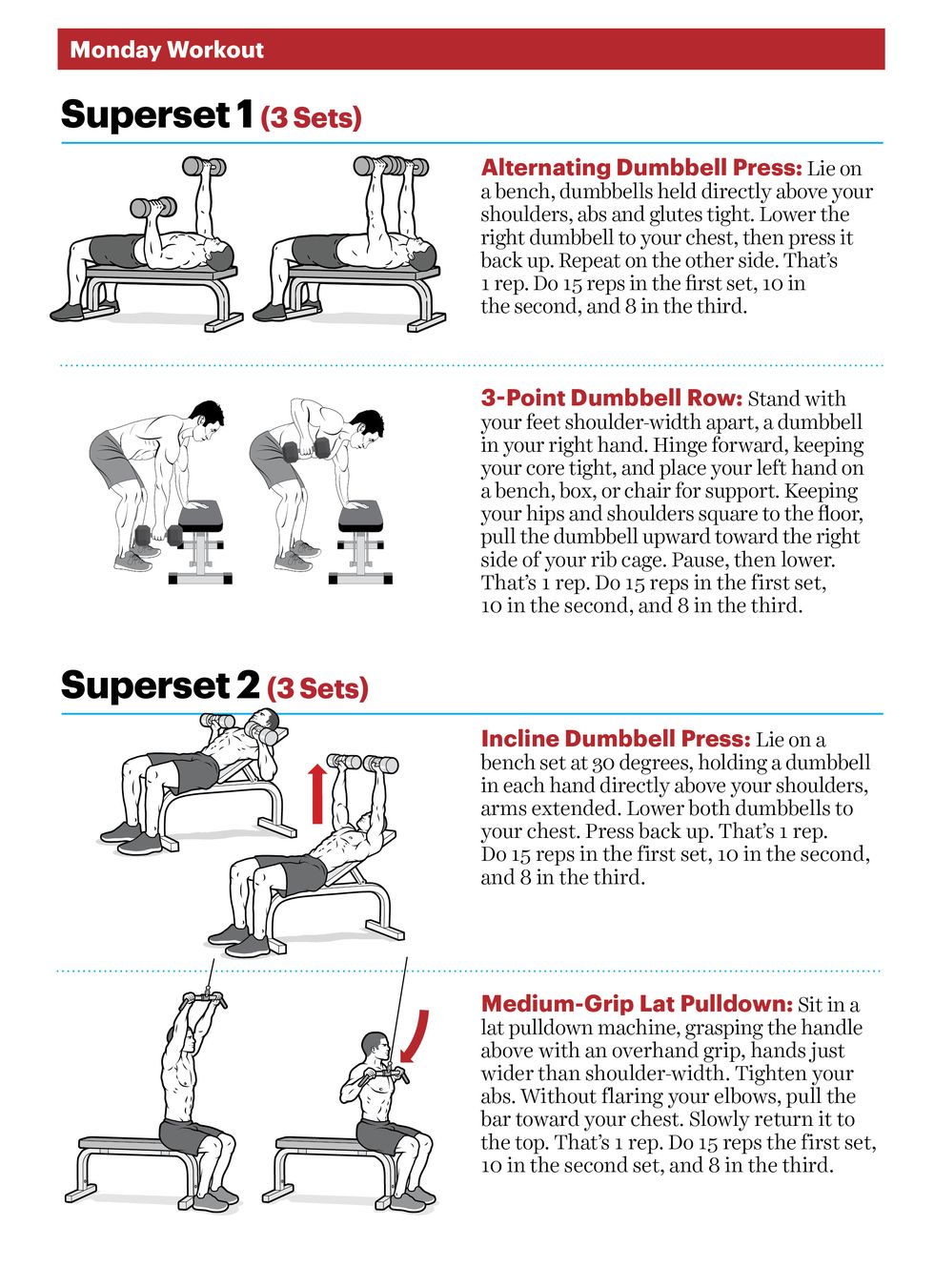
- Detailed Exercise Descriptions: Each exercise is thoroughly explained, complete with specific cues and proper technique guidance. This ensures you can perform every movement safely and effectively.
- Reference Images: Clear diagrams accompany each exercise, providing visual reinforcement of correct form and execution.
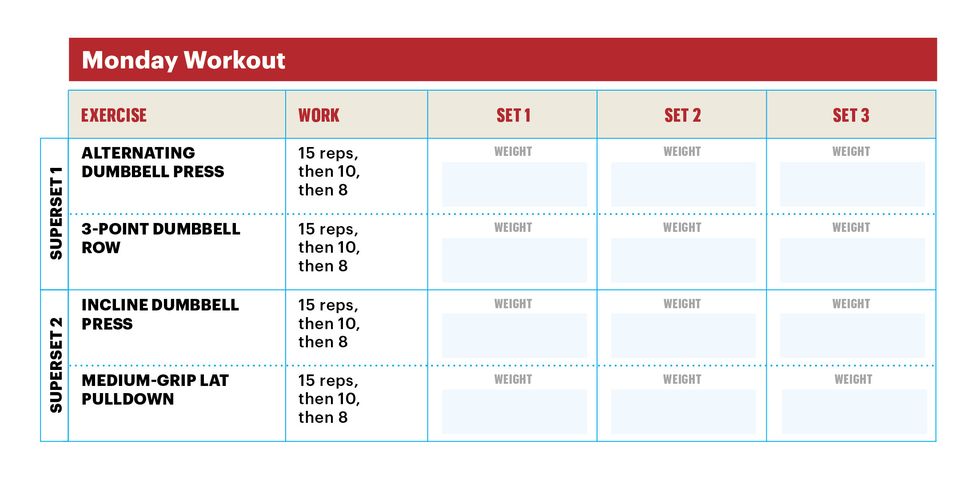
- Editable Progress Tracker: An integrated table allows you to log your sets, reps, and weights, enabling you to monitor your progress and ensure you’re consistently challenging yourself.
A Glimpse into a Typical Training Day:
The program structure is designed for efficiency and effectiveness. A sample training day might look something like this:

| Exercise | Sets | Reps | Rest (seconds) | Notes |
|---|---|---|---|---|
| Warm-up | Dynamic stretching and light cardio | |||
| Compound Lift 1 | 3 | 8-12 | 60-90 | Focus on controlled eccentric (lowering) |
| Accessory Movement 1 | 3 | 10-15 | 60 | Maintain tension throughout the movement |
| Accessory Movement 2 | 3 | 10-15 | 60 | Focus on mind-muscle connection |
| Core Exercise | 3 | 15-20 | 45 | Engage deep abdominal muscles |
| Cool-down | Static stretching |
(This is a simplified example; the actual program provides detailed exercise selection and specific parameters.)
Understanding the Exercises:

The program goes beyond simply listing exercises. It provides detailed breakdowns, such as:
- Lat Pulldown:
- Execution: Sit at a lat pulldown machine, grasping the bar with an overhand grip slightly wider than shoulder-width. Pull the bar down towards your upper chest, squeezing your shoulder blades together. Control the ascent back to the starting position.
- Key Cues: Think about pulling with your elbows, not just your hands. Keep your chest up and avoid leaning back excessively.
- Seated Cable Row:
- Execution: Sit at a cable row machine with your feet firmly planted. Grasp the handle with a neutral grip. Keeping your back straight, pull the handle towards your abdomen, squeezing your shoulder blades together. Slowly return to the starting position.
- Key Cues: Initiate the movement by pulling your shoulder blades back, then bend your elbows. Avoid using momentum to swing the weight.
(The program includes similarly detailed instructions for all exercises, accompanied by clear visual aids.)

Equipping Your Arsenal: What You Need to Get Started
While the program is designed for a well-equipped gym environment, there are essential pieces of equipment that can greatly enhance your home training capabilities and are frequently utilized in the program.
- Dumbbells: A versatile tool for a wide range of exercises. Investing in a few key weights or a set of adjustable dumbbells provides flexibility for progressive overload.
- Adjustable Bench: Crucial for performing various pressing, rowing, and isolation exercises with proper support and angles.
- Resistance Bands: Offer a low-impact way to add resistance to movements, improve mobility, and activate muscles.
- Pull-up Bar (Doorway or Wall-Mounted): Essential for building back and bicep strength.
- Kettlebells: Offer a unique training stimulus for strength, power, and cardiovascular conditioning.
Investing in quality equipment can transform your home workout space and provide the foundation for consistent training.

The "Max Muscle at 50" Program: Your Path to Renewed Strength
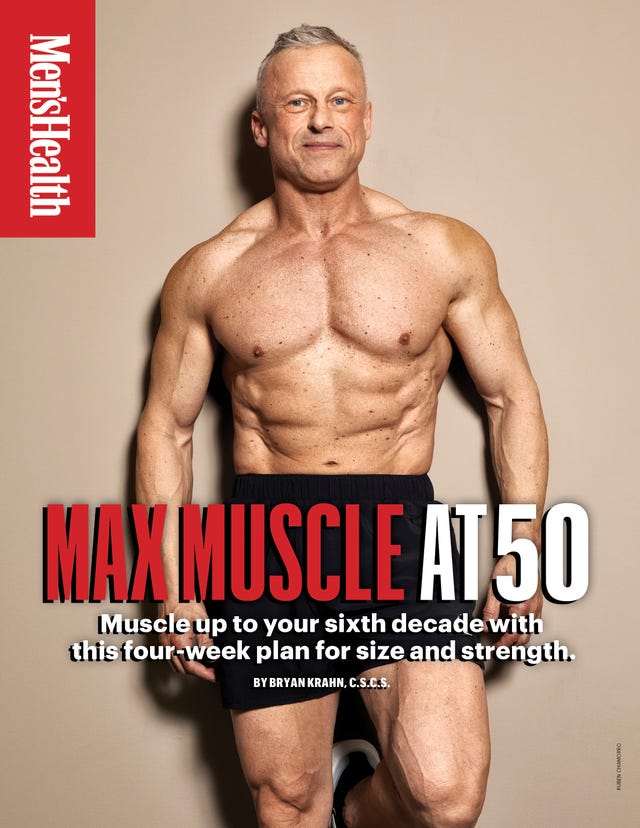
This 4-week program is your roadmap to reclaiming and enhancing your physical strength. It’s not about chasing fleeting trends; it’s about applying proven scientific principles to achieve tangible, lasting results.
The Commitment:
- Duration: The program spans four weeks, providing a concentrated period of focused training.
- Frequency: Four structured training days per week, with an optional fifth day for focused arm work, allowing for adaptation and recovery.
- Goal: To build lean muscle mass, increase strength, improve body composition, and enhance overall physical resilience.
Your Next Step:
The journey to a stronger, more capable you begins with a single step. By committing to a science-backed program like "Max Muscle at 50," you are investing in your long-term health and well-being. The research is clear: age is not a barrier to building significant muscle and improving your fitness. It simply requires a smarter, more informed approach.
Don’t let the notion of age define your physical potential. Embrace the principles of intelligent training, prioritize your joint health, and consistently challenge your body. The rewards – increased strength, improved energy levels, enhanced confidence, and a greater capacity to enjoy life to its fullest – are well within your reach.
Are you ready to redefine what’s possible after 50? Access the "Max Muscle at 50" program today and start building the strongest version of yourself.