In the quest for a healthier, more vibrant life, the path to fitness can often seem daunting. We envision intense sweat sessions, high-impact movements, and perhaps even the occasional ache. But what if there was a way to achieve profound fitness results – enhancing your cardiovascular health, building strength, and boosting your overall well-being – without placing undue stress on your body? This is the essence of intelligent low-impact training.
For beginners taking their first confident steps into the fitness world, or intermediate enthusiasts seeking sustainable progress, the focus isn’t just on working hard, but on working smart. Intelligent low-impact training emphasizes efficacy, longevity, and joint preservation, allowing you to build a robust fitness foundation that stands the test of time. It’s about cultivating a sustainable rhythm, one that nurtures your body while challenging it to grow.
This article will guide you through the transformative power of integrating low-impact, full-body cardio into your routine. We’ll explore why this approach is not just beneficial but essential for long-term health, delve into various equipment options like the versatile elliptical, provide practical strategies for crafting effective workouts, and offer insights on nutrition and recovery to fuel your journey. Prepare to unlock a more resilient, energetic, and harmoniously fit version of yourself.
The Foundation of Intelligent Low-Impact Training
Building a fitness regimen that lasts requires more than just willpower; it demands an understanding of how your body works and how to support it through consistent activity. Intelligent low-impact training forms a cornerstone of such a regimen.
Why Low-Impact Matters for Long-Term Fitness
The human body is an incredible machine, designed for movement. However, repetitive high-impact activities, while effective for some, can lead to wear and tear on joints over time. This is where low-impact exercise shines.
- Joint Protection: Activities where at least one foot remains in contact with the ground (or pedals, or water) significantly reduce the jarring forces on your knees, hips, ankles, and spine. This is crucial for preventing conditions like osteoarthritis or simply alleviating everyday joint discomfort.
- Reduced Risk of Overuse Injuries: By minimizing impact, you decrease the likelihood of stress fractures, shin splints, and tendonitis that can sideline your progress. This allows for more consistent training without forced breaks.
- Enhanced Sustainability and Frequency: Because low-impact workouts are gentler on the body, you can often perform them more frequently and for longer durations without excessive recovery time. This consistency is a powerful driver of results.
- Accessibility for Diverse Populations: Low-impact options are ideal for individuals recovering from injuries, those with pre-existing joint conditions, older adults, or anyone simply seeking a gentler introduction to exercise. It widens the gateway to fitness for everyone.
Embracing low-impact doesn’t mean sacrificing intensity; it means achieving intensity through continuous movement, resistance, and muscle engagement, rather than through forceful impacts.
Defining "Full-Body" Cardio
When we think of cardio, images of running or cycling often come to mind, primarily engaging the lower body. However, true "full-body" cardio elevates your heart rate while simultaneously working major muscle groups across your upper body, lower body, and core.
The benefits of this comprehensive approach are extensive:
- Higher Calorie Burn: Engaging more muscles requires more energy, leading to a greater caloric expenditure per session.
- Balanced Muscle Development: Working both upper and lower body prevents muscular imbalances, which can lead to poor posture or increased injury risk. It promotes a more symmetrical and functional physique.
- Improved Posture and Core Strength: Many full-body cardio exercises inherently require core engagement to stabilize the body, strengthening the muscles that support your spine and improve your overall stance.
- Increased Cardiovascular Efficiency: The demand on a wider array of muscles forces your heart and lungs to work harder, improving their efficiency in delivering oxygen throughout your entire body.
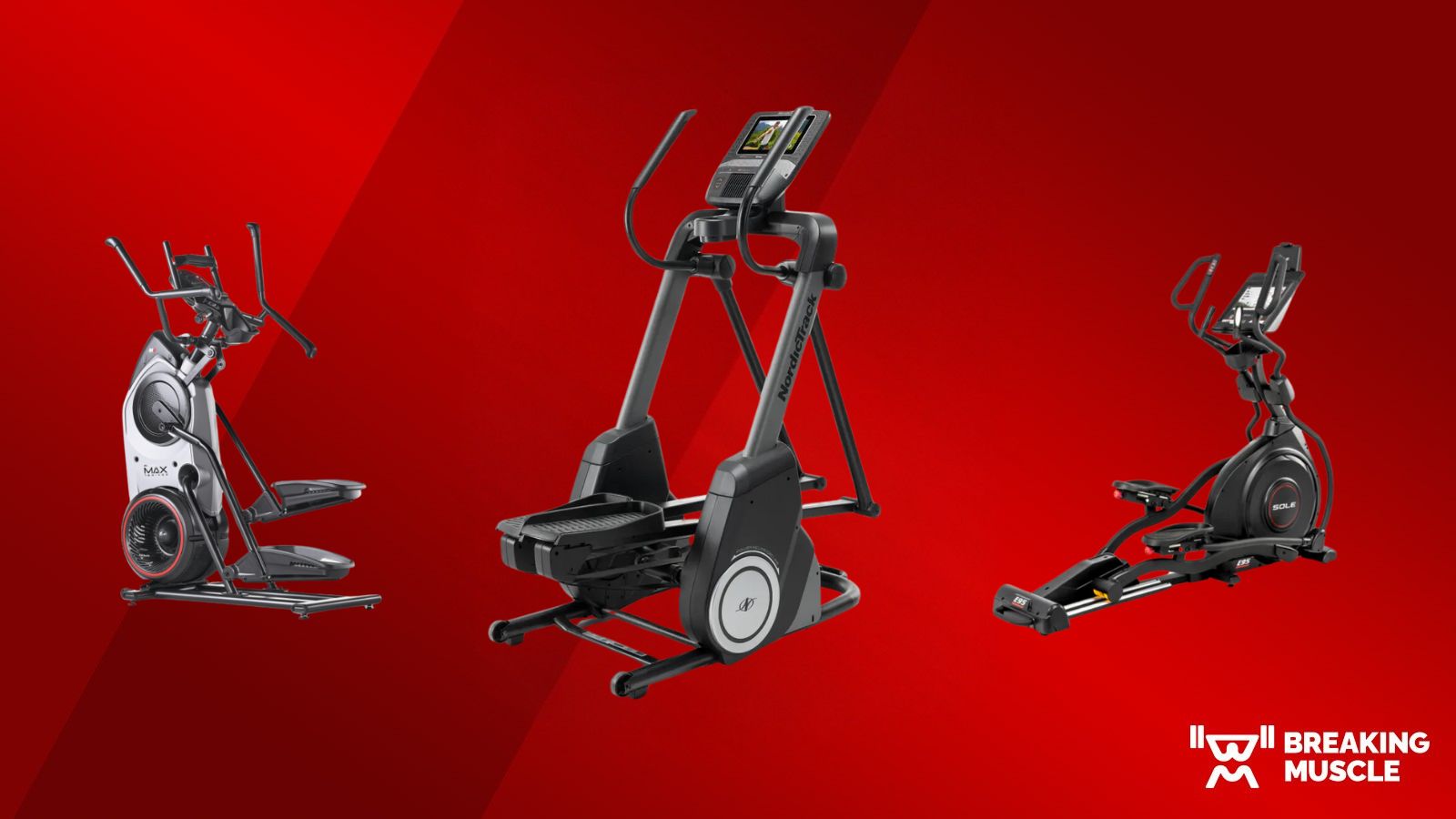
Examples of full-body low-impact cardio machines include the elliptical, rowing machine, and certain types of cross-country ski simulators. Activities like swimming also offer exceptional full-body, zero-impact benefits. By integrating these into your routine, you move beyond mere endurance to build a more holistically fit body.
Navigating Your Low-Impact Cardio Arsenal
The world of low-impact cardio offers a rich array of equipment and activities, each with its unique advantages. Understanding these can help you select the best tools to match your fitness goals and preferences.
The Elliptical Advantage: A Synergistic Approach
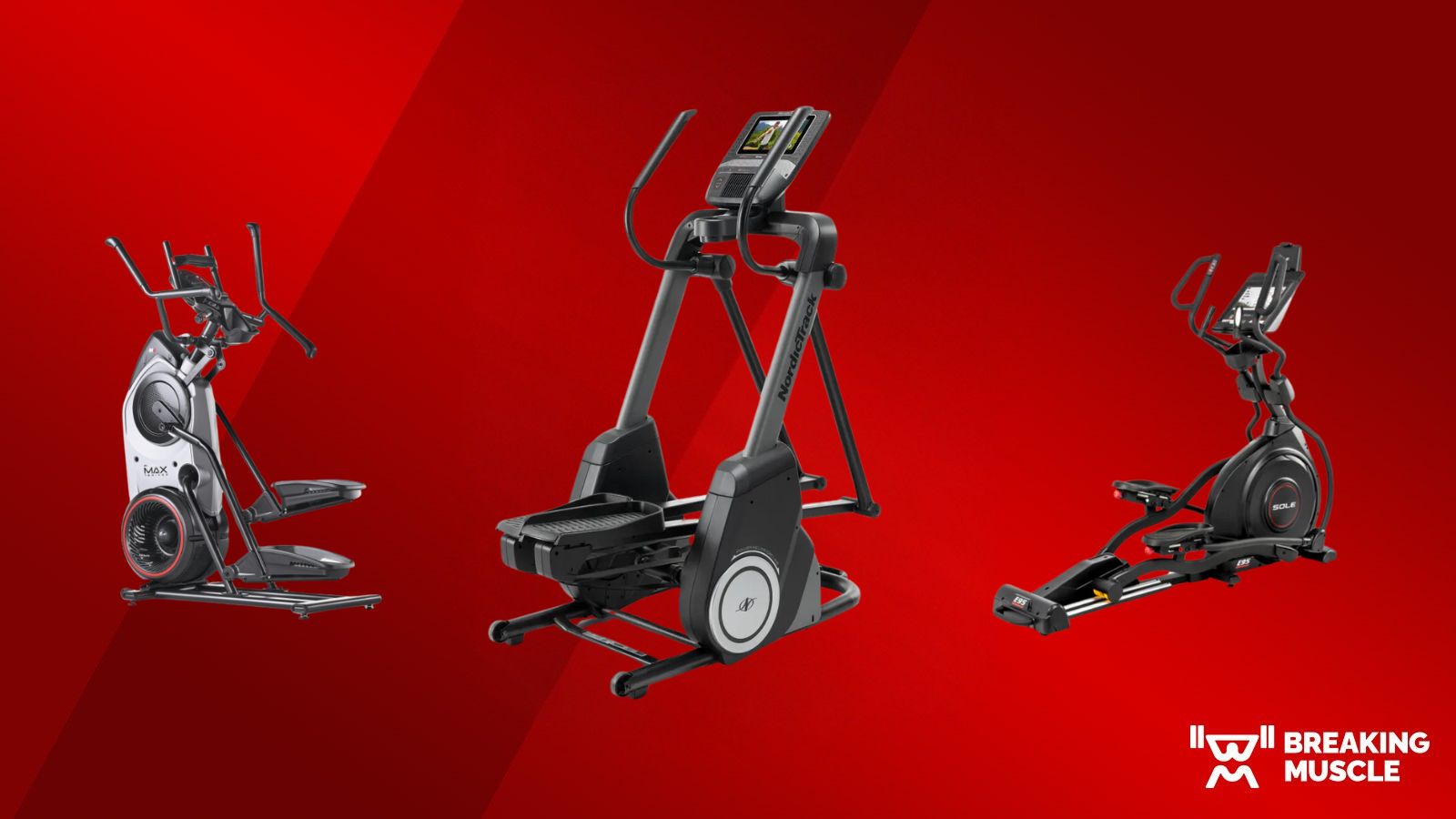
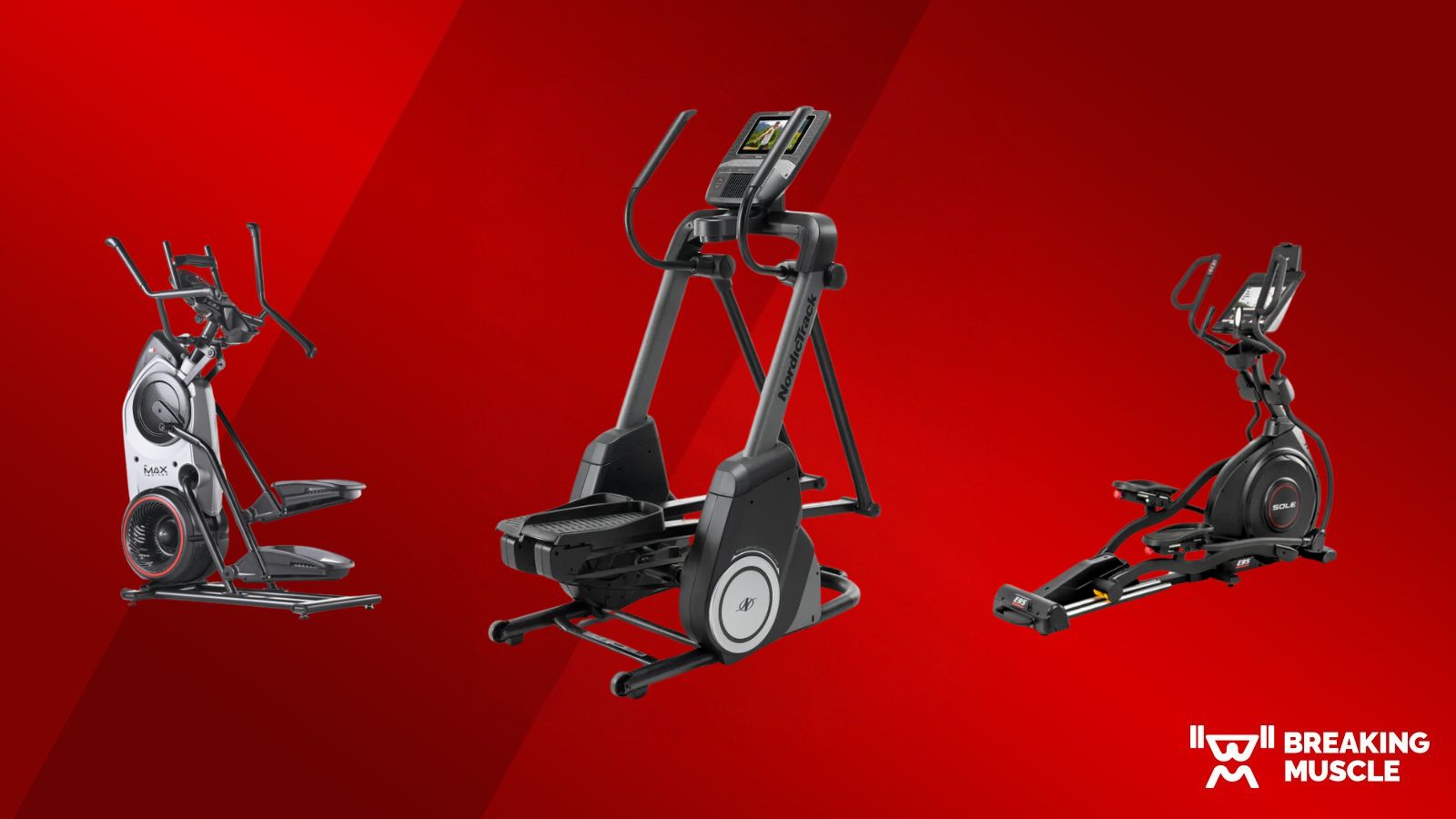
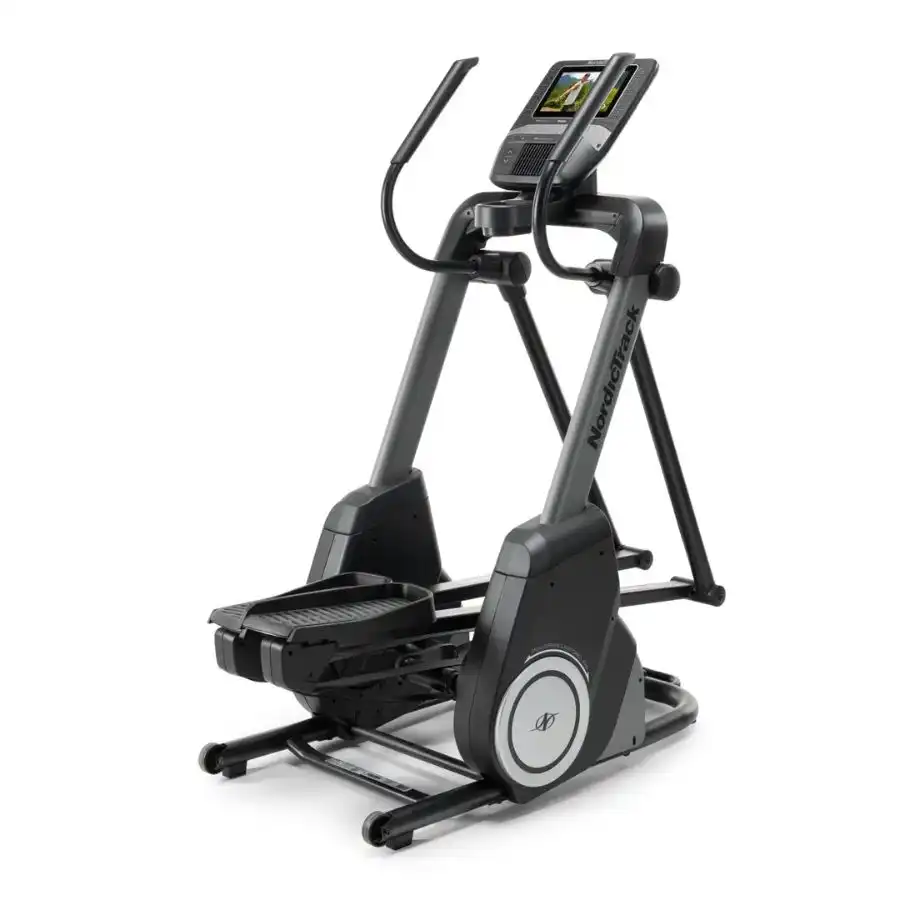
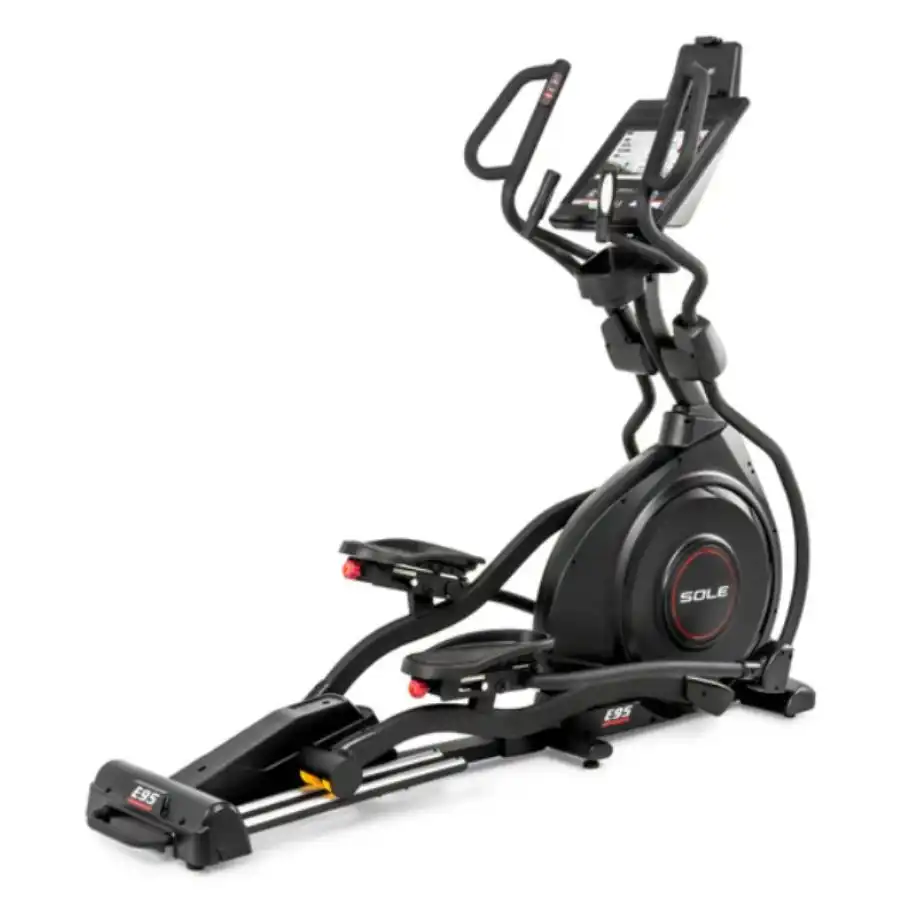
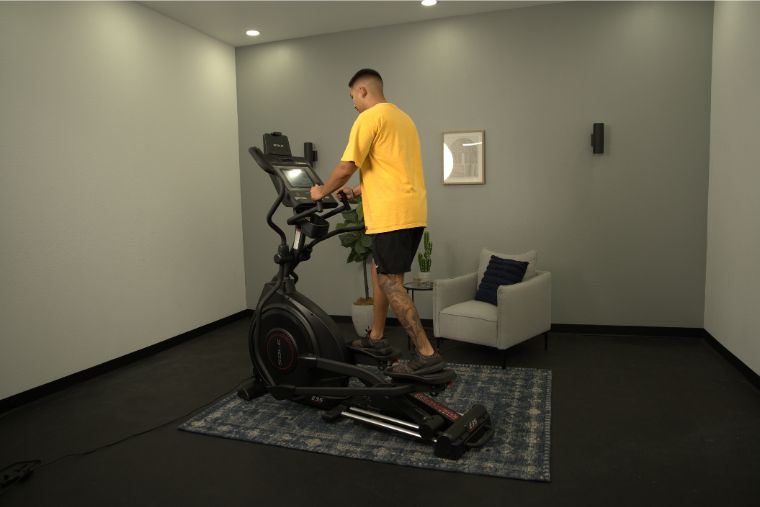
The elliptical machine stands out as a prime example of intelligent low-impact, full-body training. Its design allows for a smooth, gliding motion that mimics walking or running without the associated impact, while simultaneously engaging your upper body.
Here’s why the elliptical is a powerhouse for synergistic fitness:
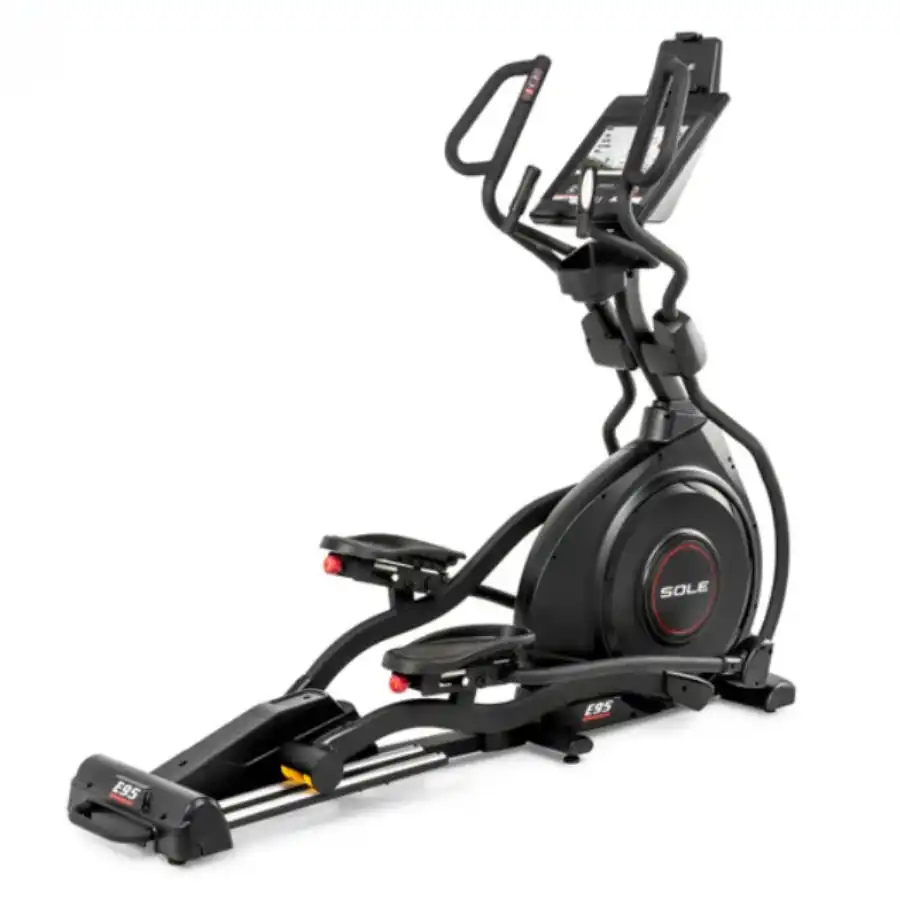
- Simultaneous Upper and Lower Body Engagement: The moving handlebars allow you to push and pull, activating your chest, back, shoulders, and arms alongside your legs. This dual action is key to its full-body benefits.
- Muscle Toning: Expect to work your glutes, quadriceps, hamstrings, and calves in your lower body, while your pectorals, lats, deltoids, and biceps/triceps get a workout in your upper body. Your core is constantly engaged for stability.
- Low-Impact Mechanism: Your feet remain in contact with the pedals throughout the entire stride, eliminating the jarring impact that occurs with each step on a treadmill or pavement. This makes it incredibly kind to your joints.
- Reverse Pedaling Option: Many ellipticals allow you to pedal backward, which can engage different muscle groups, particularly targeting the hamstrings and glutes more intensely.
- Adjustable Resistance and Incline: The ability to increase resistance challenges your muscles, while adjustable incline (on some models) can simulate hill climbs, further targeting your glutes and hamstrings and boosting caloric expenditure.
By combining cardiovascular challenge with significant muscle recruitment, the elliptical offers an efficient and comprehensive workout that is both effective and gentle on your body.
Beyond the Elliptical: Other Low-Impact Powerhouses
While the elliptical is a fantastic option, a diverse approach can keep your workouts fresh and target different muscle groups. Consider these other low-impact machines and activities:
- Rowing Machine: Often hailed as one of the most complete workouts, rowing engages approximately 85% of your body’s musculature. It’s a powerful blend of cardio and strength, working your legs, core, back, and arms in a smooth, rhythmic motion. It’s excellent for building endurance and explosive power.
- Stationary Bike (Recumbent or Upright): Primarily a lower-body workout, cycling is superb for cardiovascular health and building leg endurance and strength. Recumbent bikes offer back support, making them ideal for individuals with lower back concerns. Upright bikes mimic a traditional road bike experience. While not a full-body workout in the same way an elliptical is, it’s a stellar low-impact choice for leg days.
- Swimming/Aqua Aerobics: The ultimate zero-impact activity. Water provides natural resistance, offering a full-body workout that strengthens muscles and improves cardiovascular fitness without any joint stress. It’s particularly beneficial for rehabilitation or extreme heat conditions.
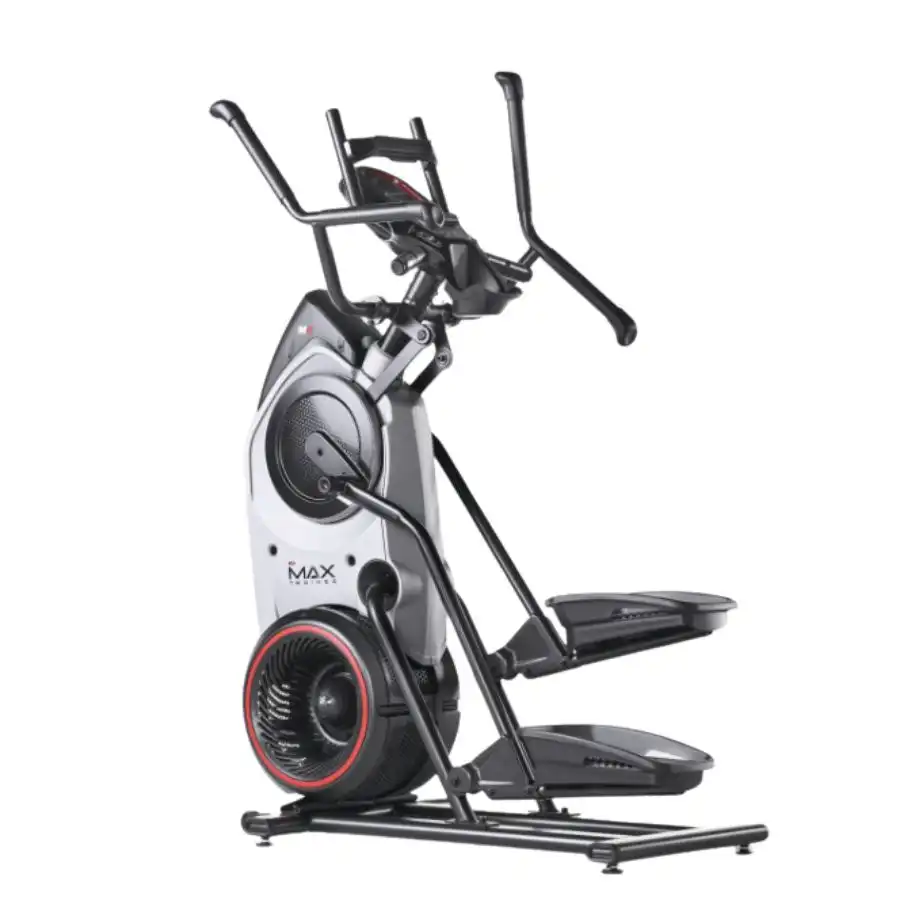
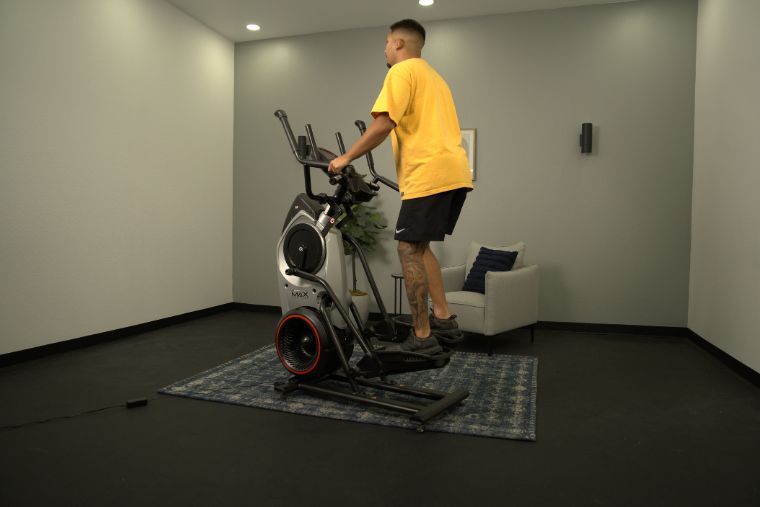
- Arc Trainer/Stepper: Similar to an elliptical but with a slightly different biomechanical path. Arc trainers often emphasize a more consistent knee flexion and extension, which some users find targets the glutes and hamstrings more intensely than a traditional elliptical. Steppers focus on an up-and-down motion, mimicking stair climbing, which is excellent for glutes and quads.
Integrating a variety of these low-impact options into your routine not only prevents boredom but also ensures a well-rounded fitness approach, challenging your body in new ways and promoting holistic development.
Crafting Your Effective Low-Impact Workout
Once you’ve chosen your low-impact tools, the next step is to craft workouts that are effective, engaging, and progressively challenging.
Mastering Form and Technique
Proper form is paramount, especially when starting out. It ensures you’re working the intended muscles, maximizing efficiency, and most importantly, preventing injury.
For Elliptical Machines:
- Upright Posture: Stand tall, shoulders relaxed and back, core engaged. Avoid hunching over or leaning heavily on the handlebars.
- Full Foot Contact: Keep your entire foot on the pedals throughout the stride. Don’t let your heels lift off, as this can strain your calves and ankles.
- Engage Your Core: Think about pulling your belly button towards your spine. This stabilizes your trunk and helps transfer power efficiently.
- Push and Pull with Arms: Actively push and pull the moving handlebars. Don’t just hold on for balance; make your upper body contribute to the movement.
- Natural Stride: Allow the machine to guide your stride, but find a comfortable rhythm that feels natural to your body.
- Look Forward: Keep your gaze forward, not down at your feet or the console, to maintain good neck alignment.
General Tips for Other Machines:
- Rowing: Initiate the stroke with your legs, then lean back slightly, and finally pull with your arms. Reverse the motion for recovery. Maintain a strong, straight back.
- Cycling: Adjust seat height so your leg has a slight bend at the bottom of the pedal stroke. Keep your core engaged.
- Listen to Your Body: If any movement causes pain, stop and re-evaluate your form or reduce intensity.
Dynamic Warm-ups and Cool-downs
Every effective workout begins with preparation and ends with recovery.
- Dynamic Warm-up (5-10 minutes): Prepare your muscles and joints for activity.
- Start with light cardio on your chosen machine at a very low intensity.
- Incorporate dynamic stretches: arm circles, leg swings, torso twists, cat-cow stretches. The goal is to increase blood flow and mobility, not static stretching.
- Cool-down (5-10 minutes): Gradually bring your heart rate down and aid muscle recovery.
- Reduce intensity on your machine to a slow, easy pace.
- Follow with static stretches, holding each stretch for 20-30 seconds. Focus on the major muscle groups you just worked (hamstrings, quads, glutes, chest, back).
Structuring Your Sessions: Beginner to Intermediate Progression
Progressive overload – gradually increasing the demand on your body – is key to continuous improvement.
Beginner Phase (Weeks 1-4): Focus on Consistency and Foundation
- Frequency: Aim for 3-4 sessions per week on non-consecutive days.
- Duration: Start with 20-30 minutes per session.
- Intensity: Maintain a moderate, steady-state pace where you can comfortably hold a conversation (Rate of Perceived Exertion (RPE) of 4-6 out of 10).
- Progression: Gradually increase your session duration by 2-5 minutes each week before increasing intensity.
Intermediate Phase (Weeks 5+): Introducing Variability and Challenge
Once you’ve built a solid base, it’s time to diversify your training to challenge your cardiovascular system and muscles further.
- Interval Training (HIIT or LISS):
- High-Intensity Interval Training (HIIT): Alternate short bursts of high-intensity effort (RPE 7-9) with longer periods of active recovery (RPE 3-4).
- Example: 1-2 minutes at high intensity (fast pace, high resistance), followed by 2-3 minutes at moderate recovery pace. Repeat 4-6 times after a warm-up and before a cool-down.
- Low-Intensity Steady State (LISS): Longer durations (45-60 minutes) at a moderate, consistent pace (RPE 4-5). This builds aerobic base and endurance.
- High-Intensity Interval Training (HIIT): Alternate short bursts of high-intensity effort (RPE 7-9) with longer periods of active recovery (RPE 3-4).
- Resistance Progression: Systematically increase the resistance level on your machine to challenge your muscles more. Aim for a level where you feel a strong burn but can maintain good form.
- Incline Variation (if applicable): Utilize the incline feature on your elliptical to simulate hills. This shifts muscle engagement, putting more emphasis on glutes and hamstrings. Integrate incline changes into your interval training or as sustained challenges.
- Increased Frequency/Duration: You might extend sessions to 30-45 minutes, 4-5 times per week, or add an extra session.
Integrating Strength and Flexibility
While low-impact cardio is excellent, a truly holistic fitness plan incorporates strength training and flexibility.
- Strength Training: Complement your cardio with 2-3 sessions of full-body strength training per week. This could involve bodyweight exercises (squats, lunges, push-ups, planks), resistance bands, or free weights. Stronger muscles support your joints, improve performance, and boost metabolism.
- Flexibility: Regular stretching or practices like yoga improve range of motion, reduce muscle stiffness, and aid in recovery. Incorporate a dedicated flexibility session or hold stretches longer after your cardio workouts.
Fueling Your Progress: Nutrition and Recovery
Your efforts in the gym or on your home machine are only half the equation. What you put into your body and how you allow it to recover are equally critical for seeing results and maintaining health.
The Role of Balanced Nutrition
Nutrition isn’t just about weight loss; it’s about providing your body with the fuel and building blocks it needs to perform, repair, and thrive.
- Whole Foods Focus: Prioritize nutrient-dense, unprocessed foods. This includes a wide array of fruits, vegetables, whole grains, lean proteins, and healthy fats.
- Lean Protein: Essential for muscle repair and growth. Include sources like chicken, fish, beans, lentils, tofu, and Greek yogurt.
- Complex Carbohydrates: Your body’s primary energy source. Opt for oats, brown rice, quinoa, and sweet potatoes to sustain energy during workouts.
- Healthy Fats: Crucial for hormone production and nutrient absorption. Avocados, nuts, seeds, and olive oil are excellent choices.
- Hydration is Paramount: Drink plenty of water throughout the day, especially before, during, and after your workouts. Dehydration can severely impact performance and recovery.
- Mindful Eating: Pay attention to hunger and fullness cues. Avoid restrictive diets that are difficult to sustain; instead, focus on making sustainable, healthy choices most of the time.
Prioritizing Rest and Active Recovery
Ignoring rest is a common mistake that can lead to burnout, injury, and stalled progress. Your body grows stronger during recovery, not just during the workout itself.
- Adequate Sleep: Aim for 7-9 hours of quality sleep per night. During sleep, your body repairs muscle tissue, consolidates memories, and regulates hormones crucial for metabolism and appetite.
- Scheduled Rest Days: Plan at least one full rest day per week. This allows your muscles to fully recover and rebuild.
- Active Recovery: On some rest days, engage in light, low-impact activities like a gentle walk, easy cycling, or stretching. This promotes blood flow, helps reduce muscle soreness, and keeps you moving without intense strain.
- Listen to Your Body: Pay attention to signs of overtraining, such as persistent fatigue, decreased performance, increased irritability, or prolonged muscle soreness. Adjust your schedule or intensity as needed. Sometimes, an extra rest day is the most productive thing you can do.
Overcoming Challenges and Staying Motivated
The fitness journey is rarely a straight line. There will be plateaus, moments of doubt, and times when motivation wanes. Intelligent strategies can help you navigate these challenges and stay committed to your rhythm.
Setting Realistic Goals and Tracking Progress
Motivation thrives on progress. Setting clear, achievable goals and diligently tracking your journey can be incredibly empowering.
- SMART Goals: Ensure your goals are Specific, Measurable, Achievable, Relevant, and Time-bound. Instead of "I want to get fit," try "I will consistently complete three 30-minute low-impact cardio sessions per week for the next 8 weeks, increasing my average resistance level by one notch each fortnight."
- Log Your Workouts: Keep a simple journal or use a fitness app to record duration, intensity, resistance levels, and how you felt. Seeing tangible data of your improvement is a powerful motivator.
- Celebrate Small Victories: Acknowledge every milestone, no matter how small. Hitting a new personal best for duration, increasing your resistance, or simply completing a consistent week of workouts deserves recognition.
- Beyond the Scale: Focus on non-scale victories – improved energy, better sleep, clothes fitting differently, increased strength, enhanced mood, and improved cardiovascular markers. These are often more sustainable indicators of success.
Embracing Variety and Overcoming Plateaus
Your body is remarkably adaptive. What challenged you initially might become routine over time, leading to a plateau.
- Mix Up Your Routine: Don’t get stuck doing the exact same workout every time.
- Vary Intensity: Alternate between steady-state, interval training, and incline-focused sessions.
- Explore Different Machines: If you primarily use an elliptical, try a rowing machine or a stationary bike for a few sessions to challenge your body in new ways.
- Introduce New Exercises: Add bodyweight strength exercises or a yoga flow to your routine to keep things fresh.
- Progressive Overload in Different Forms: If increasing resistance isn’t possible, try increasing duration, frequency, or the complexity of your movements. Even a slight adjustment can make a difference.
- Listen to Your Body’s Cues: If a particular routine feels stale or you’re not seeing results, it’s a sign to change things up.
The Mental Game: Mindset and Consistency
Ultimately, fitness is as much a mental game as it is physical. Cultivating a positive mindset and prioritizing consistency are vital.
- Focus on the "Why": Remind yourself of the deeper reasons you started this journey – better health, more energy for loved ones, stress reduction, a sense of accomplishment.
- Schedule Your Workouts: Treat your fitness sessions like important appointments you can’t miss. Put them on your calendar and commit to them.
- Find Your Motivation Triggers: Is it listening to your favorite podcast, a specific playlist, working out with a friend, or the feeling of accomplishment afterward? Identify what gets you moving and lean into it.
- Accountability: Share your goals with a trusted friend, family member, or join an online community. Knowing someone is checking in can provide that extra push.
- Be Patient and Kind to Yourself: There will be good days and bad days. Don’t let a missed workout derail your entire program. Acknowledge it, learn from it, and get back on track with the next session. Consistency over perfection is the key to lasting results.
Conclusion
Your fitness journey is a deeply personal and empowering one. By embracing the principles of intelligent low-impact, full-body training, you’re choosing a path that respects your body, protects your joints, and delivers sustainable, profound results. Whether you’re gliding effortlessly on an elliptical, powering through a rowing session, or finding your rhythm on a stationary bike, you are actively investing in a healthier, more vibrant future.
Remember, fitness is not about punishing your body, but about celebrating its incredible capabilities and continuously challenging it to grow stronger, more resilient, and more enduring. It’s about cultivating a harmonious rhythm where every movement contributes to your overall well-being.
So, step onto that machine, take that first deliberate stroke, or simply choose to move with intention today. Listen to your body, fuel it wisely, and allow yourself the grace of progress, not perfection. Reimagine your rhythm, and unlock the incredible, full-body fitness that awaits you. Your journey starts now.