When the desire to "lose weight" sparks within us, what we truly seek is a transformation: shedding excess body fat while sculpting a leaner, stronger physique. It’s a common misconception that simply eating less will achieve this goal. While a calorie deficit is fundamental for fat loss, an ill-conceived approach often leads to an undesirable outcome – the loss of valuable muscle tissue alongside fat. This phenomenon can leave you feeling weaker, with a diminished metabolism, and far from your aesthetic goals.
However, a strategic path exists to navigate this journey successfully. It hinges on a powerful trifecta: consistent resistance training, restorative sleep, and, crucially, a high-protein diet. Protein, often hailed as the cornerstone of muscle building, plays a far more multifaceted and indispensable role in weight management. It significantly influences satiety, helping to curb hunger pangs and reduce overall calorie intake. It boosts your metabolism, turning your body into a more efficient fat-burning machine. And most importantly, it acts as a guardian for your hard-earned muscle, ensuring that your weight loss is primarily fat loss.
This article is your comprehensive guide to understanding and leveraging the power of protein. Whether you’re taking your first steps into fitness or looking to optimize your current routine, we’ll demystify the science, provide actionable strategies, and empower you to build a sustainable foundation for a leaner, stronger, and more vibrant you. Get ready to sculpt your success, not just on the scale, but in your overall health and confidence.
The Unsung Hero: Why Protein is Non-Negotiable for Fat Loss
Protein isn’t just for bodybuilders; it’s a vital macronutrient for anyone serious about sustainable fat loss and improving body composition. Its impact goes far beyond simple calorie counting, influencing several key physiological processes that directly support your weight loss journey.
Fueling Your Metabolism: The Thermic Effect Advantage
One of protein’s most compelling benefits for fat loss is its high thermic effect of food (TEF). The TEF refers to the energy expenditure required to digest, absorb, and metabolize the nutrients in your food. Among the three macronutrients – protein, carbohydrates, and fats – protein demands the most energy from your body to process.
- Protein: Approximately 20-30% of the calories consumed from protein are burned during digestion.
- Carbohydrates: Around 5-10% of calories are expended.
- Fats: Only about 0-3% of calories are used.
What does this mean in practical terms? If you eat 100 calories from protein, your body might burn 20-30 of those calories just to process it. This effectively creates a small "calorie deficit" for every protein-rich meal, contributing to your overall energy expenditure throughout the day. Over time, these small increases in metabolic activity add up, making it easier to maintain a calorie deficit and accelerate fat loss.
Real-life example: Imagine two identical meals in terms of total calories. One is high in refined carbohydrates and fats (e.g., a pastry), and the other is rich in lean protein (e.g., chicken breast and vegetables). The protein-rich meal will inherently lead to a higher post-meal calorie burn simply because your body has to work harder to digest it. This metabolic boost is a powerful, yet often overlooked, advantage of prioritizing protein.
Crushing Cravings and Boosting Satiety
One of the biggest hurdles in any fat loss journey is managing hunger and resisting cravings. This is where protein truly shines. Protein has a profound impact on satiety – the feeling of fullness and satisfaction after a meal. This is due to its influence on various hunger-regulating hormones:
- Ghrelin: Often called the "hunger hormone," ghrelin levels decrease significantly after consuming protein, signaling to your brain that you’re no longer hungry.
- GLP-1 and PYY: These are gut hormones that increase after protein intake, promoting feelings of fullness and reducing appetite.
When you consume enough protein, you naturally feel fuller for longer periods, reducing the likelihood of mindless snacking, overeating at subsequent meals, or succumbing to tempting, calorie-dense foods. This sustained satiety is a game-changer for adhering to a calorie-controlled diet without feeling deprived or constantly battling hunger pangs.
Practical tip: Make it a habit to include a significant source of protein in every meal and snack. This simple strategy can dramatically improve your appetite control and make navigating a calorie deficit much more manageable and enjoyable.
Muscle Preservation: Your Metabolic Engine
Perhaps protein’s most critical role in fat loss is its ability to preserve lean muscle mass. When you reduce your calorie intake, your body needs to tap into its energy reserves. Without sufficient protein and resistance training, your body might catabolize (break down) muscle tissue for energy, alongside fat. This is detrimental because muscle is metabolically active tissue, meaning it burns more calories at rest than fat does.
- Higher Resting Metabolic Rate (RMR): The more muscle mass you have, the higher your RMR. Preserving muscle ensures your body continues to burn a significant number of calories even when you’re not exercising, making sustained fat loss easier.
- Avoiding "Skinny Fat": Losing weight by sacrificing muscle can lead to a "skinny fat" physique – a lower number on the scale, but a soft, undefined appearance and a slower metabolism. Protein, in conjunction with resistance training, signals to your body that this valuable muscle tissue needs to be retained and even built.
- Amino Acid Supply: Protein provides the essential amino acids your body needs for muscle repair and synthesis. When these are readily available, your body is less likely to break down existing muscle for these building blocks.
By prioritizing protein, you’re not just losing weight; you’re actively improving your body composition, preserving your metabolic engine, and setting yourself up for long-term success.
How Much Protein Do You Really Need? Demystifying the Numbers
Determining the optimal protein intake can feel daunting with so much conflicting information available. However, for those focused on fat loss and muscle preservation, clear guidelines exist.
General Guidelines for Active Individuals
For beginners to intermediate fitness enthusiasts aiming to lose fat while preserving or even building muscle, research consistently points to a higher protein intake than typically recommended for sedentary individuals.
- Recommended Range: Aim for approximately 1.6 to 2.2 grams of protein per kilogram of body weight per day.
- This translates to roughly 0.7 to 1.0 grams of protein per pound of body weight.
Why this higher range?
- Increased Satiety: More protein helps you feel fuller, which is crucial when in a calorie deficit.
- Muscle Preservation: Adequate protein intake provides the necessary amino acids to prevent muscle breakdown during weight loss.
- Metabolic Boost: The higher thermic effect of protein contributes to a slightly increased daily calorie expenditure.
Considerations for tailoring your intake within this range:
- Activity Level: If you engage in intense or frequent resistance training, leaning towards the higher end (closer to 2.2g/kg or 1.0g/lb) can be beneficial for recovery and muscle adaptation.
- Age: As we age, our bodies can become less efficient at utilizing protein for muscle protein synthesis (a phenomenon called anabolic resistance). Older individuals might benefit from slightly higher protein intakes to counteract this.
- Specific Goals: While this range is excellent for fat loss and muscle retention, those purely focused on significant muscle gain (bulking) might go slightly higher, and those on a maintenance phase might be comfortable at the lower end.
Tailoring Your Intake: A Practical Approach
Let’s make this actionable.
Simple Calculation Example:
- Step 1: Determine your target body weight (if applicable) or current body weight. Let’s say you weigh 180 lbs (approx. 82 kg).
- Step 2: Choose your protein multiplier. For fat loss, let’s aim for 0.8 grams per pound of body weight.
- Step 3: Calculate. 180 lbs * 0.8 g/lb = 144 grams of protein per day.
This provides a solid starting point. Don’t get overly fixated on hitting the exact number every single day. The goal for beginners is consistency and gradually increasing protein intake to within this beneficial range. Focus on making most of your meals protein-rich, and the numbers will naturally fall into place.
Real-life example: If you’re a 150-pound individual (approx. 68 kg) aiming for 0.8 grams per pound, your target is 120 grams of protein daily. This could look like:
- Breakfast: 20-25g (e.g., Greek yogurt, eggs)
- Lunch: 30-35g (e.g., chicken breast, fish)
- Dinner: 30-35g (e.g., lean beef, tofu)
- Snacks (2x): 15g each (e.g., cottage cheese, handful of almonds)
This totals 110-120g, hitting the target effectively.
For beginners, avoid getting bogged down in precise lean body mass calculations. Start with your total body weight and focus on consistently incorporating protein. As you become more advanced, you can refine your approach. The key is to make it sustainable.
Protein Beyond the Shake: Delicious Whole Food Sources
While protein powders offer convenience, the foundation of a high-protein diet for fat loss should always be built upon nutrient-dense whole foods. These sources not only provide ample protein but also essential vitamins, minerals, fiber, and healthy fats that contribute to overall health and satiety.
Animal-Based Powerhouses
Animal proteins are considered "complete" proteins, meaning they contain all nine essential amino acids that your body cannot produce on its own.
- Lean Meats:
- Chicken Breast & Turkey: Staples for a reason. Incredibly versatile, low in fat, and packed with protein. (Approx. 25-30g protein per 4 oz serving).
- Lean Beef (Sirloin, Round, Flank): Excellent source of iron, zinc, and B vitamins. Choose leaner cuts to minimize saturated fat. (Approx. 25-30g protein per 4 oz serving).
- Pork Loin/Tenderloin: Similar to chicken breast in leanness and protein content. (Approx. 25-30g protein per 4 oz serving).
- Fish & Seafood:
- Salmon, Tuna, Mackerel: Rich in omega-3 fatty acids, which offer anti-inflammatory benefits and support heart health. (Salmon: ~20-25g protein per 4 oz).
- Cod, Tilapia, Halibut: Lean, white fish that are low in calories and high in protein. (Cod: ~20-25g protein per 4 oz).
- Shrimp & Scallops: Very low in calories, high in protein, and quick to cook. (Shrimp: ~20g protein per 4 oz).
- Eggs: The ultimate versatile protein source. One large egg provides about 6 grams of complete protein and a wealth of nutrients.
- Dairy Products:
- Greek Yogurt: Significantly higher in protein than regular yogurt, making it an excellent snack or breakfast option. (Approx. 15-20g protein per 5-6 oz serving).
- Cottage Cheese: Another dairy MVP, offering a slow-digesting casein protein source. (Approx. 12-15g protein per 1/2 cup).
- Milk: A good source of both whey and casein protein, plus calcium and vitamin D.
Practical tip: When meal prepping, grill or bake a large batch of chicken breast or fish. Portion it out with roasted vegetables and a complex carbohydrate like quinoa or brown rice for quick, balanced meals throughout the week.
Plant-Based Protein Champions
For vegetarians, vegans, or those looking to diversify their protein sources, the plant kingdom offers a rich array of options. While many plant proteins are "incomplete" on their own (lacking one or more essential amino acids), combining different plant sources throughout the day ensures you get a full spectrum.
- Legumes:
- Lentils, Black Beans, Chickpeas: Excellent sources of protein, fiber, and complex carbohydrates. Fiber is particularly beneficial for satiety. (Lentils: ~9g protein per 1/2 cup cooked).
- Edamame: A complete protein, delicious as a snack or in stir-fries. (Approx. 11g protein per 1/2 cup shelled).
- Soy Products:
- Tofu & Tempeh: Versatile, complete plant proteins that absorb flavors well. (Tofu: ~10g protein per 1/2 cup; Tempeh: ~15g protein per 1/2 cup).
- Grains & Seeds:
- Quinoa: One of the few complete plant proteins, also rich in fiber. (Approx. 8g protein per 1 cup cooked).
- Nuts & Seeds (Almonds, Chia Seeds, Hemp Seeds, Pumpkin Seeds): While higher in fat, they offer a good amount of protein and healthy fats. Excellent for snacks or adding to meals. (Hemp seeds: ~10g protein per 3 tbsp).
- Other Vegetables: While not primary protein sources, certain vegetables contribute to your overall protein intake, especially in larger quantities (e.g., broccoli, spinach, asparagus).
Practical tip: Experiment with plant-based meals. A lentil soup with whole-grain bread, a tofu scramble for breakfast, or a chickpea salad sandwich can be delicious and protein-packed alternatives. Don’t be afraid to mix and match to achieve a complete amino acid profile.
Strategic Supplementation: When Protein Powder Can Help
While whole foods should always be your priority, protein powders can be a convenient and effective tool to help you meet your daily protein targets, especially when your lifestyle demands quick solutions or you struggle to consume enough protein from food alone. It’s crucial to remember that they are supplements – designed to supplement, not replace, a balanced diet.
The Role of Protein Powder
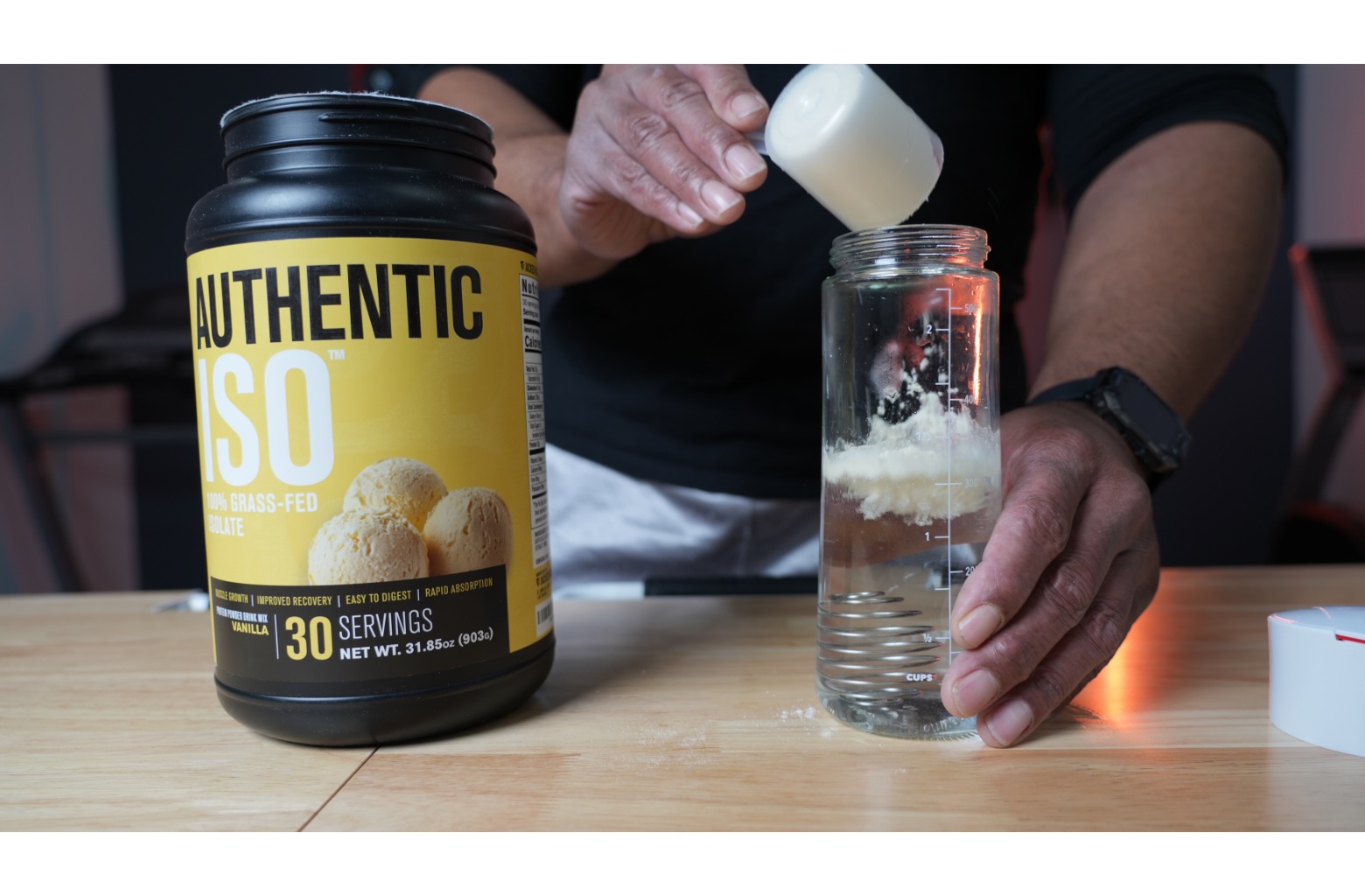
- Convenience: Protein powder offers a fast and easy way to consume protein on the go, post-workout, or as a quick snack. No cooking required, just mix with water or milk.
- Lean Source: Many protein powders, particularly isolates, are highly filtered to remove most carbohydrates and fats, providing a very high protein-to-calorie ratio. This is ideal for maintaining a calorie deficit while maximizing protein intake.
- Hitting Targets: For individuals with high protein requirements (e.g., active individuals, those with busy schedules), protein powder can bridge the gap between their dietary intake and their daily protein goals.
Choosing Wisely: General Principles for Selection
When considering a protein powder, focus on the following general principles rather than specific brands.
- Types of Protein:
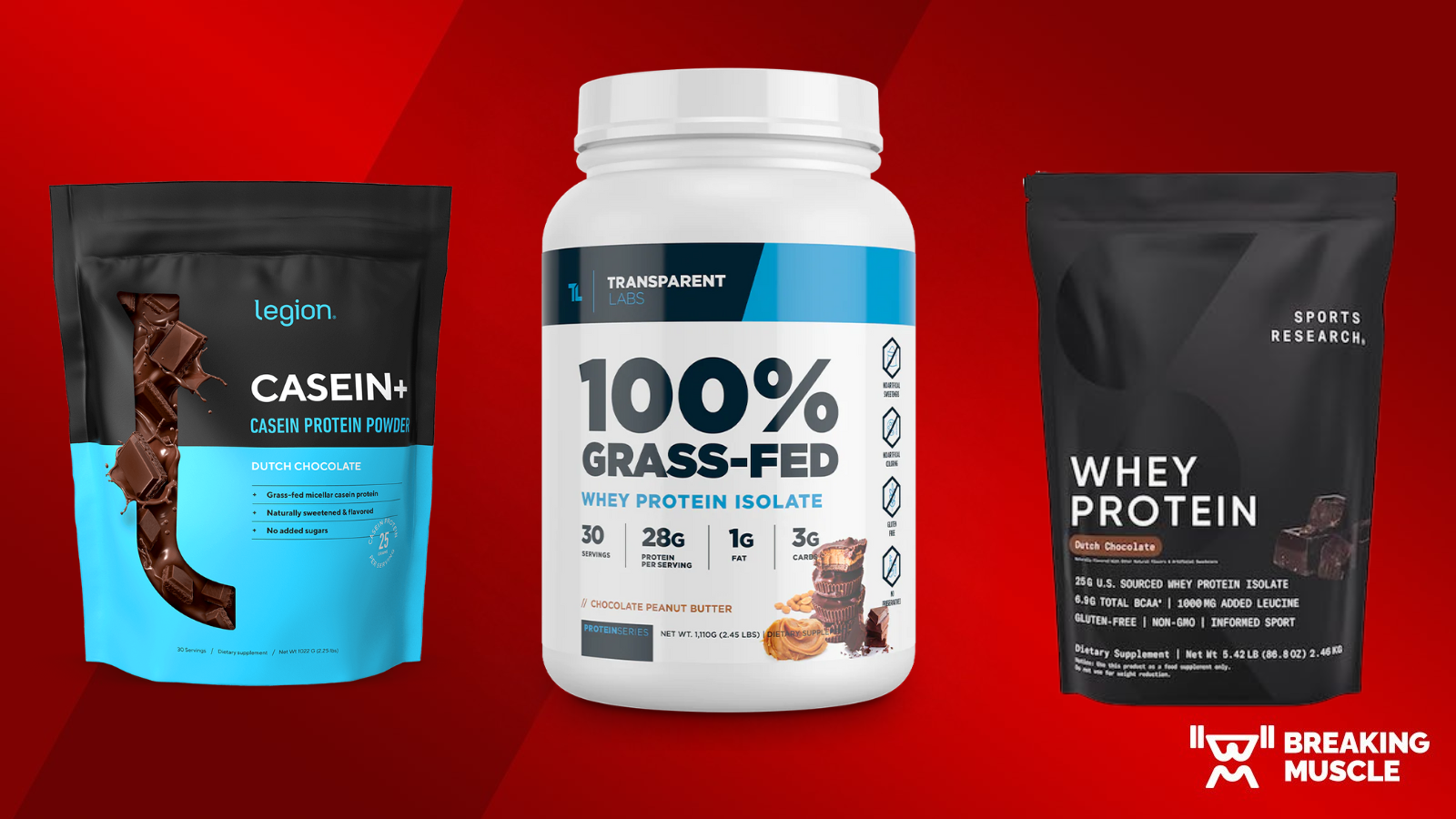
- Whey Protein: Derived from milk, it’s fast-digesting and rich in BCAAs (branched-chain amino acids), making it excellent for post-workout recovery.
- Whey Isolate: Higher protein concentration (90%+) with very little fat and lactose. Ideal for fat loss and those with lactose sensitivity.
- Whey Concentrate: Typically 70-80% protein, with slightly more carbs and fat. Usually more affordable.
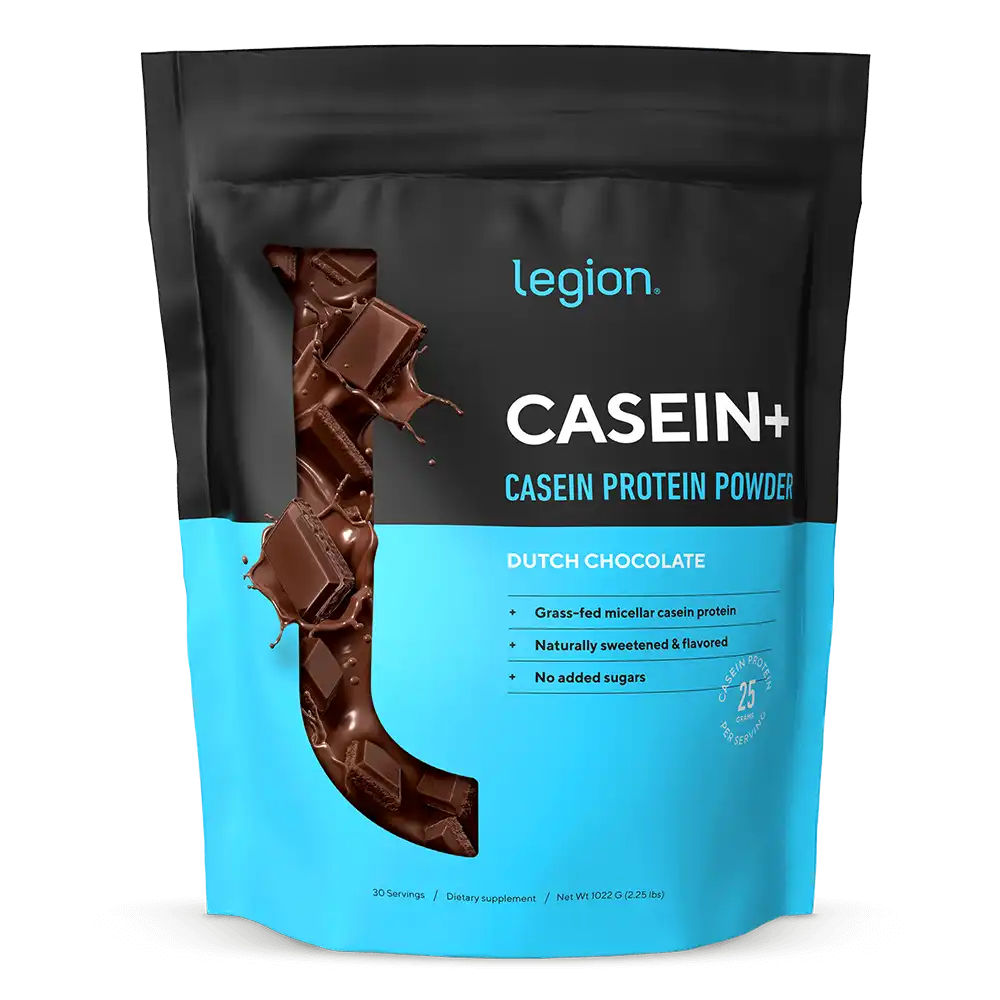
- Casein Protein: Also from milk, but slow-digesting, providing a sustained release of amino acids. Great for before bed or prolonged periods without food to prevent muscle breakdown.
- Plant-Based Protein (e.g., Pea, Rice, Soy, Hemp blends): Excellent for vegans, vegetarians, or those with dairy allergies. Look for blends (e.g., pea and rice protein) to ensure a complete amino acid profile.
- Whey Protein: Derived from milk, it’s fast-digesting and rich in BCAAs (branched-chain amino acids), making it excellent for post-workout recovery.
- Prioritize High Protein Content & Low Unnecessary Additives:
- Look for powders that provide at least 20-25 grams of protein per serving.
- Check the nutrition label for minimal added sugars, artificial fillers, and excessive amounts of carbohydrates or fats, especially if fat loss is your primary goal.
- Consider Third-Party Testing:
- For peace of mind regarding purity and safety, especially if you’re an athlete or concerned about contaminants, look for products that undergo third-party testing. This ensures the product contains what it claims and is free from harmful substances. Common certifications include NSF Certified for Sport or Informed Sport.
- Taste and Mixability:
- This is highly subjective, but important for consistency. If you don’t enjoy the taste or find it clumpy, you’re less likely to use it regularly. Many brands offer sample sizes.
When to use protein powder:
- Post-Workout: A quick shake can help kickstart muscle repair and recovery.
- Meal Replacement (Occasionally): If you’re in a pinch and need a quick, balanced meal, a protein shake blended with fruit, vegetables, and healthy fats can serve as a nutritious option. This shouldn’t be a daily habit, as whole foods offer more comprehensive nutrition.
- Snack: To curb hunger between meals or boost protein intake, a small shake can be effective.
Integrating Protein into Your Daily Routine: Actionable Strategies
Making protein a priority doesn’t have to be complicated. By strategically incorporating protein into your meals and snacks, you can effortlessly meet your daily targets and support your fat loss goals.
Breakfast Boost: Start Your Day Strong
Kickstarting your day with protein sets a powerful precedent. It helps stabilize blood sugar, reduces morning cravings, and keeps you full until your next meal.
- Eggs Galore: Scrambled eggs, omelets, or hard-boiled eggs are quick, versatile, and packed with protein. Add vegetables like spinach, mushrooms, or bell peppers for extra nutrients.
- Real-life example: Instead of just toast, try two scrambled eggs with a handful of spinach. That’s an easy 12-14g of protein to begin your day.
- Greek Yogurt Power Bowl: Combine plain Greek yogurt with berries, a sprinkle of nuts or seeds, and a dash of cinnamon.
- Real-life example: A 6oz serving of Greek yogurt with a tablespoon of chia seeds can give you 20-25g of protein.
- Protein-Rich Smoothies: Blend protein powder (if using), milk or water, a handful of spinach (you won’t taste it!), half a banana, and a tablespoon of nut butter.
- Real-life example: A smoothie with 1 scoop of protein powder, unsweetened almond milk, spinach, and half a banana can easily hit 25-30g of protein.
Smart Lunch & Dinner Choices: Prioritize Protein
When planning your main meals, think of protein as the centerpiece of your plate, then build around it with complex carbohydrates and healthy fats.
- The "Protein First" Plate: Visually allocate about a quarter to a third of your plate to a lean protein source.
- Lean & Green: Opt for grilled chicken breast, baked salmon, or a hearty lentil soup. Pair with a generous serving of colorful, non-starchy vegetables (e.g., broccoli, green beans, mixed greens) and a moderate portion of complex carbs (e.g., brown rice, sweet potato).
- Real-life example: A grilled chicken salad with a variety of greens and a light vinaigrette is a fantastic protein-packed lunch. For dinner, a piece of baked cod with steamed asparagus and a small serving of quinoa provides balanced nutrition.
- Batch Cooking: Dedicate some time on a weekend to cook larger quantities of protein (e.g., a tray of roasted chicken thighs, a pot of chili with lean ground turkey, or a batch of black bean burgers). This makes assembling quick, healthy meals during the week effortless.
Snack Smarter: Curbing Cravings with Protein
Mid-day hunger can derail even the best intentions. Strategic, protein-rich snacks keep you feeling full and prevent overeating at your next meal.
- Avoid Empty Calories: Steer clear of chips, cookies, or sugary drinks that offer little nutritional value and lead to energy crashes.
- Protein-Packed Options:
- A handful of almonds or walnuts (good fats, fiber, and protein).
- Hard-boiled eggs (easy to prepare in advance).
- Cottage cheese with a few berries.
- A small serving of jerky or biltong (check for low sugar varieties).
- Edamame (steamed or roasted).
- Real-life example: When the afternoon slump hits, instead of reaching for a sugary snack, grab a small container of cottage cheese with a few slices of cucumber. It’s refreshing, satisfying, and provides around 15g of protein.
Timing Your Protein: Consistency Over Obsession
While there’s a lot of talk about the "anabolic window" (the idea that you must consume protein immediately after a workout), research suggests that consistency throughout the day is more important than precise timing for most individuals.
- Spread It Out: Aim to distribute your protein intake fairly evenly across 3-5 meals and snacks throughout the day. This optimizes muscle protein synthesis and keeps you feeling full.
- Pre-Sleep Protein: Consuming a slow-digesting protein like casein (found in cottage cheese or a casein protein powder) before bed can provide a steady supply of amino acids to your muscles overnight, supporting recovery and preventing muscle breakdown during sleep.
Focus on making protein a consistent feature in your diet, rather than stressing over exact timing.
Beyond Protein: The Holistic Approach to Lasting Results
While protein is a powerful ally in your fat loss and muscle retention journey, it’s just one piece of the puzzle. Sustainable results come from a holistic approach that integrates several key lifestyle factors.
Resistance Training is Key: Build Your Foundation
Protein works synergistically with resistance training. You can consume all the protein in the world, but without the stimulus of lifting weights, your body won’t have a strong signal to build or preserve muscle.
- The Stimulus for Growth: Resistance training (whether with weights, resistance bands, or bodyweight exercises) creates micro-tears in your muscle fibers. Protein then provides the amino acids necessary to repair and rebuild these fibers, making them stronger and larger.
- Boost Your Metabolism: As discussed, more muscle means a higher resting metabolic rate, helping you burn more calories even when at rest.
- Practical Tip: Aim for 2-3 full-body resistance training sessions per week. Focus on compound movements (squats, deadlifts, presses, rows) that engage multiple muscle groups for maximum effectiveness. If you’re a beginner, consider working with a certified trainer to learn proper form and establish a safe, effective routine.
Prioritize Quality Sleep: The Unsung Recovery Tool
Sleep is often overlooked, but it’s a critical component of fat loss and muscle recovery. Poor sleep can sabotage your efforts in multiple ways:
- Hormonal Imbalance: Lack of sleep disrupts hunger hormones. Ghrelin (hunger) increases, while leptin (satiety) decreases, making you feel hungrier and less satisfied. It also elevates cortisol, a stress hormone that can promote fat storage, especially around the belly.
- Impaired Recovery: Your body repairs and rebuilds muscle tissue most effectively during deep sleep. Without adequate rest, your muscles won’t recover properly, hindering progress.
- Reduced Energy and Motivation: Fatigue makes it harder to stick to your workout routine and make healthy food choices.
- Practical Tip: Aim for 7-9 hours of quality sleep per night. Establish a consistent sleep schedule, create a relaxing bedtime routine, and minimize screen time before bed.
Hydration and Micronutrients: The Foundation of Health
Don’t underestimate the power of water and a nutrient-dense diet.
- Hydration: Water is essential for every bodily function, including metabolism, nutrient transport, and regulating body temperature. Sometimes, thirst can be mistaken for hunger.
- **