In an increasingly fast-paced world, the quest for a healthier, stronger self often clashes with the realities of modern living – primarily, limited time and even more limited space. The idea of a fully equipped home gym can feel like a distant dream, reserved only for those with spare rooms and expansive budgets. But what if we told you that achieving significant fitness results doesn’t require a dedicated wing of your house or an endless stream of gym memberships?
This article is your blueprint for transforming even the coziest corners of your home into a dynamic fitness sanctuary. We’ll delve into smart strategies for maximizing small spaces, explore essential, compact equipment choices – with a special focus on the incredible full-body benefits of rowing machines – and provide actionable advice to craft effective, progressive workouts. Whether you’re taking your first steps into fitness or looking to elevate an existing routine, prepare to unlock your home gym’s full potential and realize that big gains are absolutely possible, no matter how small your space.
The Dawn of the Home Fitness Era: Why Now is Your Time
The shift towards home-based fitness has been accelerating, driven by convenience, technological advancements, and a growing desire for personalized wellness. For many, the traditional gym model presents various hurdles, from travel time and crowded facilities to a lack of privacy. Home fitness removes these barriers, empowering individuals to take control of their health journey on their own terms.
Convenience and Accessibility: Breaking Down Barriers
Imagine waking up and stepping straight into your workout without battling traffic, searching for parking, or waiting for equipment. This unparalleled convenience is the cornerstone of home fitness. It means workouts can seamlessly integrate into any schedule, whether it’s a quick session before work, a mid-day energy boost, or an evening wind-down. For beginners, the intimidation of a public gym environment is completely removed, fostering a more comfortable and consistent start to their fitness journey. For intermediate enthusiasts, it means more consistent adherence to a structured program, even when life gets hectic.
Customization and Privacy: Your Workout, Your Rules
Your home gym is exactly that – yours. This translates into an environment perfectly tailored to your preferences. Play your favorite music as loud as you want, wear whatever makes you comfortable, and focus entirely on your form without external distractions. This level of privacy can be incredibly liberating, especially when trying new exercises or pushing personal boundaries. You have the freedom to experiment, learn at your own pace, and build confidence in a judgment-free zone. This customization extends to your equipment choices and workout programming, ensuring every aspect serves your specific goals.
Cost-Effectiveness Over Time: Investing in Yourself
While the initial investment in home fitness equipment might seem substantial, it often pales in comparison to the long-term costs of gym memberships, personal training sessions, and associated travel expenses. Over months and years, a thoughtfully curated home gym can become a highly cost-effective solution, providing unlimited access to your preferred workouts. Moreover, it’s an investment in your health and well-being, fostering a sustainable fitness habit that pays dividends in energy, strength, and longevity. Think of it not as an expense, but as a commitment to a healthier future.
Conquering the Space Challenge: Smart Strategies for Any Home
The most common misconception about home gyms is that they demand vast expanses. The reality is quite the opposite. With a strategic approach, even the most compact living situations can accommodate an effective workout setup. It’s about smart planning, multi-functional design, and a minimalist mindset.
Multi-Functional Zones: Your Living Room as a Gym
Every room in your home has the potential to double as a workout space. Your living room, for instance, can easily transform into a yoga studio, a bodyweight training area, or a cardio zone. The key is to view your space through a multi-functional lens:
- Clear the Path: Before each workout, quickly clear any obstacles like coffee tables or decorative items. This not only creates physical space but also mentally signals the start of your exercise.
- Utilize Open Areas: Identify the largest unobstructed floor space available. This might be in front of your TV, near a window, or in a hallway.
- Temporary Transformation: Embrace the temporary nature of your home gym. It doesn’t need to be a permanent fixture; it just needs to be functional when you need it.
Vertical Storage and Foldable Solutions: Maximizing Every Inch
When floor space is at a premium, look upwards and consider equipment that can disappear when not in use.
- Foldable Equipment: This is a game-changer for compact home gyms. Many cardio machines, like treadmills and especially rowing machines, are designed to fold upright or in half, significantly reducing their footprint.
- Wall-Mounted Storage: Shelves, hooks, and racks can keep smaller items like resistance bands, jump ropes, and even dumbbells neatly organized and off the floor.
- Under-Furniture Storage: Flat items like yoga mats or thinner resistance bands can often slide under beds or sofas, keeping them accessible but out of sight.
- Stackable Weights: Adjustable dumbbells or kettlebells consolidate multiple weights into one compact unit, saving considerable space compared to a full rack of traditional weights.
Decluttering for Clarity: A Mindset Shift
Beyond the physical benefits, decluttering your workout area (and your home in general) can have a profound psychological impact. A clean, organized space fosters a clear mind, making it easier to focus on your workout and reduce feelings of overwhelm. Before setting up your compact gym, take some time to declutter any unnecessary items. This creates not just physical space but also mental space, promoting a more positive and productive fitness environment. A minimalist approach to home design naturally complements a compact home gym setup.
Essential Equipment for Compact Home Gyms: Smart Choices for Maximum Impact
Choosing the right equipment for a small space is about prioritizing versatility, efficiency, and storage. You don’t need every gadget; focus on tools that offer a wide range of exercises and can be easily stored.
Foundation First: Bodyweight & Resistance Bands
Before investing in anything else, harness the power of your own body. Bodyweight exercises are the ultimate compact workout solution, requiring zero equipment and offering incredible versatility.
- Bodyweight Exercises: Push-ups, squats, lunges, planks, burpees – these fundamental movements build strength, endurance, and flexibility. They can be modified for any fitness level and performed anywhere.
- Resistance Bands: These lightweight, portable tools are a fantastic addition. They provide variable resistance for strength training, mobility work, and stretching. They come in various strengths and can be used to intensify bodyweight exercises or target specific muscle groups without bulky weights. A set of loop bands and a long resistance band with handles can cover a vast array of exercises.
Cardio Champions: The Power of Rowing Machines
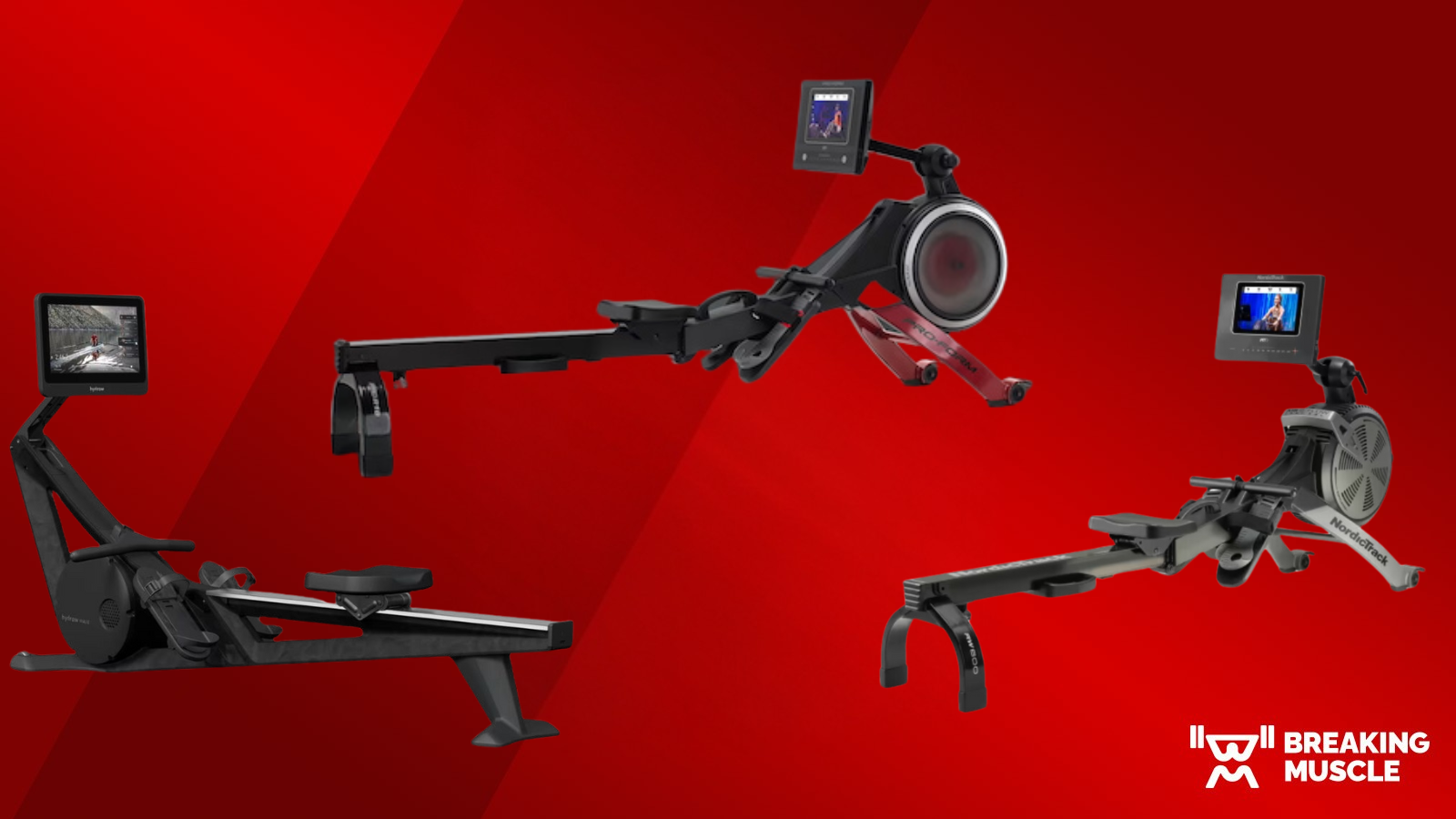
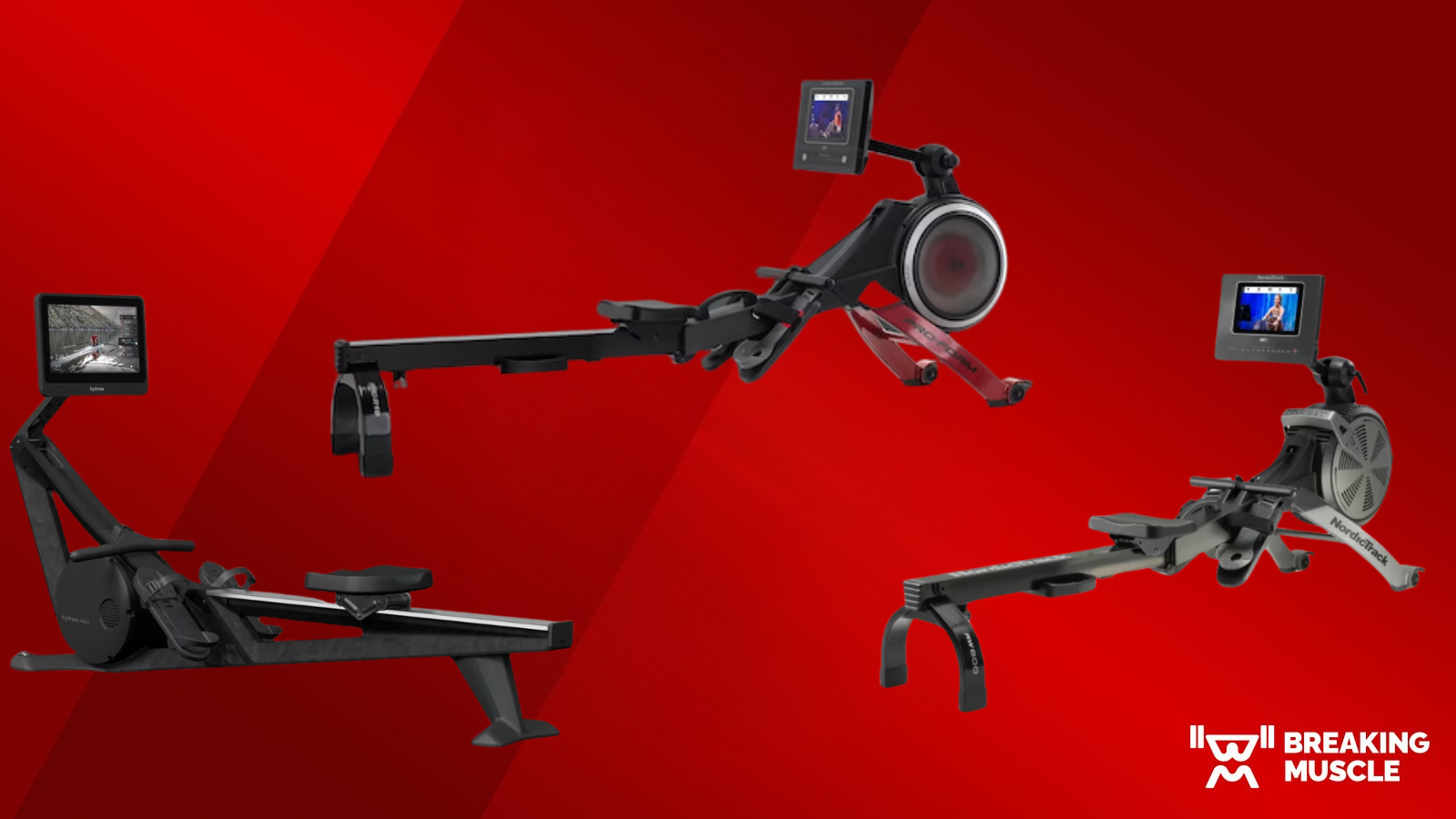
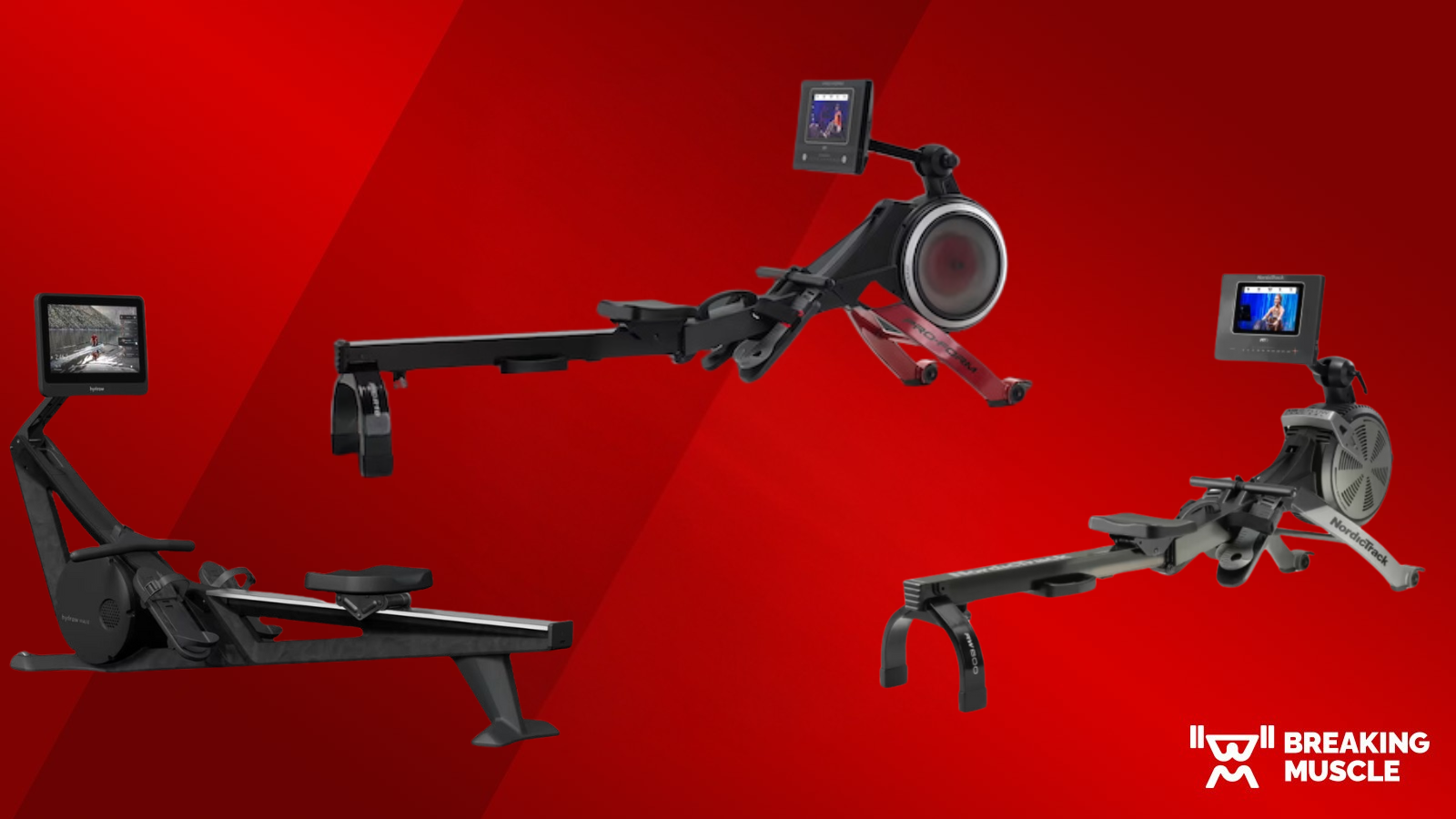
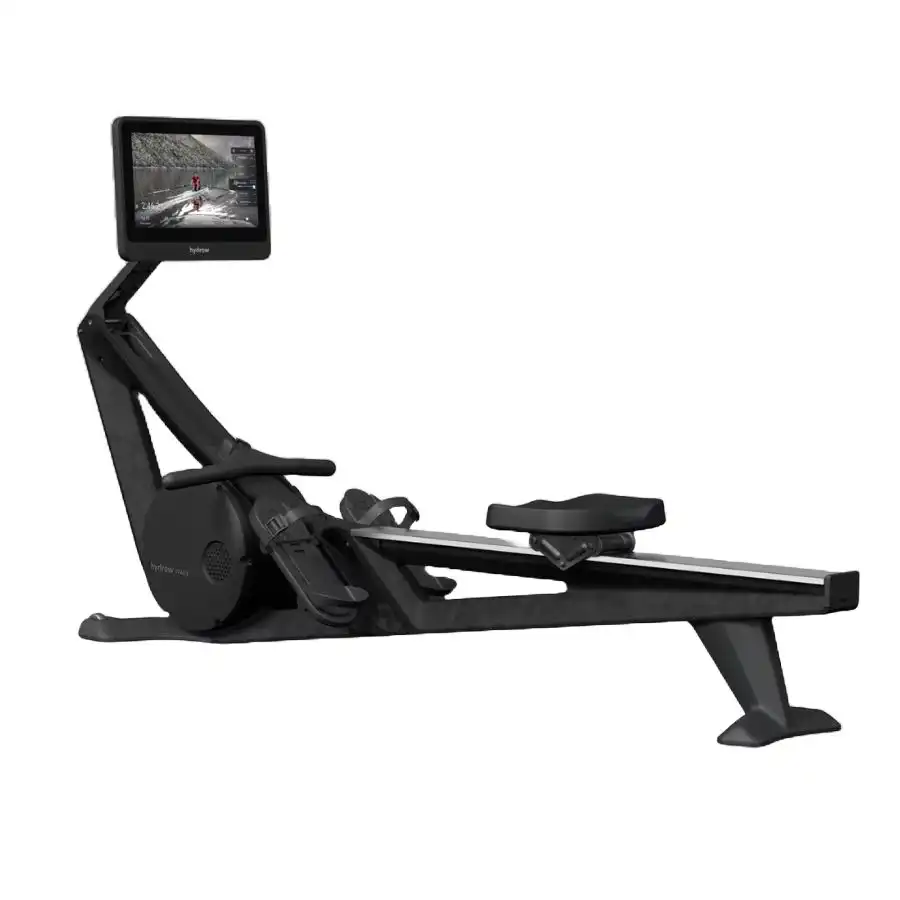
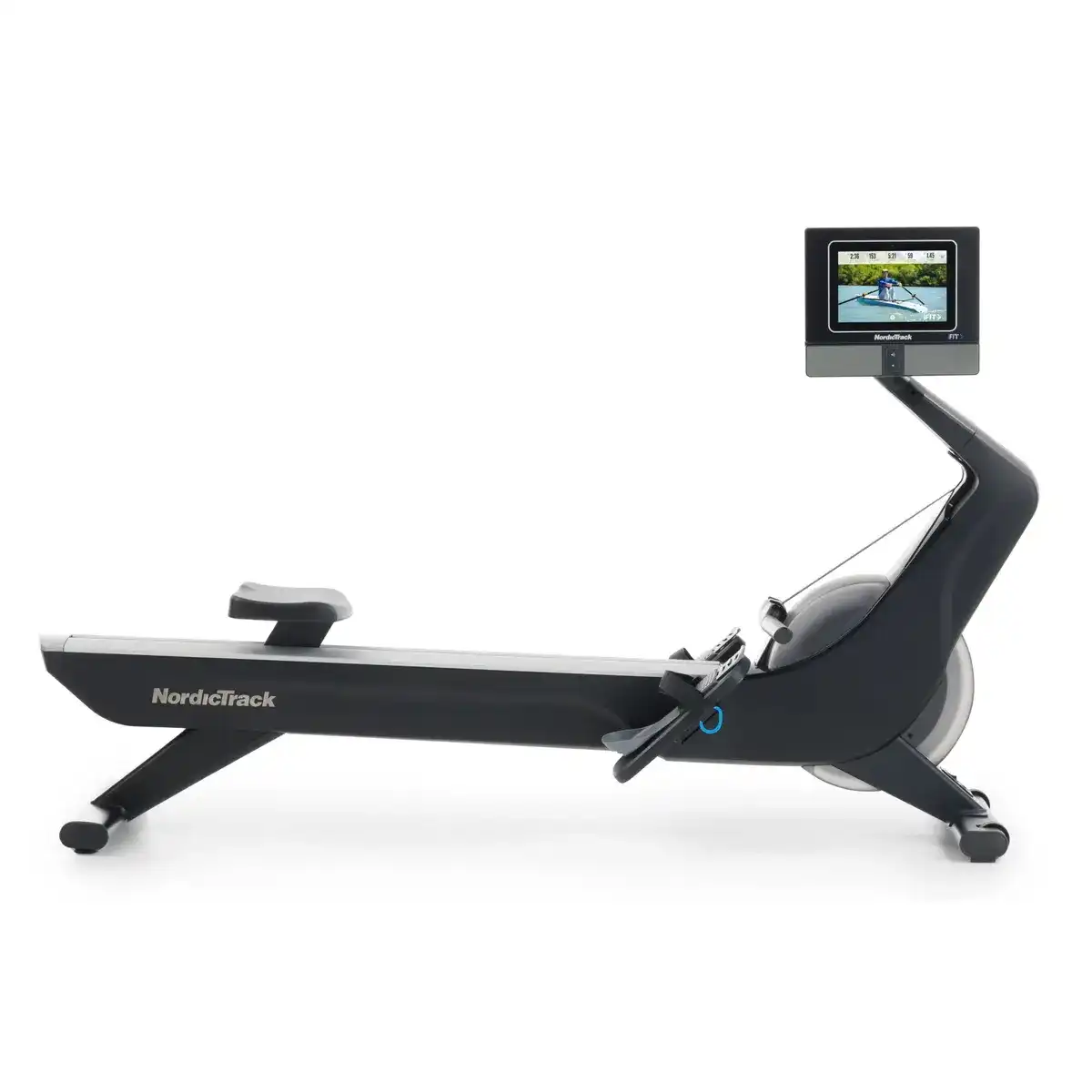
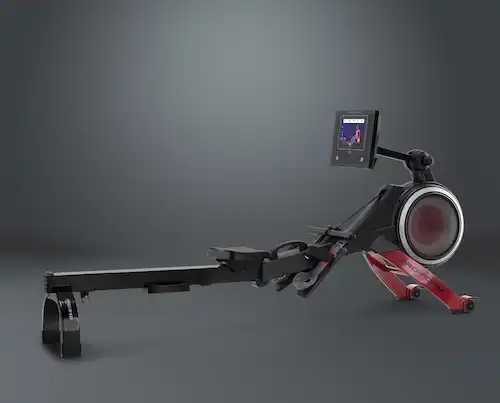
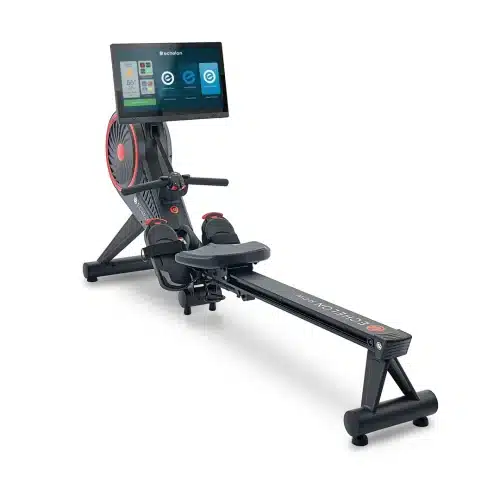
When it comes to compact cardio equipment that delivers a comprehensive full-body workout, the rowing machine stands out. It’s an often-underestimated powerhouse, perfect for small spaces due to many models’ ability to fold or store upright.
Why Rowing is Ideal for Small Spaces:
- Full-Body Engagement: Unlike many cardio machines that primarily target the lower body, rowing engages approximately 86% of your muscles across your legs, core, back, and arms. This means a highly efficient workout that builds strength and endurance simultaneously.
- Low Impact: The seated position and fluid motion of rowing place minimal stress on your joints, making it an excellent option for individuals of all ages and fitness levels, including those recovering from injuries.
- Versatile Workouts: Rowing can be used for steady-state cardio, high-intensity interval training (HIIT), or even as a warm-up or cool-down. The resistance can be adjusted to focus on power, endurance, or a balanced blend.
- Space-Saving Design: Many modern rowing machines are specifically designed for home use with features like folding rails, upright storage options, and transport wheels, allowing them to be tucked away when not in use.
Types of Resistance (General Explanation):
- Air Resistance: Uses a flywheel that spins against air, mimicking the feel of rowing on water. The harder you pull, the more resistance you feel. They tend to be louder but offer a very realistic rowing experience.
- Magnetic Resistance: Uses magnets to create tension against a flywheel. These machines are typically very quiet and offer consistent resistance levels, often adjustable digitally.
- Water Resistance: Features a tank of water with paddles inside. The sound and feel closely simulate rowing on actual water, providing a smooth, natural stroke. These are often aesthetically pleasing but can be heavier and sometimes larger.
- Hydraulic Piston Resistance: Uses hydraulic cylinders to create resistance. These are often the most compact and affordable but may offer a less natural rowing feel and independent arm movements.
Key Features to Look for in a Compact Rower:
- Folding Mechanism/Upright Storage: Crucial for small spaces. Look for designs that fold in half or stand vertically.
- Transport Wheels: Makes moving the machine around effortless, allowing you to roll it out for a workout and store it away afterwards.
- Footprint (Assembled & Stored): Always check the dimensions. Measure your available space carefully, both for when the machine is in use and when it’s stored.
- Comfort and Ergonomics: A comfortable seat and ergonomic handle are vital for longer sessions and proper form. Adjustable foot straps are also important.
- Display/Connectivity: A clear display showing metrics like strokes per minute, distance, time, and calories is useful. Some models offer smart connectivity for guided workouts or tracking.
Versatile Additions: Dumbbells, Kettlebells, and Jump Ropes
Once you have your foundation and core cardio, consider these compact additions:
- Adjustable Dumbbells: These ingenious devices allow you to change the weight with a dial or pin, replacing an entire rack of dumbbells with a single pair. They are a significant space-saver for strength training.
- Kettlebells: Excellent for dynamic, full-body movements like swings, cleans, and snatches, which combine strength, cardio, and mobility. A single kettlebell can provide a challenging workout.
- Jump Rope: The ultimate portable cardio tool. It’s incredibly effective for cardiovascular health, agility, and coordination, and takes up virtually no space.
Crafting Your Compact Workout Routine: Maximizing Every Minute
Having the right equipment is only half the battle; knowing how to use it effectively is where the real gains happen. A well-structured routine for a compact home gym focuses on efficiency, full-body movements, and progressive overload.
Full-Body Integration: The Efficiency Principle
In a compact setting, multi-joint, full-body exercises are your best friends. They work multiple muscle groups simultaneously, maximizing calorie expenditure and muscle activation in less time.
- Compound Movements: Prioritize exercises like squats, deadlifts (or Romanian deadlifts with dumbbells), push-ups, rows (on your machine or with bands/dumbbells), and overhead presses.
- Flow and Transitions: Design your workouts to flow smoothly from one exercise to the next, minimizing rest periods to keep your heart rate elevated and maximize time under tension.
Sample Weekly Schedule (Beginner/Intermediate)
This is a template you can adapt based on your fitness level and available equipment. Remember to listen to your body and adjust as needed.
-
Day 1: Full-Body Strength (Bodyweight/Dumbbells/Bands)
- Warm-up: 5-10 minutes (light cardio, dynamic stretches)
- Workout (3-4 sets of 8-15 reps, 60-90 seconds rest between sets):
- Goblet Squats (with dumbbell) or Bodyweight Squats
- Push-ups (on knees or toes)
- Dumbbell Rows (single arm) or Resistance Band Rows
- Walking Lunges (with or without dumbbells)
- Plank (hold for 30-60 seconds)
- Cool-down: 5-10 minutes (static stretches)
-
Day 2: Cardio & Core (Rowing/Jump Rope/Planks)
- Warm-up: 5 minutes (light rowing, arm circles, leg swings)
- Workout:
- Option A (Steady State Rowing): 30-45 minutes at a moderate, consistent pace. Focus on good form.
- Option B (Rowing HIIT): 5-minute warm-up, then 6-8 rounds of: 1 minute hard rowing, 1 minute easy rowing/rest. Finish with a 5-minute cool-down.
- Core Circuit (3 rounds): 30 seconds Russian Twists, 30 seconds Leg Raises, 30 seconds Bird-Dog.
- Cool-down: 5 minutes (light stretching)
-
Day 3: Active Recovery/Flexibility
- Gentle yoga, stretching routine, foam rolling, or a leisurely walk. Focus on mobility and recovery.
-
Day 4: Full-Body Strength (Variations)
- Warm-up: 5-10 minutes
- Workout (3-4 sets of 8-15 reps):
- Romanian Deadlifts (with dumbbells) or Glute Bridges
- Dumbbell Overhead Press or Pike Push-ups
- Resistance Band Pull-aparts
- Side Lunges
- Hanging Knee Raises (if you have a pull-up bar) or Crunches
- Cool-down: 5-10 minutes
-
Day 5: High-Intensity Cardio (Rowing/Jump Rope/Burpees)
- Warm-up: 5 minutes
- Workout (Choose one or combine):
- Rowing Pyramids: 1 min hard, 1 min easy; 2 min hard, 1 min easy; 3 min hard, 1 min easy; then descend (2 min hard, 1 min easy; 1 min hard, 1 min easy).
- Jump Rope Intervals: 30 seconds fast jump, 30 seconds rest (repeat 10-15 times).
- Bodyweight HIIT Circuit (3-4 rounds, 45 seconds work, 15 seconds rest): Burpees, Mountain Climbers, High Knees, Squat Jumps.
- Cool-down: 5 minutes
-
Day 6 & 7: Rest or Light Activity
- Allow your body to recover. Enjoy a walk, gentle cycling, or spend time on active hobbies.
The Art of Progressive Overload in Limited Spaces
Progressive overload – continually challenging your muscles to grow stronger – is fundamental to making progress. In a compact home gym, this doesn’t always mean adding more weight.
- Increase Reps/Sets: Do more repetitions or add another set to your exercises.
- Reduce Rest Time: Shorten the breaks between sets to increase intensity and cardiovascular challenge.
- Improve Form: Focus on slower, more controlled movements, increasing time under tension.
- Add Resistance: Introduce heavier resistance bands or adjustable dumbbell settings.
- Increase Frequency: Add an extra workout day if your body recovers well.
- Advanced Variations: Progress from knee push-ups to full push-ups, or from bodyweight squats to jump squats.
The Importance of Warm-up and Cool-down
Never skip these crucial phases. A proper warm-up prepares your body for exercise, increasing blood flow to muscles and reducing injury risk. A cool-down helps your heart rate return to normal, reduces muscle soreness, and improves flexibility. Dedicate 5-10 minutes to each.
Mastering Your Rowing Form: Unlocking Full-Body Potential
Given the immense benefits of a rowing machine in a compact space, perfecting your form is paramount to maximizing its effectiveness and preventing injury. The rowing stroke is a powerful, fluid movement that engages your entire body in a coordinated sequence.
The Four Phases of a Stroke
Think of the rowing stroke as a continuous cycle with four distinct phases:
-
The Catch: This is your starting position.
- Position: Knees are bent, shins vertical, heels might be slightly lifted.
- Body: Torso is leaned slightly forward from the hips, arms are extended straight out in front, shoulders relaxed.
- Grip: Hold the handle with an overhand grip, wrists flat, not bent.
- Focus: Be ready to drive powerfully with your legs.
-
The Drive: This is the most powerful part of the stroke.
- Sequence: It’s a powerful legs-first push. Drive through your heels, extending your legs.
- Body: As your legs extend, hinge back slightly from your hips, engaging your core and glutes.
- Arms: Once your legs are almost fully extended and your torso is leaned back, pull the handle towards your lower ribs/upper abdomen.
- Focus: Think of pushing the machine away with your legs, not pulling the handle towards you with your arms.
-
The Finish: This is the end of the drive phase.
- Position: Legs are fully extended and flat. Torso is leaned back slightly (around 10-20 degrees past vertical).
- Arms: Handle is held at your lower ribs/upper abdomen, elbows close to your body.
- Focus: Maintain a strong, engaged core. This is where you pause briefly to maximize muscle contraction.
-
The Recovery: This is the return to the catch position, a controlled reverse of the drive.
- Sequence: Extend your arms first, pushing the handle away from your body.
- Body: Once your arms are fully extended, hinge forward from your hips, bringing your torso back to the upright position.
- Legs: Allow your knees to bend as the seat slides forward, bringing your shins back to a vertical position.
- Focus: The recovery should be smooth and controlled, about twice as long as the drive. Don’t rush it.
Common Mistakes and How to Avoid Them
- Hunching or Rounding the Back: This puts undue stress on your spine.
- Fix: Maintain a strong, neutral spine throughout the stroke. Initiate the torso lean from your hips, not your lower back.
- Pulling with Arms Too Early: Often called "arm pulling," this neglects the power of your legs and core.
- Fix: Remember the sequence: Legs-Core-Arms on the drive, and Arms-Core-Legs on the recovery. Your arms are the last to engage and the first to release.
- Rushing the Recovery: A fast recovery can lead to poor form and less efficient strokes.
- Fix: Control the recovery phase. It should be deliberate and allow you to reset for a powerful next drive. Aim for a 1:2 ratio (drive:recovery).
- Over-Compressing at the Catch: Bending too far forward or bringing your knees too high.
- Fix: Keep your shins vertical at the catch. Excessive compression can restrict power.
- "Opening Up" Too Early: Extending the back before the legs have fully driven.
- Fix: Ensure a strong leg drive before the torso begins to hinge back significantly.
Integrating Rowing into Your Routine
- Interval Training: Alternate periods of high-intensity rowing with periods of low-intensity recovery. This is excellent for cardiovascular fitness and calorie burning.
- Steady State Cardio: Maintain a consistent, moderate pace for a longer duration (20-60 minutes). Builds endurance.
- Strength Focus: Use higher resistance settings and shorter, more powerful strokes to build muscular endurance and power.
- Warm-up/Cool-down: Start or end your workouts with 5-10 minutes of light rowing to prepare or recover your body.
Beyond the Physical: Nurturing Your Home Fitness Mindset
Physical exercise is only one component of a holistic fitness journey. Cultivating a positive and resilient mindset is equally important, especially when navigating the unique challenges and opportunities of a home gym.
Setting Realistic Goals: Small Wins, Big Momentum
Avoid the trap of unrealistic expectations. Instead of aiming for an overnight transformation, focus on achievable, short-term goals.
- Process Goals: "I will work out three times this week" or "I will master proper rowing form for 10 minutes."
- Performance Goals: "I will increase my push-ups by 2 reps" or "I will row for 500 meters faster than last week."
Celebrate these small victories. Each accomplished goal builds momentum and reinforces your commitment, paving the way for bigger achievements.
Consistency Over Intensity: The Power of Habit
The most effective workout is the one you consistently do. It’s far better to complete a moderate 20-minute workout consistently three times a week than to attempt a grueling 90-minute session once a month. Build fitness into your routine until it becomes an automatic habit. Start small, be consistent, and gradually increase intensity and duration as your fitness improves.
Listening to Your Body: Preventing Overtraining
Your body is your most valuable fitness tool, and learning to interpret its signals is crucial.
- Rest Days: Incorporate adequate rest days into your schedule to allow muscles to recover and grow.
- Active Recovery: On rest days, consider light activities like walking or gentle stretching instead of complete inactivity.
- Pain vs. Soreness: Understand the difference. Muscle soreness is normal; sharp or persistent pain is a signal to stop and assess.
- Sleep: Prioritize quality sleep, as it plays a vital role in recovery, hormone regulation, and overall well-being.
Tracking Progress: The Fuel for Motivation
Seeing tangible progress is incredibly motivating. Keep a simple workout log or use a fitness app to track key metrics.
- Strength: Record reps, sets, and weights used for each exercise.
- Cardio: Note distance, time, pace, and resistance levels for rowing or other cardio.
- Non-Scale Victories: Pay attention to how your clothes fit, improved energy levels, better sleep, increased strength in daily tasks, and overall mood enhancement. These are often more indicative of long-term success than just the number on the scale.
Conclusion
The journey to a healthier, stronger you doesn’t require a lavish gym membership or an expansive home. It demands commitment, smart planning, and the courage to start. By embracing the power of compact fitness, you’re not just saving space; you’re building a sustainable lifestyle, fostering discipline, and investing in your most valuable asset: yourself.
Remember, every great fitness journey begins with a single step – or in this case, a single stroke. Whether you’re mastering the form on your new rowing machine, perfecting a bodyweight squat, or simply finding joy in movement within your own four walls, know that you are capable of achieving incredible things. Your home, no matter its size, holds the potential for big gains. So, clear a small space, grab your gear, and embark on a fitness revolution that’s entirely your own. The power to transform is within you, and your ultimate home workout sanctuary awaits.