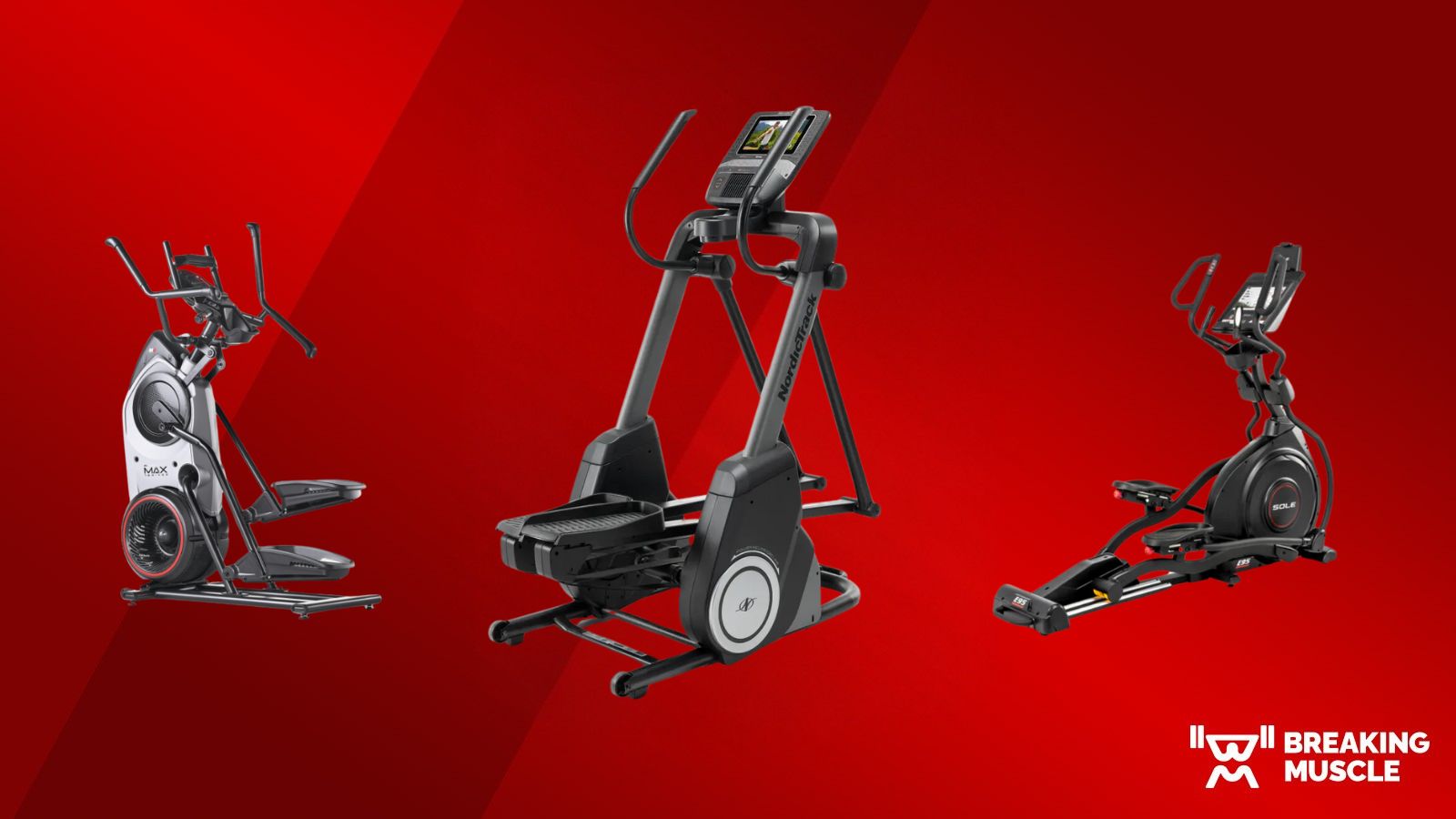
In the vast landscape of fitness equipment, the elliptical machine often stands as a quiet workhorse. It’s a staple in gyms, a reliable presence in home workout spaces, and a favorite for many seeking effective cardiovascular exercise without the jarring impact often associated with other modalities. Yet, for many, the elliptical remains an untapped resource, a machine they simply "get on" rather than truly "engage with."
This comprehensive guide is designed to transform your relationship with the elliptical, turning a routine cardio session into a powerful, full-body fitness experience. Whether you’re just beginning your fitness journey, looking for a joint-friendly alternative, or an intermediate enthusiast aiming to elevate your workouts, we’ll delve into the mechanics, benefits, and advanced strategies that will help you unlock your full potential and stride towards a stronger, healthier you.
The Elliptical Advantage: More Than Just Cardio
Before we dive into the "how-to," let’s truly appreciate what makes the elliptical a standout piece of equipment. Its unique design offers a compelling combination of benefits that address common fitness concerns and cater to a wide range of needs.
Low-Impact, High Reward: Protecting Your Joints
One of the most significant advantages of elliptical training is its low-impact nature. Unlike running or even brisk walking, where your feet repeatedly strike a hard surface, the elliptical’s gliding motion keeps your feet perpetually in contact with the pedals. This minimizes stress on your knees, hips, ankles, and spine, making it an ideal choice for:
- Individuals with joint pain or conditions: Arthritis sufferers, those recovering from injuries, or anyone looking to reduce wear and tear on their joints can enjoy a robust cardio workout without discomfort.
- Beginners: Easing into exercise can be daunting, and the elliptical provides a gentle entry point, allowing you to build fitness without immediately challenging joint resilience.
- Active recovery: Even seasoned athletes benefit from low-impact days, allowing their bodies to recover while maintaining cardiovascular conditioning.
The ability to achieve a significant calorie burn and cardiovascular challenge without the pounding makes the elliptical a smart, sustainable choice for long-term fitness.
Full-Body Engagement: Upper and Lower Synergy
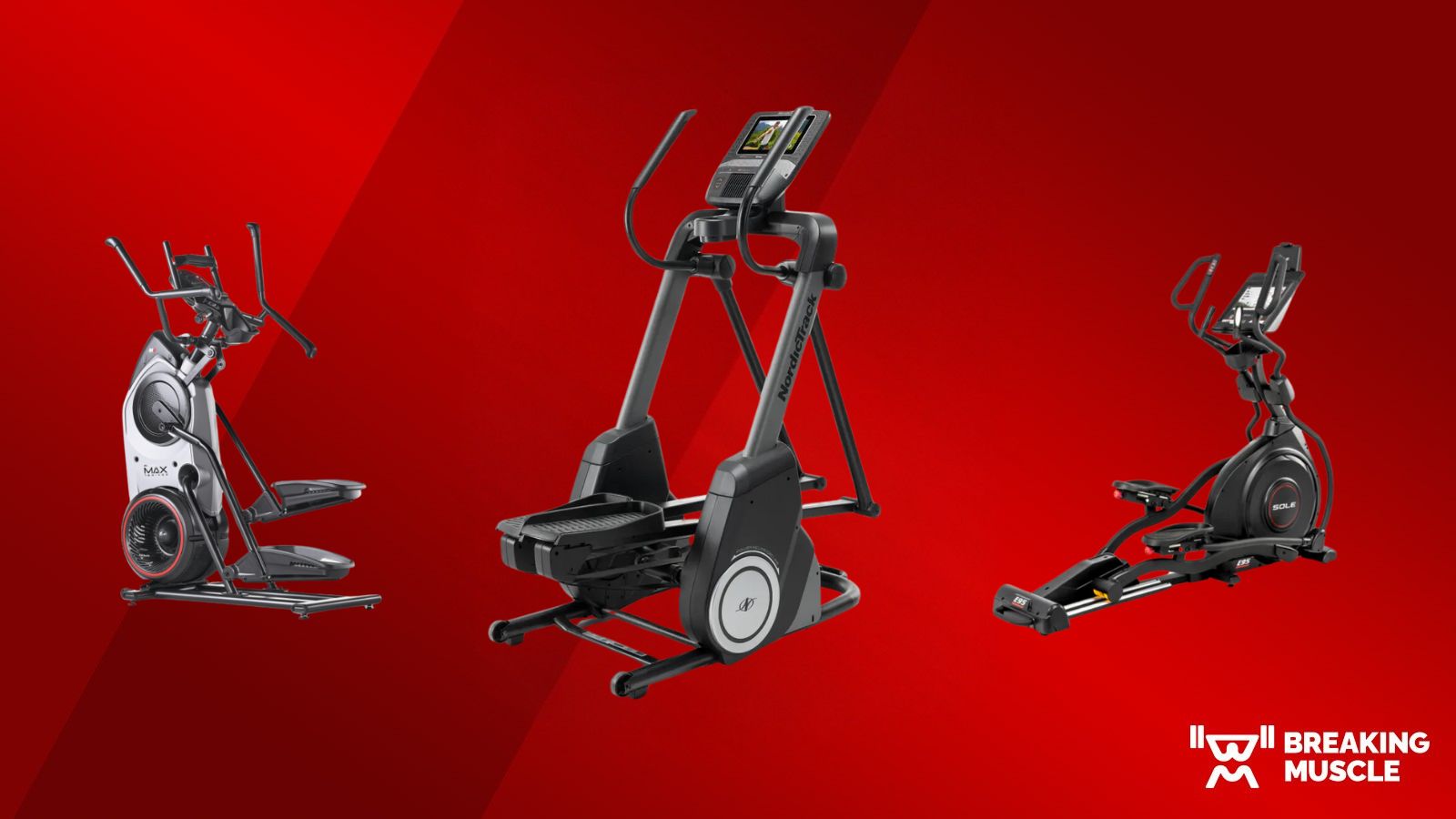
Many cardio machines primarily target the lower body. The elliptical, however, is a true full-body trainer. Its moving handlebars engage your upper body, turning a simple leg workout into a comprehensive effort.
- Lower Body: Your glutes, hamstrings, quadriceps, and calves are constantly active, driving the pedals. Varying resistance and incline can shift the emphasis, allowing for targeted muscle activation.
- Upper Body: Pushing and pulling the handles works your biceps, triceps, shoulders, and back muscles. This not only burns more calories but also contributes to improved upper body strength and endurance.
- Core Stability: Maintaining balance and proper form throughout the elliptical motion requires continuous engagement of your core muscles – your abdominals and lower back. This subtle but constant activation helps to build a stronger, more stable trunk.
This synergistic movement means you’re getting more bang for your buck with every workout, maximizing efficiency and promoting balanced muscular development.
Versatility for Every Goal: From Endurance to HIIT
The elliptical’s adaptability makes it a powerful tool for a diverse array of fitness goals.
- Endurance Training: By maintaining a steady, moderate pace and resistance for an extended period, you can significantly improve your cardiovascular endurance, boost stamina, and enhance your body’s efficiency at utilizing oxygen.
- Weight Management: The full-body engagement and customizable intensity allow for substantial calorie expenditure, a critical component of any effective weight management strategy. When combined with a balanced diet, regular elliptical workouts can accelerate fat loss.
- High-Intensity Interval Training (HIIT): The ability to quickly adjust resistance and speed makes the elliptical perfect for HIIT. Short bursts of maximum effort followed by periods of active recovery can dramatically improve anaerobic fitness, metabolic rate, and calorie burn in a shorter time frame.
- Muscle Toning: While not a primary strength training tool, the resistance offered by the elliptical can contribute to muscle toning and definition, particularly in the lower body and core, when combined with varied workouts.
This inherent versatility means your elliptical can grow with you, adapting to your evolving fitness level and objectives.
Demystifying the Machine: Key Components and How They Work
To truly master your elliptical, it helps to understand the fundamental components and how they contribute to your workout experience. This knowledge empowers you to make informed adjustments and get the most out of every session.
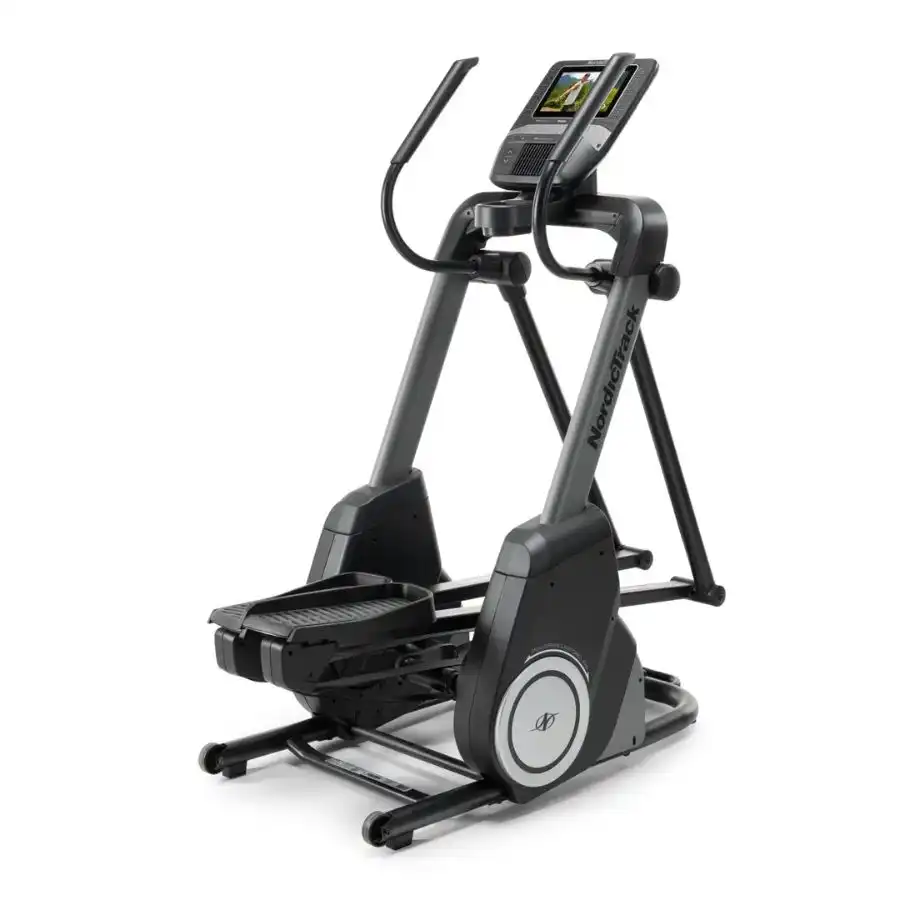
Understanding the Console: Metrics That Matter
The console is your control center and data hub. While features vary, most ellipticals provide essential metrics:
- Time: Duration of your workout.
- Distance: Simulated distance traveled.
- Speed: How fast you are pedaling.
- RPM (Revolutions Per Minute): Measures how quickly the pedals are turning, offering a more consistent measure of effort than speed alone.
- Calories Burned: An estimate of caloric expenditure (note: these are often overestimates, but useful for tracking trends).
- Heart Rate: Many ellipticals have handgrip sensors or are compatible with chest straps, allowing you to monitor your heart rate, a key indicator of workout intensity.
- Resistance Level: Displays your current resistance setting.
- Incline Level: If your machine has this feature, it shows the current ramp angle.
Actionable Advice: Don’t just glance at the numbers. Use them! Track your progress over time, set targets for each metric, and use heart rate to ensure you’re working within your target zones.
Resistance and Incline: Your Power Dials
These two features are your primary tools for manipulating workout intensity and targeting different muscle groups.
- Resistance: This controls how hard you have to push and pull to move the pedals and handles. Increasing resistance makes the movement more challenging, building strength and endurance.
- Practical Tip: Think of resistance as climbing a hill. Higher resistance recruits more muscle fibers and increases cardiovascular demand. Start with a moderate resistance where you can maintain good form, then gradually increase it as your strength improves.
- Incline: (Available on some models) This feature changes the angle of the elliptical path, mimicking climbing a steeper hill.
- Practical Tip: Increasing the incline primarily targets your glutes and hamstrings more intensely, similar to stair climbing. Lowering the incline can shift focus to the quads. Experiment with different incline levels to vary your muscle activation.
Stride Length and Ergonomics: Finding Your Flow
Stride length refers to the maximum distance the pedals move forward and backward. While many ellipticals have a fixed stride length (typically 18-20 inches), some offer adjustable options.
- Importance of Stride Length: A comfortable stride length is crucial for a natural, fluid motion. If the stride is too short for your height, it can feel like you’re "mincing" steps; too long, and it can feel awkward or overstretched. Most people find a 19-21 inch stride comfortable.
- Ergonomics: Beyond stride length, consider the overall feel. Are the pedals comfortably spaced? Do the handlebars allow for a natural arm swing? A well-designed elliptical promotes proper body alignment and reduces strain.
Actionable Advice: When trying an elliptical, pay attention to how natural the movement feels. Your feet should remain flat on the pedals, and your knees should have a slight bend at the top of the stride, never fully locking out.
Crafting Your Elliptical Workout: From Beginner to Breakthrough
Now that you understand the machine, let’s build your workout strategy. Regardless of your current fitness level, a structured approach will yield the best results.
The Foundation: Warming Up and Cooling Down
Never skip these critical phases.
- Warm-up (5-10 minutes):
- Purpose: Prepares your body for exercise by increasing blood flow to muscles, elevating heart rate gradually, and improving joint mobility.
- How: Start with a very light resistance and a slow to moderate pace. Incorporate dynamic stretches like arm circles, leg swings, and torso twists off the machine before you begin, or perform them gently on the machine.
- Cool-down (5-10 minutes):
- Purpose: Gradually brings your heart rate down, prevents blood pooling, and helps reduce muscle soreness.
- How: Reduce your speed and resistance to a very low level. Continue for 3-5 minutes, then dismount and perform static stretches, holding each stretch for 20-30 seconds. Focus on the major muscle groups used: quads, hamstrings, glutes, calves, chest, and back.
Mastering the Basics: Form and Posture Perfection
Good form isn’t just about looking good; it’s about efficiency, effectiveness, and injury prevention.
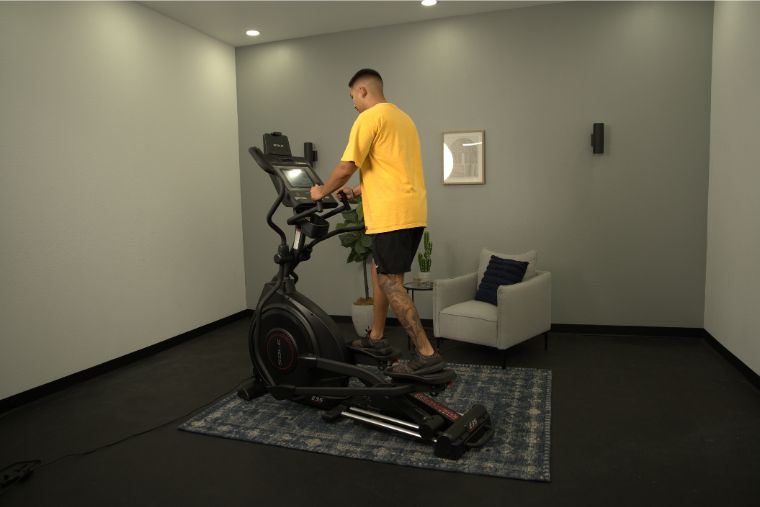
- Feet Flat and Centered: Keep your entire foot on the pedal throughout the motion. Avoid rising onto your toes or letting your heels lift excessively, as this can strain your calves and ankles.
- Chest Up, Shoulders Back: Maintain an upright posture. Avoid slouching or hunching over the console. Keep your shoulders relaxed and pulled slightly back, away from your ears.
- Core Engaged: Lightly brace your abdominal muscles, as if preparing for a gentle punch. This supports your spine and improves overall stability.
- Gentle Grip on Handles: The handles are there to provide an upper body workout and assist with balance, not to support your entire body weight. Grip them lightly. Leaning heavily on them reduces the lower body and core engagement, essentially cheating yourself out of a full workout.
- Natural Stride: Allow your legs to move naturally, mimicking a running or walking motion without impact.
Real-Life Example: Imagine a string pulling your head towards the ceiling, elongating your spine. This visual cue can help maintain an upright, engaged posture throughout your workout.
Beginner’s Blueprint: Building Endurance Safely
If you’re new to elliptical training or exercise in general, focus on consistency and building a solid foundation.
- Frequency: Aim for 3-4 sessions per week on non-consecutive days.
- Duration: Start with 20-30 minutes per session.
- Intensity: Maintain a steady, moderate pace where you can hold a conversation but are slightly breathless (Rate of Perceived Exertion (RPE) of 4-5 out of 10).
- Resistance: Begin with a low to moderate resistance level that feels challenging but allows for smooth, continuous movement.
- Progression: Once 30 minutes at your current intensity feels easy, gradually increase duration by 5 minutes per week, or slightly increase resistance.
Sample Beginner Workout:
- Warm-up: 5 minutes (low resistance, slow pace)
- Main Set: 20-25 minutes (moderate resistance, steady pace, RPE 4-5)
- Cool-down: 5 minutes (very low resistance, slow pace)
Intermediate Intensity: Elevating Your Challenge
Once you’ve built a base level of fitness, it’s time to introduce more varied and challenging workouts to continue progressing.
- Interval Training (HIIT on Elliptical): This is a fantastic way to boost cardiovascular fitness, burn more calories, and improve endurance in shorter sessions.
- Benefits: Improves aerobic and anaerobic capacity, boosts metabolism, time-efficient.
- Sample Structure:
- Warm-up: 5 minutes (low resistance, moderate pace)
- Work Interval: 1-2 minutes at high intensity (high resistance, fast pace, RPE 7-8). You should be very breathless and struggle to speak.
- Recovery Interval: 2-3 minutes at low intensity (low resistance, moderate pace, RPE 3-4). Focus on recovering your breath.
- Repeat: 4-6 cycles of work/recovery.
- Cool-down: 5 minutes.
- Resistance Progression: Continuously challenge your muscles.
- Practical Tip: Every few workouts, try increasing your resistance level by one notch. If you can maintain your desired speed and duration with good form, stick with it. If not, reduce slightly and build up.
- Incline Integration: If your machine has an incline feature, use it strategically.
- Practical Tip: During longer steady-state workouts, vary the incline every 5-10 minutes to engage different leg muscles. For interval training, you could use a high incline during your work intervals to further intensify the lower body challenge.
Advanced Strategies: Pushing Your Limits
For those looking to maximize their elliptical experience and break through plateaus.
- Reverse Pedaling: Don’t just go forward! Pedaling backward on the elliptical activates your hamstrings and glutes differently.
- Practical Tip: Incorporate 2-5 minute segments of reverse pedaling into your workouts. Maintain good posture and control.
- Varying Hand Positions: Most ellipticals offer stationary and moving handlebars.
- Moving Handles: Push and pull actively for a full-body workout.
- Stationary Handles: Focuses primarily on the lower body and core, allowing you to drive harder with your legs.
- No Handles (Carefully!): For advanced users with excellent balance, letting go of the handles (for short periods) forces intense core engagement. Ensure you have stable footing and can maintain balance without support.
- Long-Duration Steady State: For endurance athletes or those building mental fortitude, extended sessions (45-60+ minutes) at a moderate intensity are highly beneficial.
- Practical Tip: Use this time for active meditation, listening to podcasts, or watching a show, but always remain mindful of your form and effort.
Maximizing Your Results: Smart Training Principles
Beyond the specific workouts, integrating these broader fitness principles will ensure consistent progress and sustained motivation.
Consistency is Key: Making it a Habit
The most effective workout is the one you actually do. Regularity trumps sporadic bursts of extreme effort. Aim for a consistent schedule, even if it means shorter workouts on busy days.
Actionable Advice: Schedule your elliptical workouts like important appointments. Find a time that works best for you and stick to it. Over time, it will become an ingrained habit.
The Power of Progressive Overload: Always Evolve
Your body adapts quickly. To continue seeing results, you must gradually increase the demand placed on it. This is progressive overload.
- How to apply it: Increase duration, resistance, incline, or speed. Introduce new workout types (e.g., switch from steady-state to HIIT). Reduce rest times during intervals.
- Practical Tip: Don’t increase everything at once. Focus on one variable at a time (e.g., increase resistance for two weeks, then add 5 minutes to your duration).
Listen to Your Body: Preventing Overtraining and Injury
While pushing yourself is important, ignoring warning signs is detrimental. Pain is your body’s alarm system.
- Pay Attention To: Persistent fatigue, unusual muscle soreness, joint discomfort, decreased performance, or irritability.
- Actionable Advice: Incorporate rest days. If something hurts, stop. Consult a professional if pain persists. Sometimes, a deload week (reducing intensity/volume) can be incredibly beneficial.
Fueling Your Performance: Nutrition and Hydration
Your workouts are only as good as the fuel you put into your body.
- Nutrition: Focus on a balanced diet rich in whole foods: lean proteins for muscle repair, complex carbohydrates for energy, healthy fats for overall health, and plenty of fruits and vegetables for vitamins and minerals.
- Hydration: Drink water consistently throughout the day, especially before, during, and after your workouts. Dehydration can significantly impair performance and recovery.
Tracking Your Progress: Motivation Through Metrics
Seeing how far you’ve come is a powerful motivator.
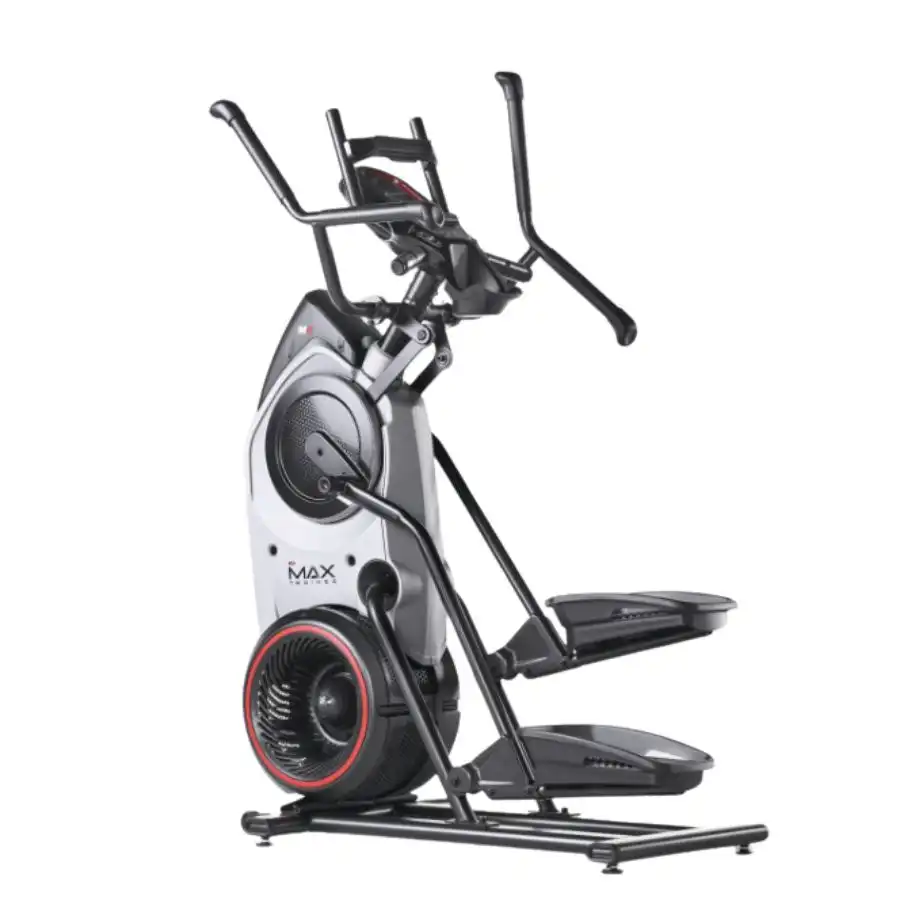
- Workout Journal: Record your workout details: date, duration, average speed, resistance, incline, and how you felt.
- Fitness Apps: Many ellipticals connect to apps, or you can use general fitness trackers to monitor heart rate, calories, and activity levels.
- Non-Scale Victories: Don’t just focus on weight. Note improved energy levels, better sleep, clothes fitting differently, increased strength, and a more positive mood.
Real-Life Example: Sarah, a beginner, started with 20 minutes at resistance level 5. After 8 weeks of consistent tracking and progressive overload, she was doing 35-minute interval workouts at resistance levels 8 and 12, feeling stronger and more energized than ever. Her numbers showed undeniable progress, keeping her motivated.
Common Elliptical Mistakes to Avoid
Even with the best intentions, subtle errors can undermine your elliptical training. Be aware of these common pitfalls:
Leaning on the Handles: Cheating Yourself
This is perhaps the most common mistake. Resting heavily on the handlebars reduces the effort required from your legs and core, diminishing your calorie burn and muscle engagement.
- Rectification: Maintain a light grip. Imagine you could lift your hands off the handles at any moment. Let your legs and core do the primary work.
Ignoring Resistance: The Easy Way Out
Sticking to a consistently low resistance might feel comfortable, but it won’t challenge your body enough to drive significant adaptation and progress.
- Rectification: Embrace progressive overload. Regularly increase your resistance as your fitness improves. Don’t be afraid to make it challenging – that’s where growth happens.
Poor Posture: Risks and Rectifications
Slouching, hunching, or locking your knees can lead to discomfort, strain, and inefficient movement.
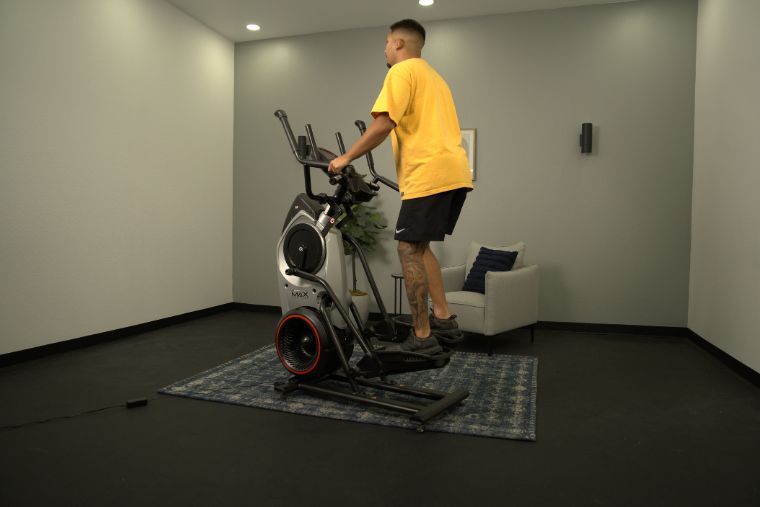
- Rectification: Actively remind yourself of proper form: chest up, shoulders back, core engaged, feet flat. Use a mirror if available to check your posture.
Skipping the Warm-up/Cool-down: A Recipe for Stagnation
Neglecting these crucial phases increases injury risk and can hinder recovery.
- Rectification: Integrate them as non-negotiable parts of your workout. Think of them as bookends to your main session.
Monotony: The Enemy of Progress
Doing the exact same workout, day in and day out, can lead to plateaus and boredom. Your body needs variety to keep adapting.
- Rectification: Embrace the elliptical’s versatility! Alternate between steady-state cardio, HIIT, incline-focused workouts, and reverse pedaling sessions. Keep your body guessing and your mind engaged.
Integrating Elliptical Training into a Holistic Fitness Plan
The elliptical is a fantastic tool, but it truly shines when integrated into a well-rounded fitness regimen.
Complementing Strength Training: A Balanced Approach
Cardio and strength training are two sides of the same fitness coin.
- Benefits: Elliptical training can improve cardiovascular endurance for longer strength workouts, aid in active recovery between lifting sessions, and burn additional calories for fat loss goals. Strength training, in turn, builds the muscles that support your elliptical performance.
- Practical Tip: Combine them! For example, perform strength training 2-3 times a week and elliptical workouts 2-3 times a week, ensuring adequate rest between intense sessions.
Cross-Training Benefits: Enhancing Other Activities
If you enjoy other sports or activities, the elliptical can be a powerful cross-training tool.
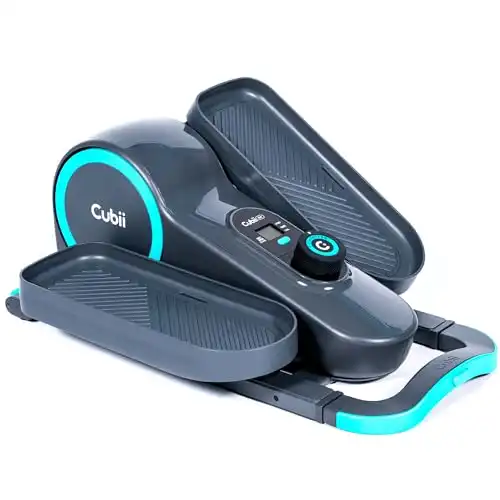
- Runners: The low-impact nature allows runners to maintain cardiovascular fitness and strengthen leg muscles without the pounding associated with running, reducing injury risk.
- Cyclists: Elliptical training can build leg endurance and work the upper body, which cyclists sometimes neglect.
- Team Sports: Improved stamina and full-body conditioning translate directly to better performance on the field or court.
Mind-Body Connection: The Mental Boost of Movement
Beyond the physical, elliptical training offers significant mental health benefits.
- Stress Reduction: Exercise is a powerful stress reliever, releasing endorphins that improve mood.
- Improved Focus: The rhythmic motion can be meditative, helping to clear your mind.
- Enhanced Sleep: Regular physical activity contributes to better sleep quality.
Real-Life Example: Mark used the elliptical as his primary cardio for training for a charity cycling event. The low-impact nature allowed him to train consistently without aggravating old knee issues, and the full-body engagement helped him feel stronger on the bike, proving its value as a cross-training tool.
Your Journey to a Stronger Self
The elliptical machine, far from being just a simple cardio device, is a dynamic and versatile instrument for sculpting a healthier, stronger you. It offers a unique blend of low-impact safety, full-body engagement, and customizable intensity, making it suitable for nearly everyone, from rehabilitation patients to seasoned athletes.
By understanding its mechanics, mastering proper form, and embracing principles like progressive overload and variety, you can transform your elliptical sessions from mere exercise into powerful opportunities for growth. Remember that consistency, mindful effort, and listening to your body are your greatest allies on this journey.
So, step onto the pedals with purpose. Engage your core, pump those arms, and let the smooth, gliding motion propel you forward. With every stride, you’re not just moving a machine; you’re building endurance, strengthening muscles, protecting your joints, and nurturing a more resilient mind. Embrace the challenge, celebrate your progress, and unlock the incredible potential that lies within you. Your journey to a stronger, more vibrant self begins now – one powerful stride at a time.