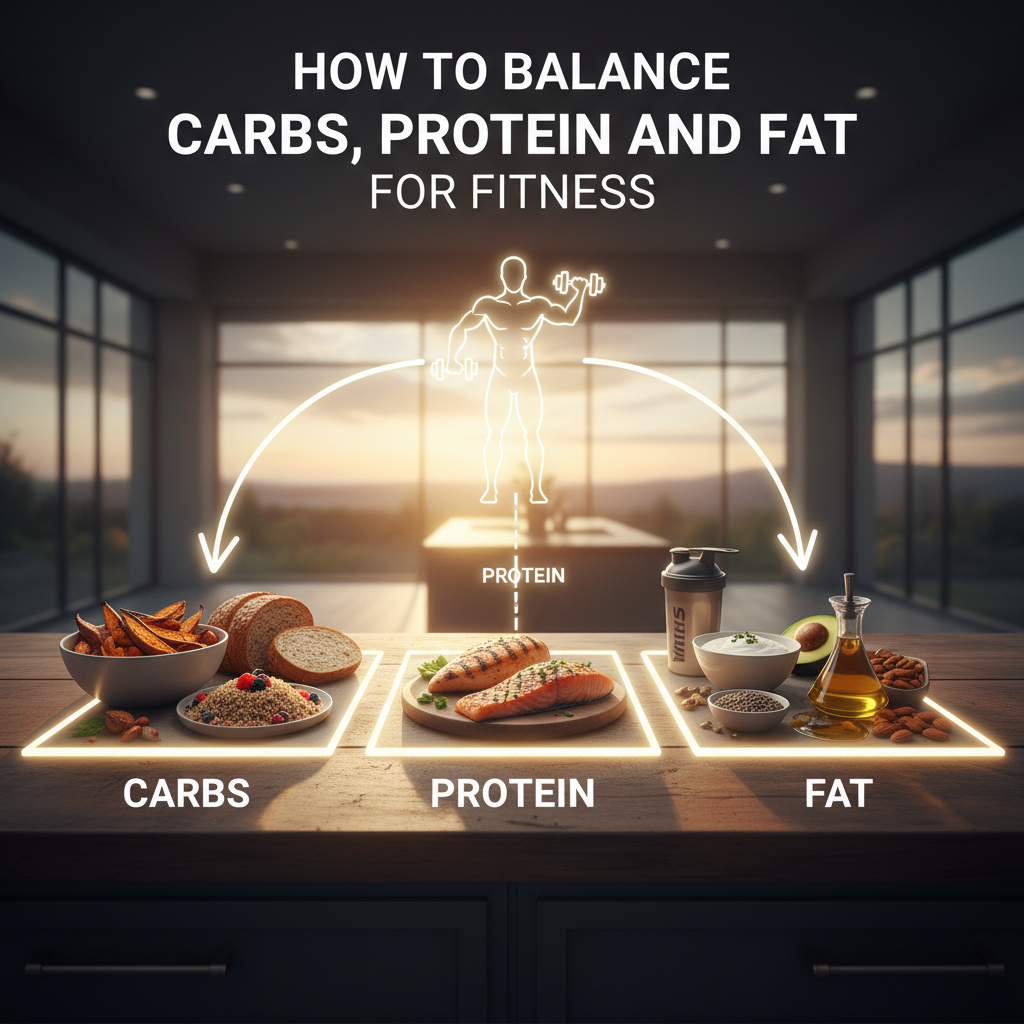
Introduction: Fueling Your Body and the Planet
In today’s world, fitness is about more than just physical health; it’s also about environmental responsibility. A sustainable fitness meal plan is one that not only fuels your workouts and supports your fitness goals but also minimizes its impact on the planet. This means making conscious choices about the foods you eat, how they’re sourced, and how they’re prepared. This article will guide you through creating a sustainable fitness meal plan that benefits both your body and the environment.
Understanding Sustainable Eating
Sustainable eating involves choosing foods that are produced in ways that minimize environmental impact. This includes reducing greenhouse gas emissions, conserving water, protecting biodiversity, and promoting fair labor practices. Key aspects of sustainable eating include:
- Prioritizing plant-based foods: Fruits, vegetables, legumes, and whole grains generally have a lower environmental footprint than animal products.
- Choosing locally sourced foods: Buying local reduces transportation emissions and supports local farmers.
- Selecting seasonal produce: Eating seasonal fruits and vegetables reduces the need for energy-intensive storage and transportation.
- Reducing food waste: Planning meals carefully, storing food properly, and composting food scraps can significantly reduce waste.
Assessing Your Fitness Needs
Before creating a sustainable meal plan, it’s essential to assess your individual fitness needs. Consider the following factors:
- Activity level: How often and how intensely do you exercise?
- Fitness goals: Are you trying to build muscle, lose weight, or improve endurance?
- Dietary restrictions: Do you have any allergies, intolerances, or dietary preferences?
- Caloric needs: How many calories do you need to consume each day to support your fitness goals?
Once you have a clear understanding of your fitness needs, you can begin to tailor your meal plan accordingly.
Prioritizing Plant-Based Protein Sources
Protein is crucial for muscle repair and growth, but animal-based protein sources often have a higher environmental impact than plant-based options. Consider incorporating the following sustainable protein sources into your meal plan:
- Legumes: Beans, lentils, and peas are excellent sources of protein, fiber, and essential nutrients.
- Tofu and tempeh: These soy-based products are versatile and can be used in a variety of dishes.
- Nuts and seeds: Almonds, walnuts, chia seeds, and flaxseeds provide protein, healthy fats, and fiber.
- Whole grains: Quinoa, brown rice, and oats contain protein and complex carbohydrates for sustained energy.
Aim to include a variety of plant-based protein sources in your diet to ensure you’re getting all the essential amino acids your body needs.
Choosing Sustainable Animal Products (If Applicable)
If you choose to include animal products in your meal plan, opt for sustainable options that minimize environmental impact. Look for the following:
- Grass-fed beef: Grass-fed cattle are often raised on pasture, which can help improve soil health and reduce greenhouse gas emissions.
- Pasture-raised poultry: Chickens and turkeys raised on pasture have more space to roam and forage, which can improve their welfare.
- Wild-caught or sustainably farmed fish: Choose fish that are caught or farmed in ways that minimize harm to marine ecosystems. Look for certifications like the Marine Stewardship Council (MSC).
- Dairy from small, local farms: Small-scale dairy farms often have more sustainable practices than large industrial operations.
Consuming smaller portions of high-quality, sustainably sourced animal products can help reduce your environmental footprint.
Incorporating Locally Sourced and Seasonal Produce
Eating locally sourced and seasonal produce is a cornerstone of sustainable eating. This reduces transportation emissions, supports local farmers, and ensures you’re eating fruits and vegetables at their peak flavor and nutritional value. Here’s how to incorporate local and seasonal produce into your meal plan:
- Visit farmers’ markets: Farmers’ markets are a great place to find fresh, locally grown produce.
- Join a community-supported agriculture (CSA) program: CSA programs allow you to buy a share of a local farm’s harvest.
- Grow your own fruits and vegetables: Even a small garden can provide you with fresh, sustainable produce.
- Plan your meals around seasonal availability: Research which fruits and vegetables are in season in your area and incorporate them into your recipes.
Reducing Food Waste
Food waste is a significant environmental problem, contributing to greenhouse gas emissions and wasting valuable resources. Here are some tips for reducing food waste in your fitness meal plan:
- Plan your meals carefully: Create a detailed meal plan for the week and only buy the ingredients you need.
- Store food properly: Use airtight containers to keep food fresh for longer.
- Use leftovers creatively: Incorporate leftovers into new dishes or freeze them for later use.
- Compost food scraps: Compost food scraps like vegetable peels, coffee grounds, and eggshells to create nutrient-rich soil for your garden.
Sample Sustainable Fitness Meal Plan
Here’s a sample sustainable fitness meal plan that you can adapt to your individual needs and preferences:
- Breakfast: Oatmeal with berries, nuts, and seeds.
- Lunch: Salad with mixed greens, grilled tofu, quinoa, and seasonal vegetables.
- Dinner: Lentil soup with whole-grain bread.
- Snacks: Fruits, vegetables, nuts, and seeds.
This meal plan is just a starting point. Feel free to experiment with different recipes and ingredients to create a sustainable meal plan that you enjoy.
Hydration and Sustainable Beverages
Staying hydrated is crucial for fitness, but it’s also important to choose sustainable beverages. Consider the following:
- Water: Drink plenty of water throughout the day. Use a reusable water bottle to reduce plastic waste.
- Herbal teas: Herbal teas are a sustainable and refreshing alternative to sugary drinks.
- Homemade smoothies: Blend fruits, vegetables, and plant-based protein powder for a nutritious and sustainable smoothie.
Avoid sugary drinks and excessive consumption of coffee, as these can have negative health and environmental impacts.
Meal Prep for Sustainability
Meal prepping is a great way to stay on track with your fitness goals and reduce food waste. Here are some tips for meal prepping sustainably:
- Plan your meals in advance: Create a detailed meal plan for the week and make a shopping list.
- Cook in bulk: Cook large batches of grains, legumes, and vegetables to save time and energy.
- Use reusable containers: Store your meal prepped food in reusable containers to reduce plastic waste.
- Freeze extra portions: Freeze any extra portions of food to prevent them from going to waste.
Reading Food Labels
Understanding food labels is essential for making informed and sustainable food choices. Look for the following information:
- Ingredients: Choose foods with simple, whole-food ingredients.
- Nutritional information: Pay attention to calories, protein, carbohydrates, and fats.
- Certifications: Look for certifications like organic, fair trade, and MSC.
Be wary of misleading marketing claims and focus on choosing foods that are truly sustainable and nutritious.
Adapting Your Meal Plan Over Time
Your fitness needs and environmental awareness may change over time, so it’s important to adapt your meal plan accordingly. Regularly reassess your goals, experiment with new recipes and ingredients, and stay informed about the latest research on sustainable eating. By continuously learning and adapting, you can create a fitness meal plan that supports both your health and the planet for years to come.
The Importance of Mindful Eating
Sustainable eating isn’t just about what you eat; it’s also about how you eat. Practicing mindful eating can help you develop a healthier relationship with food and reduce food waste. Here are some tips for mindful eating:
- Eat slowly and savor each bite: Pay attention to the taste, texture, and aroma of your food.
- Avoid distractions: Turn off the TV and put away your phone while you’re eating.
- Listen to your body’s hunger cues: Eat when you’re hungry and stop when you’re full.
- Appreciate your food: Take a moment to appreciate the effort that went into producing your meal.
Conclusion: A Holistic Approach to Fitness and Sustainability
Creating a sustainable fitness meal plan is a holistic approach to health and wellness. By making conscious choices about the foods you eat, how they’re sourced, and how you eat them, you can nourish your body, protect the planet, and achieve your fitness goals in a responsible and sustainable way. Remember, every small change you make can have a positive impact on your health and the environment. Embrace the journey towards sustainable eating and enjoy the benefits of a healthier, more sustainable lifestyle.
Resources for Sustainable Eating
Here are some resources to help you learn more about sustainable eating:
- The Environmental Working Group (EWG): Provides information on the environmental impact of different foods.
- The Marine Stewardship Council (MSC): Certifies sustainable seafood.
- Local farmers’ markets and CSA programs: Connect you with local, sustainable food producers.
By staying informed and engaged, you can make a difference in creating a more sustainable food system.