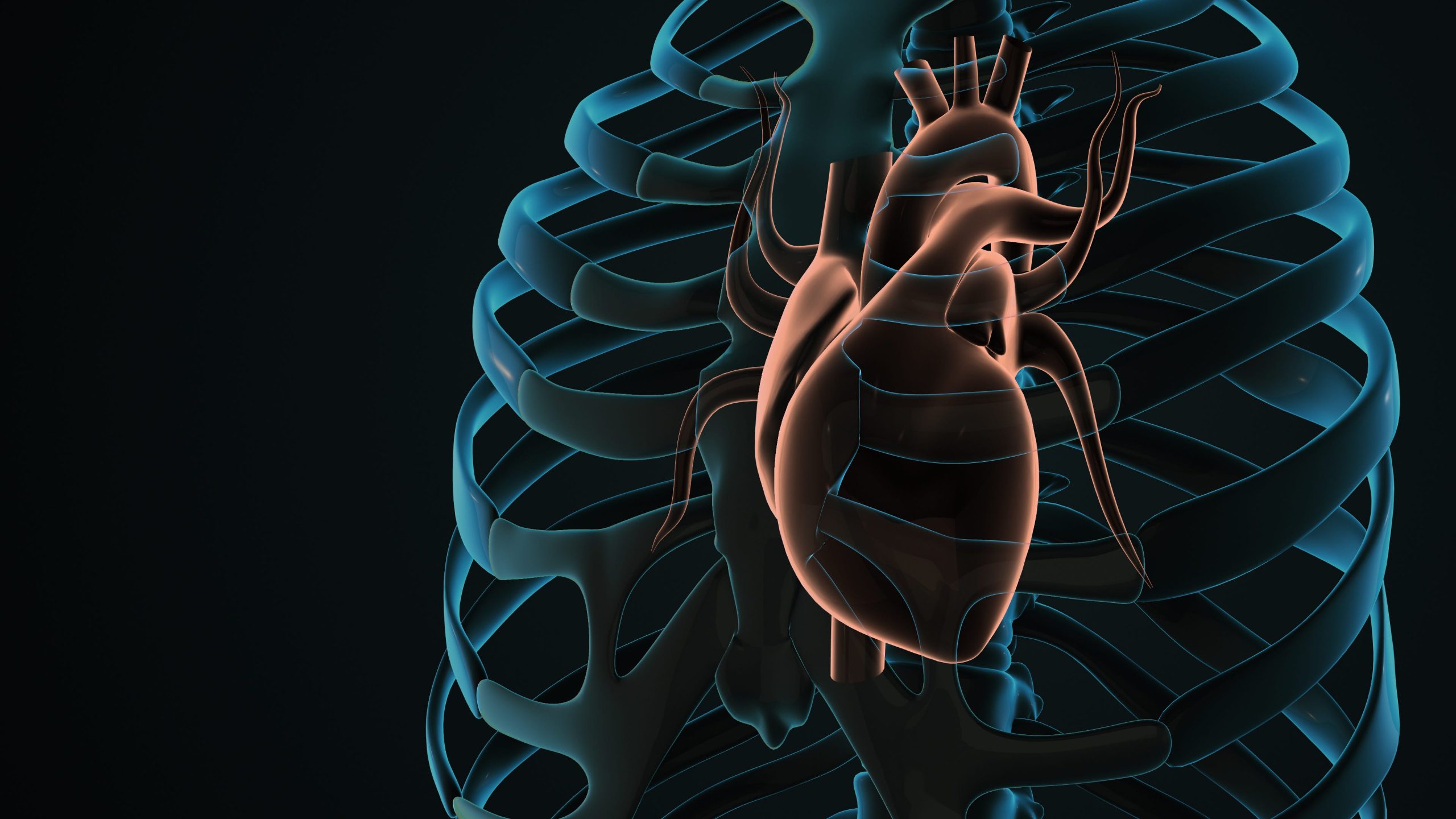
The human body is an intricate marvel, a symphony of interconnected systems working in harmony. For centuries, when one of these systems faltered, particularly the vital engine of our heart, the solution often involved a dramatic intervention: open-heart surgery. This procedure, while life-saving, is inherently invasive, carrying significant risks and demanding a lengthy recovery. But imagine a world where the most critical heart repairs could be performed without ever needing to open the chest. That world is no longer a distant dream; it’s a rapidly unfolding reality, as evidenced by a groundbreaking medical achievement.
Recently, a team of pioneering surgeons achieved what was once considered science fiction: they performed a life-saving coronary artery bypass, a procedure typically requiring the chest to be surgically opened, without a single incision on the patient’s chest. This remarkable feat, documented in the esteemed journal Circulation: Cardiovascular Interventions, marks a monumental leap forward in cardiovascular medicine and offers a beacon of hope for patients facing complex heart conditions.
This isn’t about replacing your regular workout routine with a magic pill or a futuristic procedure. Instead, it’s about understanding the incredible advancements in medical science that are making our bodies more resilient and our lives healthier. For us fitness enthusiasts, this news resonates deeply. It underscores the importance of preventative care, the power of the human body’s ability to heal, and the continuous drive for innovation that pushes the boundaries of what’s possible.
The Challenge: A Patient Too High-Risk for Traditional Methods
The patient at the center of this remarkable case was a 67-year-old man with a complex medical history. He had already undergone a prosthetic aortic valve replacement, but unfortunately, calcification had begun to build up, necessitating a new valve. However, his situation presented a formidable challenge for conventional treatment.
- Multiple Pre-existing Conditions: He had a history of kidney failure, a previous stroke, and heart failure. These conditions placed him in an exceptionally high-risk category for traditional open-heart surgery. The physiological stress of such a procedure could have had dire consequences.
- Anatomical Complications: Adding to the complexity, the existing prosthetic valve was positioned in a way that was dangerously close to the opening of his left coronary artery. A standard valve replacement procedure risked obstructing this crucial blood vessel, further jeopardizing his heart.
- Limitations of Existing Minimally Invasive Options: Even other less invasive heart procedures, often employed for patients who are not candidates for open surgery, were deemed unsuitable for his specific circumstances.
In essence, this patient was caught in a medical no-man’s-land, a situation where the established treatment pathways were either too risky or simply not applicable. It was a scenario that demanded an entirely new approach, a creative solution born from necessity and a deep understanding of cardiovascular mechanics.
The Ingenious Solution: The VECTOR Technique
Faced with these formidable obstacles, the medical team conceived of an audacious yet brilliant strategy. Instead of the conventional approach of opening the chest to access the heart, they decided to navigate the body’s existing vascular network. Their innovative solution is known as VECTOR, which stands for Ventriculo-Coronary Transcatheter Outward Navigation and Re-entry.
How VECTOR Works (in simple terms):
Think of your blood vessels as a sophisticated highway system. VECTOR leverages this system to perform intricate repairs on the heart without ever needing to excavate the chest. Here’s a simplified breakdown:
- Access Through the Leg Artery: The journey begins with a small puncture in a major artery in the patient’s leg. This is a standard entry point for many minimally invasive cardiovascular procedures.
- Catheter Navigation: Through this tiny entry, a series of specialized, flexible tubes called catheters are carefully guided. These catheters act like miniature robotic arms, navigating through the intricate network of blood vessels, all the way to the heart.
- Creating a New Route: The core innovation of VECTOR lies in its ability to create a new pathway for blood flow to reach the coronary arteries. This involves carefully guiding a wire from the aorta (the main artery carrying blood from the heart) into the compromised coronary artery.
- Advanced Tools for Precision Repair: Once this new route is established, more sophisticated tools can be advanced to the target area. This allows the surgeons to perform the necessary bypass, effectively rerouting blood flow around any blockages or compromised areas, much like creating a detour on a congested highway.
This technique essentially bypasses the need to physically cut open the chest. Instead, it utilizes the body’s own internal pathways, guided by highly specialized instruments and the expertise of the surgical team.
The Visionaries Behind the Innovation
The minds behind this groundbreaking procedure recognized the limitations of existing treatments and dared to think differently.

- Dr. Adam Greenbaum, MD, a senior author of the study and a physician at Emory School of Medicine, emphasized the critical need for minimally invasive alternatives. He stated, "Our patient had an extensive history of prior interventions, vascular disease, and other confounders, which meant that open-heart surgery was completely off the table. Having a minimally invasive alternative in a case like this is paramount." The team’s bold question, "Why don’t we just move the ostium of the coronary artery out of the danger zone?" led to the development of VECTOR.
- Christopher Bruce, MBChB, an interventional cardiologist at WellSpan York Hospital and the NIH’s National Heart, Lung, and Blood Institute, highlighted the ingenuity involved: "Achieving this required some out-of-the-box thinking but I believe we developed a highly practical solution."
The success of this procedure in a human patient is particularly significant as VECTOR had previously only been tested in animal models. This marked its true clinical debut, proving its viability and potential in a real-world, high-stakes scenario.
The Promising Outcome and Future Implications
The results of this pioneering surgery are incredibly encouraging. Six months post-procedure, the patient showed no signs of coronary artery obstruction, indicating that the experimental bypass was a resounding success.
What this means for the future of heart health:
- A Minimally Invasive Alternative to Open Heart Surgery: If VECTOR continues to prove successful in further trials, it could offer a less invasive option for patients who are currently deemed too high-risk for traditional open-heart surgery. This could expand treatment options for a significant patient population.
- Broader Applications for Coronary Diseases: Beyond bypass procedures, VECTOR holds the potential to address a wider range of coronary artery diseases. For instance, it might offer solutions in situations where conventional treatments like stenting fail to keep arteries open.
- Hope for Unmet Medical Needs: As Dr. Cheng-Han Chen, MD, an interventional cardiologist at MemorialCare Saddleback Medical Center, noted, "New innovations such as these continue to push the field forward, and offer hope to many of our patients with unmet medical needs unable to benefit from current treatments."
While the authors of the study are cautious and emphasize the need for more extensive testing before VECTOR becomes a widespread practice, the implications are undeniable. This innovation represents a significant step towards a future where complex cardiac interventions can be performed with greater precision, less invasiveness, and ultimately, better outcomes for patients.
Connecting Medical Advancements to Your Fitness Journey
While we may not be performing bypasses on ourselves, the principles behind this medical breakthrough can offer valuable lessons for our own fitness journeys.
The Power of Adaptation and "Going Around" Obstacles
Just as the surgeons found a way to go around an anatomical obstacle, our bodies are incredibly adaptable. When we introduce new challenges through exercise, our bodies respond by growing stronger, more efficient, and more resilient.
- Progressive Overload: This fundamental fitness principle is akin to the VECTOR technique. Instead of brute force, we gradually increase the demands on our bodies (weight, reps, intensity). This forces our muscles, cardiovascular system, and even our mental fortitude to adapt and improve, effectively "going around" our current limitations.
- Overcoming Plateaus: Every fitness enthusiast encounters plateaus – those frustrating periods where progress seems to halt. Instead of giving up, we can apply the VECTOR mindset: change your approach. This could mean:
- Varying Your Exercises: If you always do the same cardio, try a different type. If your strength routine is stale, introduce new movements or change your rep ranges.
- Adjusting Intensity and Volume: Experiment with higher intensity intervals, longer duration sessions, or shorter, more frequent workouts.
- Focusing on Mobility and Recovery: Sometimes, the obstacle isn’t a lack of strength, but a lack of mobility or insufficient recovery. Prioritizing stretching, foam rolling, and adequate sleep can help you break through plateaus.
The Importance of "Out-of-the-Box" Thinking in Training
The VECTOR technique was born from creative problem-solving. Similarly, we can apply this to our training to keep it engaging and effective.
- Workout Variety is Key:
- Sample Actionable Tip: If you’re a runner, try incorporating trail running one day a week. The varied terrain challenges your balance, strengthens different muscle groups, and provides a mental reset.
- Sample Real-Life Example: Sarah, a dedicated gym-goer, found her weightlifting progress slowing. She decided to try a week of Olympic lifting classes. While challenging, the new movements and focus on explosive power reignited her enthusiasm and even improved her foundational strength.
- Listen to Your Body, but Don’t Be Afraid to Push: The medical team understood the patient’s limitations but also saw the possibility for a new approach. Similarly, we need to respect our body’s signals for rest and recovery, but also be willing to step outside our comfort zone when appropriate.
- Sample Actionable Tip: Feeling a little sore but not injured? Instead of a complete rest day, opt for active recovery like a brisk walk, gentle yoga, or swimming. This can aid muscle repair and keep your body moving.
- Sample Real-Life Example: Mark typically stuck to lifting heavy weights. He noticed his flexibility was suffering. He started dedicating 15 minutes post-workout to dynamic stretching and mobility drills. This "out-of-the-box" addition to his routine not only improved his range of motion but also helped prevent minor aches and pains.
The Long-Term Vision: Health as a Continuous Journey
The success of VECTOR is a testament to the long-term vision of medical professionals dedicated to improving patient outcomes. Our fitness journeys should also be viewed with a long-term perspective.
- Consistency Over Intensity: While intense workouts are beneficial, consistent, moderate effort over time yields superior long-term results. Think of it as building a strong foundation rather than a quick, shaky structure.
- Holistic Approach: Just as the VECTOR technique considers multiple factors beyond the immediate issue, our fitness should encompass more than just exercise. Nutrition, sleep, stress management, and mental well-being are all integral components of a healthy lifestyle.
- Sample Actionable Tip: Aim to incorporate one "healthy habit" each week. This could be drinking an extra glass of water, adding a serving of vegetables to your lunch, or committing to a 10-minute evening stretch. Small, consistent changes build lasting habits.
- Sample Real-Life Example: John initially focused solely on hitting the gym five days a week. He noticed his energy levels were still low and his sleep quality was poor. He then started prioritizing a consistent sleep schedule and incorporating more whole foods into his diet. The results were transformative; his workouts felt more productive, and his overall well-being improved dramatically.
Embracing the Future of Health and Fitness
The story of the VECTOR technique is more than just a medical marvel; it’s a powerful narrative about human ingenuity, perseverance, and the relentless pursuit of better health. It reminds us that even in the face of seemingly insurmountable challenges, innovative thinking and a willingness to explore new pathways can lead to extraordinary outcomes.
As we continue on our own fitness journeys, let us draw inspiration from this spirit of innovation. Let’s embrace the idea of adapting to challenges, thinking creatively about our training, and maintaining a long-term vision for our health and well-being. The advancements in medicine serve as a powerful reminder of what’s possible when we dare to push the boundaries. Your body is an incredible machine, capable of remarkable adaptation and resilience. By applying the principles of smart training, consistent effort, and a holistic approach to your health, you too can achieve extraordinary results, forging a path towards a stronger, healthier, and more vibrant future. The journey of health is an ongoing adventure, and with each step, we are writing our own success stories.