In the fast-paced world of fitness and personal growth, we often celebrate daring feats and pushing boundaries. We cheer for the "Dudes Rock" moments – those instances where calculated risks yield impressive results, like a perfectly executed powerlifting snatch or a marathon personal best. But then there’s the other side of the coin, the cautionary tales that fall under the umbrella of "Dudes Being Dudes." These are the moments where a lack of foresight, a misguided impulse, or sheer bravado leads to avoidable harm.
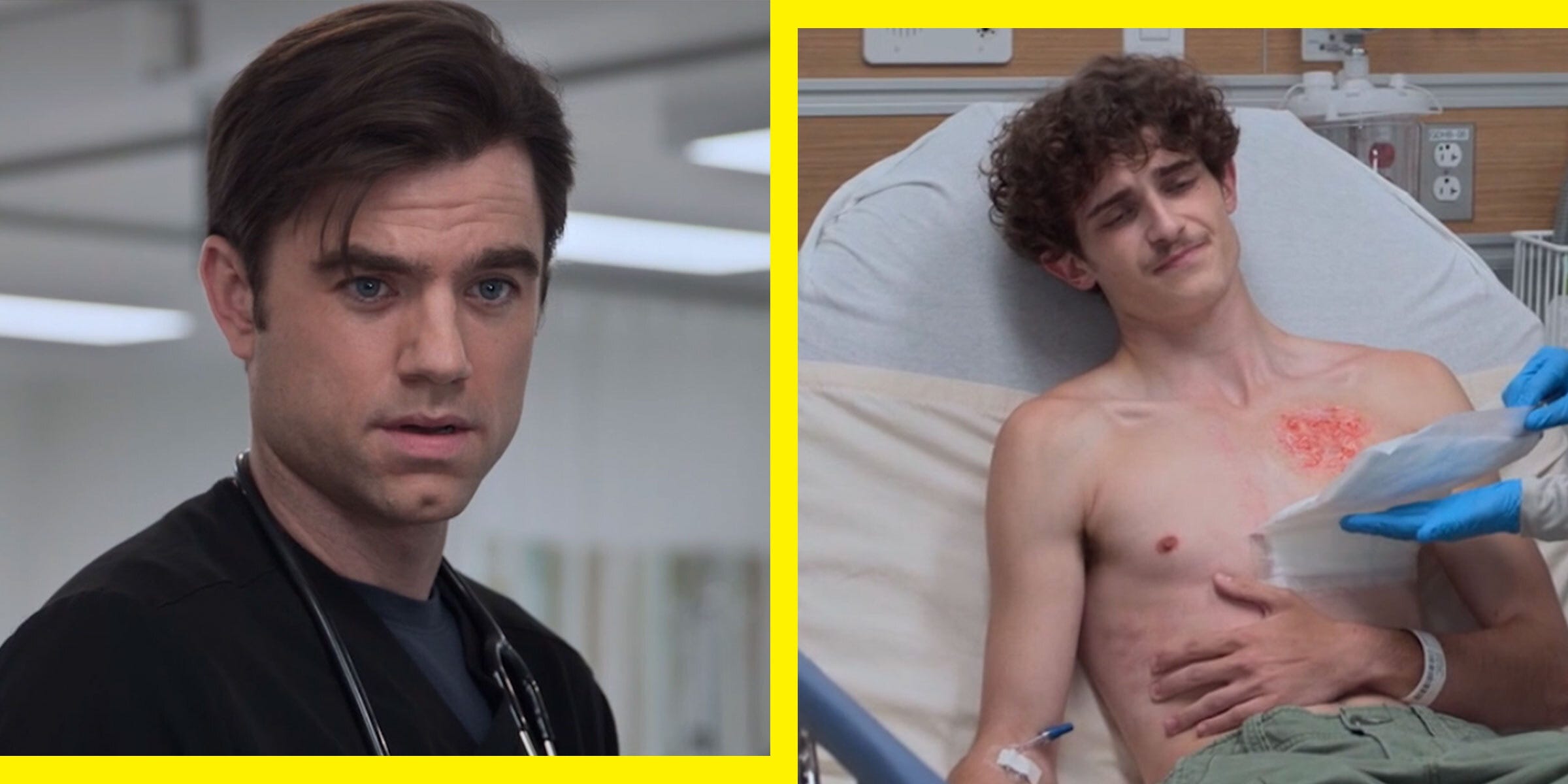
The recent episode of "The Pitt" season 2, episode 5, "11:00 A.M.," brought this concept into sharp, albeit painful, focus. We witnessed a young man, Alex, and his brother Aaron, attempt a highly ill-advised "branding" of Alex’s chest with dry ice. The intention? To create a permanent, shared symbol – their "family crest." The outcome? A severe, full-thickness burn that landed Alex in the emergency room, a stark reminder that some "cool" ideas are, in fact, incredibly dangerous.
This incident, while dramatic and fictionalized, serves as a powerful jumping-off point to discuss the importance of smart risk-taking, understanding our bodies, and making informed decisions in our fitness journeys. As an ER doctor might attest after treating such an injury, the immediate pain is just the beginning of the long-term consequences.
Understanding the "Dudes Being Dudes" Phenomenon in Fitness
The "Dudes Being Dudes" mentality isn’t exclusive to dramatic ER cases. It can creep into our fitness routines in subtle, yet potentially harmful ways. Think about:

- Ignoring Warning Signs: Pushing through sharp pain during a workout, believing it’s just "getting used to it."
- Improper Form: Lifting weights far heavier than your current strength allows, sacrificing form for the sake of ego.
- Unsafe Equipment Use: Attempting advanced exercises with unfamiliar or poorly maintained equipment without proper guidance.
- Extreme Dieting Fads: Drastic, unscientific approaches to weight loss that can have serious health repercussions.
- Competitive Pressure: Feeling compelled to match or exceed a training partner’s intensity without considering your own limits.
The core of the "Dudes Being Dudes" injury isn’t malice; it’s often a misguided attempt at a thrill, a sense of belonging, or a desire for a quick, impressive result. However, as Dr. Robert Glatter, an ER doctor and Assistant Professor of Emergency Medicine, explains, the consequences of such actions, particularly when involving extreme temperatures like dry ice, can be severe and long-lasting.
The Dangers of Extreme Cold: A Doctor’s Perspective
Dry ice, a solid form of carbon dioxide, hovers around a chilling -110°F (-78.5°C). This extreme cold is not a playground for human skin. As Dr. Glatter highlights, direct contact with dry ice on bare skin leads to what’s known as a "full-thickness" burn. This means it affects all layers of the skin, extending down to the muscle.
Here’s a breakdown of what happens, and why it’s so dangerous:
- Instant Freezing and Cell Death: The frigid temperature instantly freezes skin cells and the water within them. This causes the cells to rupture, leading to widespread tissue death.
- Deep Tissue Damage: Unlike superficial burns, a full-thickness burn damages nerve endings, blood vessels, and connective tissues. This means the initial pain might be less intense due to nerve damage, but the underlying damage is far more severe.
- Scarring and Pigmentation Loss: The body’s natural healing process in response to such trauma often results in significant scarring. In the case of dry ice branding, the intended outcome is a scar, but the reality is a white, often keloid or hypertrophic scar, where the skin has lost its pigment.
- Increased Risk of Infection: Damaged tissue with poor blood supply becomes a breeding ground for bacteria. This significantly increases the risk of sepsis, a life-threatening condition where the body’s immune system attacks its own organs.
- Long-Term Health Concerns: Beyond immediate infection, Dr. Glatter points out the increased risk of skin cancer in branded areas due to the loss of melanin, the skin’s natural protection against UV radiation.
Beyond the Burn: The Psychological Toll of "Dudes Being Dudes" Injuries
While the physical ramifications are undeniable, the psychological impact of these avoidable injuries is also significant.

- Regret and Embarrassment: The immediate aftermath of a "Dudes Being Dudes" incident is often filled with regret. The initial thrill or perceived coolness quickly dissipates, replaced by the realization of the pain, the medical bills, and the lasting physical evidence.
- Erosion of Trust: If an injury occurs during an activity with friends or family, it can strain relationships. The trust placed in a shared decision or activity is broken, leading to potential guilt and resentment.
- Fear and Hesitation: A severe injury can create a lasting fear of similar activities or even a general hesitancy towards physical exertion, impacting future fitness goals and overall well-being.
Building a Smarter Approach to Fitness: From "Dudes Being Dudes" to "Dudes Thriving"
The good news is that we can actively shift from "Dudes Being Dudes" to "Dudes Thriving." This involves cultivating a mindset of informed self-care, intelligent risk assessment, and a commitment to sustainable progress.
H3: Prioritize Education and Understanding
Before attempting any new exercise, dietary change, or physical challenge, invest time in understanding the fundamentals.
- Learn Proper Form: Watch reputable video tutorials, consider working with a certified personal trainer, and always prioritize form over weight.
- Understand Your Body’s Signals: Learn to distinguish between muscle fatigue and sharp, potentially injurious pain. Rest and recovery are as crucial as the workout itself.
- Research Before You Leap: If something seems too good to be true, or inherently risky, do your due diligence. Understand the potential consequences. For example, instead of attempting a dangerous "branding," research safe and effective ways to create meaningful personal symbols through art or journaling.
H3: Embrace Gradual Progression
Sustainable fitness is built on a foundation of gradual progression. Think of it as climbing a staircase, not trying to leap to the top floor.
- Start Small: If you’re new to an exercise, begin with lighter weights or fewer repetitions. Gradually increase the intensity as your body adapts.
- Listen to Your Body: If you feel undue fatigue or discomfort, it’s a sign to back off, not push harder.
- Celebrate Small Wins: Acknowledge and appreciate every step of progress. This positive reinforcement is far more motivating than chasing a fleeting, risky achievement.
H3: Cultivate a Supportive Fitness Community
Surround yourself with individuals who prioritize safety and smart training.

- Find Like-Minded Partners: Train with friends who share your commitment to safe and effective workouts.
- Seek Expert Guidance: A good coach or trainer can provide invaluable knowledge, correct form, and help you set realistic goals.
- Open Communication: Don’t be afraid to voice concerns or hesitations. A supportive community will respect your boundaries.
H3: Focus on Long-Term Health, Not Short-Term Thrills
True strength and well-being are built over time. The "Dudes Being Dudes" mentality often seeks immediate gratification, which can be detrimental to long-term health.
- Think About the Future: Consider how your current actions will impact your health and ability to enjoy life years down the line.
- Embrace the Journey: Fitness is a marathon, not a sprint. Enjoy the process of becoming stronger, healthier, and more resilient.
- Reframe "Cool": True "cool" lies in discipline, intelligence, and the ability to achieve significant goals through smart, consistent effort. It’s about building a body and a life you can be proud of for decades to come.
Real-Life Examples of Smart Fitness Choices
Let’s contrast the "Dudes Being Dudes" incident with examples of individuals making smart, progressive choices:
- The Runner Who Listens: Instead of pushing through a sharp pain in their knee, they take a rest day, perform targeted stretching, and consult a physical therapist. This allows them to return to running stronger and injury-free, ultimately achieving their marathon goals.
- The Weightlifter Who Prioritizes Form: Rather than attempting a weight that compromises their form, they stick to a challenging but manageable weight, ensuring every repetition is executed correctly. This builds a solid foundation of strength and prevents long-term joint issues.
- The Beginner Who Seeks Guidance: Instead of trying to replicate complex workouts seen online, they invest in a few sessions with a personal trainer. This ensures they learn proper technique for fundamental movements, setting them up for safe and effective progress.
These individuals aren’t necessarily performing death-defying feats, but they are building a sustainable, healthy lifestyle. They understand that true progress comes from intelligent effort and respect for their bodies.
Conclusion: Elevating Our Approach to Fitness and Life
The "Dudes Being Dudes" incident on "The Pitt" serves as a stark, if somewhat dramatized, warning. The allure of a quick thrill or a bold statement can lead to painful and lasting consequences. In our pursuit of fitness and personal betterment, let’s actively choose the path of informed action, intelligent risk, and sustainable progress.

Let’s move beyond the impulsive and embrace the insightful. Let’s transform the "Dudes Being Dudes" moments of potential harm into "Dudes Thriving" opportunities for genuine growth and lasting well-being. Remember, the strongest and most admirable individuals are not those who flirt with danger unnecessarily, but those who possess the wisdom, discipline, and dedication to build a life of health and fulfillment, one smart choice at a time. Your body is your most valuable asset; treat it with the respect and intelligence it deserves.