In the dynamic world of fitness, where countless supplements vie for attention, one compound consistently rises above the noise, backed by an overwhelming body of scientific evidence: creatine. Far from being a niche substance exclusively for elite bodybuilders or professional athletes, creatine monohydrate stands as a powerful, safe, and effective ally for anyone committed to enhancing their physical performance, building lean muscle, and optimizing recovery – from the budding enthusiast taking their first steps in the gym to the seasoned intermediate looking to break through plateaus.
You’ve likely heard the whispers, perhaps even the myths, surrounding creatine. Is it safe? Will it cause bloating? Is it really necessary? This comprehensive guide aims to cut through the speculation and present a clear, authoritative, and science-backed understanding of creatine. We’ll delve into what creatine is, how it revolutionizes your body’s energy systems, and the tangible benefits it offers for strength, power, muscle growth, and even cognitive function. More importantly, we’ll equip you with actionable advice on how to integrate this remarkable supplement into your routine safely and effectively, empowering you to unlock your full potential and truly accelerate your fitness journey.
Prepare to demystify creatine and discover why it remains one of the most trusted and transformative tools in the fitness arsenal.
What is Creatine and How Does it Work?
At its core, creatine is a naturally occurring organic compound primarily found in muscle cells. It’s composed of three amino acids: L-arginine, glycine, and L-methionine. While your body, specifically the liver, kidneys, and pancreas, produces about 1-2 grams of creatine daily, and you can obtain it from foods like red meat and seafood, supplementing with creatine can significantly elevate your internal stores, particularly within your skeletal muscles. Approximately 95% of the body’s creatine is stored in muscles, playing a pivotal role in energy production.
To understand creatine’s power, we need to talk about adenosine triphosphate (ATP) – the primary energy currency of your cells. Think of ATP as the fuel that powers all muscle contractions and high-intensity activities. However, your body has a limited supply of readily available ATP. When you engage in explosive movements like lifting heavy weights, sprinting, or jumping, this ATP is quickly depleted, converting into adenosine diphosphate (ADP).
This is where creatine steps in as a game-changer. Within your muscle cells, creatine exists as phosphocreatine (PCr). When ATP is used up and converts to ADP, phosphocreatine rapidly donates its phosphate group to ADP, regenerating ATP. This process is known as the phosphocreatine system.
The Creatine-ATP Cycle in Action:
- Initial Burst: Your muscles use stored ATP for the first few seconds of high-intensity effort.
- ATP Depletion: ATP quickly runs out, becoming ADP.
- Creatine’s Role: Phosphocreatine (PCr) rapidly donates a phosphate group to ADP.
- ATP Regeneration: ADP is re-converted back to ATP.
- Sustained Power: This allows your muscles to continue performing high-intensity work for a few more crucial seconds, delaying fatigue and increasing your capacity for explosive power.
By increasing the availability of phosphocreatine, supplementation effectively boosts your muscles’ ability to rapidly resynthesize ATP during short bursts of intense exercise. This means you can squeeze out an extra rep, sprint a little faster, or jump a little higher, directly impacting your performance and, consequently, your long-term gains.
The Science-Backed Benefits of Creatine for Fitness Enthusiasts
Creatine’s reputation as a cornerstone supplement isn’t built on anecdote; it’s forged in decades of rigorous scientific research. For beginners and intermediate fitness enthusiasts, the benefits translate directly into more effective workouts, faster progress, and a more resilient body.
1. Enhanced High-Intensity Exercise Performance
This is creatine’s most celebrated and well-established benefit. By augmenting ATP regeneration, creatine allows you to sustain peak power output for longer during short, explosive activities.
- Increased Strength: Studies consistently show creatine users experience significant increases in maximal strength (e.g., 1-rep max) in exercises like squats, bench presses, and deadlifts. This isn’t just about moving heavier weight; it’s about stimulating greater muscle adaptation.
- Improved Power Output: Activities requiring quick bursts of power, such as plyometrics, sprinting, and Olympic lifts, see marked improvements. This translates to faster acceleration and more explosive movements.
- Delayed Fatigue: By more efficiently recycling ATP, creatine helps delay the onset of fatigue during intense sets or intervals, allowing for higher training volumes and quality.
- Real-Life Example: Imagine being able to complete an extra rep on your final set of squats, or maintaining your sprint speed for an additional 10 meters. These small, consistent improvements accumulate over time, leading to substantial gains in strength and muscle.
2. Significant Boost in Muscle Mass (Hypertrophy)
Creatine is not merely a strength enhancer; it’s a powerful catalyst for muscle growth. While it doesn’t directly "build" muscle, it creates an optimal physiological environment for hypertrophy.
- Increased Training Volume: By allowing you to perform more reps and sets, creatine directly increases the mechanical tension and metabolic stress on your muscles – two primary drivers of muscle growth.
- Cell Volumization: Creatine draws water into muscle cells, leading to a phenomenon known as "cell volumization." This cellular swelling is not just superficial; it’s believed to act as an anabolic signal, promoting protein synthesis and inhibiting protein breakdown.
- Satellite Cell Activation: Some research suggests creatine may activate satellite cells, which are crucial for muscle repair and growth.
- Reduced Myostatin: There’s evidence that creatine may help lower levels of myostatin, a protein that inhibits muscle growth. By reducing myostatin, creatine could potentially remove a natural brake on muscle development.
- Real-Life Example: If you’re consistently adding more weight or reps to your lifts thanks to creatine, your body is being forced to adapt by building more muscle tissue. The initial "water weight" often associated with creatine is predominantly intracellular, contributing to fuller, harder-looking muscles and signaling growth.
3. Accelerated Athletic Recovery and Reduced Muscle Soreness
Effective recovery is just as vital as intense training for progress. Creatine plays a crucial role in helping your body bounce back faster.
- Glycogen Resynthesis: Creatine may enhance glycogen resynthesis after intense exercise. Glycogen is your muscles’ primary stored carbohydrate, and replenishing it quickly is essential for subsequent performance and recovery.
- Reduced Muscle Damage and Inflammation: Studies indicate that creatine supplementation can reduce markers of muscle damage (like creatine kinase) and inflammation following strenuous exercise, leading to less post-workout soreness.
- Faster Return to Training: By mitigating muscle damage and speeding up energy restoration, creatine helps you recover more quickly between workouts, allowing for a more consistent and effective training schedule.
- Real-Life Example: Instead of being hobbled by severe DOMS (Delayed Onset Muscle Soreness) for days after a leg workout, creatine can help reduce the intensity and duration of that soreness, making it easier to stick to your training plan and perform well in your next session.
4. Potential Cognitive Benefits
Beyond its physical prowess, creatine also shows promise for brain health and cognitive function. The brain, like muscles, requires ATP for optimal operation.
- Enhanced Brain Energy: Creatine supplementation can increase phosphocreatine stores in the brain, improving its ability to produce ATP.
- Improved Cognitive Tasks: Research suggests benefits in tasks requiring short-term memory, reasoning, and quick thinking, especially in situations of sleep deprivation or mental stress.
- Real-Life Example: While not a primary reason for taking it, the subtle cognitive edge could translate to better focus during complex lifts or improved mental clarity throughout your day.
5. Bone Health and Anti-Aging Properties
For long-term health and wellness, especially as we age, creatine offers additional benefits.
- Improved Bone Density: Combined with resistance training, creatine has been shown to have favorable effects on bone mineral density, particularly in older adults, helping to combat age-related bone loss.
- Combating Sarcopenia: Creatine can help preserve and increase muscle mass in older populations, directly addressing sarcopenia (age-related muscle loss) and improving functional independence.
These diverse, evidence-based benefits underscore why creatine is not just a passing trend but a staple in the supplement regimen of informed fitness enthusiasts worldwide.
Demystifying Creatine: Types and Forms
The market offers various forms of creatine, which can be confusing. However, one form stands head and shoulders above the rest in terms of research, effectiveness, and cost-efficiency: creatine monohydrate.
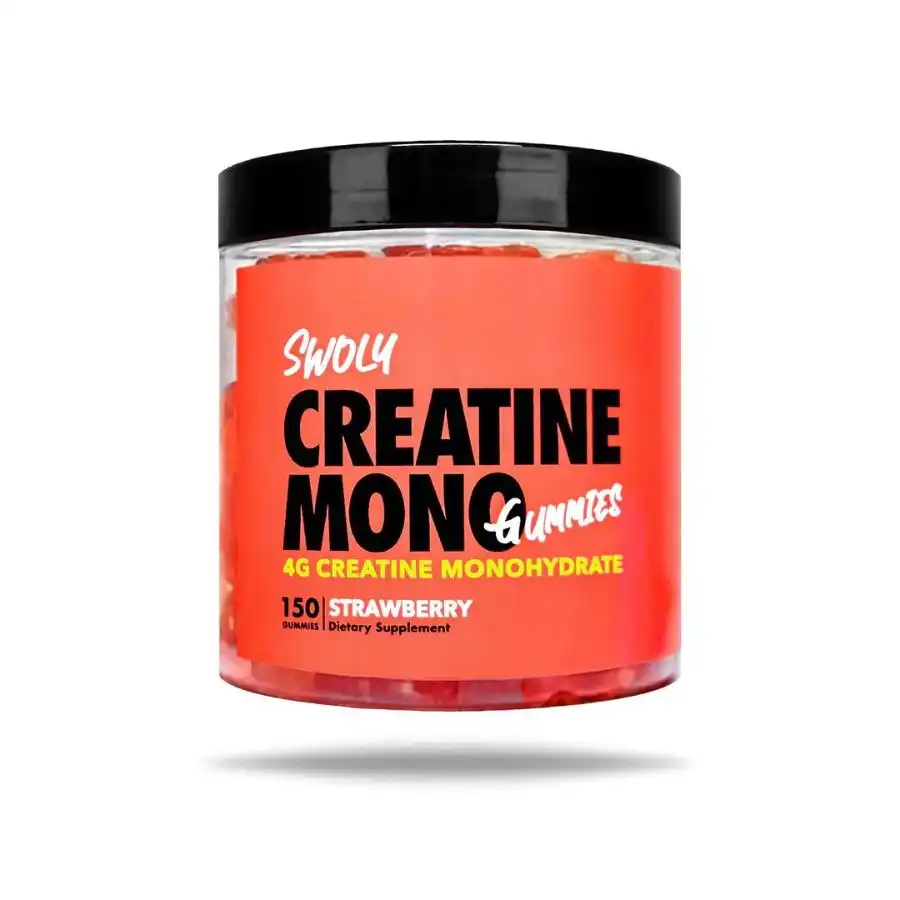
1. Creatine Monohydrate (The Gold Standard)
- What it is: Creatine monohydrate is creatine bound to a water molecule. It’s the most studied and validated form of creatine available. Decades of research unequivocally support its safety and efficacy for enhancing muscle strength, power, and size.
- Why it’s preferred: Its effectiveness, affordability, and extensive safety profile make it the recommended choice for the vast majority of users. Don’t be swayed by marketing claims for newer, more expensive forms unless they offer truly compelling, peer-reviewed evidence (which is rare).
2. Micronized Creatine Monohydrate
- What it is: This is simply creatine monohydrate that has been processed to create smaller particles.
- Why it’s used: The primary benefit of micronization is improved solubility in water, leading to easier mixing and potentially reduced stomach discomfort for some individuals. However, research does not indicate that micronized creatine is more bioavailable or effective than standard creatine monohydrate. It’s largely a convenience factor.
Other Forms (Proceed with Caution/Skepticism)
While other forms exist, they generally lack the robust scientific backing of creatine monohydrate and often come with higher price tags.
- Creatine Ethyl Ester (CEE): Marketed as being more absorbable, studies have actually shown CEE to be less effective than monohydrate, converting into creatinine (a waste product) more rapidly.
- Creatine Nitrate: Claims improved solubility and absorption due to the nitrate group. While some initial studies show promise, the evidence is not nearly as extensive or conclusive as for monohydrate, and FDA approval for daily dosage is limited.
- Buffered Creatine (e.g., Kre-Alkalyn): Designed to have a higher pH, theoretically making it more stable and less prone to breaking down into creatinine in the stomach. However, research has shown no significant difference in effectiveness or side effects compared to creatine monohydrate.
- Creatine HCl (Hydrochloride): Claimed to have superior solubility and absorption. While it is more soluble, there’s insufficient evidence to suggest it’s more effective than monohydrate or requires lower doses.
- Liquid Creatine: Often unstable and may degrade into creatinine when dissolved in liquid for extended periods. Generally not recommended.
The Takeaway: For optimal results and value, stick with creatine monohydrate. Any claims of "superior" or "faster-acting" creatine forms should be met with skepticism until backed by extensive, independent scientific research.
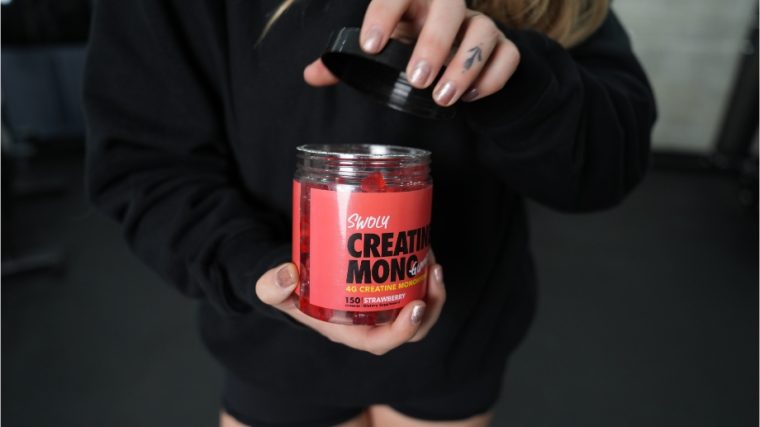
Optimal Creatine Usage: Dosage, Timing, and Loading
Integrating creatine into your routine effectively is straightforward, but understanding the nuances of dosage and timing can optimize your results.
Dosage: How Much Creatine Do You Need?
The scientific consensus for daily creatine intake is remarkably consistent:
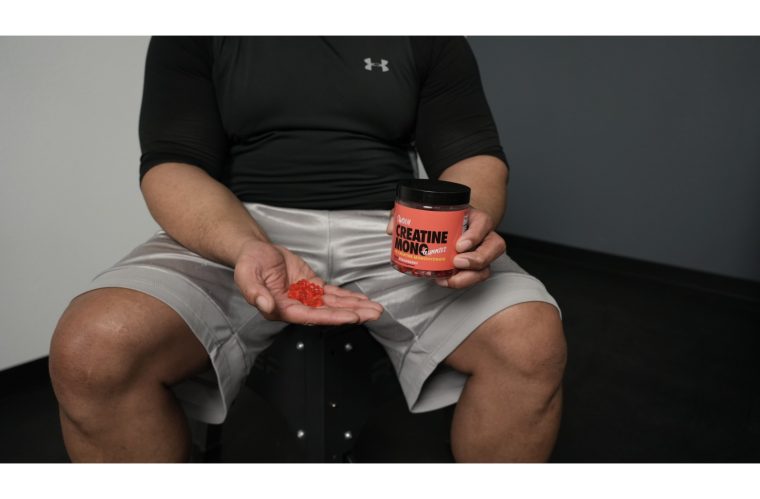
- Maintenance Dose: For most individuals, 3-5 grams of creatine monohydrate per day is sufficient to saturate muscle creatine stores and maintain optimal levels.
- Bodyweight-Based Dosing: A more precise recommendation, particularly for larger individuals, is 0.1 grams of creatine per kilogram of body weight. For example, a 100 kg (220 lb) person would aim for 10 grams per day. While 5g is generally effective for most, larger athletes might benefit from a slightly higher dose to fully saturate their muscles.
Consistency is Key: The most crucial aspect of creatine supplementation is consistent daily intake. It’s not about acutely boosting performance for a single workout; it’s about steadily increasing and maintaining your muscle creatine stores over time.
Creatine Loading Phase: Is It Necessary?
A creatine loading phase involves taking a higher dose for a short period to rapidly saturate your muscle creatine stores.
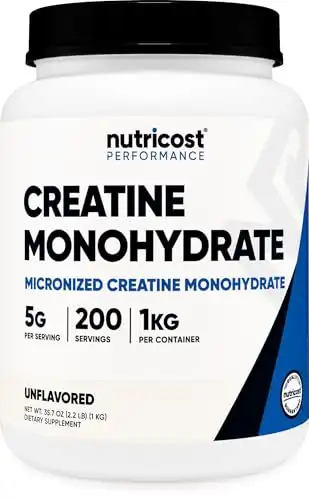
- What it entails: Typically, this involves taking 20-25 grams of creatine monohydrate per day, divided into 4-5 servings (e.g., 5 grams, four times a day), for 5-7 days.
- The benefit: A loading phase can increase muscle creatine stores by 10-30% within a week, potentially speeding up the onset of benefits by a few days compared to starting directly with a maintenance dose.
- Is it essential? No, a loading phase is not strictly necessary. Studies show that taking a consistent 3-5 grams per day will achieve the same level of muscle saturation, just over a slightly longer period (around 3-4 weeks).
- Considerations for Loading:
- Gastrointestinal Comfort: High doses during a loading phase can sometimes lead to mild gastrointestinal discomfort (bloating, diarrhea) in some individuals. If this occurs, reduce the dose or skip the loading phase.
- Speed vs. Patience: If you’re eager to experience the benefits quickly, a loading phase can be an effective and safe approach. If you’re not in a rush, a gradual approach with a maintenance dose is perfectly fine.
- Expert Tip: If you opt for a loading phase, divide the 20-25 grams into smaller, equally spaced doses throughout the day (e.g., 5g with breakfast, lunch, dinner, and before bed) to minimize potential stomach upset.
Timing: When is the Best Time to Take Creatine?
While consistency is paramount, there are slight advantages to specific timing:
- Post-Workout: Research suggests that taking creatine immediately after your workout may be marginally more beneficial. During this period, increased blood flow to muscle tissue and potentially enhanced insulin sensitivity can optimize creatine uptake by muscle cells. Combining it with carbohydrates and protein post-workout can further boost absorption due to insulin’s role in transporting nutrients into cells.
- Anytime on Rest Days: On non-training days, the timing is less critical. Simply take your maintenance dose at any convenient time, ideally with a meal to aid absorption.
- Don’t Overthink It: If post-workout timing isn’t feasible, don’t stress. The cumulative effect of daily intake far outweighs the precise timing of a single dose. The most important thing is to take it every day.
Mixing and Consumption Tips:
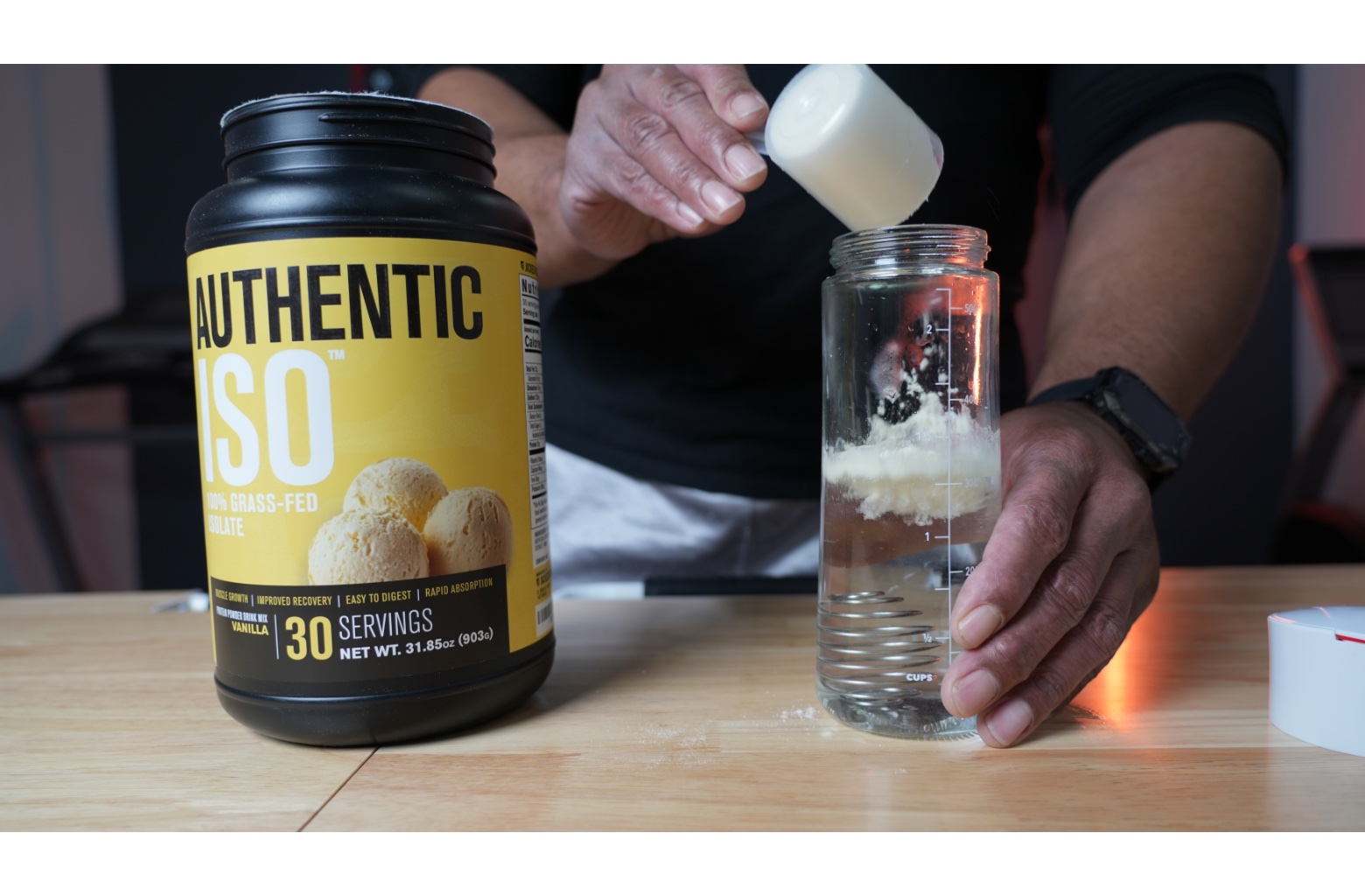
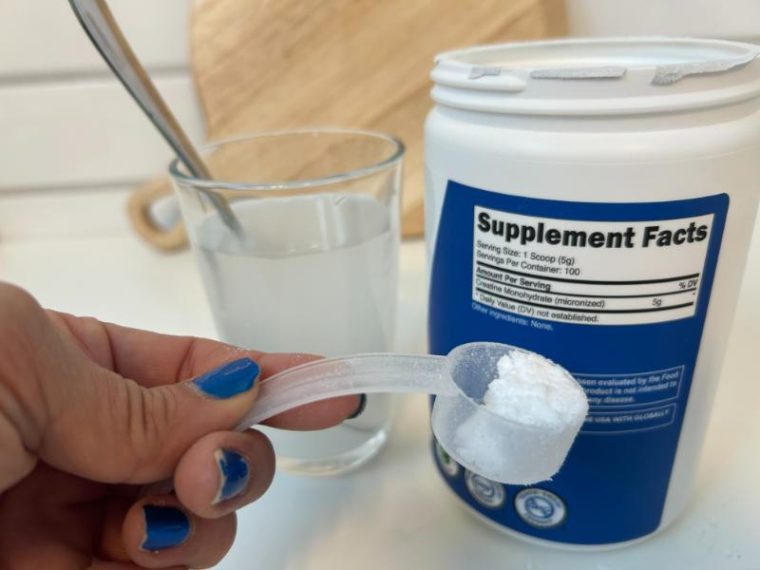
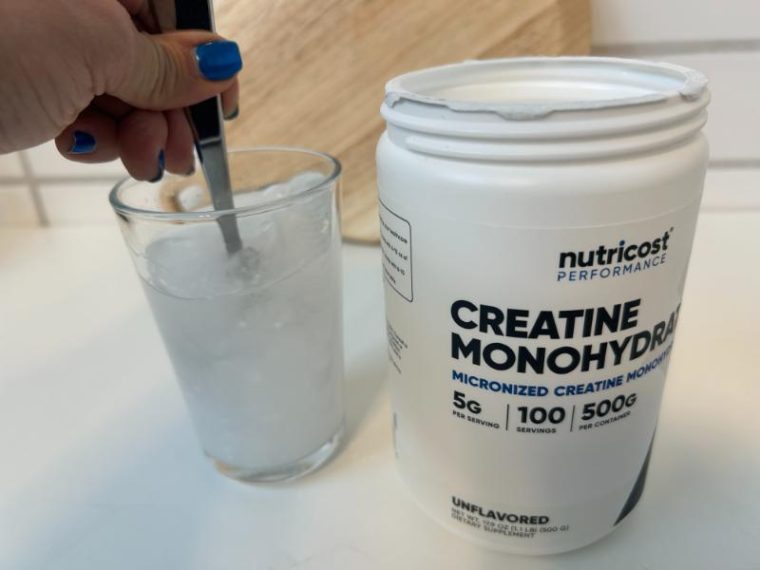
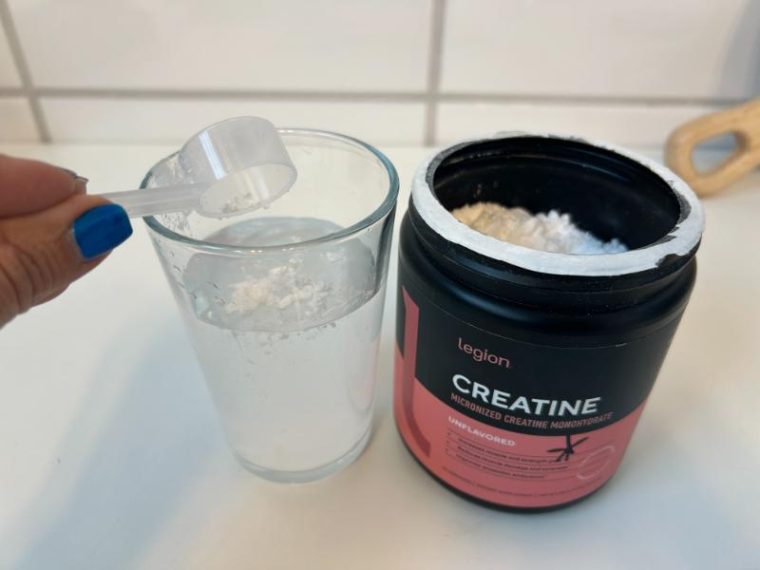
- Mixability: Creatine monohydrate is a fine powder. While micronized versions mix better, even standard monohydrate will dissolve with a good stir in water, juice, or your post-workout shake. Don’t be alarmed by a small amount of undissolved powder at the bottom – it will still be absorbed.
- With Carbs: Taking creatine with a source of carbohydrates (like fruit juice or a carb-rich meal) can enhance insulin release, which helps shuttle creatine into muscle cells more efficiently.
- Hydration: Creatine draws water into muscle cells. Ensure adequate daily water intake (around 3-4 liters for active individuals) to support this process and prevent dehydration.
By adhering to these guidelines, you can ensure you’re maximizing creatine’s potential to support your strength, muscle growth, and recovery goals.
Safety, Side Effects, and Who Should Exercise Caution
Despite persistent myths, creatine is one of the most thoroughly researched and safest sports supplements available. Decades of studies, involving both short-term and long-term usage (up to five years at doses as high as 30 grams per day), have consistently affirmed its safety for healthy individuals.
Common Misconceptions Debunked:
- Kidney Damage: This is the most prevalent myth. Extensive research, including studies on individuals with pre-existing kidney conditions (under medical supervision), has found no evidence that creatine causes kidney damage in healthy individuals. Your kidneys process creatinine (a byproduct of creatine metabolism), and while creatine supplementation can increase creatinine levels, this is a normal, harmless physiological response and not an indicator of kidney dysfunction.
- Liver Damage: Similar to kidney concerns, there is no scientific evidence linking creatine supplementation to liver damage in healthy individuals.
- Dehydration and Cramping: Early anecdotal reports suggested creatine could cause dehydration or muscle cramps. However, controlled studies have consistently refuted these claims. In fact, creatine may actually enhance total body water, and some research suggests it could even reduce cramping in certain populations. As always, maintaining adequate hydration is crucial for overall health and performance, regardless of creatine use.
- Hair Loss: There’s a single study suggesting a potential link between creatine and an increase in dihydrotestosterone (DHT), a hormone linked to hair loss, in rugby players. However, this finding has not been replicated in other studies, and the overall scientific consensus does not support creatine as a cause of hair loss.
- Bloating and Water Retention: Some individuals may experience an initial increase in body weight, typically 1-3 kg (2-6 lbs), during the first week of creatine loading. This is primarily due to increased intracellular water retention, as creatine draws water into muscle cells. This is a desirable effect (cell volumization) that contributes to muscle fullness and anabolism, not unhealthy bloating. For most, this initial water retention subsides or normalizes over time, and it’s distinct from subcutaneous (under-the-skin) water retention.
Potential Minor Side Effects:
While generally well-tolerated, a small percentage of individuals may experience:
- Gastrointestinal Discomfort: High single doses of creatine (especially during a loading phase) can sometimes lead to mild stomach upset, diarrhea, or nausea. Dividing doses throughout the day or opting for a non-loading approach usually mitigates this.
- Weight Gain: As mentioned, this is typically intracellular water retention and increased lean muscle mass, not fat gain.
Who Should Avoid Creatine or Exercise Caution:
While safe for most, certain individuals should avoid creatine or consult a healthcare professional before use:
- Individuals with Pre-Existing Kidney or Liver Conditions: Although creatine does not cause damage in healthy individuals, those with compromised kidney or liver function should avoid it, as their organs may struggle to process the additional metabolic load.
- Individuals Taking Medications Affecting Kidney Function: If you are on medications such as diuretics, NSAIDs (non-steroidal anti-inflammatory drugs) regularly, or certain blood pressure medications, consult your doctor.
- Pregnant or Breastfeeding Women: The effects of creatine supplementation during pregnancy or breastfeeding have not been extensively studied, so it’s generally advised to avoid it as a precautionary measure.
- Individuals Under 18 Years Old: While some research suggests creatine may be safe for adolescents, long-term effects are not fully understood. Most experts recommend caution and consultation with a pediatrician or sports doctor for minors.
- Anyone with an Undiagnosed Medical Condition: If you have any serious health concerns, it’s always prudent to discuss any new supplement with your doctor.
For the vast majority of healthy adults engaging in regular fitness activities, creatine monohydrate is a remarkably safe and effective supplement when used as directed.

Integrating Creatine into Your Fitness Routine: Practical Tips
Now that you understand the science and safety, let’s look at how to seamlessly weave creatine into your daily fitness regimen for maximum impact.
1. Choose the Right Creatine:
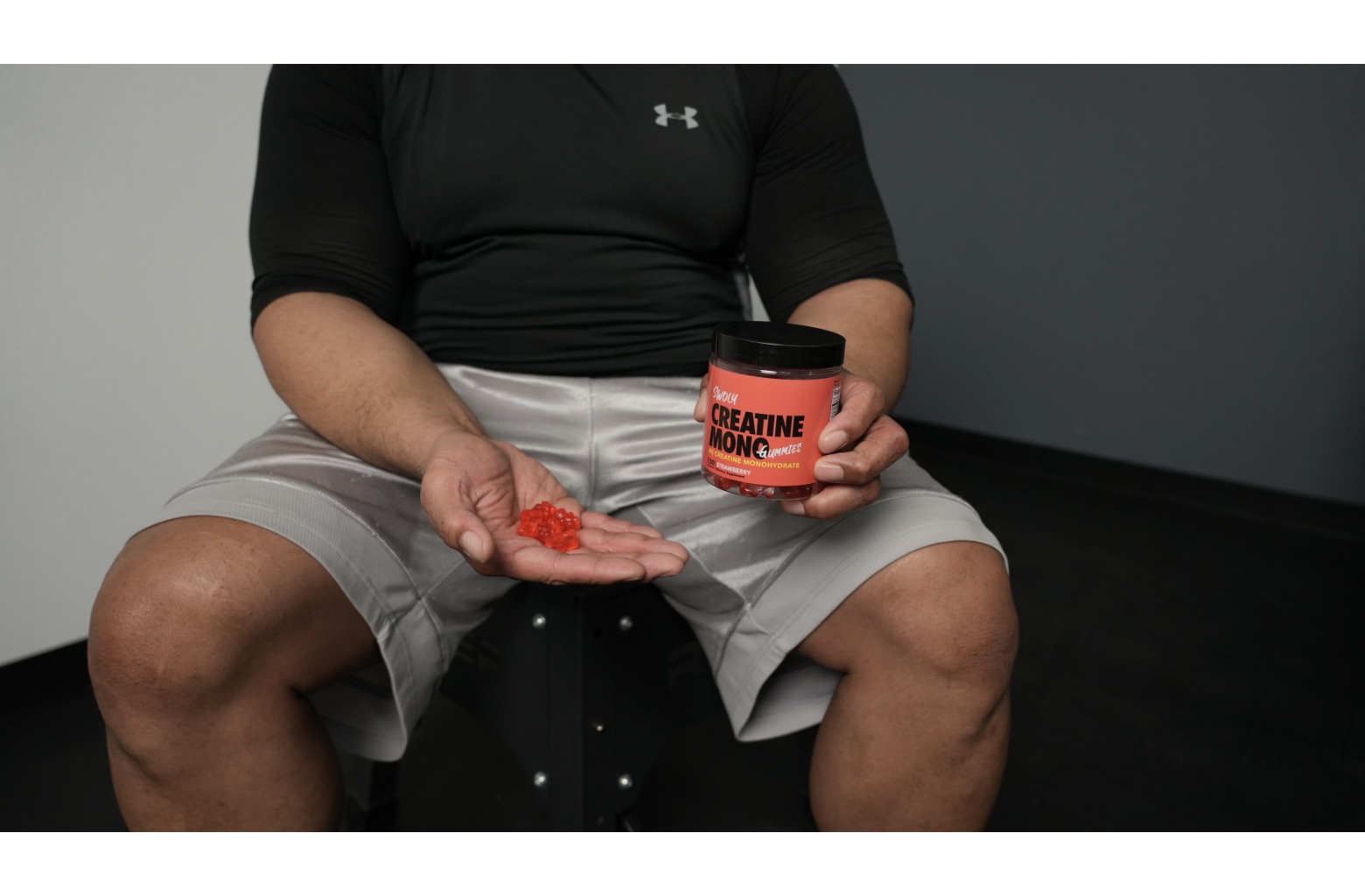
- Opt for Monohydrate: As discussed, creatine monohydrate is the most proven and cost-effective form. Look for labels that clearly state "Creatine Monohydrate."
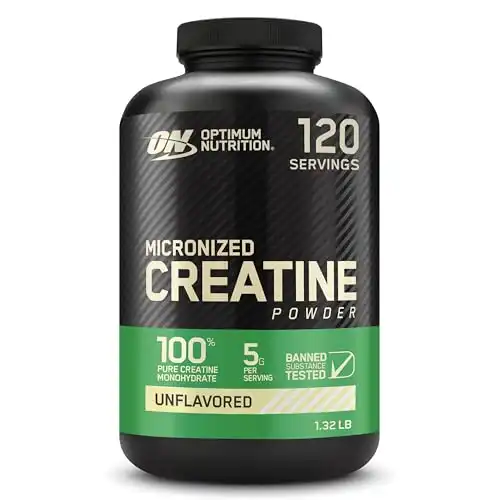
- Quality Matters: While brand names are generally avoided, look for products that are transparent about their sourcing and, ideally, undergo third-party testing (e.g., Informed Sport Certified, NSF Certified for Sport) if you are a competitive athlete or simply value an extra layer of purity assurance. This ensures the product contains what it claims and is free from contaminants or banned substances.
2. Decide on Your Starting Strategy: Loading vs. Non-Loading:
- Loading Phase (5-7 days): If you want to experience benefits faster, take 20-25 grams daily, split into 4-5 servings of 5 grams each. Mix with water, juice, or a protein shake.
- Non-Loading (Consistent Dose): If you prefer a gradual approach or experience GI discomfort with higher doses, simply start with 3-5 grams daily. Full saturation will take 3-4 weeks.
- Maintenance: After the loading phase (or once you reach saturation), continue with 3-5 grams daily.
3. Integrate with Meals or Shakes:
- Post-Workout Shake: A perfect time to add creatine. Mix it with your protein powder and carbohydrates (e.g., banana, dextrose) to optimize absorption.
- With Any Meal: On rest days, or if a post-workout shake isn’t your routine, simply mix your creatine into a glass of water, juice, or blend it into a smoothie to consume alongside any meal. The goal is daily consistency.
4. Stay Hydrated:
- Creatine draws water into muscle cells, which is beneficial for muscle growth and performance. To support this process and maintain overall health, ensure you’re drinking plenty of water throughout the day. Aim for at least 3-4 liters if you’re active.
5. Pair with Resistance Training:
- Creatine works synergistically with resistance training. It helps you lift heavier and perform more reps, which are the direct stimuli for muscle growth. If you’re not consistently challenging your muscles, creatine’s benefits will be diminished.
- Real-Life Example: If you’re new to lifting, start with a well-structured beginner’s program. As you get stronger, creatine will help you push past plateaus, add more weight, or squeeze out those challenging extra reps that stimulate further adaptation.
6. Listen to Your Body:
- While creatine is safe for most, pay attention to how your body responds. If you experience any persistent discomfort, adjust your dosage or consult a healthcare professional.
- Patience is a Virtue: Creatine isn’t a magic pill. It enhances your body’s capacity, but consistent effort, proper nutrition, and adequate rest are still the cornerstones of progress. View creatine as a powerful amplifier for your hard work.
7. Consider Cycling (Optional, Not Essential):
- Some individuals choose to "cycle" creatine, taking it for a period (e.g., 8-12 weeks) and then taking a break (e.g., 4 weeks). While not scientifically proven to be necessary for effectiveness or to prevent adaptation, some find it psychologically beneficial or a way to reassess their baseline performance. For continuous benefits, consistent daily intake is generally recommended.
By adopting these practical strategies, you can confidently and effectively incorporate creatine into your fitness journey, paving the way for enhanced performance, impressive muscle gains, and quicker recovery.

Final Thoughts: Your Catalyst for Greater Fitness
The journey to a stronger, more capable physique is paved with dedication, smart training, and consistent effort. While no supplement can replace these fundamental pillars, creatine stands out as a scientifically validated catalyst, capable of accelerating your progress and helping you reach new heights.
For beginners and intermediate fitness enthusiasts alike, creatine monohydrate offers a compelling suite of benefits: from unlocking untapped strength and power to fueling significant muscle growth and promoting a faster, more robust recovery. It’s a tool that empowers you to push harder, recover quicker, and ultimately, build the body you envision.
Dispelling the myths surrounding its safety, creatine has proven itself as a reliable and effective aid. By understanding its mechanisms, adhering to recommended dosages, and integrating it wisely into your routine, you’re not just taking a supplement; you’re investing in your potential.
So, whether you’re striving for that elusive extra rep, aiming to build a more muscular frame, or simply seeking to optimize your body’s resilience, consider creatine your steadfast ally. Embrace the science, commit to the process, and witness firsthand how this remarkable compound can transform your fitness journey, propelling you toward a stronger, more energized, and more accomplished you. The power to unlock your full physical potential is within reach – let creatine help you seize it.
FAQs
Q1: What is micronized creatine?
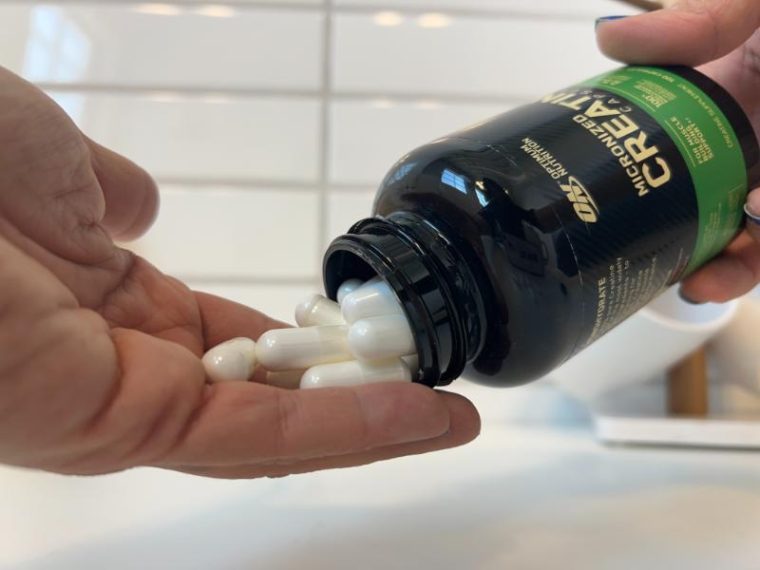
Micronized creatine is simply creatine monohydrate that has been ground into finer particles. This processing improves its solubility in water, making it mix more easily and potentially reducing stomach discomfort for some individuals. However, research indicates that micronized creatine monohydrate is not any more bioavailable or effective than standard creatine monohydrate itself.
Q2: When is the best time to take creatine?
While consistency is key, research suggests that taking creatine immediately after your workout may offer a slight advantage. During this post-exercise window, increased blood flow to muscle tissue and enhanced insulin sensitivity can optimize creatine uptake. Combining it with a post-workout meal or shake containing carbohydrates and protein can further aid absorption. On rest days, the timing is less critical; simply take your daily dose with any meal.
Q3: Is creatine bad for you?
In short, no. Decades of extensive scientific research, including both short- and long-term studies, have consistently shown that creatine monohydrate is safe for healthy individuals when used at recommended dosages. There is no scientific evidence linking creatine to kidney damage, liver damage, or hair loss in healthy individuals.
Q4: How much creatine should I take?
The most effective and research-backed dose for most individuals is 3 to 5 grams of creatine monohydrate per day. For larger individuals, a more precise recommendation is 0.1 grams of creatine per kilogram of body weight to ensure full muscle saturation and optimal results. Consistency in daily intake is more important than the exact timing of the dose.
Q5: Does creatine lead to weight gain?
Creatine can lead to an initial increase in body weight, typically 1-3 kg (2-6 lbs) during the first week of supplementation. This is primarily due to increased intracellular water retention, as creatine draws water into your muscle cells. This "cell volumization" is a beneficial effect that contributes to muscle fullness and is not unhealthy fat gain. Furthermore, creatine helps increase lean skeletal muscle mass over time, which will naturally increase your overall body weight and improve body composition without impacting fat mass.