In the dynamic world of fitness, where trends come and go, some tools stand the test of time, proving their enduring value to exercisers of all levels. Among these stalwarts, the Smith machine often finds itself at the center of debate, lauded by some for its safety and versatility, and critiqued by others for its fixed range of motion. Yet, for beginners embarking on their strength journey and intermediate lifters seeking to refine their technique or push their limits safely, the Smith machine is far more than just a piece of gym equipment; it’s a powerful ally.
Imagine stepping into your home gym, ready to tackle a challenging workout without the need for a spotter, or the concern of losing form under heavy loads. This is the promise of the Smith machine: a secure, guided environment where you can focus intently on muscle engagement, technique, and progressive overload. This article will demystify the Smith machine, unlock its vast potential, and provide you with actionable strategies to integrate it effectively into your fitness regimen, transforming your strength, confidence, and overall physique.
Demystifying the Smith Machine: More Than Just a "Fixed Bar"
Often misunderstood, the Smith machine is a sophisticated piece of equipment designed to enhance safety and facilitate controlled movements. To truly harness its power, we must first understand its mechanics and separate fact from fiction.
What Exactly is a Smith Machine?
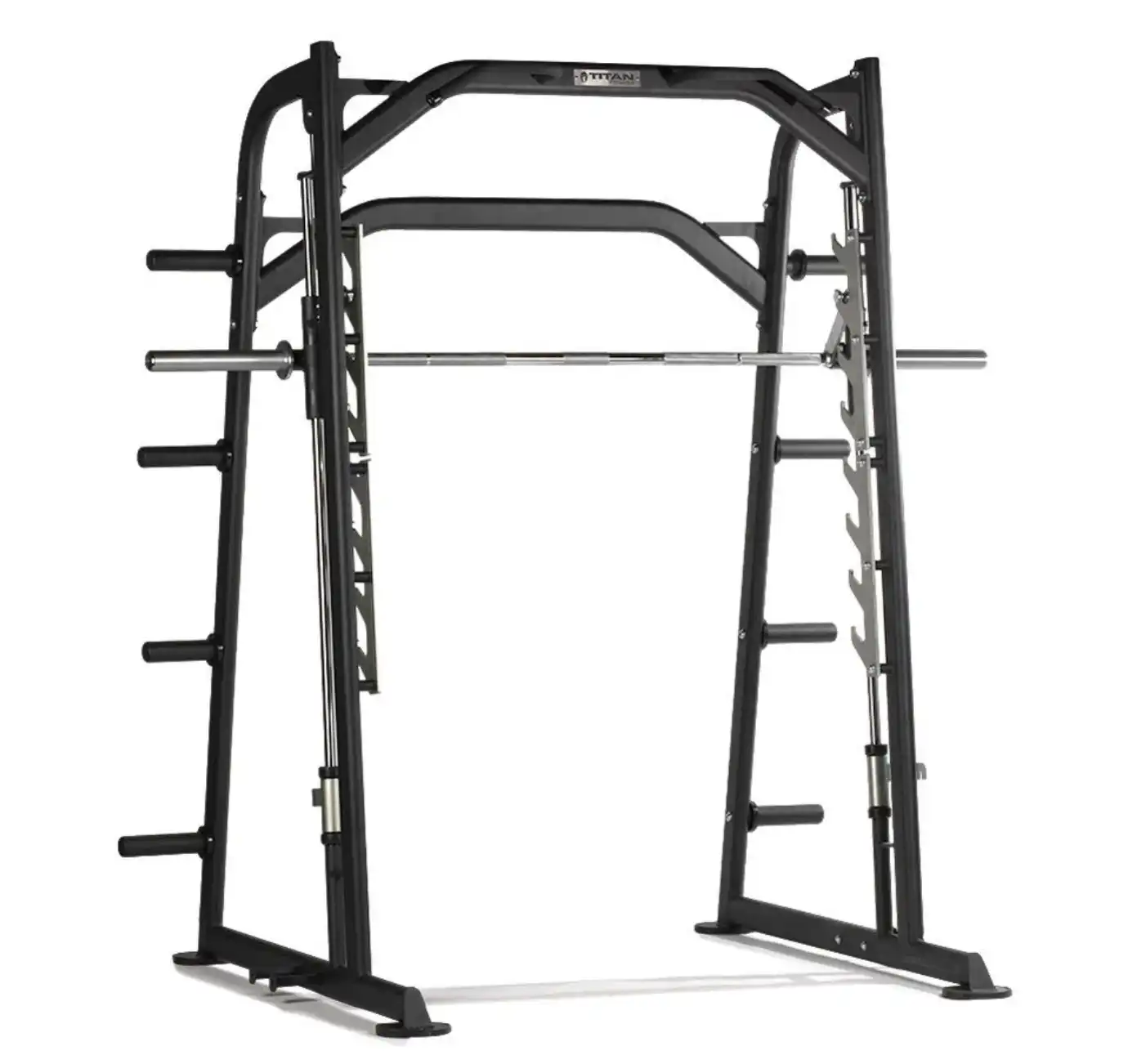
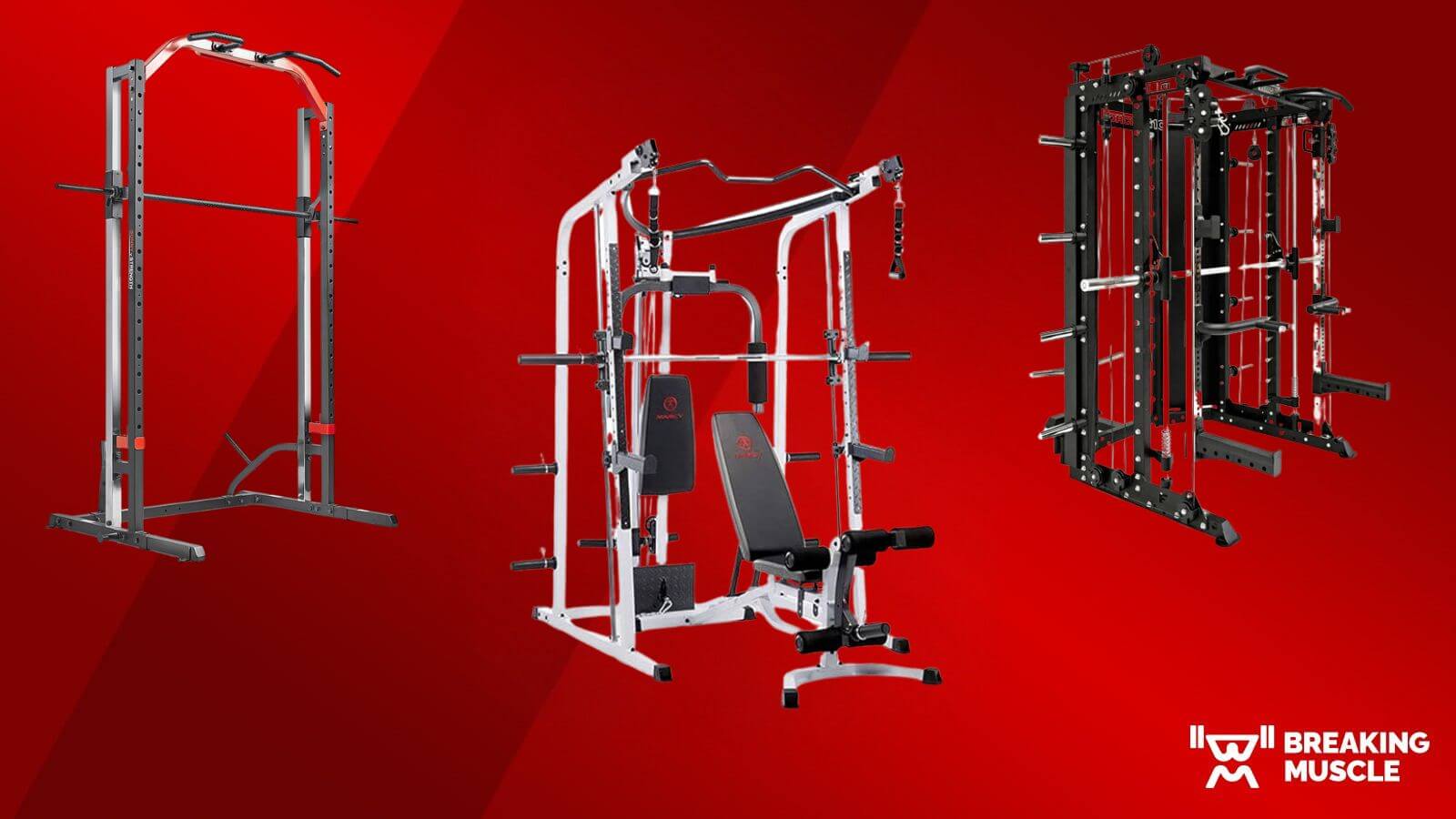
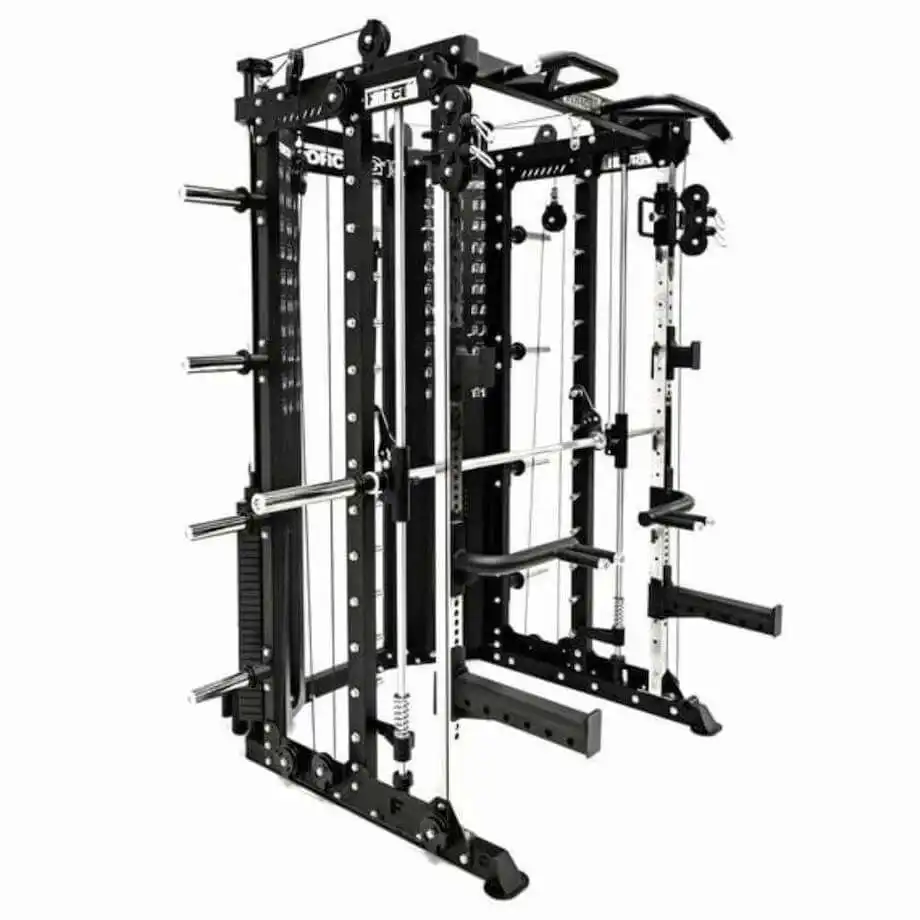
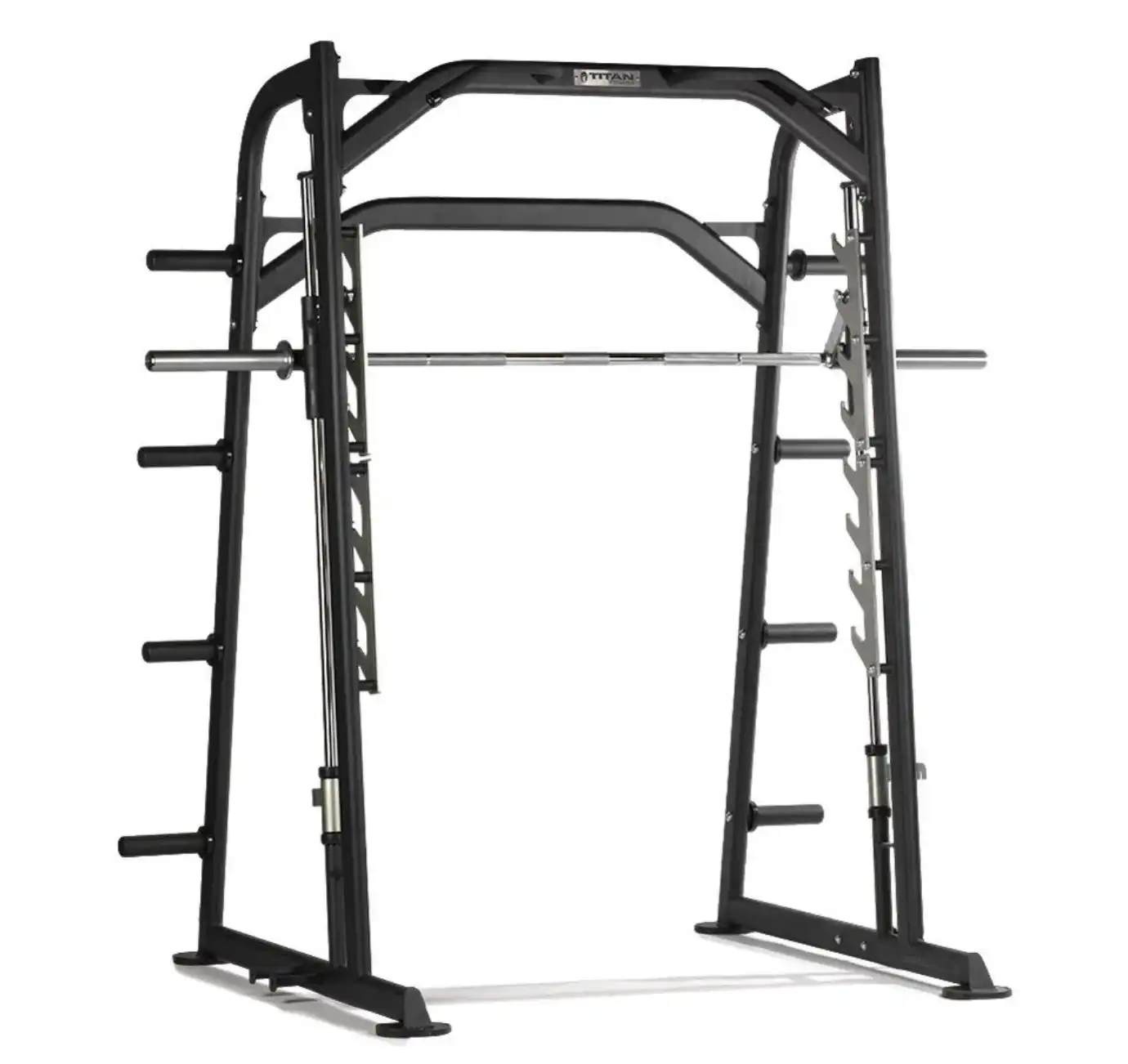
At its core, a Smith machine consists of a barbell fixed within steel rails, allowing it to move only vertically or, in some designs, along a slightly angled path. This barbell is counterbalanced in many models, reducing its effective starting weight, and features a series of hooks along its length that can be rotated into slots on the frame. This ingenious design allows you to "rack" the bar at any point during a lift, providing an immediate safety net.
Unlike free weights, where you must stabilize the bar in three dimensions, the Smith machine eliminates the need for horizontal stabilization. This seemingly simple feature profoundly impacts your workout, shifting the focus from balance and coordination to pure muscle contraction and strength development.
Dispelling Common Misconceptions
The most common critique of the Smith machine is that its fixed path makes it "less effective" than free weights because it doesn’t engage stabilizer muscles as much. While it’s true that free weights offer a more natural, multi-planar movement, this doesn’t render the Smith machine ineffective. In fact, its fixed path becomes a significant advantage when used strategically:
- Stabilizer Muscle Engagement: While reduced, stabilizer muscles are still active. More importantly, the fixed path allows you to isolate primary muscle groups more effectively, leading to intense contractions and targeted growth.
- Real-World Strength: The goal isn’t always "real-world strength" in every exercise. Sometimes, the goal is hypertrophy (muscle growth) or safely pushing heavy loads. For these objectives, the Smith machine excels.
- Beginner-Friendly: For those new to lifting, the Smith machine provides a safe learning environment to master fundamental movement patterns like squats and presses without the added complexity of balance.
Instead of viewing the Smith machine as a substitute for free weights, consider it a complementary tool that offers unique benefits, particularly for individuals focusing on safety, form refinement, and targeted muscle development.
The Unrivaled Benefits: Why a Smith Machine Belongs in Your Routine
Understanding the practical advantages of the Smith machine can unlock a new dimension in your training. It’s a versatile powerhouse capable of accelerating your progress and safeguarding your body.
Enhanced Safety and Confidence
This is perhaps the most compelling benefit, especially for those training alone in a home gym.
- Built-in Spotter: The ability to rack the bar instantly at any point means you can push to failure without fear. No more worrying about getting pinned under a heavy bench press or failing a squat.
- Safety Stops: Adjustable safety stoppers can be set to prevent the bar from descending below a certain point, acting as a crucial backup. This is invaluable for heavy lifts, allowing you to train with maximum effort and peace of mind.
- Reduced Injury Risk: By eliminating lateral movement and focusing on a guided path, the Smith machine minimizes the risk of awkward twists or sudden losses of balance that can lead to injury, particularly during compound movements.
Precision in Form and Muscle Isolation
For many, achieving perfect form on complex exercises like squats or bench presses can be challenging with free weights. The Smith machine simplifies this by removing one variable: stabilization.
- Form Mastery: Beginners can use the fixed path to concentrate solely on the concentric (lifting) and eccentric (lowering) phases of an exercise, drilling proper movement patterns without fighting for balance. This foundational practice translates positively to free-weight exercises later on.
- Targeted Muscle Engagement: By stabilizing the bar for you, the Smith machine allows for superior muscle isolation. For example, during a Smith machine squat, you can adjust your foot position to emphasize quadriceps or glutes more directly than might be possible with a free-weight barbell, where maintaining balance takes precedence. This can be crucial for addressing muscle imbalances or focusing on specific muscle growth.
Versatility for a Full-Body Arsenal
Don’t let the fixed path fool you; the Smith machine is incredibly versatile, allowing for a vast array of exercises that target every major muscle group. From fundamental compound lifts to specific isolation movements, it can be the cornerstone of a comprehensive strength program.
- Compound Lifts: Safely perform squats, bench presses, overhead presses, and deadlifts variations.
- Isolation Exercises: Target specific muscles with movements like calf raises, shrugs, bent-over rows, and even inverted rows.
- Unique Variations: Its fixed path opens doors to exercises difficult or impossible with free weights, such as reverse hack squats or specific decline presses.
Ideal for Progressive Overload
Progressive overload – consistently increasing the demands on your muscles – is fundamental for building strength and muscle mass. The Smith machine facilitates this process safely and effectively.
- Consistent Progression: With the safety net in place, you can confidently add small increments of weight, knowing you can bail out if needed. This consistent challenge is key to muscle adaptation and growth.
- Advanced Techniques: The Smith machine is excellent for implementing advanced training techniques like forced reps (with a spotter if available, or by adjusting the safety pins), negatives (controlled lowering of heavy weight), and dropsets, all while maintaining a high degree of safety.
Aiding Rehabilitation and Adaptation
For individuals recovering from injuries or those with specific physical limitations, the Smith machine offers a controlled environment for strength training.
- Controlled Movement: The guided path minimizes stress on joints and allows for a precise range of motion, which is crucial during recovery.
- Gradual Strength Building: It enables a gradual return to loading, helping to rebuild strength and confidence without the risk associated with unstable free weights.
- Adaptive Training: For those with balance issues or certain disabilities, the Smith machine can be an invaluable tool for performing exercises that might otherwise be inaccessible.
Mastering Your Movements: Essential Exercises on the Smith Machine
To truly leverage the Smith machine, understanding how to perform key exercises correctly is paramount. We’ll cover foundational movements for both upper and lower body, along with some effective accessory work. Remember, while the machine guides the bar, proper body positioning and muscle engagement are still crucial.
Lower Body Powerhouse
The Smith machine is exceptional for sculpting powerful legs and glutes. The fixed path allows you to manipulate foot placement to emphasize different muscles.
-
Smith Machine Back Squat:
- Setup: Position the bar across your upper back (traps), as you would with a free-weight squat. Step your feet slightly forward of the bar’s direct vertical path. This allows for a more natural squatting motion and better glute/hamstring engagement, mimicking a hack squat feel.
- Execution: Unrack the bar, take a deep breath, and descend into a squat, keeping your chest up and core tight. Push through your heels to return to the starting position.
- Tip: Experiment with foot placement. Moving feet further forward emphasizes glutes and hamstrings, while keeping them closer to directly under the bar emphasizes quads.
-
Smith Machine Front Squat:
- Setup: Position the bar across the front of your shoulders, resting on your deltoids, with elbows high. Feet should be directly under the bar or slightly forward.
- Execution: Maintain an upright torso, descend into a squat, driving your knees forward. Keep your elbows high throughout.
- Tip: Great for quad development and practicing an upright squat posture without the balance challenge of free-weight front squats.
-
Smith Machine Lunges (Split Squats):
- Setup: Place the bar on your upper back. Step one foot forward, creating a split stance, with the back foot further behind.
- Execution: Lower your body until both knees are bent at approximately 90-degree angles. Ensure your front knee stays over your ankle. Push through your front heel to stand up.
- Tip: Excellent for unilateral (one-sided) leg strength. The fixed path makes balance less of an issue, allowing for deeper focus on the working leg.
-
Smith Machine Romanian Deadlifts (RDLs):
- Setup: Stand with feet hip-width apart, bar resting on the floor or safety pins at mid-thigh height. Grip the bar with an overhand grip, slightly wider than shoulder-width.
- Execution: Keeping a slight bend in your knees and a straight back, hinge at your hips, pushing your glutes backward. Lower the bar until you feel a deep stretch in your hamstrings. Squeeze your glutes to return to the starting position.
- Tip: The guided path helps maintain a straight bar path, which can be beneficial for those learning the hip hinge movement. Focus on the hamstring stretch, not how low the bar goes.
-
Smith Machine Calf Raises:
- Setup: Position the bar on your upper back. Place the balls of your feet on a raised platform (like a weight plate) with your heels hanging off.
- Execution: Lower your heels to stretch your calves, then push up onto the balls of your feet, squeezing your calves at the top.
- Tip: Allows for heavy loading and full range of motion, promoting significant calf development.
Upper Body Strength Builders
The Smith machine offers a stable platform for pressing and pulling movements, ideal for chest, shoulders, and back.
-
Smith Machine Bench Press (Flat, Incline, Decline):
- Setup: Set up an adjustable bench under the bar. Lie on the bench with your eyes directly under the bar. Grip slightly wider than shoulder-width.
- Execution: Unrack the bar. Lower it in a controlled manner to your chest (mid-chest for flat, upper chest for incline, lower chest for decline). Press the bar back up, focusing on squeezing your chest muscles.
- Tip: The safety pins are your best friend here. Set them just below your chest to allow a full range of motion without the risk of getting stuck.
-
Smith Machine Overhead Press (Seated or Standing):
- Setup: Position a bench for seated presses, or stand with the bar at shoulder height. Grip the bar slightly wider than shoulder-width.
- Execution: Unrack the bar. Press it directly overhead until your arms are fully extended, squeezing your shoulders. Control the descent.
- Tip: Standing overhead presses on the Smith machine can be challenging for some due to the fixed path. Seated presses offer more stability and allow for greater focus on shoulder isolation.
-
Smith Machine Bent-Over Rows:
- Setup: Stand with the bar at knee height or lower. Hinge at your hips, keeping your back straight and knees slightly bent. Grip the bar slightly wider than shoulder-width.
- Execution: Pull the bar towards your lower chest/upper abdomen, squeezing your shoulder blades together. Control the eccentric phase.
- Tip: The fixed path ensures a consistent pulling angle, making it great for targeting the lats and upper back.
Core and Accessory Work
Beyond the main lifts, the Smith machine can be surprisingly effective for core and accessory movements.
-
Smith Machine Inverted Rows:
- Setup: Set the bar at waist height. Lie on your back underneath, gripping the bar with an overhand grip, hands wider than shoulder-width. Extend your legs out, keeping your body straight.
- Execution: Pull your chest towards the bar, squeezing your shoulder blades. Control the descent.
- Tip: A fantastic bodyweight exercise for back strength, adaptable by adjusting the bar height (lower for harder, higher for easier).
-
Smith Machine Shrugs:
- Setup: Stand with the bar in front of you, hands slightly wider than shoulder-width.
- Execution: Keeping your arms straight, elevate your shoulders towards your ears, squeezing your traps. Control the lowering phase.
- Tip: Allows for heavy loading to build thick, powerful traps.
Crafting Your Smith Machine Workout Plan (Beginner to Intermediate)
A well-structured plan is crucial for progress. The Smith machine can be the foundation of a highly effective routine, adaptable for various fitness levels and goals.

Starting Strong: The Beginner’s Blueprint
For beginners, the focus should be on mastering form, establishing a consistent routine, and building foundational strength.
- Frequency: 2-3 full-body workouts per week.
- Rep Range: 10-15 repetitions per set to focus on muscle endurance and form.
- Sets: 2-3 sets per exercise.
- Key Principles:
- Light Weight: Start with very light weight, or even just the bar, to engrain proper movement patterns.
- Controlled Movement: Emphasize slow, controlled lifting and lowering (eccentric phase).
- Listen to Your Body: Don’t push through pain.
Beginner Full-Body Smith Machine Workout Example:
- Warm-up: 5-10 minutes light cardio (e.g., jumping jacks, arm circles, leg swings).
- Smith Machine Back Squat: 3 sets x 12-15 reps
- Smith Machine Bench Press (Flat): 3 sets x 10-12 reps
- Smith Machine Lunges: 3 sets x 10-12 reps per leg
- Smith Machine Overhead Press (Seated): 2 sets x 10-15 reps
- Smith Machine Bent-Over Rows: 2 sets x 10-15 reps
- Smith Machine Calf Raises: 2 sets x 15-20 reps
- Cool-down: 5-10 minutes stretching.
Stepping Up: Intermediate Progression
Once you’ve mastered the basics and built a solid foundation, it’s time to increase the challenge. Intermediate lifters can focus on increasing strength, hypertrophy, and exploring more advanced techniques.
- Frequency: 3-4 workouts per week, potentially splitting muscle groups (e.g., upper/lower split, push/pull/legs).
- Rep Range:
- Strength: 5-8 repetitions per set.
- Hypertrophy: 8-12 repetitions per set.
- Sets: 3-4 sets per exercise.
- Progression Strategies:
- Increase Weight: Gradually lift heavier, maintaining good form.
- Increase Volume: Add more sets or exercises.
- Decrease Rest: Shorten rest periods between sets.
- Advanced Techniques: Safely incorporate dropsets, supersets (if applicable), or negatives.
Intermediate Upper/Lower Smith Machine Split Example:
Day 1: Upper Body
- Warm-up: 5-10 minutes dynamic stretches.
- Smith Machine Incline Bench Press: 4 sets x 8-12 reps
- Smith Machine Bent-Over Rows: 4 sets x 8-12 reps
- Smith Machine Overhead Press (Standing): 3 sets x 8-10 reps
- Smith Machine Inverted Rows: 3 sets x AMRAP (As Many Reps As Possible)
- Smith Machine Close-Grip Bench Press: 3 sets x 10-15 reps (for triceps)
- Cool-down: Stretching.
Day 2: Lower Body
- Warm-up: 5-10 minutes dynamic stretches.
- Smith Machine Front Squat: 4 sets x 8-12 reps
- Smith Machine RDLs: 4 sets x 8-12 reps
- Smith Machine Reverse Hack Squat: 3 sets x 10-15 reps (facing away from the bar, pushing through your heels)
- Smith Machine Glute Bridges: 3 sets x 12-15 reps (lying on floor, pushing bar with hips)
- Smith Machine Calf Raises (Heavy): 3 sets x 10-15 reps
- Cool-down: Stretching.
(Rest on Day 3, repeat Day 1 & 2 on Day 4 & 5, rest on weekend, or adjust as per your schedule).
Maximizing Your Smith Machine Experience: Pro Tips and Considerations
To truly get the most out of your Smith machine, a few key considerations and practical tips can make a significant difference in your results and overall training experience.
The Importance of Setup and Adjustments
- Bar Height: Always set the bar at an appropriate height for un-racking and re-racking the weight safely. For squats, it should be just below shoulder height. For presses, it should be within easy reach from your starting position.
- Safety Stoppers: Never skip setting the safety stoppers. This is the Smith machine’s primary safety feature. Set them just below your full range of motion for presses and squats. This allows for full movement while preventing the bar from pinning you.
- Bench Positioning: When using a bench for presses, ensure it’s centered under the bar and stable. Experiment with its position relative to the bar’s path to find the most comfortable and effective angle for your pressing movements.
Integrating with Free Weights
While the Smith machine is fantastic on its own, it truly shines when integrated into a broader fitness program that also includes free weights.
- Complementary Training: Use the Smith machine for heavy, controlled sets where safety is paramount, or for specific muscle isolation. Then, incorporate free weights (dumbbells, barbells outside the rack) for movements that require more balance and coordination, challenging your stabilizer muscles.
- Pre-Exhaustion: Use the Smith machine for an isolation exercise (e.g., Smith machine chest press) to pre-exhaust a muscle group before moving to a compound free-weight exercise (e.g., dumbbell bench press) to further challenge the fatigued muscles.
- Injury Management: If a free-weight exercise causes discomfort, try a Smith machine variation to continue training the muscle group in a more controlled, pain-free manner.
Listening to Your Body
Even with the enhanced safety of a Smith machine, it’s crucial to be mindful of your body’s signals.
- Form Over Weight: Never sacrifice proper form for heavier weight. The fixed path can sometimes tempt users to load too much, but incorrect form can still lead to injury.
- Joint Health: Pay attention to your joints. The fixed path can sometimes put unique stress on knees, shoulders, or wrists if your body mechanics don’t perfectly align with the machine’s path. Adjust your stance, grip, or exercise choice if you feel discomfort.
- Recovery: Ensure adequate rest and nutrition to support muscle recovery and growth. Progressive overload is effective only if your body has time to adapt.
Choosing the Right Machine (General Considerations)
If you’re considering adding a Smith machine to your home gym, think about:
- Space: Smith machines, especially all-in-one units, can take up considerable space. Measure your area carefully.
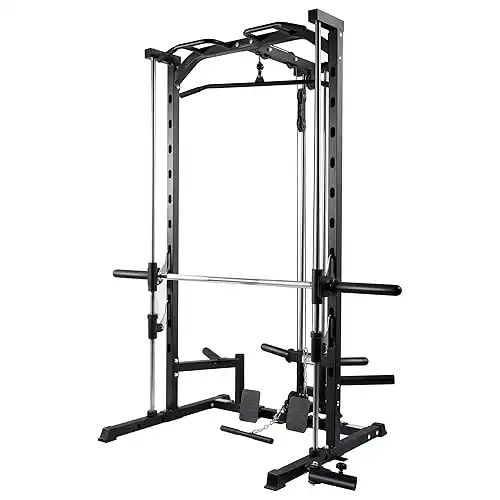
- Versatility: Do you want a standalone Smith machine or an all-in-one unit that includes cable pulleys, a power rack, and other attachments? More versatility means more exercise options but also a larger footprint and potentially higher cost.
- Weight Capacity: Ensure the machine can safely handle the weights you plan to lift, both for the bar itself and any integrated weight stacks.
- Bar Movement: Ideally, the bar should glide smoothly with minimal friction along its rails.
Conclusion: Your Blueprint for Unrivaled Strength and Safety
The Smith machine, far from being a mere fixture in the gym, is a meticulously engineered tool designed to empower your fitness journey. For beginners, it offers a welcoming and safe environment to build foundational strength and master crucial movement patterns. For intermediate lifters, it provides an unparalleled platform for pushing past plateaus, achieving targeted muscle growth, and executing advanced training techniques with confidence.
By embracing its unique benefits—enhanced safety, precise muscle isolation, and incredible versatility—you can unlock a new level of performance and transform your physique. Whether you’re aiming to build muscle, increase strength, or simply train with greater peace of mind, the Smith machine offers a guided path to power that is both effective and profoundly rewarding.
Don’t let misconceptions limit your potential. Step up to the Smith machine, learn its nuances, and integrate it intelligently into your routine. Your journey to a stronger, more confident you is waiting. Unleash your potential, one perfectly executed rep at a time.