Embarking on a fitness journey can feel like stepping into a vast, uncharted territory. For many, it starts with a surge of motivation, often followed by confusion, inconsistency, and eventually, burnout. But what if you could approach your fitness goals not as a sprint, but as the meticulous construction of a robust, lifelong blueprint? A system designed not just for temporary results, but for sustainable strength, vibrant health, and unwavering confidence that grows with you, year after year.
This comprehensive guide is your architectural plan. Whether you’re taking your first tentative steps into the world of exercise or you’re an intermediate enthusiast looking to solidify your foundation and push past plateaus, this blueprint offers a clear, actionable path. We’ll delve into the fundamental pillars of lasting fitness – from cultivating the right mindset and setting strategic goals, to mastering effective training, fueling your body intelligently, and optimizing recovery. Forget fleeting trends and quick fixes; our focus is on building an unshakeable base that empowers you to thrive, adapt, and continually redefine what’s possible for your body and mind. Your journey to lasting strength, resilience, and vitality begins not with a single workout, but with a deliberate, well-crafted plan.
Laying the Cornerstone: Mindset and Goal Setting
Before you lift a single weight or run a single mile, the most crucial muscle to train is your mind. Your mental approach and the way you define success will dictate the sustainability and enjoyment of your fitness journey. Without a strong mental foundation, even the most perfect workout plan can crumble.
Cultivating a Growth Mindset
A growth mindset is the belief that your abilities and intelligence can be developed through dedication and hard work. In fitness, this means viewing challenges not as insurmountable obstacles, but as opportunities for growth and learning.
- Embrace Challenges as Stepping Stones: Understand that setbacks are inevitable. A missed workout, a difficult session, or a slow week isn’t a failure; it’s data. It’s a chance to learn what works, what doesn’t, and how to adapt your approach.
- Focus on Progress, Not Perfection: The pursuit of perfection can be paralyzing. Instead, celebrate small victories. Did you complete an extra rep? Lift slightly heavier? Walk an extra five minutes? These incremental improvements accumulate into significant transformations over time.
- Intrinsic vs. Extrinsic Motivation: While external motivators like looking good for an event can kickstart your journey, true longevity comes from intrinsic motivation. Find joy in the process itself – the feeling of strength, the energy boost, the mental clarity. When your motivation comes from within, it’s far more resilient.
- Practice Self-Compassion: Be kind to yourself. There will be days when your motivation wanes, or you don’t perform at your best. Acknowledge it, learn from it, and gently guide yourself back on track without harsh self-criticism.
Smart Goals for Sustainable Success
Vague goals lead to vague results. To build your fitness blueprint effectively, you need clear, well-defined objectives. The SMART framework is an invaluable tool for this.
- Specific: What exactly do you want to achieve? Instead of "I want to get fit," try "I want to be able to complete 10 unassisted push-ups."
- Measurable: How will you track your progress? For the push-up goal, you’d track how many you can do each week. For strength, you might track the weight lifted or reps completed. For endurance, track distance or time.
- Achievable: Is your goal realistic given your current fitness level and resources? Aim high, but ensure it’s within reach to maintain motivation. A beginner aiming for a marathon in a month might be setting themselves up for disappointment, but aiming for a 5k in three months is more achievable.
- Relevant: Does this goal align with your broader values and long-term vision for your health? Is it important to you?
- Time-bound: When do you want to achieve this goal? Setting a deadline creates urgency and a clear target.
Examples of SMART Goals:
- Beginner Strength: "I will strength train three times per week for 45 minutes each session, focusing on fundamental movements (squats, deadlifts, presses), for the next 12 weeks, with the goal of increasing my squat by 20% and performing 5 perfect push-ups."
- Intermediate Endurance: "I will run three times a week, increasing my long run distance by 10% each week, for the next 8 weeks, to comfortably complete a 10k race."
- Overall Wellness: "I will incorporate 30 minutes of brisk walking five days a week and prepare homemade meals four evenings a week for the next six months to improve my energy levels and maintain a healthy weight."
Actionable Advice for Goal Setting:
- Write Them Down: Physically writing your goals reinforces them.
- Review Regularly: Check in weekly or monthly to see how you’re progressing. Adjust if necessary.
- Break Down Big Goals: If your ultimate goal is ambitious, break it into smaller, manageable milestones. Achieving these mini-goals will keep you motivated.
- Track Your Progress: Use a fitness journal, a dedicated app, or even simple notes on your phone to log workouts, measurements, and how you feel. Seeing tangible evidence of your efforts is incredibly powerful.
The Pillars of Physical Prowess: Training Fundamentals
With your mindset established and your goals clearly defined, it’s time to construct the physical framework of your fitness blueprint. This involves understanding and implementing effective strategies for strength training, cardiovascular fitness, and flexibility.
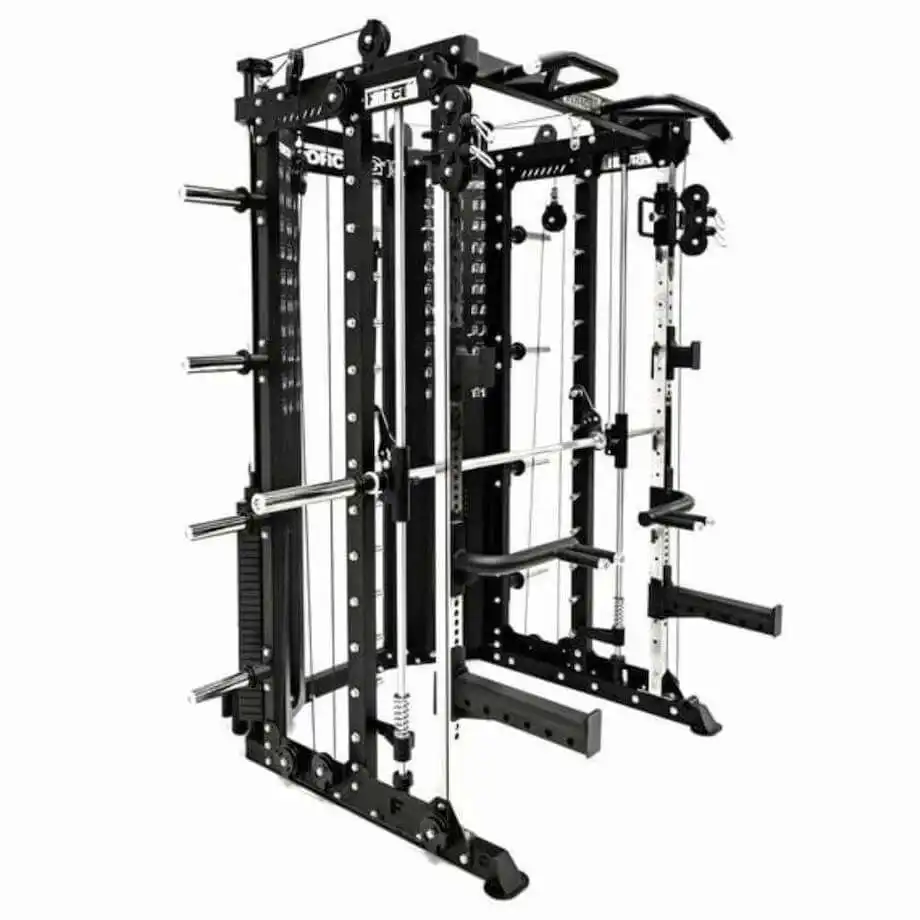
Strength Training: The Engine of Progress
Strength training is not just for bodybuilders; it’s a foundational component of health and longevity for everyone. It’s the most effective way to build muscle, boost metabolism, strengthen bones, and improve functional movement in daily life.
- Why It’s Crucial:
- Muscle Growth (Hypertrophy): More muscle means a stronger, more capable body.
- Metabolic Boost: Muscle tissue is more metabolically active than fat, meaning you burn more calories at rest.
- Bone Density: Weight-bearing exercises stimulate bone growth, reducing the risk of osteoporosis.
- Functional Strength: Improved ability to perform everyday tasks like lifting groceries, climbing stairs, and playing with children.
- Injury Prevention: Stronger muscles and connective tissues protect joints.
- Progressive Overload: The Golden Rule: This is the single most important principle for gaining strength and muscle. To get stronger, your muscles must constantly be challenged beyond their current capabilities. This can be achieved by:
- Increasing Weight: Lifting heavier loads.
- Increasing Reps/Sets: Performing more repetitions or additional sets with the same weight.
- Increasing Frequency: Training a muscle group more often.
- Decreasing Rest Time: Challenging your cardiovascular system and muscular endurance.
- Improving Form: Executing movements with better control and range of motion.
- Implementing More Challenging Exercises: Progressing from assisted push-ups to regular push-ups, for example.
- Workout Structure for Beginners/Intermediates:
- Full Body vs. Split Routines:
- Full Body (Beginner-Friendly): Training all major muscle groups in one session, typically 2-3 times a week. This allows for adequate recovery between sessions and is excellent for building foundational strength.
- Split Routines (Intermediate): Dividing your training into different muscle groups on different days (e.g., upper body/lower body, push/pull/legs). This allows for higher volume on specific muscle groups but requires more frequent gym visits.
- Rep Ranges, Sets, and Rest Times:
- Strength Focus: 3-5 sets of 3-6 repetitions with heavier weight, 2-3 minutes rest.
- Muscle Growth (Hypertrophy): 3-4 sets of 8-12 repetitions with moderate weight, 60-90 seconds rest.
- Endurance: 2-3 sets of 12-15+ repetitions with lighter weight, 30-60 seconds rest.
- Compound vs. Isolation Movements:
- Compound (Multi-joint): Exercises that involve multiple joints and muscle groups (e.g., squats, deadlifts, bench press, overhead press, rows). These are highly efficient and should form the core of your program.
- Isolation (Single-joint): Exercises that target a single muscle group (e.g., bicep curls, triceps extensions, lateral raises). These are great for refining muscle development but should complement compound movements.
- Full Body vs. Split Routines:
- Sample Beginner Strength Week (3 Days Full Body):
- Day 1: Full Body A
- Squats (3 sets of 8-12 reps)
- Bench Press or Push-ups (3 sets of 8-12 reps)
- Barbell Rows or Dumbbell Rows (3 sets of 8-12 reps per side)
- Plank (3 sets, hold for 30-60 seconds)
- Day 2: Rest or Active Recovery
- Day 3: Full Body B
- Deadlifts or Romanian Deadlifts (3 sets of 6-10 reps)
- Overhead Press (3 sets of 8-12 reps)
- Lat Pulldowns or Pull-ups (3 sets of 8-12 reps)
- Lunges (3 sets of 8-12 reps per leg)
- Day 4: Rest or Active Recovery
- Day 5: Full Body C (or repeat A with variations)
- Leg Press or Goblet Squats (3 sets of 10-15 reps)
- Incline Dumbbell Press (3 sets of 10-15 reps)
- Face Pulls (3 sets of 12-15 reps)
- Side Planks (3 sets, hold 30-60 seconds per side)
- Day 6 & 7: Rest or Active Recovery
- Day 1: Full Body A
- Form Over Weight: Non-Negotiable: Always prioritize proper form. Lifting too heavy with poor technique significantly increases the risk of injury and reduces the effectiveness of the exercise. If you can’t maintain good form, reduce the weight or switch to an easier variation. Consider filming yourself or getting feedback from a qualified professional.
Cardiovascular Fitness: Fueling Endurance and Health
While strength training builds the engine, cardiovascular fitness keeps it running smoothly. It’s vital for heart health, stamina, efficient recovery, and even mood regulation.
- Benefits of Cardio:
- Heart Health: Strengthens the heart muscle, improves circulation, and helps lower blood pressure.
- Stamina & Endurance: Increases your body’s ability to sustain physical activity.
- Enhanced Recovery: Improved blood flow aids in shuttling nutrients and removing waste products from muscles.
- Mood & Cognitive Function: Releases endorphins, reduces stress, and can boost brain health.
- Types of Cardio:
- LISS (Low-Intensity Steady-State): Activities like brisk walking, cycling, swimming, or light jogging at a consistent, moderate pace for an extended period (30-60+ minutes). Excellent for beginners, recovery, and fat burning.
- HIIT (High-Intensity Interval Training): Short bursts of intense effort followed by brief recovery periods. Examples include sprints, intense cycling intervals, or circuit training. Highly effective for improving cardiovascular fitness and burning calories in less time, but more demanding.
- Integrating Cardio into Your Routine:
- General Health: Aim for at least 150 minutes of moderate-intensity cardio or 75 minutes of vigorous-intensity cardio per week.
- Weight Management: Increase duration or frequency, combining with strength training for best results.
- Beginner Approach: Start with LISS for 20-30 minutes, 2-3 times a week, gradually increasing duration.
- Intermediate Approach: Incorporate 1-2 HIIT sessions per week alongside 1-2 LISS sessions. Ensure HIIT is done on separate days from heavy strength training or after strength training, never before.
- Making It Enjoyable: The best cardio is the one you’ll actually do. Explore different activities: dancing, hiking, team sports, martial arts, rowing. Find what sparks joy and makes you look forward to moving.
Flexibility and Mobility: The Unsung Heroes
Often overlooked, flexibility and mobility are critical components of a complete fitness blueprint. They prevent injury, improve range of motion, and enhance overall athletic performance.
- Why They Matter:
- Injury Prevention: Flexible muscles and mobile joints are less prone to strains, sprains, and imbalances.
- Improved Range of Motion (ROM): Allows you to perform exercises with proper depth and technique, maximizing muscle activation.
- Enhanced Performance: Better mobility translates to more efficient and powerful movement.
- Reduced Soreness: Can aid in recovery by improving blood flow to muscles.
- Dynamic vs. Static Stretching:
- Dynamic Stretching (Warm-up): Active movements that take your joints through their full range of motion (e.g., arm circles, leg swings, torso twists). Perform before your workout to prepare your body.
- Static Stretching (Cool-down): Holding a stretch for 20-30 seconds to lengthen muscles (e.g., hamstring stretch, quad stretch). Perform after your workout when muscles are warm, or on rest days.
- Incorporating into Your Routine:
- Warm-up: 5-10 minutes of light cardio followed by 5-10 minutes of dynamic stretches.
- Cool-down: 5-10 minutes of static stretches, holding each for 20-30 seconds.
- Dedicated Sessions: Consider yoga, Pilates, or specific mobility drills 1-2 times a week.
- Simple Mobility Drills:
- Cat-Cow: Improves spinal flexibility.
- Thoracic Rotations: Enhances upper back mobility.
- Hip Circles: Mobilizes hip joints.
- Ankle Rotations: Improves ankle flexibility.
The Fuel for Your Foundation: Nutrition Essentials
You can have the most meticulously planned workouts, but without proper nutrition, your fitness blueprint will crumble. Food is not just sustenance; it’s the fuel that powers your workouts, repairs your muscles, and optimizes every bodily function.
Macronutrients: The Big Three
Macronutrients – protein, carbohydrates, and fats – are the main components of food that your body needs in large amounts for energy and growth.
- Protein: The Building Block:
- Function: Essential for muscle repair and growth, hormone production, and enzyme function. Also highly satiating, helping with appetite control.
- Sources: Lean meats (chicken, turkey, beef), fish (salmon, tuna), eggs, dairy (Greek yogurt, cottage cheese), legumes (lentils, beans), tofu, tempeh, protein powder.
- General Guidelines: Aim for 0.7-1 gram of protein per pound of body weight per day, spread evenly throughout your meals.
- Carbohydrates: The Energy Source:
- Function: Your body’s primary and most efficient energy source, crucial for fueling workouts and brain function.
- Complex Carbs: Whole grains (oats, brown rice, quinoa), sweet potatoes, vegetables. Provide sustained energy and fiber.
- Simple Carbs: Fruits, honey, white bread, sugary drinks. Provide quick energy. Best consumed around workouts or in moderation.
- Timing: Focus on complex carbs for most meals. A small amount of simple carbs (like a banana) before a workout can provide quick energy, and after a workout to kickstart recovery.
- Fats: Essential for Health:
- Function: Crucial for hormone production, nutrient absorption (especially fat-soluble vitamins A, D, E, K), insulation, and long-term energy.
- Healthy Sources: Avocados, nuts (almonds, walnuts), seeds (chia, flax), olive oil, fatty fish.
- Avoid: Excessive trans fats and saturated fats found in processed foods.
- Moderation: While essential, fats are calorie-dense, so portion control is key.
Micronutrients and Hydration: Don’t Overlook Them
While macronutrients provide energy, micronutrients (vitamins and minerals) are the tiny but mighty regulators of almost every bodily process. Hydration is equally vital.
- Vitamins and Minerals: Found in abundance in fruits, vegetables, and whole foods. Ensure a diverse diet to get a full spectrum of these essential nutrients, supporting everything from immune function to energy production.
- Water: The Elixir of Life:
- Function: Regulates body temperature, lubricates joints, transports nutrients, removes waste products, and is crucial for optimal physical performance and cognitive function.
- Actionable Advice: Drink plenty of water throughout the day. A good general guideline is to aim for half your body weight in ounces (e.g., a 150lb person aims for 75oz). Increase intake during and after workouts. Keep a water bottle handy as a constant reminder.
Practical Eating Strategies
Building a sustainable nutritional foundation doesn’t require restrictive diets or extreme measures. It’s about consistent, mindful choices.
- Prioritize Whole, Unprocessed Foods: Base the majority of your diet on foods in their natural state – fruits, vegetables, lean proteins, whole grains. These are nutrient-dense and typically lower in unhealthy additives.
- Balanced Meals: Aim for a balance of protein, complex carbohydrates, and healthy fats at each main meal to ensure satiety and sustained energy.
- Meal Timing and Frequency (Flexibility is Key): While some athletes focus heavily on meal timing, for beginners and intermediates, consistency and overall quality are more important. Eat when you’re hungry, and choose nourishing options. Some find 3 main meals and 1-2 snacks work well, others prefer more frequent smaller meals. Find what suits your schedule and hunger cues.
- Mindful Eating and Portion Control: Pay attention to your body’s hunger and fullness signals. Eat slowly, savor your food, and avoid distractions. Learn what a healthy portion size looks like for different foods.
- Strategic Snacking: If you need snacks, choose nutrient-dense options like fruit, nuts, Greek yogurt, or vegetable sticks with hummus.
- Avoid Restrictive Diets: Severely cutting out entire food groups can be unsustainable and lead to nutrient deficiencies or rebound overeating. Focus on adding nutritious foods rather than just eliminating others.
- Preparation is Power: Spend some time each week planning your meals and doing some light food prep. Having healthy options readily available dramatically increases your chances of sticking to your plan.
The Architect’s Secret Weapon: Recovery and Lifestyle
Training and nutrition are vital, but without adequate recovery, your fitness blueprint will lack structural integrity. Recovery isn’t passive; it’s an active, essential part of the process where your body adapts, repairs, and grows stronger. Your overall lifestyle choices profoundly impact this process.

The Power of Sleep
Sleep is perhaps the most undervalued component of fitness. It’s where the magic truly happens.
- Why 7-9 Hours is Non-Negotiable:
- Muscle Repair and Growth: During deep sleep, your body releases growth hormone, critical for repairing muscle tissue damaged during exercise.
- Hormone Balance: Sleep regulates cortisol (stress hormone), testosterone, and insulin sensitivity, all crucial for body composition and energy.
- Cognitive Function and Mood: Good sleep improves focus, decision-making, and emotional resilience – essential for staying consistent with your fitness plan.
- Energy Restoration: You simply cannot perform your best, physically or mentally, when you’re sleep-deprived.
- Tips for Improving Sleep Hygiene:
- Consistent Schedule: Go to bed and wake up at roughly the same time every day, even on weekends.
- Create a Relaxing Bedtime Routine: Read a book, take a warm bath, meditate.
- Optimize Your Sleep Environment: Keep your bedroom dark, cool, and quiet.
- Limit Screen Time: Avoid electronic devices an hour before bed; the blue light interferes with melatonin production.
- Avoid Caffeine and Heavy Meals Before Bed: Give your body time to digest and wind down.
Active Recovery and Rest Days
Rest days are not a sign of weakness; they are a strategic component of your training.
- What is Active Recovery?
- Light activities that increase blood flow without adding significant stress to your muscles. Examples include a brisk walk, gentle cycling, swimming, foam rolling, or light stretching.
- Benefits: Helps reduce muscle soreness, promotes circulation, and can improve flexibility.
- When to Use: On days between heavy training sessions, or when you feel slightly sore but still want to move.
- Importance of Full Rest Days:
- Muscle Repair: Allows muscles to fully recover and rebuild stronger.
- Prevent Overtraining: Reduces the risk of burnout, chronic fatigue, and injury.
- Mental Break: Gives your mind a break from the demands of training.
- Listen to Your Body: Pay attention to persistent soreness, fatigue, or decreased performance. These are signals that you might need more rest. Don’t be afraid to take an extra rest day if your body needs it.
Stress Management: More Than Just Mental Health
Chronic stress impacts more than just your mood; it has a profound effect on your physical progress and recovery.
- Impact of Chronic Stress:
- Increased Cortisol: High levels of the stress hormone cortisol can hinder muscle growth, promote fat storage, and impair recovery.
- Poor Sleep: Stress often leads to restless nights, creating a vicious cycle.
- Reduced Motivation: Feeling constantly stressed can make it harder to stick to your workouts and healthy eating.
- Techniques for Stress Reduction:
- Mindfulness and Meditation: Even 5-10 minutes a day can significantly reduce stress levels.
- Hobbies and Relaxation: Engage in activities you enjoy – reading, listening to music, spending time in nature.
- Social Connection: Spend time with loved ones; strong social bonds are a powerful buffer against stress.
- Time Management: Organize your tasks to reduce feelings of overwhelm.
- Deep Breathing Exercises: Simple breathing techniques can quickly calm your nervous system.
Navigating the Terrain: Overcoming Challenges and Staying Motivated
Even the most robust blueprint will encounter unforeseen weather. Fitness journeys are rarely linear; there will be plateaus, setbacks, and moments when motivation dips. Learning to navigate these challenges is a critical skill for long-term success.
Bouncing Back from Setbacks
Life happens. You’ll miss workouts, hit a strength plateau, or even experience a minor injury. How you respond to these moments defines your resilience.
- Missed Workouts: Don’t let one missed session derail your entire week. Acknowledge it, adjust your schedule if possible, and simply get back on track with your next planned workout. Consistency over perfection.
- Plateaus: If your progress stalls, it’s often a sign that your body has adapted. This is where progressive overload becomes even more important.
- Actionable Advice for Plateaus:
- Change Variables: Adjust reps, sets, rest times, or exercise selection.
- Deload Week: Reduce intensity/volume for a week to allow your body to fully recover and come back stronger.
- Improve Form: Focus on perfecting your technique; even small improvements can unlock new strength.
- Re-evaluate Nutrition & Sleep: Are you fueling and recovering adequately?
- Actionable Advice for Plateaus:
- Minor Injuries: Listen to your body immediately. Pushing through pain can turn a minor issue into a major one.
- Actionable Advice for Injuries:
- Rest: Take a few days off the affected area.
- Modify: Can you train around the injury? For example, if your shoulder is sore, focus on legs and core.
- Seek Professional Advice: If pain persists, consult a doctor or physical therapist.
- Patience: Recovery takes time. Use it as an opportunity to focus on other aspects of your fitness, like mobility or nutrition.
- Actionable Advice for Injuries:
- Adapt, Don’t Quit: The key is flexibility. If your original plan isn’t working, adapt it. If you can’t go to the gym, do a bodyweight workout at home. If you’re stressed, prioritize sleep and a gentle walk over an intense session. The goal is continuous movement forward, even if it’s slow.
The Community Connection
While fitness is often a personal journey, you don’t have to go it alone. Connecting with others can provide invaluable support and motivation.
- Workout Buddies: Training with a friend can increase accountability, make workouts more enjoyable, and even push you harder.
- Group Classes: Spin classes, yoga, bootcamps, or martial arts offer structured workouts, expert guidance, and a sense of camaraderie.
- Online Communities: Join forums, social media groups, or fitness challenges. Sharing experiences and advice with like-minded individuals can be incredibly motivating.
- **Consider a Coach